What GSK is building in Pennsylvania, and why it is not a peptide facility
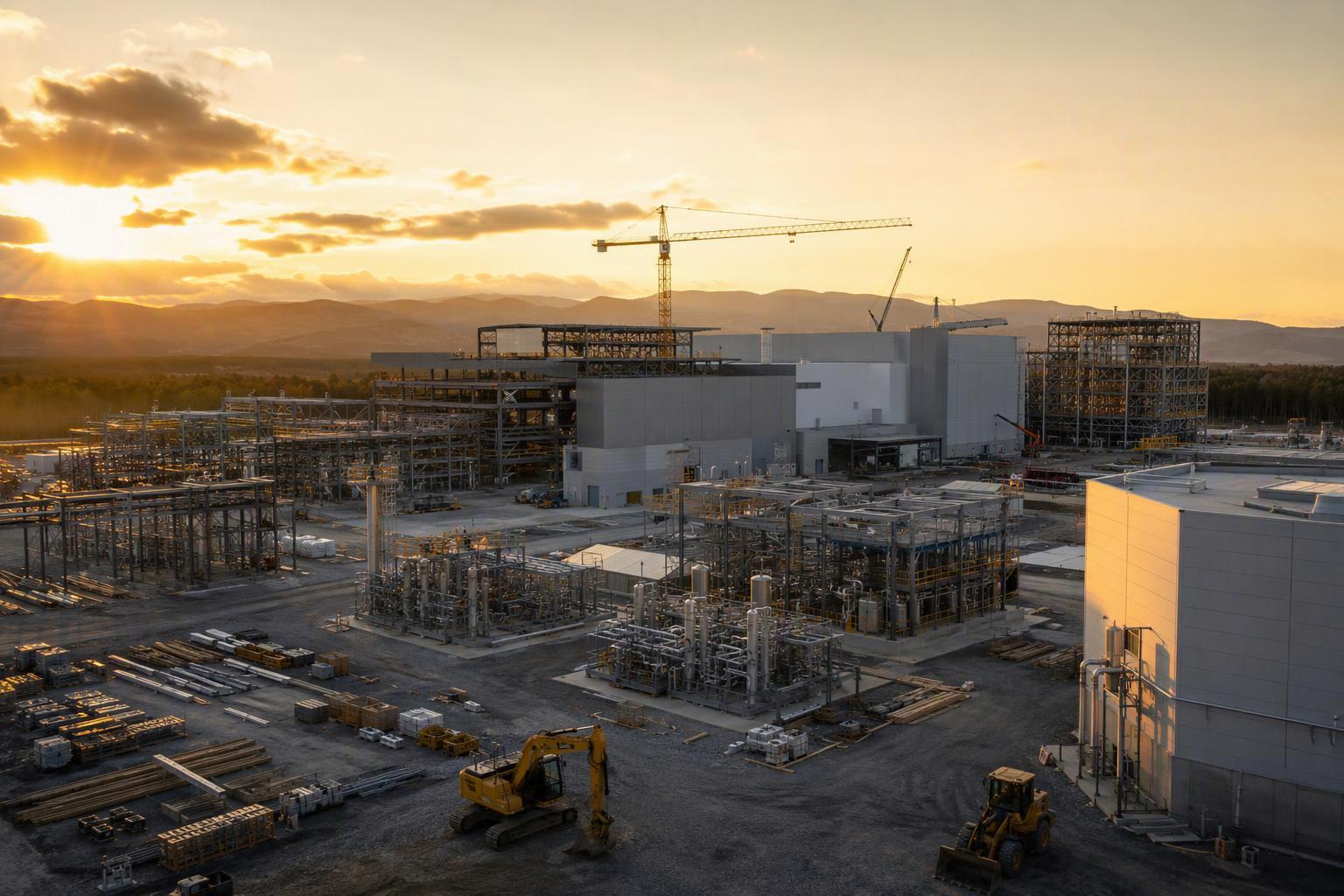
The Upper Merion project is a biologics manufacturing investment of more than $800 jutaan, per the Commonwealth, and it carries no peptide manufacturing scope identified in the cited announcements. The state’s job commitment is more than 300 new positions over five years, alongside roughly 4,500 existing full-time jobs retained across Pennsylvania (Commonwealth of Pennsylvania, 9 October 2026).
The revised construction timeline is the one detail worth flagging for planning purposes. GSK said in September 2025 that construction would commence in 2026; the October 2026 announcement places the start in 2027, and ENR records the slip explicitly (Engineering News-Record, 13 October 2026). The same reporting attributes the 2030 operating target to company officials, which makes it a reported target rather than a contractual commitment.

Two Pennsylvania projects now carry nearly identical headline numbers, and conflating them is the most common error in coverage. GSK’s October 2024 Marietta commitment was up to $800 million for drug substance and drug product facilities plus an R&D pilot plant, creating over 200 jobs (GSK, 24 October 2024). The state’s economic-development summary of both Pennsylvania projects totals nearly $1.7 milyaran, a figure the Commonwealth aggregates and GSK does not state (Pennsylvania DCED, 9 October 2026).
Why a biologics investment matters to peptide manufacturing partners
A biologics buildout affects peptide CDMO capacity indirectly, through the make-versus-buy logic it reveals rather than through any peptide demand it creates. Read the component list as a make-versus-buy signal and the pattern is familiar: commercial manufacturing, a co-located pilot plant for technology transfer and process development, a centralized QC lab and an MSAT hub are the capabilities a sponsor insources when it wants direct control of late-stage supply, process knowledge and analytical release. That reading is analysis, not a GSK position; no GSK document publishes a category list.
The announcement does not establish a causal change in outsourced peptide demand. Commercial peptide-market forecasts use different definitions and should not determine a project’s capacity decision. Request product-relevant manufacturing and qualification evidence instead.
Wholesale Peptide Peptide Synthesis Order Growing demand can strain capacity, but the binding constraint varies by route, product, site and required quality. This biologics announcement does not identify the constraint or available capacity for a peptide project.
Naon 2027 ka 2030 window demands of a peptide manufacturing partner
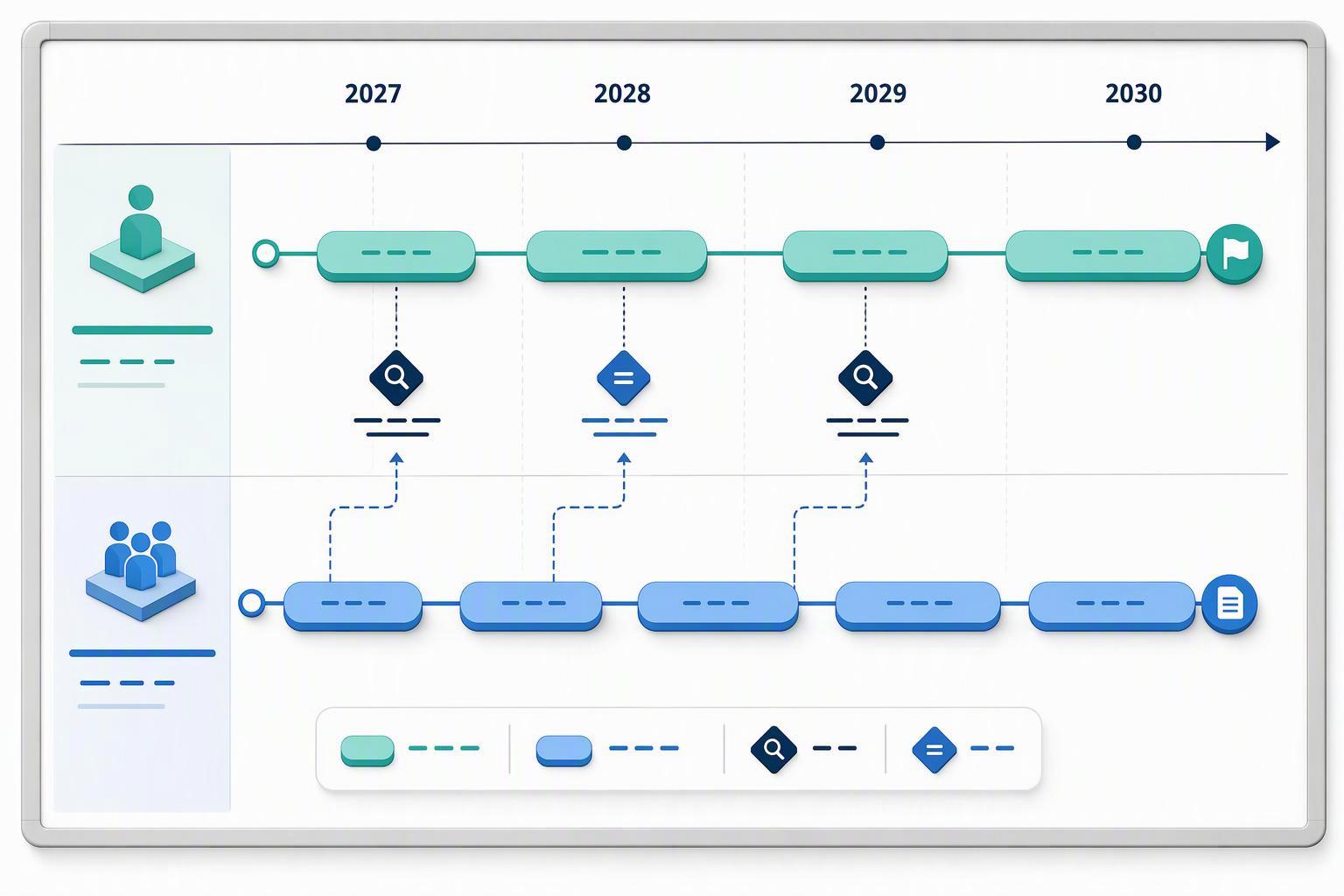
A supplier should plan qualification against the sponsor’s actual program milestones. The construction schedule for GSK’s biologics facility does not establish a universal 2027–2030 qualification window for peptide suppliers.
ICH Q7, the GMP guide for active pharmaceutical ingredients, is the standard a sponsor audits an API manufacturer against for supplier qualification, process documentation, change control and comparability (U.S. FDA, 2000, with 2017 Q&A). Where a route uses microbial fermentation rather than solid-phase synthesis, ICH Q5A(R2) governs viral safety evaluation and has been legally effective since 14 June 2024, replacing the 1997 revision Phosphopeptide Synthesis (European Medicines Agency, effective 14 June 2024). 21 CFR Part 211 Subpart F on production and process controls supplies the batch-record backbone: written procedures, documented deviations, charge-in verification, yield calculation with independent verification and in-process specifications (eCFR, current edition).
Apply a three-question test before committing to a qualification programme: can you make it, can you prove it, can you be audited on it. The first question covers sequence complexity and route selection, including whether a sequence above roughly 30 residues or one carrying multiple disulfide bonds changes the synthesis strategy. The second covers lot-specific HPLC and mass spectrometry data, certificate-of-analysis fields, peptide content and residual moisture. The third covers electronic batch records, change-control history and method-transfer packages. USP’s peptide monographs and general chapters, kaasup <1503> jeung <1504> for macrocyclic peptides, define the quality expectations that sit behind those data requests (USP, monographs official 2023 ka 2025).
Patarosan remen naroskeun
Is GSK’s Pennsylvania hub a peptide manufacturing facility?
No. The four components the state release names are a commercial-scale biologics manufacturing facility, an R&D pilot plant, a centralized quality control laboratory and an MSAT hub, and the state does not describe the site as a peptide facility (Commonwealth Pabrik péptida of Pennsylvania, 9 October 2026). GSK’s own description of the flex factory ties it to respiratory and cancer medicines (GSK, 17 September 2025).
How long does it take to qualify as a peptide manufacturing partner for a sponsor of this class?
Qualification runs on the sponsor’s evidence cycle, not a fixed clock. The FDA’s three-stage process validation lifecycle requires process design, process qualification and continued process verification, and the audit itself is conducted against ICH Q7, the GMP guide for active pharmaceutical ingredients (U.S. FDA, January 2011; U.S. FDA, 2000). A partner that already holds method-transfer and comparability data compresses the front end of that sequence. Order Custom Peptides
What should a peptide partner do first?
Assemble the development, control-strategy and method-transfer evidence now, before a sponsor asks for it. That means development and scale-up reports, analytical method-transfer packages, comparability data, continued process verification plans and batch records aligned to ICH Q7 and 21 CFR Part 211 Subpart F (U.S. FDA, 2000; eCFR, current edition). Where a fermentation route is used, viral safety documentation under ICH Q5A(R2) belongs in the same package (European Medicines Agency, effective 14 June 2024). Tripeptide-1 Manufacturer
kacindekan
The announcement identifies a biologics investment. Its relevance to peptide suppliers is an editorial comparison about qualification and planning, not evidence of peptide procurement by GSK. Supplier decisions still require their own specification, capacity and quality review.
The practical consequence is a sequencing decision. A partner that waits for a sponsor’s request for comparability and method-transfer data starts the qualification clock late, in a market where the outsourced peptide segment is forecast to grow roughly twice as fast as the end market and where capacity reservations are already being described as a market feature. A partner that builds the evidence package now enters those conversations with the artifacts a sponsor’s pilot plant and MSAT function will be asked to reproduce.
If you want to work through what your own qualification evidence covers and where the gaps sit, that is a conversation worth having before the 2027 construction start rather than after it.