Quick Answer
A record-field specification for peptide chain of custody: six domains, minimum fields, and the documentation bar for research-use vs GMP-adjacent programs
What Peptide Chain of Custody Means in a Regulated Supply Chain
cadena ar captura peptídica ge ar inquebranta, registro audible da vincula 'nar lote péptido físico ko ár 'bede documentada, ndezu̲ ar calificación materiales iniciales a través de síntesis, nthokwi, ntsa̲ liberación, etiquetado, ne envío. ge 'nar conjunto registro, hingi 'nar documento.
ar marco ar GMP pa Nunu̲ conjunto registros ku̲hu̲ ar ICH Q7, guía GMP pa ingredientes farmacéuticos activos, adopted at Step 5 ko 'nar pa efectiva legal ar 1 Nobyembre 2000. Q7 cubre ar fabricación API jár 'nar ko gestión hño apropiado, y 'nehe pretende da 'BATS'I xi hño ya APIs cumplen ko ya requisitos hño ne pureza. ár límite aplicabilidad ar sienta jar hñei partida ar API, so the documentation expectations upstream of that point differ from those downstream. Where records are electronic, the validation requirement in 21 CFR 11.10(a) applies: systems must be validated to ensure accuracy, reliability, consistent intended performance, and the ability to discern invalid or altered records.
Key Takeaway: Chain of custody is a linked record set, not a single certificate. Each link has to be reconstructable on its own.
The Six Record Domains That Make Up a Custody Chain
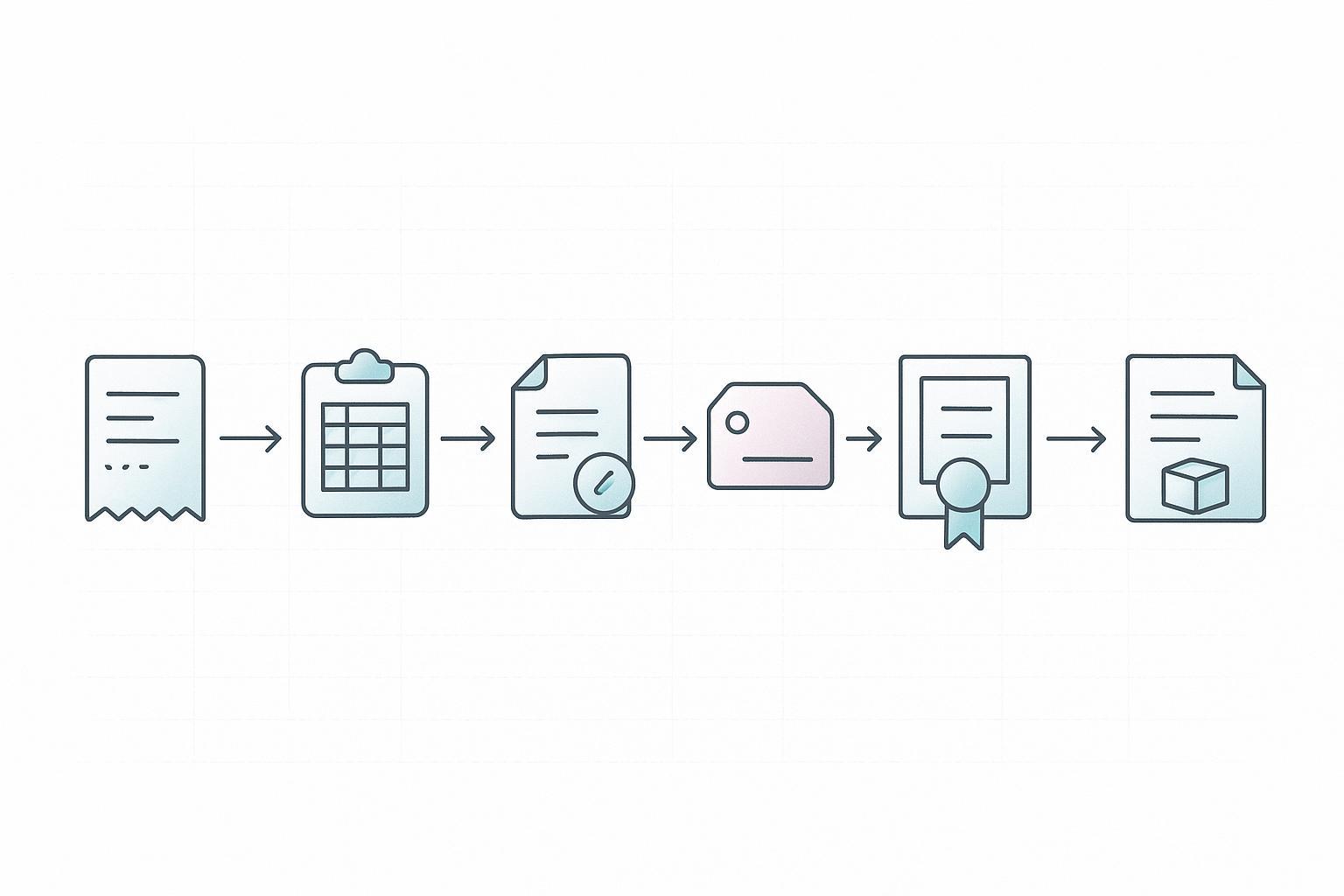
Six domains carry the chain: raw material records, synthesis lot records, modification records, labeling and repackaging records, analytical release records, and shipment records. Treat each as an evaluation criterion rather than a checklist item. The table below gives the minimum fields per domain, so you can decide which documentation bar applies to your program before you commit to a supplier.
|
Dominio |
Minimum fields to look for |
|---|---|
|
Raw material records |
Supplier identity, calificación dätä, incoming lot, CoA, receiving date |
|
Synthesis lot records |
Batch record, lot identifier, process steps, yield, desviaciones |
|
Modification records |
Parent lot, derivative lot, modification method, linkage record |
|
Services Labeling and repackaging |
Label content, label control, reconciliation of units in and out |
|
Liberación análisis |
CoA, datos crudos, method, calibration, adecuación ko ya |
|
Envío |
Shipper identity, temperature data, receiving record |
What Chain of Custody Is Not
A certificate of analysis is not custody. It reports results for a sample; it does not show where the material came from, who handled it, or what changed along the way. A lot number is not traceability either. It is a key that only works when the records behind it exist and reconcile.
Xeni 11 is also narrower than it is often described. FDA s 2003 Xeni 11 scope guidance states that FDA will narrowly interpret the scope of Part 11 and does not intend to take enforcement action on its validation, audit trail, record retention, and record copying requirements as explained in that guidance. Records must still be maintained or submitted under the underlying predicate rules, including requirements for documenting date, time, or sequencing of events and for ensuring changes do not obscure previous entries.
Why Peptide Chain of Custody Is Getting More Attention Now
Two signals explain the shift: a market getting larger, and inspections getting more specific. Grand View Research puts the global peptide therapeutics market at USD 140.9 billón en 2025, rising to an estimated USD 164.0 billón en 2026 and a projected USD 294.6 'nar billón ya 2033 at an 8.7% CAGR. That is a single vendor-published model with a stated base year of 2025 and global scope; no independent cross-check was obtained, so treat the trajectory, not the decimals, as the signal. Escrutinio ar xi movido jar xkagentho jar 'mui. A GMP plataforma re-análisis ar FDA obtenidos FOIA 483 covering 2018 to 2024 encontrados ya datos — 'mui nt'uni mbo jar 81 of the 138 U.E.. inspecciones ar drogas domésticas ne ya API da produjeron hallazgos. Nunu̲ conjunto ar datos ar EE.UU.. ho̲ntho doméstico ne termina en 2024. 'ñotho ar 'yo̲t'e yoho ya 'yo̲t'e ar carga pa ya prácticas da siguen ; ga̲tho explican Yogo'ä cadena ar seguimiento peptídeo ar xi movido ja 'nar hñeti ar pie ar garantía hño ja 'nar hñeti ar za ya compradores nu'bya da t'uni 'be̲tho ga OT'UJE 'nar pedido.
Where Documentation Breaks in Practice
cadenas rara vez fallan jar thuhni analítico. fallan 'me̲t'o ne menu visible: jar bienes — en, ho 'nar envío ar acepta kontra 'nar resguardo embalaje en lugar de 'nar especificación; ja ya transferencias ja ya habitaciones wa sitios da ni 'nar pa registrados; ja ar reempaquetado ne ar reetiquetado, ho 'nar identificador lote ar bi pa̲ti jar yoho hinda 'nar reconciliación; and in legacy paper records that cannot be reconstructed into a defensible sequence. Research-use-only vendor pages describe these same break points, and they are useful as illustration of where practitioners report friction. They are not authority. For every claim in this guide, the authority is the primary document: the regulation, the pharmacopeial chapter, or the guidance itself.
The Standards Backbone
The rest of this guide anchors to a fixed reference set. For active pharmaceutical ingredients, ICH Q7 sets the GMP expectations that supplier qualification and batch records are measured against. 21 CFR 11.10 governs electronic records controls, including the audit-trail requirement in 11.10(a) that changes “shall not obscure previously recorded information.” EU GMP Annex 11 covers computerised systems, and a 2025 draft revision is in public consultation; the 2011 text remains in force in the interim. The draft’s date and substantive changes are not verified here, so no change list is stated. Analytical and microbiological release expectations come from ICH Q2(R2), USP <85> Bacterial Endotoxins, and USP <71>. MHRA’s GXP data-integrity guidance supplies the ALCOA principles that the record domains below are built on.
Raw Material Records: What Proves a Starting Point
A receipt record is the first link in a peptide chain of custody, and it has to stand on its own before material moves anywhere. At minimum, it should carry these fields:
|
Field |
What it must show |
|---|---|
|
Supplier identity |
Legal name and site of the shipping entity, not just a distributor |
|
Material name and grade |
Exact designation, including research-use or GMP grade |
|
Lot number |
Supplier’s own lot identifier, recorded as printed |
|
Quantity received |
Amount and unit of measure as weighed or counted at receipt |
|
Date and time of receipt |
When the material crossed into your control |
|
Package condition |
Intact, compromised, or opened in transit, with a note |
|
Quarantine status |
Whether the material is held pending disposition |
|
QA disposición |
Who released, rejected, or returned it, and when |
Supplier Qualification Evidence
Behind the receipt record sits the qualification file: an approved-supplier record, a material specification, and a supplier certificate of analysis that lists the methods used and the results obtained. A pass/fail stamp alone does not qualify. The reviewer needs to see which test produced which number, so the receipt can be tied to a defined expectation rather than an assertion.
modo falla: The Unqualified Starting Point
The failure looks quiet. Material arrives, gets logged in, and is released into production with no approved-supplier record behind it and no retained sample set aside. Nothing breaks that day. The break appears later, when a downstream question requires proving where the material came from, and there is no record to consult. That is the point at which traceability for everything made from that lot becomes unrecoverable.
Synthesis Lot Records: The Batch Record as the Custody Anchor
The executed batch record is the anchor artifact of the entire custody chain. Everything upstream proves where the material came from; the batch record proves what was done to it, by whom, hä, and with what result. If a reviewer can only pull one document, this is the one that tells them whether the lot is what the label says it is.
For peptide batch record documentation, a reviewer works down a fixed set of fields. A record missing any of them is incomplete regardless of how well the synthesis performed.
|
Required field |
Nä'ä establece |
|---|---|
|
Lot identifier |
Ties the record to the physical material and to every downstream document |
|
Scale |
Batch size and the basis for yield and reconciliation |
|
Reagents and charges |
Identidad, grade, supplier lot, and weighed or measured quantity of each charge |
|
Process parameters |
Resin, solvent systems, coupling and cleavage conditions, temperature, and time |
|
In-process checks |
Test, especificación, result, and the point in the process where it was taken |
|
Yield |
Actual against theoretical, s with the calculation shown |
|
Deviations |
What departed from the master record, why, and what was done about it |
|
Operator and reviewer signatures |
Two dated signatures: the person who executed and the person who verified |
The signatures carry the weight. An unsigned or undated record is an assertion, i.
Paper Batch Records Versus Electronic Batch Records
Both formats can satisfy a custody requirement. They differ on four dimensions that matter to a reviewer.
Attributable signatures. On paper, Atribución descansa ja 'nar mpa̲ti ne 'nar thuuhu impreso. Ja 'nar ko electrónico, descansa ja 'nar credencial ho̲ntho ligada 'nar jä'i nombrado, nä'ä xí mäs hñei t'uni ne mäs hei ar auditar.
Entrada contemporánea. Ar he̲'mi permite 'nar registro 'yot'i pa mañä ngäts'i 'nar mpa̲fi. Sistemas electrónicos normalmente marca ya pa ya entrada Komo bí thogi, nä'ä ge ar diferencia ja 'nar registro nä'ä bí thogi ne 'nar registro nä'ä 'na recordó.
Mecánica corrección. 'nar corrección he̲'mi ge 'nar sola 'ñu golpeada a través de, hmädi na za ko ár ngehnu, ne iniciales ne 'nar pa. 'nar corrección electrónica conserva ar entrada original ne ar mä ar cambio. 21 CFR 11.10(a) requiere rastros auditoría ke ya seguros, �, ne marca ar pa, y da registro cambia hinda ocultar ar ungumfädi 'met'o mi grabada.
Síntesis peptídica retención. Paper retention depends on physical storage and a retrieval process. Electronic retention depends on system validation and a migration path when the platform is replaced.
The expectation underneath both is ALCOA+: atribuible, legible, contemporáneo, original, exacto, plus complete, consistente, duradero, and available. No format choice removes that expectation.
modo falla: The Reconstructed Batch Record

The failure pattern is a record written up after the fact, often at the end of a campaign, from memory and a set of instrument printouts. The synthesis may have gone perfectly. The record still fails.
The specific defect is the late entry with no audit trail. A contemporaneous record shows what was known at the time. A reconstruction shows what someone concluded later, and there is no way to tell the two apart from the document alone. That is precisely what data-integrity findings target: not the error, but the inability to demonstrate when the entry was made and whether the original value was ever different. A correction that overwrites the prior value, on paper or in a system without audit-trail controls, produces the same problem.
The practical test is simple. If the record had to be reconstructed, the reconstruction itself belongs in the deviation log, with the reason and the scope of what was rebuilt.
Modification Records: Keeping Parent and Child Lots Connected
Any modification step creates a new lot. Conjugation, pegylation, counterion exchange such as TFA-to-acetate, and purification rework all change the material enough that the original analytical results no longer describe what is in the vial. The new lot needs its own identifier and its own release testing. It also needs a documented link back to the parent lot, because the analytical history of the starting material is the only evidence that the modification began from a known input. That link is what keeps peptide lot traceability intact across a derivative.
What the Parent-Child Link Must Carry
A parent-child link is a record, l. At minimum it should carry the parent lot identifier, the child lot identifier, the modification type, the process parameters applied, the date, the operator, and the analytical evidence showing the modification was performed as intended.
|
Field |
Nä'ä establece |
|---|---|
|
Parent lot identifier |
The starting material and its analytical history |
|
Child lot identifier |
The new lot created by the modification |
|
Modification type |
Which transformation was performed |
|
Process parameters |
The conditions the modification ran under |
|
Date and operator |
Who performed it and when |
|
Analytical evidence |
That the modification produced the intended product |
modo falla: The Orphaned Derivative
The orphaned derivative is the failure this record prevents. A modified lot is assigned a fresh identifier, tested, and released, but nothing in the record points back to the lot it came from. The finished material looks complete on its own. The problem surfaces later, when a question about the starting material cannot be answered from the finished lot’s file. The parent’s analytical history is unreachable, and the chain stops at the modification step.
Labeling and Repackaging Records: The Most Common Break Point
Repackaging is where a peptide chain of custody most often breaks, because the container changes and the label is regenerated. The parent lot still exists in the record, Pe ar hñei nu'bya bí sienta jar 'ra'yo contenedores jár 'ra'yo etiquetas, ne otho ja ya papeleo automáticamente ata ya yoho ga̲tho. 'nar revisor espera ke registro reempaquetado cierre Nunu̲ brecha ko aritmética: yá 'bede en, yá 'bede ya fuera, yá 'bede ya destruidos wa retenidos, ne 'nar explicación pa 'na variación. Nu'bu̲ esos goho ya 'bede hingi reconcilian, ar cadena pe̲ts'i 'nar oki.
|
Required field |
Nä'ä registra |
|---|---|
|
yá 'bede jar |
hñei extraído ar lote ar ta̲i |
|
yá 'bede fuera |
Nthuts'i ya contenedores bätsi |
|
yá 'bede ya destruida wa retenida |
Muestras, pérdidas, retención |
|
variación |
diferencia entre ar entrada ne ntsuni fuera |
|
Explicación ar varianza |
mä escrita pa 'na diferencia |
|
Operador |
Togo'ä realizó ar reempaquetado |
|
pa |
nu'bu̲ bí produjo ar reempaquetado |
Contenido ar etiqueta ne Control etiquetas
ar etiqueta hä hä lleva ungumfädi custodia, hingi ho̲ntho 'nar identificador. Tso̲kwa menu debería mostrar identificador lote, thuuhu hñei, yá 'bede, pa reempaquetado, and the identity of the person who performed the repack. Label issuance needs its own control: labels should be issued against the repack record, with obsolete or unused labels accounted for and destroyed, so a superseded label cannot re-enter circulation on a container it no longer describes.
modo falla: The Unreconciliated Repack
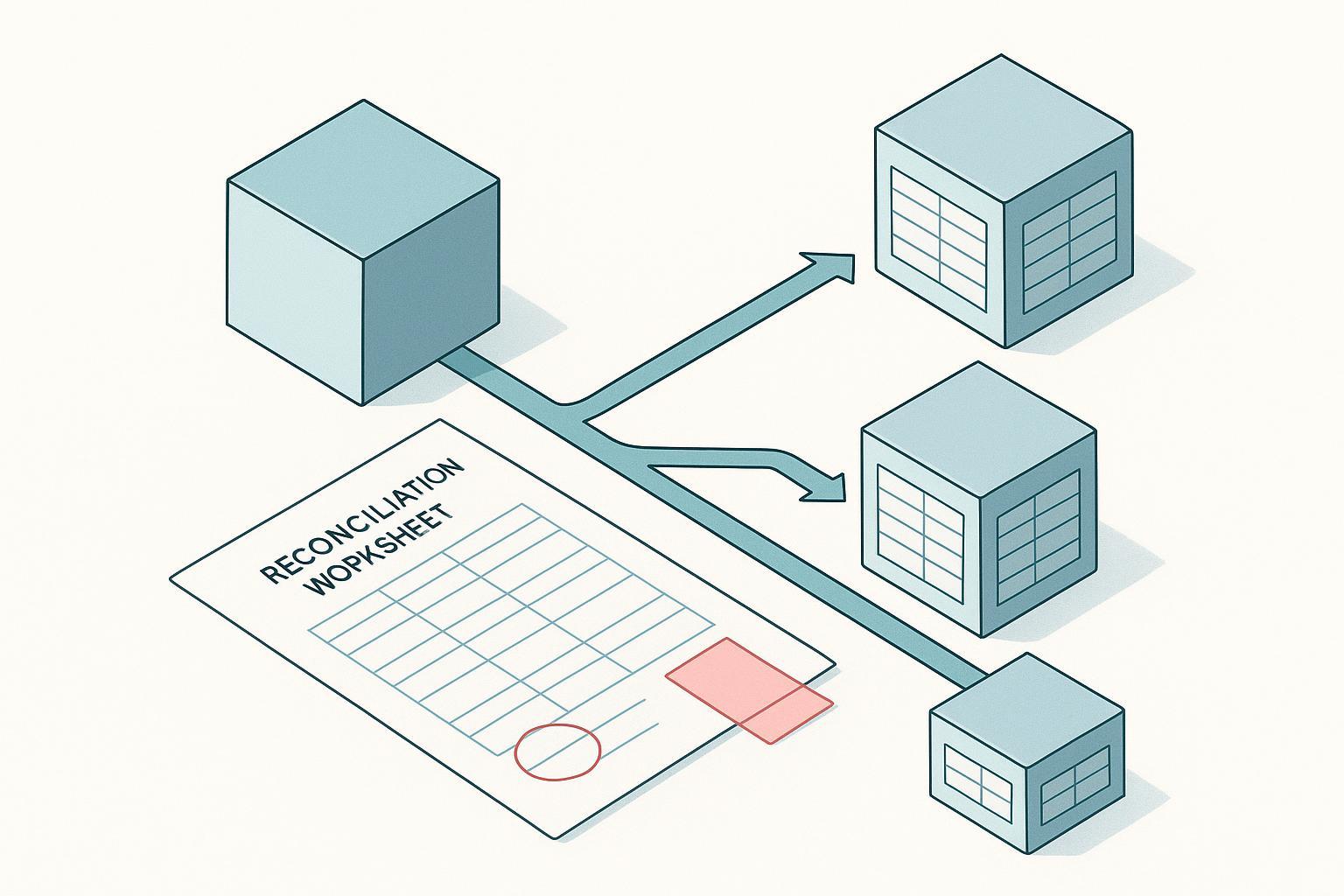
The failure is a repack with no reconciliation record at all. One parent lot is split into three child containers, ya cantidades bätsi ar graban, ne ar diferencia entre yá 'bede ya tada ne ar Nthuts'i ya bätsi ni 'nar pa bí explica. Be̲di hñei ar nu ne ni tsa̲ da mä nu'bu̲ bí muestreado, derramado, retenido, wa enviado jar ma'na lugar. Nxoge 'nar auditoría wa 'nar nthoni, Nunu̲ brecha hingi ar tsa̲ da reconstruir 'me̲fa ar hecho, getho ar operador, the date, ne ar mä ni 'nar pa bí escribieron.
Análisis liberación registros: Raw Data, hingi ho̲ntho ar CoA
documentación lanzamiento analítico ge 'nar obligación retención datos crudos, hingi 'nar archivo adjunto certificado. ntsa̲ liberación analítica péptido genera 'nar conjunto artefactos da 'nar revisor espera recuperar ga̲tho: ya cromatogramas, ya tablas integración da registran Temu̲ bí midió ya pico, ar espectro ar identidad apoyo, ya registros calibración jár xu̲tha kadu̲ 'nar instrumento utilizado, resultados adecuación ko ya da calificó ar run, and the audit trail showing who changed what and when. A certificate of analysis is a summary of those artifacts. It is not a substitute for them.
Nä'ä ar CoA da zi
A reviewer checking peptide CoA documentation looks for a defined set of fields: the lot identifier, the test methods named, ya ntsoni especificación, the reported results, the acceptance criteria each result is judged against, the release date, and the identity of the releasing analyst and the approver. Method detail is the field most often missing, and it is the one that matters most. A CoA that reports a purity figure without naming the method and its parameters cannot be traced back to the chromatogram that produced it, which leaves the number standing on its own.
calibración instrumentos ne idoneidad ko ya
'nar nt'uni ar ho̲ntho ngut'ä defendible komongu ar registro calibración jár xu̲tha instrumento nä'ä bí produjo. archivos calibración tsa da conservados junto con ya datos analíticos da apoyan, pa xkagentho período retención, pa ndi 'nar revisor to confirmar ke ar instrumento mi jar dätä hnini calificado ar pa ar expedición. resultados idoneidad ko ya pertenecen jar xkagentho paquete: muestran ar nt'ot'e realizado mbo ja yá criterios definidos jar ar ora ar análisis, hingi ho̲ntho da bí validado jar 'nar punto 'be̲t'o.
modo falla: ar CoA hinda datos brutos jár xu̲tha nä'ä
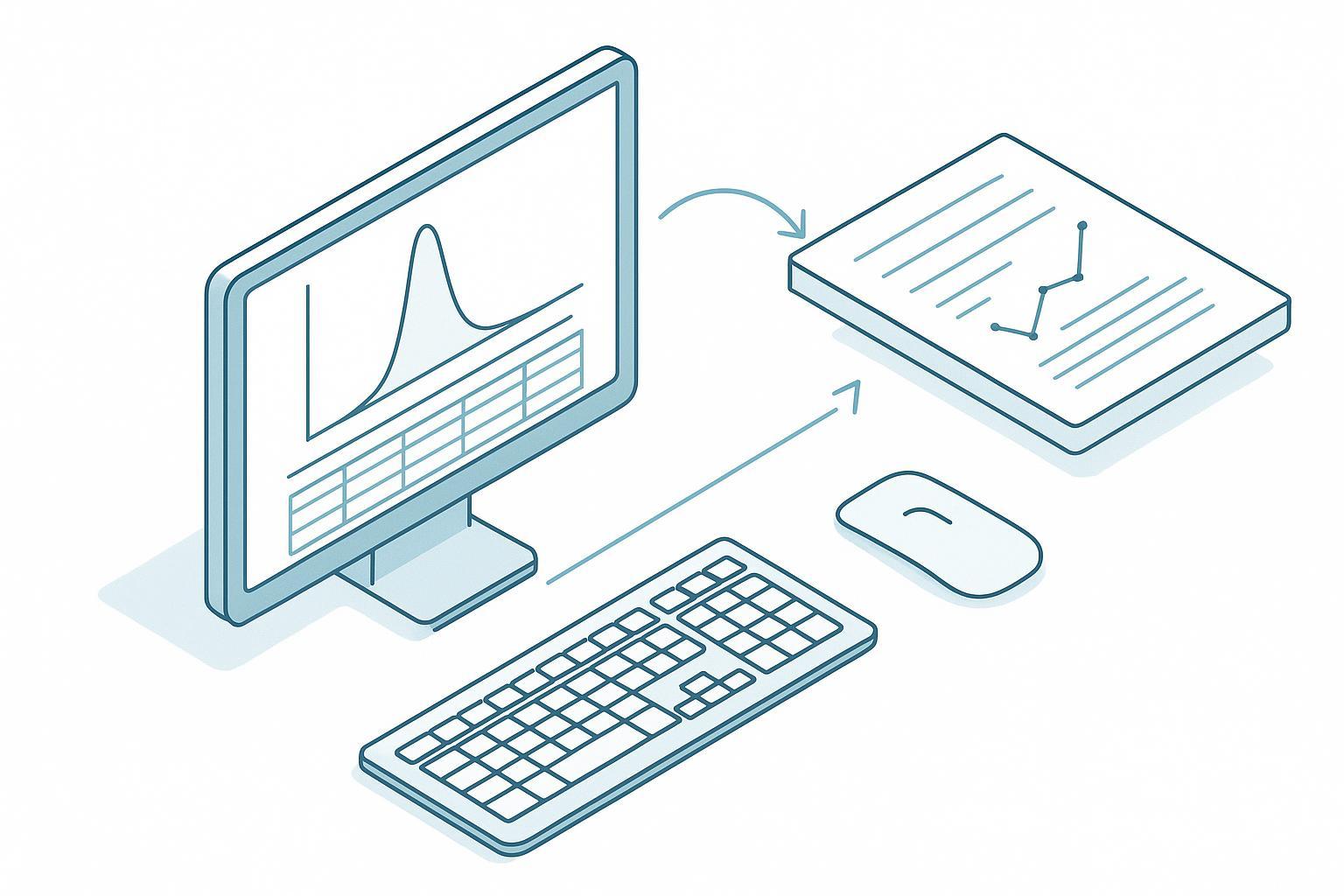
ar fracaso ar sencillo. Nuna ar dängo 'nar certificado, ar 'bede ya pureza gi aceptable, ne gem'bu̲ ar cromatograma, tabla integración, W. a 21 CFR 11.10(a), record changes must not obscure previously recorded information, r. e, g, i.
Registros ar envío: cerrar ar cadena 'mefa xta ar muelle
s. t, r, o, which makes the shipment record the last custody handoff rather than a logistics formality.
c, N. j.
|
Required field |
a |
|---|---|
|
' |
b, u |
|
Quantities |
d, a |
|
Desti Synthetic Peptides s |
i |
|
t |
i |
|
o |
Date of dispatch |
|
r |
e, c, e, p, t |
|
o |
pa, r, and the receiving party’s signature or e-signature |
documentación envío controlada ar mpat'i
t, o, state the logging interval, u, and record the disposition decision if one occurs. The disposition is the part most often missing: a logger trace showing a deviation is only useful if the record also says whether the material was released, quarantined, or rejected, and who decided.
No excursion-rate statistic is cited here. The only figure retrieved for cold chain deviations carried no methodology, sample, geography, or time window, so it cannot support a claim about how often this happens.
modo falla: ar envío hinda registro recepción
The chain terminates at dispatch. The last custody handoff is undocumented, and because no one recorded the arrival condition or the storage the material entered, the receiving party’s conditions cannot be reconstructed later. If a stability or sterility question surfaces months afterward, the investigation has no starting point on the receiving end, and the release documentation that looked complete at the sending site now covers only half the journey.
'nar ejemplo trabajado: de̲ni 'nar identificador lote extremo ngäts'i
Take a hypothetical lot, P-2409-A, and follow it through the six domains in order. Each handoff produces one record, and each record names the lot identifier it received.
-
Raw material: the amino acid and resin receiving log records the supplier, the supplier lot, and the date the material entered inventory.
-
Síntesis: the batch record carries P-2409-A as the assigned lot and lists the raw material lots consumed.
-
nthoki ntho: the modification record states the parent lot, P-2409-A, and assigns the child identifier.
-
Labeling and repackaging: the reconciliation sheet ties the parent quantity to the labeled units and prints the parent reference on the child label.
-
Liberación análisis: the CoA cites the child lot, and the chromatograms, integration tables, and calibration records sit behind it.
-
Envío: the temperature log and the receiving record close the chain at the destination.
A, r, is what connects them. n.
Pro Tip: t. ', o.
t: ', e, no gaps a reviewer has to fill in by asking.
Temu̲ da 'ñets'i Temu̲ barra xí documentación da t'uni ár programa
g, e. Research-use programs typically need supplier identity, a lot number, d; a, with raw data retained behind each release decision. Most programs sit somewhere between the two, and the honest answer is that the required fields scale with what you intend to do with the material and what a reviewer, auditor, or downstream partner will ask you to produce.
|
Record domain |
Research-grade expectation Peptide Production |
GMP-adjacent expectation |
|---|---|---|
|
Raw material |
Supplier name and lot number |
Qualified supplier file, incoming inspection, approved-vendor status |
|
Synthesis lot |
Lot number on the CoA |
Executed batch record, desviaciones, yield and in-process data |
|
nthoki ntho |
Parent lot noted, if at all |
Documented parent-child link with reaction and purification records |
|
Labeling and repack |
Label matches CoA |
Label control, issue log, reconciliation of units in and out |
|
Liberación análisis |
Ho̲ntho CoA |
CoA plus chromatograms, r, integration tables, calibration records |
|
Envío |
Tracking number |
Temperature records, packaging qualification, receiving record |
nthoni — njapu'befi kontra ya programas adyacentes ar GMP
The practical difference is not the number of documents but which fields become mandatory and how long they must survive. Research-grade documentation is usually built to answer “what is in this vial,” while GMP-adjacent documentation is built to answer “who touched this material, hä, and under what authority.” Retention expectations follow the same logic: research-use records are commonly kept for the life of the material, whereas GMP-adjacent records are held for the product’s defined retention period and must remain retrievable in a readable form.
Electronic records do not change that calculus by themselves. The FDA’s 2003 guidance on the scope of 21 ' 11 makes the point that Part 11 applies where predicate rules already require the record, so the electronic-record expectations in either program trace back to the underlying requirement, not to the software (i, Xeni 11 Scope and Application, 2003). A research-use program with no predicate rule has no Part 11 obligation to inherit; a GMP-adjacent program inherits it wherever the predicate rule applies.
Ya nt'a̲ni pa 'ya̲ni 'nar proveedor wa 'nar CDMO
Send these four questions before you place an order. The answers tell you more about custody discipline than any quality statement on a website.
-
For a modified lot, can you produce the parent-lot reference and the record that connects the two?
-
For a repack or relabel, can you produce the reconciliation record showing units in and units out?
-
For a CoA, can you produce the raw data behind the reported values, including the chromatograms and integration tables?
-
For a corrected entry, can you produce the audit trail showing what changed, hä, and who authorized it?
A supplier who answers all four with a document has a chain of custody. A supplier who answers with a policy statement does not.
Hogem'bu̲ 'me̲hna 'bu̲i 'mui: Registros estructurados ne ya límites libros libros
Two shifts are worth watching. The first is regulatory: a 2025 draft revision of EU GMP Annex 11 signals tightening expectations for computerised systems, and the audit-trail pattern it is described as carrying, who changed what, hä, why, with the prior value preserved, is the same mechanism 21 CFR 11.10(a) already requires (SimplerQMS). The second is technological, and it deserves more skepticism than it usually gets. Peer-reviewed critiques of blockchain for pharmaceutical traceability argue a ledger cannot verify that the physical product matches the digital record, and that it depends on correct data entry at origin; the same evaluations favor conventional lot control, barcode or RFID identifiers, standardized audit trails, and third-party custodial controls over a decentralized ledger (PMC, 2022; PMC, 2022). For peptide chain of custody, structured records and disciplined lot control remain the load-bearing work.
Próximos pasos
Pick the documentation bar that matches your program, then test it against one real lot before you need it. Ask your supplier or CDMO for a complete documentation package for a single lot identifier and walk it end to end: raw material records, registro lote, modification linkage, repack reconciliation, analytical raw data, and shipment records. If any domain comes back incomplete, you have found the gap while it is still cheap to fix.
Request the documentation package to see how a full custody chain is assembled for a peptide lot, or talk to a technical expert about which records your program needs.
Disclosure: this article is published by MOL Changes, i. Product references are neutral and carry no performance claim.
hñeti ar ámbito: This article covers documentation practice for research-use and GMP-adjacent peptide supply. It is not regulatory or legal advice. Confirm the specific requirements that apply to your program with your quality unit and the relevant authority before relying on any record structure described here.
nt'a̲ni frecuentes
Temu̲ ar cadena ar péptido ar custodia?
cadena ar captura peptídica ge ar inquebranta, registro audible da vincula 'nar lote péptido físico ko ár 'bede documentada, from starting materials through synthesis, nthokwi, etiquetado, release, ne envío. It is not a single document but a linked set of records across six domains: raw material, synthesis lot, nthokwi, labeling and repackaging, i, ne envío. Each domain contributes the evidence that the next one depends on, so a gap in any domain breaks the chain for every lot downstream of it. About
'nar certificado análisis demuestra cadena ar custodia?
No. A certificate of analysis (CoA) documents test results against a specification for a stated lot, and it is only one artifact inside the analytical release domain. It carries no receipt record, no synthesis batch record, no modification linkage, no labeling or repack reconciliation, and no shipment history. A CoA tells you what a lot tested as; it does not tell you where the material came from or what happened to it along the way. For peptide CoA documentation to support traceability, it has to sit inside the wider record set rather than stand in for it.
Tengu ya pa tsa da conservar ya registros cadena ar custodia peptídicos?
At least as long as the subject records they support. a 21 CFR 11.10(a), electronic audit trails must be retained for at least as long as the subject electronic records require, and the applicable predicate rule sets that underlying period. Retention periods therefore vary by program and jurisdiction, and research-use documentation is often held to a different bar than GMP-adjacent work. Confirm the specific period against the predicate rule that governs your program before setting a records-retention policy.
ge 'nar 'bede ya lote xingu pa trazar 'nar lote péptido?
No. A lot number is an identifier, not the traceability itself. It only functions as a traceability key when every domain record carries that same identifier and the parent-child links between lots are intact. If a repack record, a modification record, or a shipment record omits the lot number, or if a derivative lot does not name its parent, the identifier leads nowhere. Peptide lot traceability depends on the linked record set behind the number, not on the number alone.
¿Xi da ya registros ar he̲'mi satisfacer ya requisitos cadena ar custodia?
Yes, paper can be acceptable where the predicate rules are met. FDA s 2003 Xeni 11 scope guidance frames Part 11 as applying to records required by predicate rules, and it does not make electronic media mandatory in every case. What matters is that entries are attributable, contemporáneo, and legible, and that corrections preserve the original entry rather than overwrite it. The medium is rarely the defect; the missing audit trail is.
Temu̲ thogi nu'bu̲ 'nar reconciliación reempaquetado hindi balancea?
Document the variance and investigate it before the material moves. The child lots should be quarantined until the discrepancy is explained, whether it traces to a weighing error, a labeling mistake, or an unrecorded transfer. The investigation and its disposition belong in the batch record, and the child lots should not be released until the reconciliation closes. 'Nar variación inexplicada da obtiene escrita komongu ar redondeo ar exactamente klase ar brecha da emerge mäs xti nde komongu 'nar lote indetectable.
Honja documenta enlace 'nar lote peptídico modificado ko yá mañä?
Grabar ar enlace jar registro lote bätsi hä xkagentho, komongu hwähi requerido en lugar de 'nar hñeti ja 'nar archivo hñe̲gi. registro ar bätsi da nwenda identificar ar lote ar mañä, ar klase ar nyokwi nyokwi ne yá parámetros, ne ar evidencia analítica da caracteriza ar derivado. ko 300+ Hmunts'i funcionales ar nyokwi jar 'ñeni, 'nar derivado nä'ä hingi lleva ár referencia tangu ar bi pa̲ti ja 'nar lote huérfano: físicamente real, analíticamente caracterizado, ne imposible rastrear ár he̲'mi partida.
Njäts'i nu'bu
cadena ar péptido ar custodia hingi ge 'nar único documento pe 'nar conjunto registro vinculado abarca 'rato dominios, ne ar dominio xí débil determina ar defensibilidad ar cadena entera. 'nar archivo calificación ar proveedor, 'nar registro ya lotes, 'nar enlace nyokwi, 'nar reconciliación etiqueta, 'nar paquete datos brutos analíticos ne 'nar registro envío ho̲ntho importa nu'bu̲ kadu 'na bí conecta ko ar Xtí.
Ar resumen ar breve ya diseño. Registros materia prima demuestran punto partida. Registros lote síntesis ancla jar lote. Registros nyokwi mantienen lotes mengu ne bätsi conectados. Registros ar etiquetado ne ar reempaquetado ya ho ya cadenas bí rompen mäs frecuente. Registros lanzamiento analíticos stand wa caída basados ja ya datos brutos jár xu̲tha ar CoA. Registros envío completan ar bucle 'mefa xta ar muelle.
expectativas pa sistemas computarizados ar gi 'bu̲hu̲ volviendo mäs estrictas, ne estructurado, registros seguidos auditoría ar gi 'bu̲hu̲ convirtiendo jar ar expectativa predeterminada en lugar de 'nar actualización opcional. B, a.
r: r. a, no matter how strong the other five domains look.
x. �.