Momentum a se reyèl, men li chita sou yon sèl sous
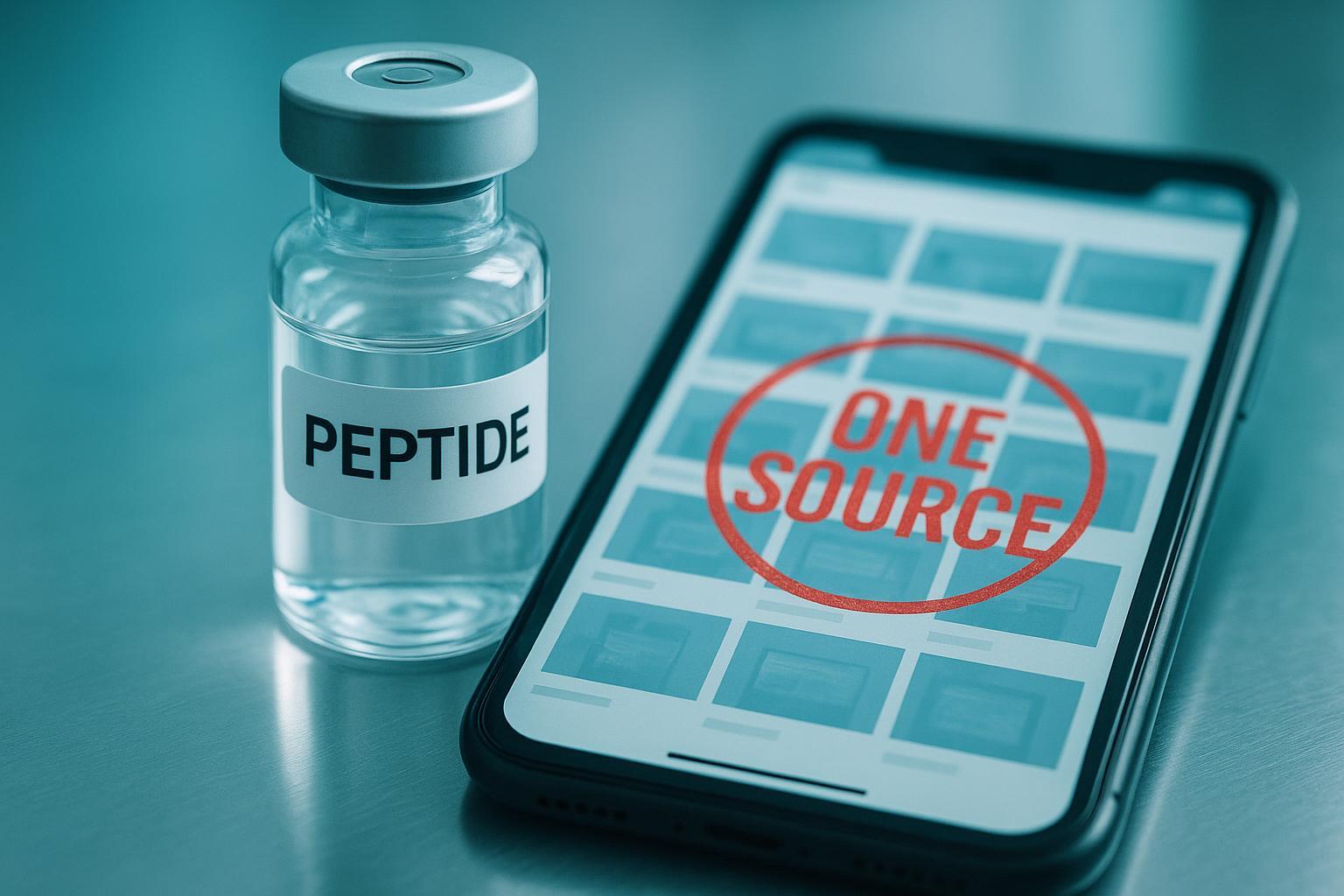
Demann BPC-157 vrèman ap monte, ak prèv ki montre ogmantasyon sa a pi mens pase tit yo sijere. A 2025 revizyon sistematik nan Jounal HSS te jwenn ke BPC-157 Google rechèch volim te frape yon maksimòm tout tan nan mwa jen 2024, ak plis pase 50 milyon vizyon videyo BPC-157-tagged atravè YouTube ak TikTok ak plis ankò 100,000 manm nan kominote Reddit ki gen rapò ak peptides. Sa se yon siyal reyèl, epi li se tou yon sèl sous en: pifò "BPC-157 ap eksploze" atik ki te pibliye depi tras tounen nan revizyon sa a.
Figi klinik la se menm plis frajil. Reuters rapòte sou yon preprint nferans ki te idantifye 1,039 pasyan atravè plis pase 15 milyon dosye, ak yon ogmantasyon 33-pliye nan itilizatè konfime ant 2020 epi 2026. Preprint sa a pa te revize parèg, ki enpòtan lè yon sèl done ki pa revize ap fè anpil travay sa a nan konvèsasyon an.
Kle Takeaway: Reklamasyon Momentum sou BPC-157 yo eko-lou. Anvan ou repete yon figi kwasans, non etid ki dèyè li epi si li te otorize revizyon kanmarad.

Okenn nan sa a fè momantòm nan fo. Li fè kesyon atribisyon an premye bagay yon lektè atansyon mande, epi li mete sou pye pwoblèm nan pi difisil: yon baz itilizatè k ap monte ap sèvi ak pwodwi ki gen bon jan kalite reklamasyon yo chita sou yon nimewo ki di mwens pase sa li sanble.. Diferans sa a se kote karakterizasyon BPC-157 kòmanse.
View konvansyonèl la: Pite se tout istwa a
Pozisyon endikap la senp: yon chromatografi likid segondè-pèfòmans (HPLC) figi pite sou yon sètifika analiz (CoA) se prèv ase ke yon peptide se klas rechèch. Sou lojik sa, 99% se liy fini an, ak anyen pi wo a 98% se ka ranplase.
Li fasil pou w wè poukisa steno sa a te pran plas. Pite se yon nimewo, konparab atravè founisè yo, enprime sou yon paj pwodwi, ak lizib pou yon achtè ki gen trant segonn pou deside. Li konprese yon konsèp analyse lejitim nan yon inite maketing.
Figi machann yo pibliye byen sere nan tèt echèl sa a. Pite ki nan lis piblik pou BPC-157 gen ladan yo 98.329%, 99.41%, 99.54%, 99.55%, 99.74%, 99.8%, epi 99.86%, ak yon sèl agrégateur rapòte yon mwayen de 99.52% atravè 18 tès ak yon seri de 99.02% pou 99.90%. Nimewo sa yo se pwòp tèt ou rapòte ak san kontwòl, kidonk trete yo kòm ilistrasyon yon modèl maketing olye ke kòm yon estatistik mache.
Pou Konsèy: Li yon figi pite kòm yon reklamasyon sou anpil, pa kòm yon pwopriyete nan yon molekil. Yon nimewo san yon metòd, yon kolòn, ak yon longèdonn deteksyon se yon rezime konklizyon yon moun, pa prèv ki dèyè li.
Kontras la se yon CoA konplè. Yon sèl solid mare yon sèl lot ak nonmen rezilta laboratwa ak rapò metòd ansanm ak valè: idantite pa mas spectrometri kont mas teyorik, HPLC pite ak kolòn, gradyan faz mobil ak longèdonn deteksyon (souvan 214 nm), pwofil enpurte, kontreyon oswa fòm sèl, imidite oswa kontni peptide nèt, yon rezilta endotoxin nimerik ak inite ak tès, esterilite kote yo reklame, plis nimewo lot, dat tès la, laboratwa tès, echantiyon idantifyan ak otorizasyon (kijan pou li yon CoA peptide, 2026-05-24). Sa a se estanda dokiman kont ki ta dwe jije yon sètifika yon sèl nimewo, epi li se kote vi konvansyonèl la kòmanse vin apa.
Poukisa pite pou kont li echwe kòm BPC-157 Karakterizasyon
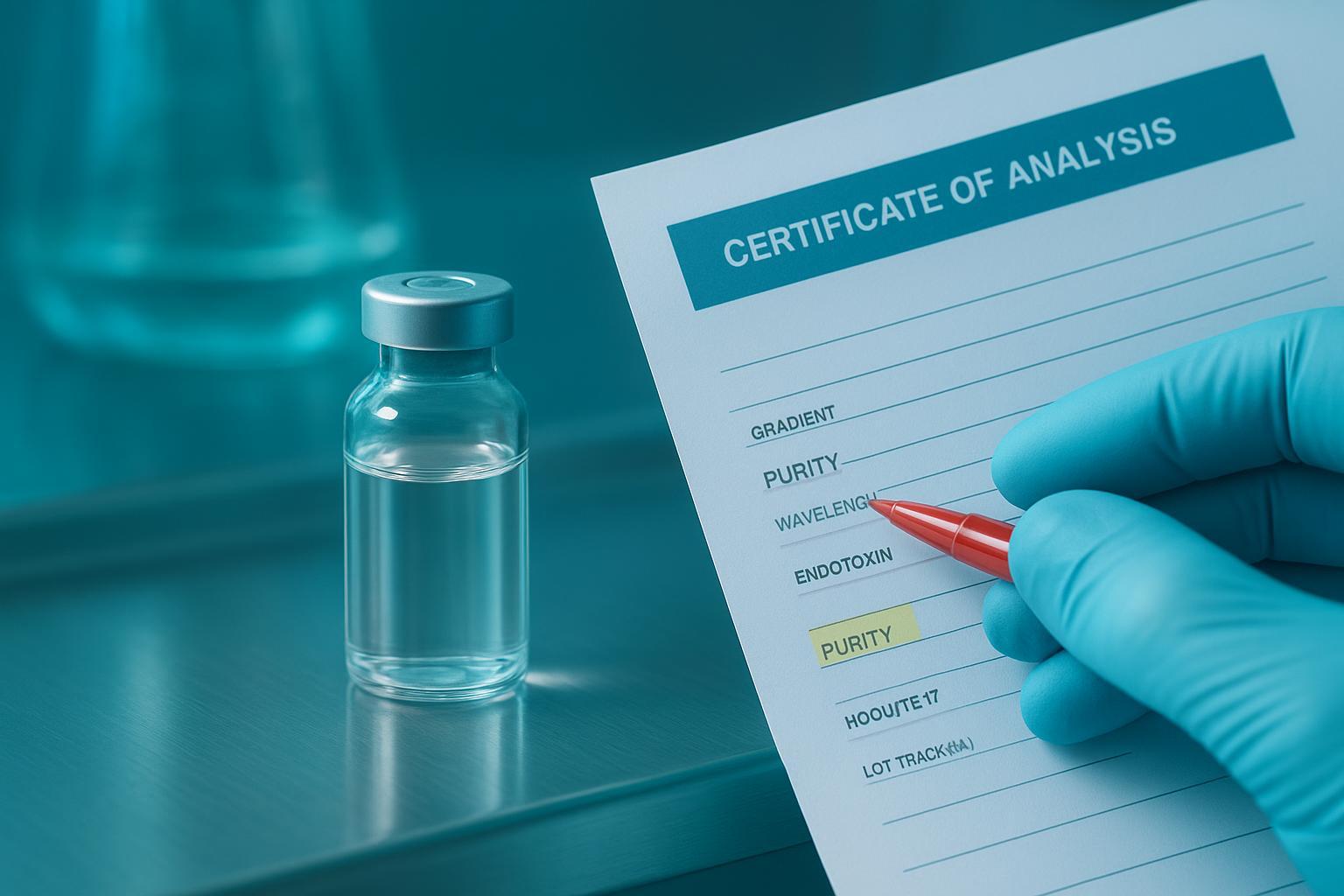
Yon pousantaj pite reponn egzakteman yon kesyon: konbyen nan sa detektè a te wè nan yon longèdonn te pik prensipal la. Li pa di w si molekil la se BPC-157, kijan li te fèt, ki kontreyon li pote, oswa ki lòt bagay ki nan flakon an. BPC-157 karakterizasyon se yon pwoblèm milti-aks, ak pite se aks ki pi fasil jwe.
Idantite se premye diferans. Tès laboratwa endepandan WIRED nan flakon peptide Yo Vann an Detay te jwenn ke pwodwi echantiyon yo "pa t 'gen ladan engredyan aktif yo sou etikèt yo., BPC-157 la, pou egzanp, pa te gen okenn BPC-157 nan li,” ak yon dezyèm seri analize pa Analytical Formulations pa t 'kapab idantifye pozitivman (WIRED, Septanm 2026). A 99% figi sou yon flakon ki pa gen okenn BPC-157 se pa yon siyal bon jan kalite. Li se yon mezi nan move bagay la.
Metòd transparans se dezyèm gap. Pite depann de metòd: echantiyon an menm ka chanje pa yon pwen pousantaj oswa plis ak chanjman nan kolòn, gradyan ak anviwònman deteksyon, Se konsa, yon figi san kondisyon HPLC deklare pa ka konpare atravè machann oswa lo (ChemVerify, 2026-06-14). Yon nimewo defann di kolòn nan, gradyan nan faz mobil ak longèdonn deteksyon an, souvan 214 nm. Pifò sètifika omite tout twa.
Twazyèm diferans lan se kontaminasyon. Pi gwo piblikasyon gri-mache kontwòl kontab pou dat te twouve sa 41.6% de echantiyon yo te echwe yon tolerans konpoze-dwòg referans ak 71.1% echwe yon referans ki pi sevè pou dwòg manifaktire, pandan apeprè 2.4% pa gen okenn nan peptide ki make ak 15% nan subset endotoxin-teste a te montre mezirab endotoxin bakteri (Finnrick, 2026). Tès endotoksin peptide se sèl fason pou wè dènye mòd echèk sa a; yon chromatogram pite pa janm pral.
⚠️ Avètisman: Odit Finnrick la rapòte kantite echantiyon li yo pa konsistan atravè seksyon yo, 6,441 nan yon sèl kote ak 6,285 nan yon lòt. Diferans lan poko rezoud, kidonk trete pousantaj yo kòm direksyon olye ke egzak.
Pite se yon sèl aks. Idantite, transparans metòd ak kontaminasyon se lòt yo, epi yon sèl nimewo pa ka pote yo.
Ki sa done yo aktyèlman montre sou karakterizasyon BPC-157
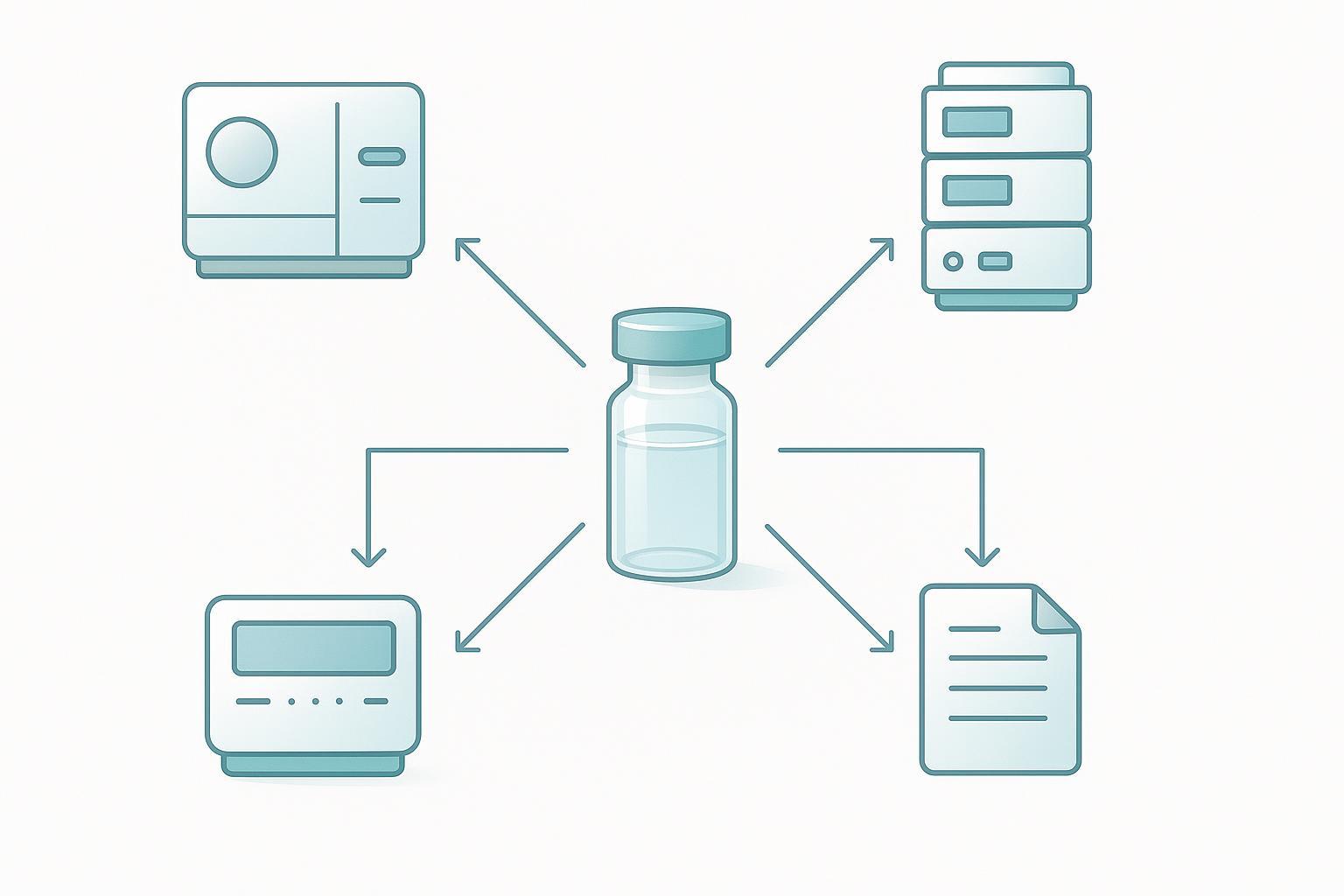
Reframed kont sa regilatè yo aktyèlman mande pou, BPC-157 karakterizasyon sispann se yon konkou pite epi li vin tounen yon pwoblèm konfimasyon. Gid EMA sou peptides sentetik, efikas jen 2026, espere "omwen de metòd ortogonal ... pou idantite" ak evalye pite atravè gwosè-, chaj- ak separasyon ki baze sou idrofobisite, epi li deklare klèman ke ICH Q3A pa aplike nan peptides sentetik. Konfimasyon ortogonal, pa yon nimewo tit, se kondisyon an.
Idantite tèt li se yon pil, pa yon sèl tès: mas entak plis pwoteksyon sekans peptide-kat, analiz asid amine pou konpozisyon, ak rezolisyon kwomatografik varyant sekans ki gen rapò sere, ak estrikti pi wo lòd tcheke pa dichroism sikilè ak DSC kote ki enpòtan, ki gen ladan eta oligomerik. Endotoxin swiv menm lojik la. La USP 〈85〉 endotoxin-limit fondasyon rekonèt twa metòd valide ki baze sou LAL, ak tipik sansiblite jèl-koaulo nan 0.03-0.25 EU/mL ak turbidimetric oswa chromogenic chenn nan 0.001-100 EU/mL, epi li fikse limit soti nan K/M, kote K se 5.0 EU/kg pou venn ak 0.2 Inyon Ewopeyen / kg pou pwodwi intrathecal.
|
Aks |
Kesyon li reponn |
Prèv ki reponn li |
Echèk li kenbe |
|---|---|---|---|
|
Idantite |
Èske sa a bon molekil?? |
Mas entak, kat peptide, analiz asid amine |
Variant sekans ak ranplasman |
|
Pite ak transparans metòd |
Konbyen peptide sib la? |
Separasyon òtogonal atravè gwosè, chaj, idrofobisite |
Yon nimewo sèl kache ko-elution enpurte |
|
Enpurte ak pwofil counterion |
Ki lòt bagay ki prezan? |
Tès ki gen rapò ak sibstans ak counterion |
Solvang rezidyèl yo, TFA, sekans twonke |
|
Sentèz peptide Endotoxin |
Èske li an sekirite pou wout la gen entansyon? |
Metòd LAL valide Peptid sentetik kont limit K/M |
Ekspozisyon andotoksin espesifik nan wout |
|
Dokimantasyon ak trasabilite |
Èske nenpòt nan sa yo ka odit? |
Sètifika analiz, detay metòd, dosye pakèt |
Reklamasyon ki pa ka repwodui |
Modèl senk-aks sa a se yon sentèz estanda pibliye yo, pa yon reklamasyon roman. Li tou senpleman òganize sa dokiman EMA ak USP deja mande nan kesyon yon achtè ta dwe poze anvan li aksepte yon figi pite..
Diferans syantifik yo se istwa reyèl la
Bouchon pou BPC-157 se pa plausibilite byolojik. Li se absans nan syans fòmilasyon debaz, farmakokinetik valide, ak esè efikasite imen kontwole, ki jan an 2026 Famasetik revizyon ankadreman jaden an (Mateescu et al., Famasetik 18(5):625, rekipere 2026-05-20). Menm revizyon an konte tout baz prèv imen pibliye kòm twa etid pilòt san kontwòl ak yon enskripsyon konbine anba. 30 matyè yo: yon seri doulè jenou nan 16 pasyan yo, nan ki moun 12 te resevwa entra-articular BPC-157 pou kont li; yon pilòt sistit entèrstisyèl nan 12 fanm; ak yon pilòt sekirite nan venn nan 2 granmoun ki an sante.
Sa ki manke a espesifik. Pa gen fòmilasyon ki valide nan klas pharmaceutique, pa gen okenn karakterizasyon pèmeyabilite fòmèl oswa klasifikasyon BCS, pa gen okenn etid ekssipyan-konpatibilite, solisyon ki pako rezoud ak estabilite depo, farmakokinetik imen pa karakterize, epi pa gen okenn metòd bioanalitik imen valide. Byodisponibilite oral se enkoni, farmakokinetik lar yo pa valide, lyezon pwoteyin plasma pa pibliye, epi volim distribisyon pa mezire.
Yon Faz ki anrejistre 2 owaza, doub-avèg, jijman andikape-souch ki kontwole plasebo (NCT07437547) sib 120 patisipan yo epi kounye a ap rekrite. Li pa te rapòte rezilta yo, kidonk li pa fini Faz 2 prèv.
Menm foto bibliyometrik la depann de fason ou konte. Yon rechèch retounen 227 BPC-157 piblikasyon ak 53 dosye ki gen rapò ak moun; yon lòt retounen 232 papye ak 54 moun-tagged (PeptideDeck, BPC-157 estatistik, 2026). Diferans lan se sijè ki abòde rechèch la, ki se egzakteman poukisa nenpòt ki kantite piblikasyon bezwen kòd rechèch li yo deklare.
Diferans sa yo se agiman pou disiplin karakterizasyon BPC-157: lè literati klinik la pa ka di w kisa yon preparasyon fè nan moun, dokiman an nan sa ki aktyèlman nan flakon an pote plis pwa, pa mwens. Pwodiksyon Peptid
Foto regilasyon an pa rezoud, Pa regle
Sèvis Jiyè a 2026 vòt konsiltatif chanje konvèsasyon an, pa lalwa. Sou 2026-07-23, Komite Konsiltatif Konsiltatif Famasi a te vote 8 an favè, 6 kont, avèk 1 abstansyon, rekòmande BPC-157 baz gratis ak acetate pou lis bulks Seksyon 503A., menm si materyèl brèf anplwaye FDA pwopoze rezilta opoze a, kòm McDermott Will & Emery li sou pwosesis bulks-list 503A la dosye. Kòm nan mwa septanm nan 2026, pa gen okenn aksyon final FDA ki te swiv, epi vòt la pou kont li pa fè BPC-157 legalman konpoze: yo toujou obligatwa pou plasman bulks-list plis avi-ak-kòmantè règ.
Distenksyon sa a enpòtan yon fason diferan pa moun ki gen enterè. Chèchè yo ta dwe trete nenpòt founisè ki vle di vòt la legalize BPC-157 kòm yon move reprezantasyon estati a. Ekip akizisyon ak QC ta dwe kenbe estanda dokiman rechèch peptides yo mare ak sa ki aktyèlman verifye jodi a., pa nan yon règ annatant. Founisè yo fè fas a menm diferans ant rekòmandasyon ak estati legal. Regilatè yo, pandan se tan, pa regle kesyon an ditou.
Pozisyon pwòp FDA a se blunter toujou. BPC-157 pa FDA apwouve pou okenn endikasyon, epi pa gen okenn dwòg fini apwouve ki genyen li. Paj sekirite-risk ajans lan mete BPC-157 pami sibstans dwòg esansyèl ki gen nominasyon yo te retire., ki deklare ke dwòg konpoze ki gen li yo ka poze risk iminojenisite pou sèten wout administrasyon epi yo ka gen konpleksite konsènan enpurte ki gen rapò ak peptide ak karakterizasyon API., e ke FDA te idantifye non, oswa sèlman limite, enfòmasyon ki gen rapò ak sekirite pou wout yo pwopoze nan administrasyon (FDA, kontni aktyèl 2026-04-22).
Kijan pou aplike sa a: Yon Lis Verifikasyon Karakterizasyon

Mande metòd la, pa nimewo a. Yon sèl demann sa a se fason ki pi rapid pou separe yon founisè ki konprann rechèch estanda dokiman peptides soti nan yon moun ki ap repete yon figi maketing, epi li koute ou yon sèl imel.
-
Mande CoA espesifik pou yon lot. Konfime a sètifika analiz pou rechèch peptides non nimewo lot la, laboratwa tès la, ak dat tès la. Yon dokiman ki omite nenpòt nan twa yo pa ka mare nan materyèl la devan ou.
-
Tcheke prèv idantite yo orthogonal. Yon sèl pik HPLC se yon teknik ki reponn yon kesyon. Idantite pi fò lè yon dezyèm, metòd endepandan dakò.
-
Mande paramèt metòd HPLC. Kolòn, gradyan, ak longèdonn deteksyon apatni akote valè pite a. San yo pa yo, pousantaj la pa repwodiktif.
-
Mande pou yon rezilta endotoxin nimerik ak inite ak tès. Tès endotoksin peptide ta dwe rapòte EU/mL pou yon solisyon nan yon konsantrasyon travay defini, oswa EU/mg lè nòmalize nan mas peptide, epi yo ta dwe dokimante yon kontwòl pwodwi pozitif ak rekiperasyon Spike (souvan te site akseptasyon alantou 50 pou 200%) plis yon dilusyon ki valab maksimòm defini, paske peptides ka anpeche oswa amelyore siyal LAL la (Gid tès endotoksin Assyro, rekipere 2026-09-14).
-
Konfime kontreyon oswa fòm sèl, imidite oswa kontni peptide nèt, ak trasabilite pakèt. TFA ak Boutik sèl acetate konpòte yon fason diferan, ak kontni peptide nèt chanje fason ou kalkile yon konsantrasyon k ap travay.
Yon opsyon pami plizyè: yon founisè ki opere yon Klas 100 sal pwòp ak HPLC nan kay la, MS, ak esterilite QC ka itilize pou rasanble yon pake karakterizasyon pakèt espesifik nan echèl miligram ak kilogram, ki sipòte yon demann dokiman olye ke ranplase li.
Mezire repons lan, pa pwomès la. Yon founisè ki reponn kesyon metòd yo ap di ou yon bagay; yon moun ki devye nan figi pite a ap di ou plis. Atann yon repons dokiman nan jou. Yon rezilta rechèch pran anpil tan.
Opozisyon: Ki kote agiman sa a pi fèb
Yon pake karakterizasyon solid toujou pa ka fè yon pa apwouve, peptide ki pa etidye san danje oswa efikas, ak pi bon dokiman se pa yon ranplasan pou prèv klinik. Pa gen anyen isit la chanje sa.
Fondasyon senk-aks la se yon sentèz estanda pibliye yo, pa yon sèl pwotokòl site. Gid EMA a se yon rezime segondè, ak sous la li menm di papòt pousantaj li yo ta dwe konfime kont tèks prensipal la. Konte echantiyon odit Finnrick pa konsistan ant rezime yo. Figi kwasans itilizatè nferans lan soti nan yon preprint, ak konte PubMed yo depann de demann.
View pite-premye a se defann yon lòt kote. Pou yon byen karakterize, peptide apwouve ak yon monografi valide, yon figi pite pote byen lwen plis pwa pase sa li fè isit la, paske idantite, pwofil enpurte, ak limit endotoxin yo te deja fiks pa monografi a.
Agiman an se ke BPC-157 karakterizasyon nesesè, pa ase.
Men, yon nimewo pite segondè pa toujou di m 'yon bagay?
Li fè sa, men se sèlman an konbinezon ak de lòt enfòmasyon: metòd la ki pwodui figi a ak prèv idantite ki konfime sa ki pik la aktyèlman te. A 99.8% rezilta HPLC yon sèl laboratwa a se pa menm reklamasyon ak yon 99.8% rezilta nan yon lòt, paske nimewo a depann de gradyan an, longèdonn deteksyon an, ak koub estanda dèyè li. San yo pa metòd la, figi a se yon mezi yon bagay, pa nesesèman nan BPC-157.
Si ou te deja achte flakon sou fòs nan yon figi pite, jete yo sou sipozisyon se pa opsyon a sèlman. Mande dokiman sou metòd ki kache nan men founisè a ak, kote materyèl la enpòtan nan travay ou, komisyon endepandan tès idantite ak endotoxin. Sa konvèti yon reklamasyon ki pa verifye nan yon reklamasyon dokimante, epi li koute byen lwen mwens pase rekòmanse yon etid.
Vòt PCAC la vo adrese dirèkteman, paske li souvan li kòm yon limyè vèt. Se te yon vòt konsiltatif, li te fann, ak anplwaye FDA rekòmande kont enklizyon. Pa gen okenn règ final ki te swiv. Diferans ki genyen ant yon rekòmandasyon komite ak yon estati legal se tout pwen an.
Sou andotoksin, objeksyon an se anjeneral ke li se twòp pou travay laboratwa. Si li depann de wout ak dòz la, ak limit ki aplike a se de varyab sa yo ki tabli olye ke pa anviwònman an. Rezon ki fè kesyon an vin poze nan tout se sa 15% nan subset la odit te montre endotoxin mezirab. Sa se pa yon rezon pou teste tout bagay aveuglesman; se yon rezon pou w konnen ki kesyon w ap reponn anvan w deside ou pa bezwen poze l. Konsènan
Konklizyon: Karakterizasyon ta dwe defini rechèch-klas BPC-157
Stenografi pite-premye a se yon konvansyon maketing, pa yon estanda analyse, epi karakterizasyon BPC-157 kòmanse kote stenografi sa a fini: konfimasyon idantite ortogonal, metòd-transparan pite, enpurte ak counterion profilage, rapò nimerik endotoxin, ak yon lot dokiman ke yon evalè ka verifye.
Chanjman agiman sa a mande deja vizib nan fason ekip akizisyon ki pi solid yo travay. They ask method questions before price questions. They treat a certificate of analysis for research peptides as a starting document rather than a closing one, and they expect suppliers to publish gradients, kolòn, and detection wavelengths instead of a single percentage. As that expectation spreads, research peptide documentation standards stop being a compliance afterthought and become the vocabulary of the buying conversation itself.
Picture the market that follows: a 99% figure with no stated gradient reads as an incomplete answer, not a selling point. That is a higher bar, and it is the one research-grade material deserves.
Pwochen etap la: Review our documentation requirements and request a specification sheet before your next qualification cycle.
Divilgasyon: MOL Chanjman pibliye kòm yon machann peptide, kidonk trete analiz sa a kòm yon sèl pèspektiv nan yon mache li patisipe nan.