Cur generica LIMS Aestimatio deficit Peptide QA
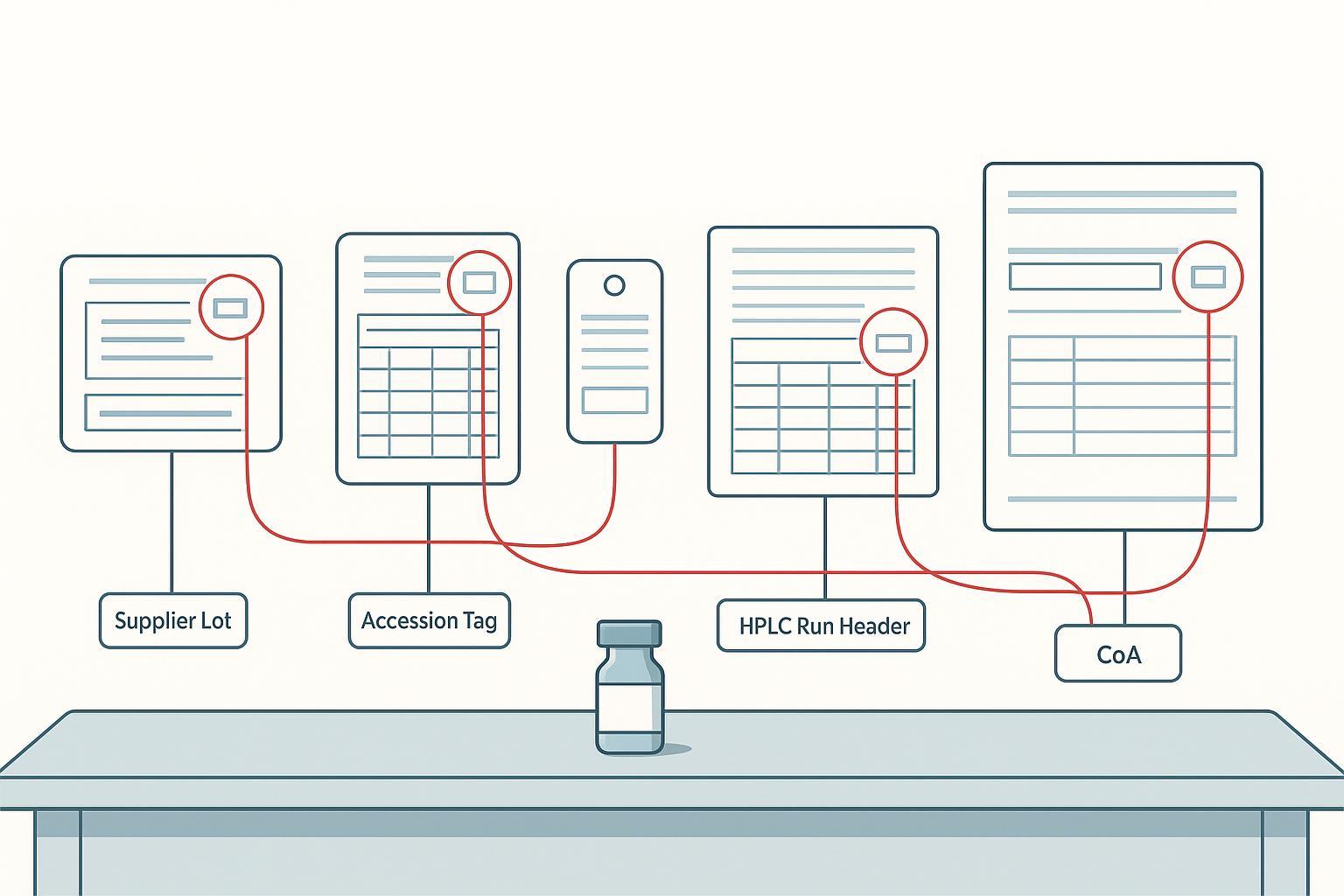
Peptide multum traceability conterit maculosus maxime labs possidebit ex generica LIMS duces. A peptide release panel non est unum test in uno sample. Massa identitatis spectrometriae spatiatur, reversed-tempus HPLC puritatem, counterion and trifluoroacetic acid content, endotoxin ab LAL primordium, et sterilitas, et quilibet illorum monumentorum fert identificatores qui prorsus concordare debent: elit multum, internus multum, accessio numerus, ordo mensam, chromatogram header, ac libellum analysis. Duces generales illius consensum nemo temptare.
Sunt etiam terminus ad malum prohibere. In usu, chromatographic data administratione scindit per duos systemata. CD moderatur instrumento, exsequitur ordinem, acquirit et integrat chromatogrammum, evaluates ad convenientiam ratio, et rudis file cuius est patria. LIMS habet registration, torquem custodiae, test assignment, batching, consequuntur aggregatio, speciem tenendo, renuntians, et dispositio record. LIMS fabricatorem impellit et probatos eventus recipit, quod handoff peptide aestimatio interrogare potius quam assumere.
Si vestri current maculosus ab generali LIMS dux, scriptum erat pro notitia exemplaris quod numquam sequentis tabulam cum chromatogram header conciliare debebat.
Quaestione 1: Potestne ratio Sequentiae et Lot Traceability finem ad finem?
Peptide multum traceability probatur, quando iidem identificantes apparent in serie tabula, procursu header et CoA, et ratio in una interrogatione catenam illam ambulare potest. In usu, hoc significat tres circulos agrorum congruere inter se potius quam in separatis modulis vivere.
|
Sequentia mensa |
Curre header |
Reference vexillum |
|---|---|---|
|
Sequentia et modificationes |
Data-file nomen et iter |
Latin nomen et multum |
|
Sample identifier |
Instrumentum ID |
Potentia seu puritas assignata |
|
Peptide Synthesis Modum nomen et versionem |
Exitus vel retest diem |
|
|
Acquisitio diei et temporis |
Link to the calibration curvae |
|
|
Officia Analyticum ID |
||
|
Loco phialam vel worklist |
Communes identificatores sunt specimen identifier et methodus versionis: conteram aut catena clausuris. Tracta hoc album tamquam medicus directionis ad tui ipsius demo scripto construendam, non quasi regulatory maculosus.
Tum facere venditor currere retro. Da eis numerum multum CoA et roga eos ut seriem recordum proferant, procursu, modum versio et analyst in una sententia, sine systema relinquens vel per manum query restituendae.
Quaestione 2: Quomodo LIMS palpate vinculum custodiae pro Aliquots et stabilitate Pulls?

Vinculum custodiae in LIMS scriptum est translationum et civitatum, non signature obstructionum. Receptio et quarentenam, per aliquotum split, omnis Frigidus / CALEFACTO eventu, unaquaeque stabilitas punctum trahere et ultimam dispositionem ingressum indigentia sua indicatione sua, adscribendum recordum. 21 CPR Part 11 requirit secure, computatrum-generati, tempus-signatae audit calles ut libere capere diem, et operante post omnem actionem creat, mutatum vel delet an electronic record. Eadem ordinatio tenet quod illa monumenta praesto sint inspectioni FDA, quod signum custodiae historicum sine manuali refectione occurrit.
Ad peptide multum, hoc modo CENSOR potest aperire unum visum et videre recepcionem, quarentenam emissio, tres aliquot scindit, duos status trahit et arbitrio ingressum, inter se portans indicatione, operante ac ratione.
Quaestione 3: Non est LIMS Control Rudis Chromatographic Data et Methodo Versiones?
Data chromatographica administratio ac methodus versionis imperium diiudicant utrum deliberatio resolutio annis posterioribus restitui possit. Scire debet LIMS uter modus versionis quemque exitum producat, et obstare debet renuntiationem effectus contra versionem superatam. Si non potest propono ligamen, batch record incompleta est utcumque emundare audit trahentium forma.
Terminus hic. Finis data ratio instrumenti habet potestatem, consecutio supplicium, adeptio, integration, ratio convenientia et rudis lima indigena. LIMS habet registration, custodia, test assignment, batching, consequuntur aggregatio, speciem tenendo, renuntiationes et dispositio record. Solus CDS non feret contextum sortitum; a LIMS solus non habebit signum crudum.
Map modum lifecycle ad agnita compage. I Q2(R2), de compositione analytica ratio convalidationis compage edita mense Martio 2024, tegit radicem analyticam usu spectroscopico datae, ac subsidiis iustificatum post-probationem mutationis procuratio. Nam instrumenta ipsae, USP 1058〉 instrumenti tabulae absolute ut idoneitatem ad usum intentum, officialis ut of * 1 Aug 2017.
In demo, a venditore ad modum retractari, deinde ostende quid eveniat eventibus iam nuntiatis sub versione priore.
Quaestione 4: Quomodo Out-of-specificationum investigationum fusi et servati?
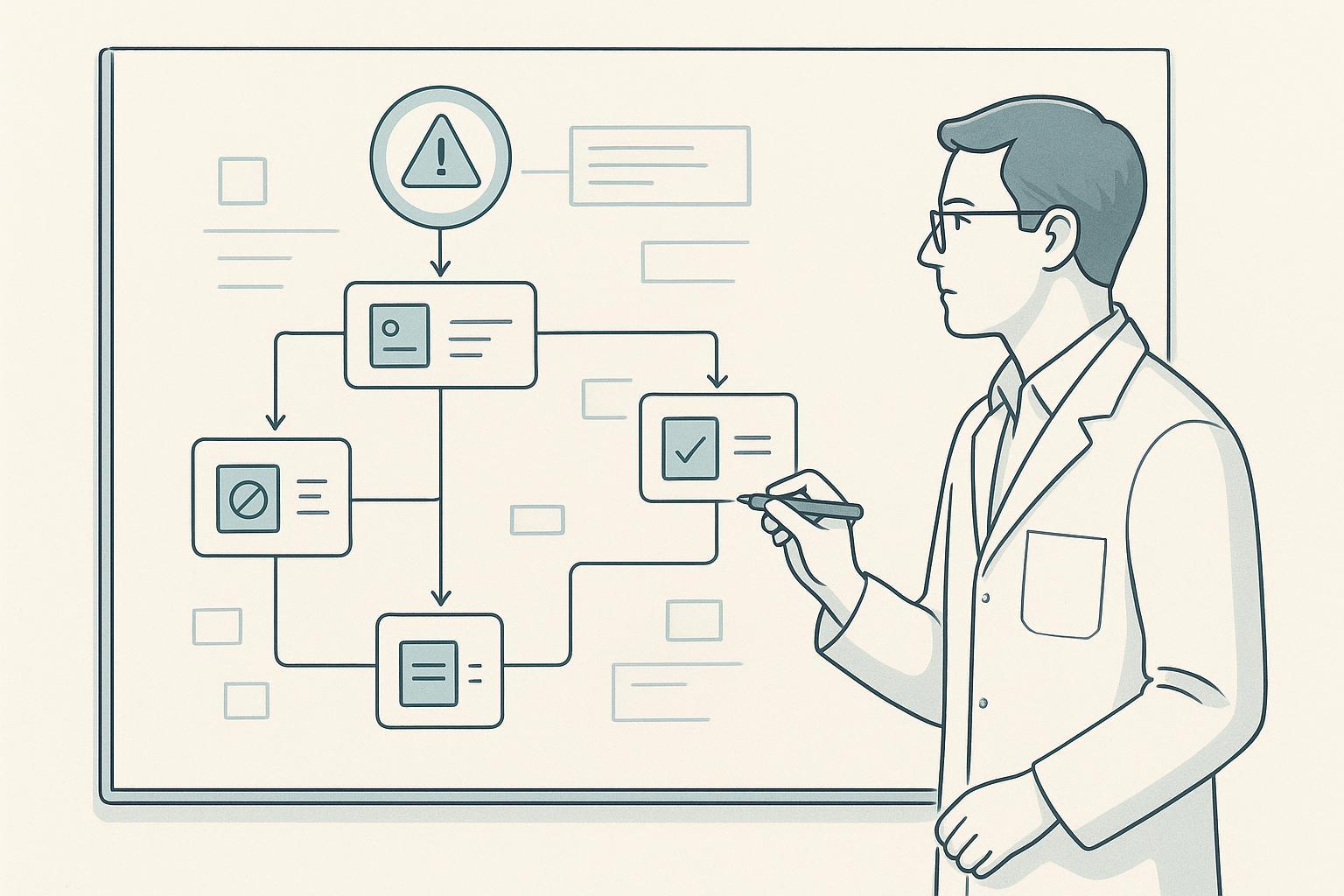
Investigatio extra-ex-specificationis in peptide QC lab est quaestio fusa et conservatio antequam sit exercitatio obsequii. Industria vexillum duos tempus usu, efficta a ductu FDA in investigatione testium eventus-of-specificationis, incipit cum Phase I inquisitio laboratorium: Lab suum laborem impedit pro assignabili causa antequam effectus tractatur ut producti deficiendi. Solum cum Phase nullam causam assignabilem laboratorium invenio, eventus escalate ad Phase II, ubi investigatio excedit officinam.
Rebus fusis minus quam superstite. Nam quis OOS eventu, recordum auditorem restituere posse debet includit eventum originale nuntiata cum specimen ID, methodo, instrument, currunt seriem, date and time, analyst, et batch vel multum context; et rudis notitia post eam, inter chromatograms, integrationes, weights, calculations, et ratio idoneitate et calibratiis records; et audit trahentium de omnibus additionibus, deletionem, modificatio, Reprocessing, et rursus integrationem, qui auctoritate singula quid; investigatione ipsum recordum, ad tempus assignationis, testimonio recensuit, conclusiones, CAPA, et dispositio; et plenam retest historiam ostendens quare retests permissa sunt, an initial effectus infirmatum est, et quod effectus est reportable (NCI Fredericus, Administrandi Out-of-Specification Test Results vel inopinatus Test Results, 2022).
A LIMS quae sola dispositio finalis reponit nullum ex hoc reficere potest. Quaeritur venditorem unum ambulare OOS eventu per systema finem usque ad finem, a primo nuntiata valorem ad reportable exitum.
Quaestione 5: Certificatorium Analysis Generatae Ex Proventus Probatis Tantum?
Certificatorium analyseos generationis munus moderatum est, non renuntiationes template. CoA ex probatis eventibus colligitur, et campi eius header cum sequenti tabula prorsus concordare debent, run header and reference standard records for that lot. Agri qui plurimum pondus portant, nomen productum sunt, lot number, COA date et probatio officinarum, quia illae quattuor sunt, quae emptorem primum impedit, et quid auditor contra massam recordum conciliat.
Quam ob rem emissio interclusio probatio in demo. Quaere venditorem ut multum CoA generaret quae adhuc habet investigationem apertam de-specificatione contra eam, vide quid ratio facit. A LIMS constructum pro peptide QA detrectat, vexilla, aut itineribus pro approbatione. A instrumentum usquam libellum reporting procer, et modo vidisti quomodo sors non conformis ad emptorem pervenit.
|
CoA header agri |
Fons recordum consentire debet cum |
|---|---|
|
Product nomen |
Sequentia mensa |
|
multus numerus |
Sequentia mensam ac currunt header |
|
COA date |
Approbatione recordum ad eventus dimissi |
|
Testis officinarum |
Currere header ac referat vexillum records |
Si venditor non potest ostendere quod pactum in demo, tractare CoA ut sine verificatione donec fi.
Quam defensionis testimonium catenae similis finis ad finem
A peptide defensibilis multum traceability catena est series manorum, et quilibet handoff indiget nomine recordo plus moderationis quam recordum honesti servat. Ite in demo a pittacia phiala per accessionem, analytica currere, modum version, analyst, review, dispositio, ac libellum analysis. In singulis gradibus, Quaeritur utra tabula ferat handoff et quid desinat ab eo editum esse. Vincula custodiae in LIMS tam valida est quam manus infima tenuissima, ita systema quod nominat recordum sed potestatem ostendit tibi formam non potest, non imperium.
MOL Mutationes eiusmodi handoff ridiculo sustinet, et servari potest methodus versionum et recensionum adnexarum sortis quae sunt.
Commune Erroribus in LIMS Electio pro Peptide QA

Frequentissimum defectum in eligendo LIMS pro peptide QA aestimat in pluma maculosa loco rogandi venditorem ut e tabula edat.. Checklists facilis ad sexaginta ac duris Synthetica Peptides falsificare, quod prorsus est cur superesse procurationem. Quinque infra errata sunt quae constant labs maxime, et unumquodque vile figmentum habet quod in proximo demo adhibere potes.
Accipiens demo in synthetica notitia. Venditores demo cum clean, praestructum sortes verae notitia exponit hiatus. Pete ut ab uno tuo CoA multum numero incipias et ad seriem recordum ambula, procursu, modum versionis et analyst qui signati. Si deambulatio erumpit usquam, invenisti te respondere.
Tractantes CD / LIMS terminus ad integrationem detail. Data est arbitrium dominii-. Quisquis rudis notitia chromatographica tenet trahentium computum moderatur, ita compone prius de connexionibus.
Modum transmittendi versioning liberum textum agri. Liber textus probare non potest utra methodus exitum habeat. Require historiam versionis quae unumquemque exitum ad modum revisionis in vigente tempore currens ligat.
posito CoA generation renuntiationes pluma. Est release imperium. Quaeritur quid systema facit cum investigationes specificae extraordinariae adhuc apertae sunt in momento quis libellum emittere conatur.
Non petendo quid acciderit patenti OOS remissionis. Haec est quaestio quae systema defendibilem separat a repositorio documento, et capit XXX seconds ad a.
How to Score the Answers and decide?
Quinque ustulo singulas quaestiones in tres axes, et ustulo venditoris mores, non pluma album. Primum: hoc demonstrant, recordum in systematis, aut tantum describere? A traceability ius ostensum vivet, cum ipsa multum ambulavit ex synthesi per release, valet plus quam slide. Secundus: fuit quod exportable? Rogare eos ut export audit trahentium, methodo-versio historiae, aut OOS record ut lima aperire potes. Si responsum vivit tantum intra eorum interface, non potes audire eam. tertia: hoc responsum superesse sequitur? Quaeritur quid fit cum stabilitas viverra per duos coniectores scinditur, aut cum methodo studium medium retractatur. Venditores qui sciunt statim respondere productum suum; concionatorum qui non offeram vocatus cum ingeniario.
Pro LIMS pro peptide QA, scoring criteria debet etiam sumptus et timeline sanationis, quia id est saepe elementum statuendi. Regulata LIMS sanatio relata ad roughly $15,000 to $80,000 ad sanationem solam, cum regulari implementations vulgo relatum est $150,000 to $500,000 et timelines of * 6 to 12 menses unius-site ac 18 to 36 menses multi-site (1LIMS, recepta 2026-08-10). Fac haec tantum indicativa: veniunt a venditore et consultatione opiniones quae late variant, cum nulla dicta methodo tradendae aut specimen, ut non ancoris vestri sententia. Utere ea ad contexendum budget conversationem, non eligere ratio.
|
Quaestione |
Demonstratum recordum |
Testimonium exportabile |
Supervixit sequitur |
|---|---|---|---|
|
1. Sequentia et multum traceability |
|||
|
2. Catena custodiae pro aliquots et stabilitate trahit |
|||
|
3. Rudis chromatographica notitia et methodus versiones |
|||
|
4. OOS inquisitio excitatio et conservatio De |
|||
|
5. CoA ex probatis eventibus tantum generantur |
Duo limitationes merentur in scoring. Instrument-vendor cincinno-in est realis: systema arcte constructum circa unum chromatographiam venditoris notae formatae potest alterum instrumentum facere lineam pretiosam quae postea navigatur. Donec adipiscing pretium est,. Historical peptide notitia movere ex systematis legatum, cum suis audit calles integrum, est consilium in se, et concionatorum raro illud upfront. Quaeritur et quaestiones ante signum, et ustulo responsa honeste.
Si mollis tristique relinquit cum duobus viable optiones, loqui de speciali QC peptide qui has systemata in lab regulari cucurrerit, non solum venditionesque fectum.
Frequenter Interrogata
Sola ratio notitia chromatographiae potest operire peptide QA traceability??
No. A chromatographia data ratio est ratio record ad acquisitionem, integration, et rudis in patria, sed registration, custodia, batching, speciem tenendo, et dispositio record sedent in LIMS. Fines ille res aestimationis tuae est, quia chromatographica notitia administrationis ac peptidis multum detegeabilitatis sunt duo vincula recordationis diversae, et solus unus ex eis terminatur in decisione emissio. Quaeritur a venditore ut ostendat ubi CDS recordum referatur per LIMS record, et quid ad illum referat, cum effectus reprocessed.
Quod si venditor non potest ostendere historiam methodi versionis in demo??
Tracta ut dubitatur emissio-obturans imperium, non roadmap item. Methodus versionis temperantiae est id quod permittit probare utra ratio exitum dimisit, ita demom quae incompleta demo est ostendere non potest, non scheduling quaestio. Petite modum vivendi in scribendo, comprehendo quomodo translatio recessit et quomodo eventus historici alligati sunt versioni quae illos generavit?, tum petere a reference lab quod est prorsus quod audiuerit. Si venditor non potest supplere vel, the out-of-specification investigations via inferior is unverifiable too.
Quantum sanatio peptide QC LIMS necessaria est??
Convalidatio scope ad records tui lab solvo on, et tabula instrumenti absolute ad USP -1058" idoneitatem ad usum intentum" potius quam ut separatum exercitium tractans.. In usu quod est convalidatur scope tegit registration, custodiam transfer, iudicium specificationem, et dispositio record, instrumentis pascentibus illa monumenta ad idoneos inserviunt. A LIMS pro peptide QA convalidari non debet ultra systema totum quod decisiones emissio pendent.
An ELN mutare aliqua ex his quinque quaestiones?
No. An ELN mutat ubi analyst scribit, non cuius custodiam, modum version, aut dispositio record. Si ELN est in ACERVUS, eaedem quinque quaestiones sunt, utra ratio illa monumenta teneat, et confirmes in demo quod unum est.
conclusio
Vos nunc opus aestimationem compage: quinque quaestiones pro LIMS pro peptide QA, uterque paribus cum certis recordum postulare ac postulatio specifica mittere. Sequence and lot traceability maps to the full analytical record set, quae pro more peptide sors currit ad fere sex ad octo nucleum documenta tegentem MS identitatis, RP-HPLC puritatem, counterion, endotoxin, sterilitas, et RELICTUM menstrua (Polypeptide QC specifications, undated). Catena custodiae tabularum aliquot et stabilimenta tignorum. Rudis chromatographica notitia et methodus versiones tabulae instrumenti exportationis et historiae versionis. OOS fudisset maps inquisitione. CoA generation maps ad probatos proventus portae.
Valor petendi hoc modo est ut sermonem moveat e indice cinematographico ad audit. A venditor dici traceability; tantum monumenta num tenet.
Proximum est industria parva. Peto repraesentativum CoA et analytica notitia sarcina, deinde quinque quaestiones currunt contra eam coram te secundo demo. Si responsa sint tenuis, rogamus loqui cum peptide QC specialist in quadrigis venditoris et easdem quinque interrogationes ad eas pone.
Disclosure: MOL Mutationes commercii in signis qualitatis peptide et LIMS aestimationem praxim habet.