korak 1: Triaža, katere sinteze so kritične za odločitev
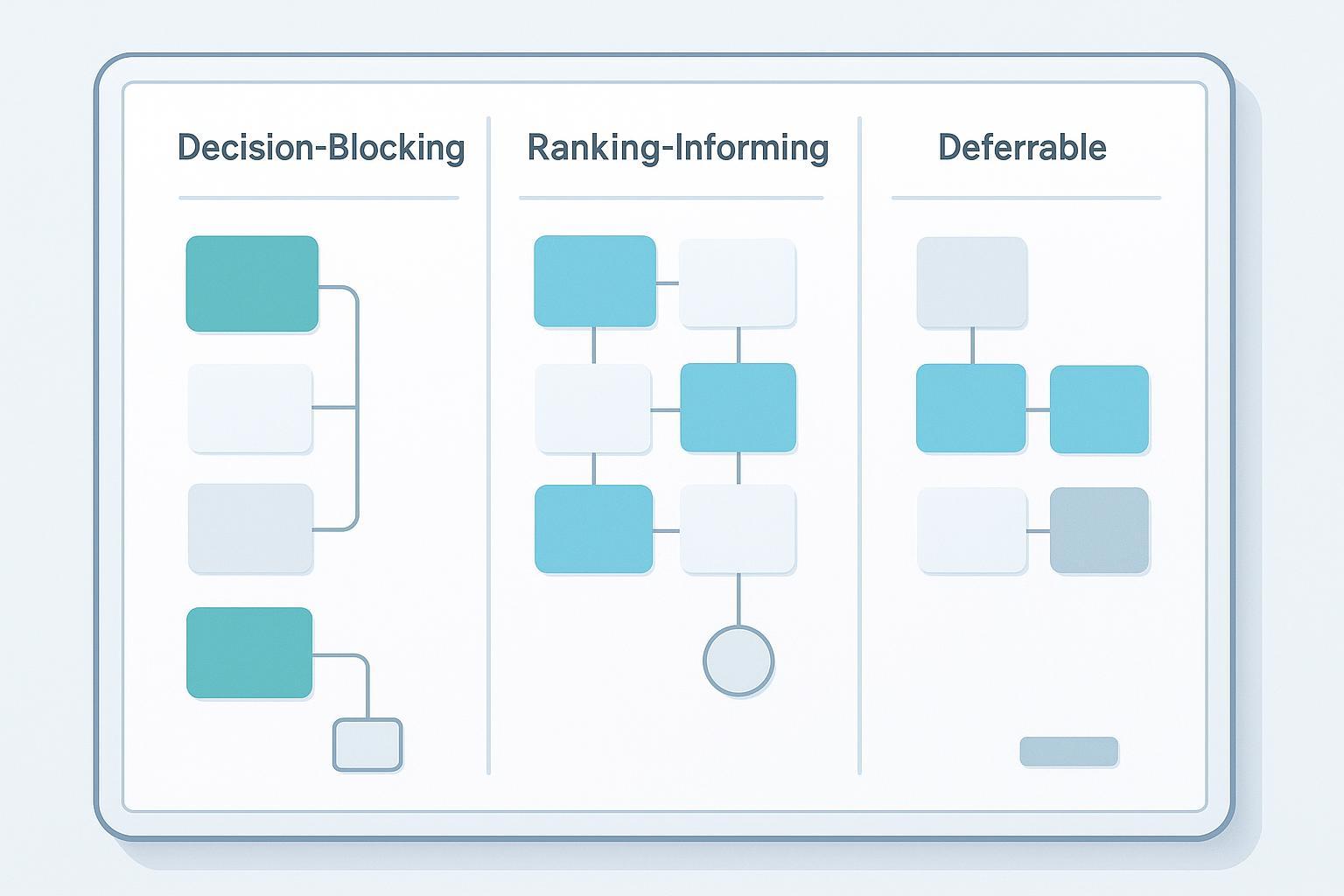
Pod zmanjšanim proračunom, vprašanje ni, katere peptide si lahko privoščite, temveč kateri peptidi spremenijo odločitev gre/ne gre. To preoblikovanje je tisto, kar loči program, ki ga je mogoče financirati, od programa, ki zastane: samo 17% prosilcev za štipendije za raziskave je prejelo nagrado v poslovnem letu 2025, najnižjo stopnjo v 30 leta (GrantedAI povzetek analize AAU, pridobljeno 2026-04-05). Uspeh preiskovalca v zgodnji fazi je padel 29.8% v FY2023 do 18.5% leta 2025 v istem obdobju. Ko en sam neuspeli razvojni korak stane $200,000 do $500,000 popraviti in odložiti program za tri do šest mesecev (PeptideStaff, pridobljeno 2026-09-10), vsaka reža za sintezo, ki jo financirate, si mora zaslužiti svoje mesto.

Triaža deluje tako, da vsako zahtevano zaporedje razvrsti glede na odločitev, ki jo hrani, ni v nasprotju z njenim znanstvenim interesom. Praktični načrt usmerjanja z omejenim proračunom omogoča sintezo na stopnji odkrivanja, čiščenje, in MS/HPLC karakterizacija na čelu čakalne vrste zunanjega izvajanja, z razvojem metode, presejanje formulacije, stabilnost, in izbrana bioanaliza, ki sledi na srednji stopnji (Vodnik za zunanje izvajanje PeptideStaff, pridobljeno 2026-09-04). To vrstni red uporabite kot privzeto in ga preglasite le, če je zaporedje resnično ključnega pomena za odločitev.
|
Vrsta zahteve za sintezo |
Odvisnost od odločitve |
Priporočena pot |
|---|---|---|
|
Ciljni validacijski peptid |
Blokira iti/ne iti |
Najprej sklad; standardne čistosti s sproščanjem MS/HPLC |
|
SAR analogni set |
Sporoča uvrstitev |
Sklad kot paket; pogajajte se o cenah po analogih |
|
Testni standard |
Sporoča uvrstitev |
Financirajte, če test doseže naslednji mejnik |
|
Strukturna sonda |
Lepo imeti |
Odloži, dokler odločitev ni odvisna od tega |
|
Kandidat za povečanje |
Blokira iti/ne iti |
Financirajte šele po zaključku analogne lestvice |
Način okvare je predvidljiv. Laboratorij, ki sintetizira vse na seznamu z enako prednostjo, porabi svoj zmanjšani proračun za peptide, ki nikoli ne pridejo v odločanje, potem ne more financirati ene same serije, ki bi uničila ali potrdila program. Klasičen primer je hidrofobno zaporedje s 30 ostanki, ki ne uspe agregirati na smoli: porabi režo za sintezo, čistilni tek, in tedne analitičnega časa, medtem ko za odločitvijo kritičen analogni niz čaka. Triaža ne pomeni delati manj znanosti. Gre za zagotavljanje, da je znanost, ki jo financirate, znanost, ki jo potrebuje vaša naslednja odločitev.
korak 2: Pravilna velikost paketa za karakterizacijo peptidov glede na mejnik
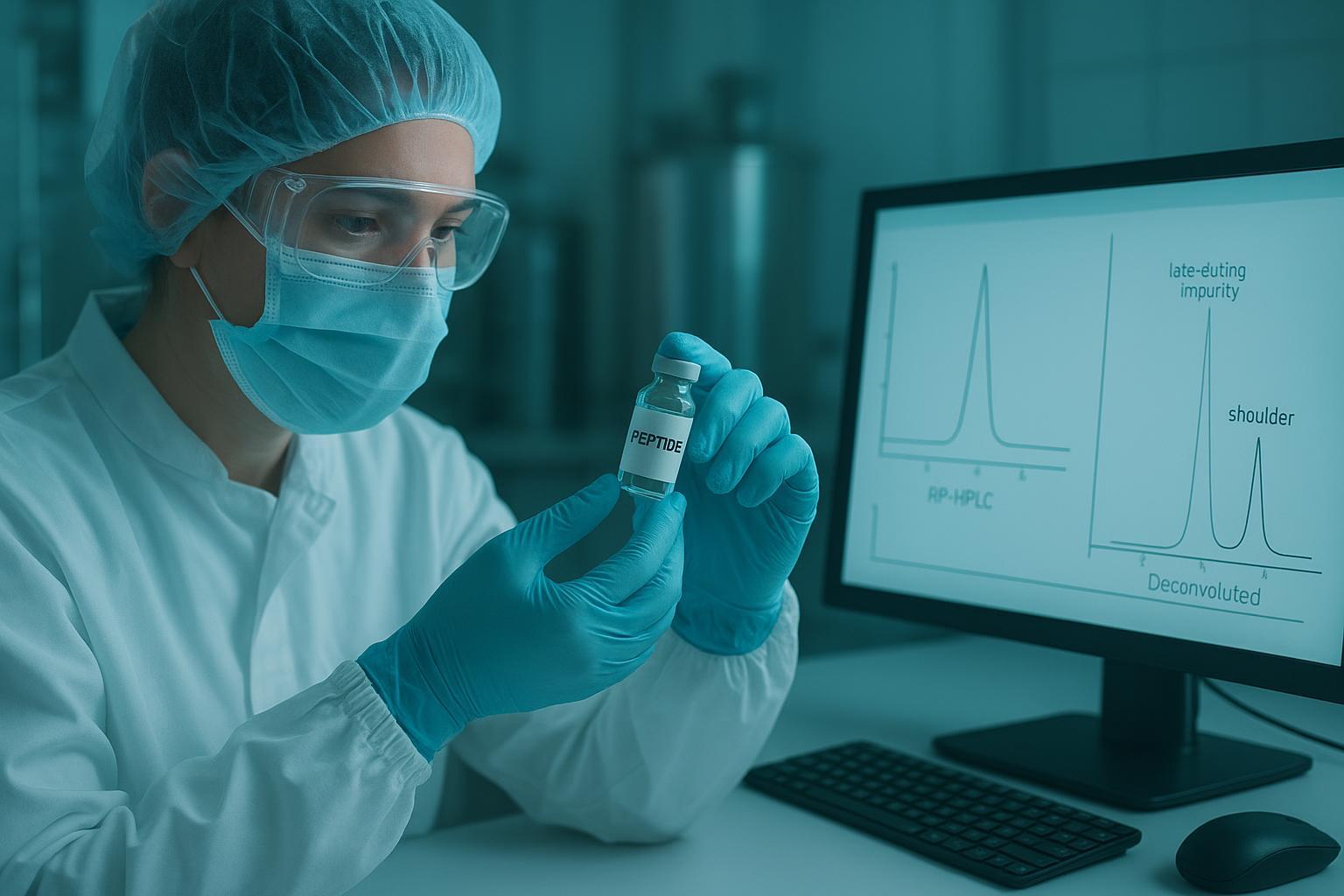
Paket značilnosti odgovarja na štiri vprašanja: identiteta, čistost, vsebino, in strukturno celovitost. Za popoln odgovor so potrebni vsaj štirje različni testi (Certik Labs, 2026). Uhajanje proračuna kupi vse štiri na polni globini ob vsakem mejniku.

HPLC z reverzno fazo na koloni C18, tek a 5%-60% acetonitrilni gradient v 0.1% TFA konec 20-40 minutah z UV detekcijo pri 214 nm, kvantificira na približno 0.05% LOQ in 0.01% natančnost poročanja. Še vedno pogreša UV-nevidne nečistoče, soeluirane delecije in D-izomeri, in absolutno vsebino. Čistost HPLC je potrebna, vendar ne zadostna (Certik Labs, 2026).
Množična potrditev zapolni del te vrzeli. Dekonvolucijska masa LC-MS se mora ujemati s teoretično monoizotopno maso znotraj ±0,1 Da, in sodobni instrumenti Orbitrap ali Q-TOF rutinsko držijo pod 5 ppm. Diagnostične mase si je vredno zapomniti: delecija Gly se pokaže pri -57,02 Da, Met oksidacija pri +16 in, aspartimida pri -18 Da (Certik Labs, 2026).
Vsebina je tista, kjer gravimetrični podatki zavajajo. Liofiliziran prašek običajno prenaša 5%-15% voda plus protiion pri 5%-20% skupne mase, zato tehtanje viale precenjuje vsebnost peptidov. Analiza aminokislin je zlati standard, in to je tisto, kar USP in Ph. Eur. sprejeti (Certik Labs, 2026).
|
Mejnik |
Najmanjši nabor testov |
Lahko se odloži |
Kriterij sprejemljivosti |
|---|---|---|---|
|
Pregledovanje |
RP-HPLC čistost, enotočkovni LC-MS |
Analiza aminokislin, ortogonalna čistost, protiion |
Masa znotraj ±0,1 Da; poročali o čistosti, brez specifikacije |
|
Zadetek do vodstva |
RP-HPLC, LC-MS, profil nečistoč |
Analiza aminokislin, popolna validacija metode |
Masa znotraj ±0,1 Da; nečistoče zgoraj 0.10% ugotovljeno |
|
Optimizacija potencialnih strank |
RP-HPLC, LC-MS, analiza aminokislin |
Popolna validacija ICH, delo s tveganjem imunogenosti |
Vsebina AAA; masa znotraj ±0,1 Da; določene nečistoče ≤0,5% |
|
Prevajalski / IND-omogoča |
Polni ortogonalni paket: RP-HPLC, LC-MS, AAA, protiion, kiralno, elementarno |
Noben |
Identificirane so vse s peptidi povezane nečistoče ≥0,10 %; 0.10%-0.5% pasu označen in utemeljen |
Storitve Regulativni pragovi v zadnji vrstici prihajajo iz FDA 2023 smernice o sintetičnih peptidnih zdravilih: nečistoče, povezane s peptidi, morajo biti identificirane pri ≥0,10 %, nove določene nečistoče morajo ostati ≤0,5 % zdravilne učinkovine, in karkoli v 0.10%-0.5% pas mora biti identificiran, značilno, in upravičeno, da ne vpliva na varnost, učinkovitost, ali imunogenost (FDA, 2023). To so zahteve za prijavo, ne omejitev metode, in teh dveh ne bi smeli zamenjevati, ko obsegate paket.
Vitka embalaža ne more določiti absolutne vsebnosti brez analize aminokislin, ne vidi UV nevidnih nečistoč, in ne more ločiti ko-eluiranih delecij od D-izomerov samo na HPLC. To povejte v načrtu, namesto da ga odkrijete pri vložitvi.
Način okvare je predvidljiv: plačilo za popolno ortogonalno karakterizacijo na presejalnih serijah, ki bodo vseeno ponovno sintetizirane, potem primanjkuje proračuna za ortogonalno potrditev, ki jo serija, ki omogoča IND, dejansko zahteva.
korak 3: Uskladite model sodelovanja s svojimi odločitvenimi točkami
Izberite model vključevanja, ki se ujema s tem, kje padejo vaše odločitve za iti/ne iti, ne tisti z najnižjo navedeno ceno na enoto. Tri običajne strukture se v letu financiranja obnašajo zelo različno, in neskladje je tisto, kar črpa omejen proračun.
Vredno je poimenovati obseg tega, čemur se izogibate. Gradnja zmogljivosti za peptide v podjetju nosi kapitalske stroške v višini 5 do 50 milijonov USD, z razčlenjenim skupnim kapitalom od 4,2 do 31 milijonov dolarjev in letnimi operativnimi stroški od 2,7 do 9,5 milijona dolarjev za 10-30 osebje, glede na PeptideStaffova analiza stroškov in koristi zunanjega izvajanja peptidov v primerjavi z lastno proizvodnjo. Zunanje izvajanje istega dela prihrani 60%-75% tega kapitala, z notranjo gradnjo, ki znaša 5–15 milijonov USD, po vodniku za zunanje izvajanje peptidov biotehnoloških zagonskih podjetij PeptideStaff. Isti vir ugotavlja, da je prag rentabilnosti blizu 5 kg na leto, in da skupine, ki proizvajajo pod 50 kg običajno porabijo letno 40%-60% več na gram doma.
|
Dimenzija |
Plačilo za storitev |
Blok v slogu FTE |
Hibrid |
|---|---|---|---|
|
Obzorje zavezanosti |
Na projekt ali na parcelo |
Rezervirana kapaciteta za določen čas |
Osnovni blok in projektni dodatki |
|
Oblika denarnega toka |
Konice na vsaki točki odločitve |
Sinteza peptidov Mesečno žrebanje ravni |
Osnovna linija plus spremenljivi skoki |
|
Obnašanje vrstnega reda sprememb |
Ponovno citiran, ko se obseg premakne |
Absorbira se v bloku |
Mešano: blok absorbira, ponovna ponudba dodatkov |
|
IP in obdelava podatkov |
Določeno na izjavo o delu |
Enkrat pogajanja za termin |
Razdeli po delovnem toku |
|
Najprimernejša kadenca odločanja |
Četrtletno ali počasneje |
Neprekinjeno, programi velikega obsega |
Predvidljivo jedro s periodičnimi sunki |
Nobena struktura ni splošno boljša, in oboje nosi resnično omejitev. Nizko sodelovanje s plačilom za storitev ne more absorbirati širitve obsega na sredini programa brez ponovne ponudbe, ki lahko zaustavi delo ravno v nepravem trenutku. Blok v slogu FTE lahko porabi proračun za nedejavno zmogljivost, če vaš notranji cevovod zastane.
Način okvare je specifičen in pogost: podpis bloka v slogu FTE za zajem nižje efektivne stopnje, potem je odkrivanje točk odločitve programa četrtletno. Rezervirana zmogljivost je neizkoriščena v prostorih, ki so pomembni, in plačali ste za razpoložljivost, ki je niste nikoli porabili. Če se vaše odločitve združujejo ob mejnikih, namesto da tečejo neprekinjeno, običajno bolje ustreza plačilo za storitev ali hibrid z majhnim jedrnim blokom. Če izvajate vzporedne programe z enakomerno analitično zmogljivostjo, rezervirani blok zasluži svojo premijo.
korak 4: Pripravite delovni načrt proti nestanovitnosti financiranja
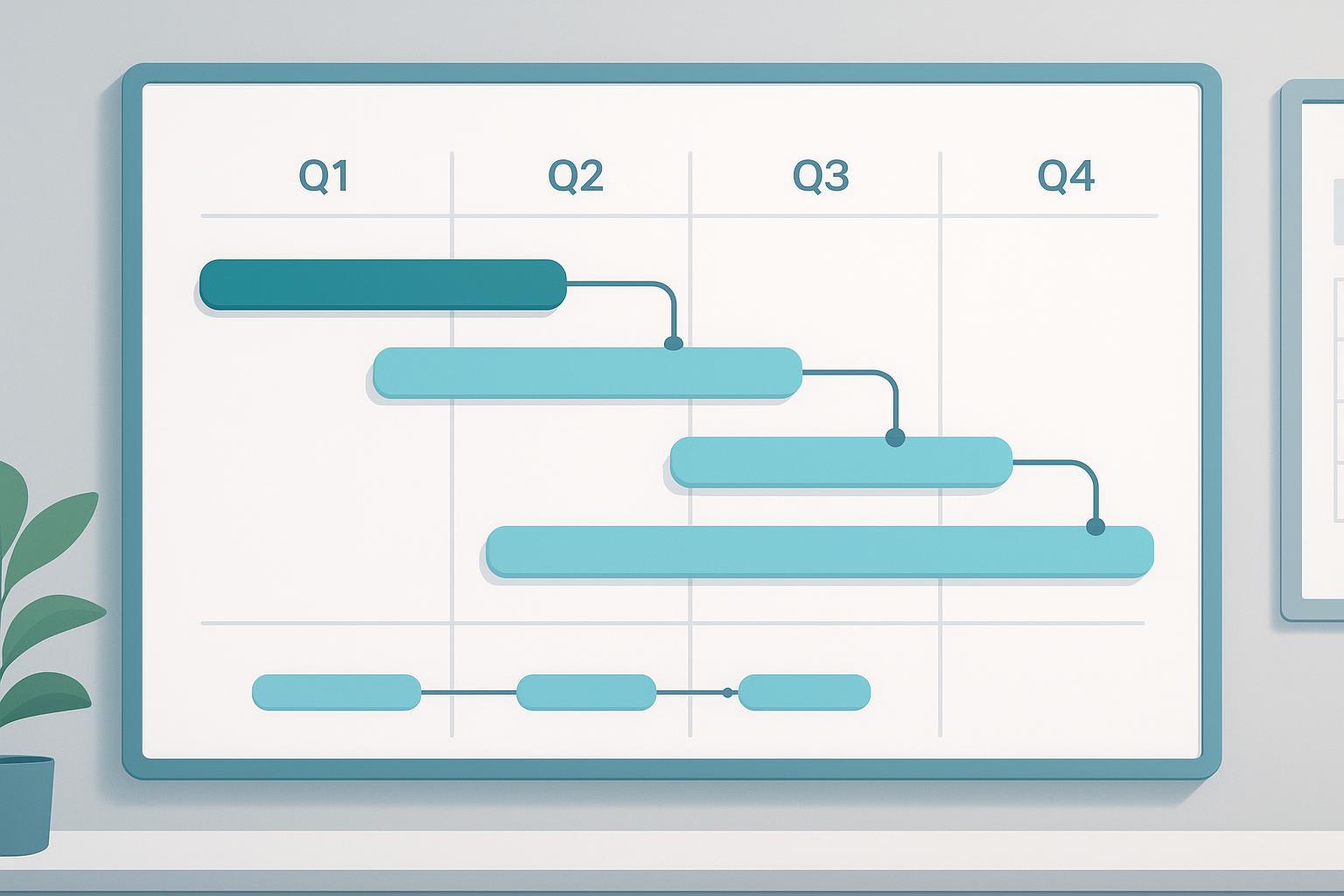
Delovni načrt, izdelan za stabilen proračun, se prekine v skladu z nadaljnjo resolucijo. Odobritev proračunskega leta 2026, ki je ohranila financiranje NIH blizu ravni prejšnjega leta, je raven programa določila na $47.493 milijarde, približno $458 milijon ali približno 1.0% nad PL2025, in je bil sprejet prek P.L. 119-75 na 2026-02-03 po zahtevi uprave $27.9 milijarde, kos približno 40% (Predstavitev zakona CASRAI). Isti statut prepoveduje 15% fiksna zgornja meja posrednih stroškov, tako da je uprizorjena figura tla, ki se lahko znova premaknejo, ne pa ustaljena številka.
Motnja ni hipotetična. Ista raziskava STAT News in anketne skupine MassINC 989 To so ugotovili raziskovalci, ki jih financira NIH 43% je odpovedal načrtovane raziskovalne projekte, 45% je imel začetek dotacije odložen, in 22% je preklical ponudbe študentom, osebje, ali postdocs (STAT Novice).
Razporedite delo tako, da se vsaka obveznost konča na točki odločitve, na kateri se lahko ustavite. Najprej sinteza zaporedja, nato karakterizacija, nato tox in CMC, in postavite a Trgovina četrtletna vrata med vsakim blokom. Če dotacija začne spodrslja, ustavite se pri vratih s končnimi podatki v roki namesto nepreklicne kampanje v letu.
Dodatno računovodstvo spremeni način zaračunavanja posla CRO. V skladu z izvajanjem revidiranih enotnih smernic NIH, spremenjeni skupni neposredni stroški vključujejo do prvega $50,000 vsake pododdaje, velja za nagrade, izdane oktobra ali pozneje 1, 2024, in podnagrade v fiksnem znesku zgoraj $500,000 zahtevajo predhodno odobritev (NIH Notice NOT-OD-25-059). Strategija zunanjega izvajanja sinteze peptidov, ki razdeli delo na več podnaročil, zato povrne posredne stroške drugače kot ena sama konsolidirana pogodba, kar je vredno modeliranja, preden podpišete.
Način neuspeha je zavezanost k kampanji GMP ali celotnemu toksikološkemu paketu, ki omogoča IND, ob predpostavki, da nagrada naslednje leto prispe pravočasno. Ko je začetek odložen, akcija že poteka in denar je že porabljen.
korak 5: Preverite kakovost in dokumentacijo, preden se zavežete
Pred prvim naročilom preverite okvir kakovosti in standard dokumentacije, ne po prihodu prve serije. Ponovna izvedba sinteze za zapolnitev vrzeli v dokumentaciji stane približno toliko, kot je stala prvotna sinteza (sporočili podatke o stroških na napako CRO), zato je najcenejša točka za lovljenje vrzeli stopnja kvalifikacije prodajalca.
Za revizijo ni enotnega pravilnika, specifičnega za peptide. Delo s peptidi ureja niz standardov sistema kakovosti in analitičnih standardov: I Q7, Jaz Q6B, Q2, in serija Q3, plus pričakovanja FDA cGMP/GLP in, kjer so vključeni preskusni laboratoriji, ISO/IEC 17025 in ISO 9001. Klasifikacija čistih prostorov sledi ISO 14644.
Ko določite obseg paketa, je pomembna ena izključitev. Peptidna zdravila so izrecno izključena iz kvalifikacijskih smernic ICH Q3A/Q3B glede nečistoč, zato se peptidni projekti bolj opirajo na Q6B, kompendialne metode, in utemeljitev posameznega izdelka (pregled kvalifikacije peptidne nečistoče). Vprašajte bodočega partnerja, kako rešuje to vrzel, ker vam odgovor pove, ali so zgradili ubranljiv pristop ali si ga izposodijo od majhnih molekul.
Pred dodelitvijo proračuna zahtevajte teh pet dokumentov:
Potrdilo o analizi z referenco metode za vsako sporočeno vrednostjo
Neobdelani kromatogrami in spektri, ne zbirne tabele
Poročilo o analizi aminokislin, kjer je pomembna vsebnost peptidov
Določanje vsebnosti protiionov in vode
Certifikati sistema kakovosti, pomembni za delo (ISO/IEC 17025, ISO 9001, cGMP, kot je primerno)
Vrstica poročanja za obrambni dosje je višja od ene same številke čistosti. Identifikacija nečistoč do 0.1%, RP-HPLC plus LC-MS profiliranje čistosti, in dve ortogonalni metodi sta standardna pričakovanja FDA in EMA, s celotno dokumentacijo neobdelanih podatkov za sabo (kontrolni seznam za poročanje o karakterizaciji peptidov).
Način napake sprejema število čistosti brez metode, ki stoji za njim. Veliko poročali na 98% iz enega kanala HPLC, brez ortogonalne potrditve in brez identifikacije nečistoč spodaj 0.5%, lahko prestane notranji pregled in kljub temu ne uspe regulativnega, ker številke ni mogoče rekonstruirati iz osnovnih podatkov. Ko ocenjujete paket karakterizacije peptidov, obravnavajte neobdelane podatke kot rezultat, tabelo s povzetkom pa kot udobje. O tem
korak 6: Zgradite model proračuna in nastavite kadenco pregleda

Zgradite model iz razponov načrtovanja, ne iz enega samega citata, in ga vsako četrtletje ponovno preverite glede na dejanske vrednosti. Razponi so dovolj široki, da je točkovna ocena ugibanje s številko.
Tabela stroškov vodnika za načrtovanje prodajalca postavlja sintezo v obsegu odkritja na 5K-50K$ na peptid (PeptideStaff, pridobljeno 2026-09-04), razvoj analitične metode po ceni od 50 do 200 tisoč dolarjev na nabor metod (isti vodnik), razvoj formulacij po ceni od 150.000 do 500.000 $ na program, in GMP proizvodnjo pri 200.000 do 1 milijonu USD na akcijo. Toksikologija dodaja GLP 28-dnevno zastrupitev s podganami pri 150.000 do 300.000 $ in celoten paket za omogočanje IND pri 800.000 do 2 milijona $+ (PeptideStaff, pridobljeno 2026-05-26). Obravnavajte jih kot tabele za načrtovanje prodajalca in ne kot revidirane tržne cene; sama toksikološka stran svoje številke označuje kot grobe ocene.
Način neuspeha je proračun iz ene ponudbe in absorpcija 3-4-kratne prekoračitve, ko se program premakne iz sinteze na ravni odkritja v razvoj metod in toksikologijo brez ponovne napovedi.
Pogoste napake, ki se jim je treba izogibati
Najdražje napake pri zunanjem izvajanju peptidov niso tehnične okvare. Preverjajo obseg in zaporedje napak, ki porabijo proračun, preden pride točka odločitve, in njihovi stroški se merijo v neuspelih korakih in zapoznelih programih in ne v ceni na enoto.
Obravnavanje vsake zahteve za sintezo kot enako nujne. Čakalne vrste nastajajo, ker stopnjujejo vsi naenkrat. Zahteve razvrstite glede na odločitev, ki jo vsaka odblokira, ostalo pa naj počaka en cikel.
Nakup popolne ortogonalne karakterizacije pri presejanju. Pregled zahteva identiteto in grobo čistost, nič več. Rezervirajte ortogonalne metode za sklope, ki bodo vključeni v študijo.
Izbira modela sodelovanja glede na ceno na enoto in ne na kadenco odločanja. Cenejša stopnja na ostanek, ki ne more začasno zaustaviti sredi oglaševalske akcije, stane več kot prilagodljiv model sodelovanja CRO, ki ima višjo ceno na korak.
Zavezanost oglaševalski akciji, ki je ni mogoče zaustaviti. Volatilnost financiranja je norma, ni izjema. Če delovni načrt nima ustavitvene točke, odložena dodelitev sega v celotno zavezo.
Sprejemanje vrednosti čistosti brez metode, ki stoji za tem. Številke brez njene kromatografske metode in neobdelanih podatkov kasneje ni mogoče braniti, ponovna analiza pa stane več kot če bi jo zahtevali vnaprej.
Rezultati: Kako izgleda dobro zastavljen načrt
Če načrt deluje, vsak sklop sinteze v letu se preslika na imenovano odločitev, vsak karakterizacijski paket ustreza svojemu mejniku, in naslednjo obveznost je mogoče začasno ustaviti, ne da bi delo nasedlo. Ti trije pogoji so preverljivi, kar je tisto, kar ločuje načrt z obsegom od upajočega.
Merljivi signali so enostavni. Večina vaše porabe za sintezo bi morala temeljiti na dokumentirani odločitvi o idi/ne go in ne kopičiti kot inventar. Vsaka serija, ki se usmerja k regulativnemu mejniku ali mejniku formulacije, mora imeti ortogonalno potrditev, niti ene HPLC sledi. In denar, dodeljen proti naslednjim četrtletnim izhodom, bi moral pustiti dovolj nezavezanega, da bi absorbiral zamudo.
Razumno raztegljiv cilj je razširiti isto disciplino triaže in obsega na analitično in formulacijsko delo. Raziskava o stopnjah zunanjega izvajanja, ki jo je pripisal prodajalec, poroča, da so peptidne biotehnologije zunanje izvajalce približno 65% analitičnega dela in 55% razvoja formulacije v 2025, od približno 45% in 40% v 2022 (Tržna opomba PeptideStaff, pridobljeno 2026-08-14). Ista opomba predvideva rast trga CRO peptidov s 4,8 milijarde USD v 2025 na 5,5 milijarde dolarjev 2026 in 9,1 milijarde dolarjev 2030, a 14% CAGR, pri čemer se analitične storitve najhitreje širijo na približno 19% letno (PeptideStaff, pridobljeno 2026-08-14). Obe številki obravnavajte kot ocene, ki jih je pripisal prodajalec, in ne neodvisne meritve.
Jasno navedite meje. Vitki karakterizacijski paket ne more določiti absolutne vsebnosti brez analize aminokislin, ne more zaznati UV nevidnih nečistoč, in ne morejo ločiti soeluiranih delecij ali D-izomerov samo na HPLC.
Pogosto zastavljena vprašanja
Koliko omejenega proračuna za peptide naj gre za sintezo v primerjavi s karakterizacijo?
Fiksne delitve ni. Dodelitev sledi mejniku, ne odstotno pravilo. Zgodnje odkrivanje se običajno nagiba k obsegu sinteze, ker potrebujete material za testiranje. Ko se program premika proti nominaciji kandidata ali paketu, ki omogoča IND, karakterizacija prevzame večji delež, od identifikacije nečistoč do 0.1% z RP-HPLC plus LC-MS in dvema ortogonalnima metodama je standardno pričakovanje. Najprej triaža: katere sinteze dejansko hranijo odločitev v tem četrtletju? Financirajte jih v celoti, vključno z njihovo karakterizacijo, namesto da razpršite majhen proračun na vsako zaporedje na seznamu.
Ali lahko nekaj dela s peptidi obdržimo doma, da prihranimo denar?
Samo v količinah, ki jih večina akademskih in začetnih skupin nikoli ne doseže. Lastna proizvodnja peptidov nosi kapitalske stroške od približno 5 do 50 milijonov USD in letne operativne stroške od 2,7 do 9,5 milijona USD. Zunanje izvajanje je običajno cenejše pod približno 1 kg na leto, oba pristopa se skorajda zlomita 5 kg na leto, in v hiši le zmaga nad približno 50 kg na leto. Podjetja, ki proizvajajo pod 50 kg na leto običajno porabijo 40% do 60% več na gram doma. Za omejen raziskovalni proračun, da matematika redko daje prednost izgradnji notranjih zmogljivosti.
Kaj naj storimo, če serija sinteze ne uspe ali je začetek odobritve odložen?
Oboje obravnavajte kot načrtovane točke premora in ne kot krize. Neuspešen korak sinteze lahko stane $200,000 do $500,000 in odložite program za 3 do 6 mesecih, in 45% anketiranih raziskovalcev je poročalo o zamudi pri začetku podpore. V načrt vključite nepredvidene dogodke: vnaprej določite, katere sinteze so dovolj kritične za odločitev, da jih lahko ponovite takoj in katere lahko počakajo, in imejte majhno rezervo za predelavo. Številke, ki jih poročajo prodajalci, kažejo, da lahko peptidni CRO skrajšajo razvojne časovnice za 30% do 50% skozi ustaljene procese, ampak to je trditev prodajalca, ni strokovno pregledano merilo, zato ga uporabite kot usmerjevalni kontekst in ne kot predpostavko načrtovanja.
Kako primerjamo plačilo za storitev s poslom v slogu FTE?
Kot merilo uporabite kadenco odločanja. Plačilo za storitev je diskretno, natančno definirane serije, kjer poznate zaporedje, lestvica, in merila sprejemljivosti vnaprej. Udejstvovanje v slogu FTE ustreza programom s pogostimi, nepredvidljive odločitvene točke, ker ohranja ekipo na voljo brez vsakokratnega ponovnega obsega. Vsak model ima resnično omejitev: plačilo za storitev lahko pri vsakem naročilu spremembe doda čas obtoka, medtem ko zaposlitve v slogu FTE zavezujejo proračun, ne glede na to, ali je delo v tistem mesecu ključnega pomena za odločanje ali ne. Povežite model s tem, kako pogosto vaš program dejansko spreminja smer.
Ali je vitkostni karakterizacijski paket upravičen pri regulativnem pregledu?
Lahko je, če še vsebuje najnujnejše. Identifikacija nečistoč do 0.1%, RP-HPLC plus LC-MS, dve ortogonalni metodi, FDA in EMA standardno pričakujeta popolna dokumentacija neobdelanih podatkov. Upoštevajte, da so peptidi izključeni iz ICH Q3A in Q3B, torej veljavne mejne vrednosti Sintetični peptidi prihajajo iz FDA 2023 napotki namesto teh okvirov nečistoč. Česar lean paket ne more storiti, je zahtevati kritje, ki ga ni opravil: če preskočite ortogonalno metodo ali skrajšate neobdelane podatke, vrzel je vidna pri pregledu. Obseg namerno znižajte, dokumentirajte, kaj ste vodili, in navedite meje.
Zaključek
Šest praks izvaja omejeni peptidni program skozi vse leto: triaža, katere sinteze so odločilno kritične, prilagodite velikost paketa karakterizacije peptidov glede na mejnik, uskladite model sodelovanja z vašimi odločitvenimi točkami, pripravite delovni načrt proti nestanovitnosti financiranja, preverite kakovost in dokumentacijo pred prevzemom, in sestavite proračunski model s priloženo kadenco pregleda. Skupaj ohranjata eksperimentalni zagon, ko je denarja malo, ker se zaporedja, ki so pomembna, nadaljujejo in tistim, ki lahko čakajo, je dovoljeno čakati.
Naslednji korak je pogovor o obsegu, ni naročilnica. Zahtevajte pregled obsega karakterizacije ali se pogovorite s tehničnim strokovnjakom o uprizarjanju delovnega načrta glede na vaše četrtletne omejitve odločanja, tako se paket, ki se mu zavežete, ujema z odločitvami, ki jih dejansko morate sprejeti v tem ciklu.
Opomba: Vsi tukaj obravnavani peptidi in analitske storitve so namenjeni samo za raziskovalno uporabo in niso za uporabo pri ljudeh ali veterinarjih.
Razkritje: ta članek je napisan za splošno raziskovalno občinstvo; avtor nima komercialnega interesa za nobenega določenega imenovanega ali implicitnega dobavitelja. Proizvodnja peptidov