Γιατί μια γενική αξιολόγηση LIMS αποτυγχάνει το πεπτιδικό QA
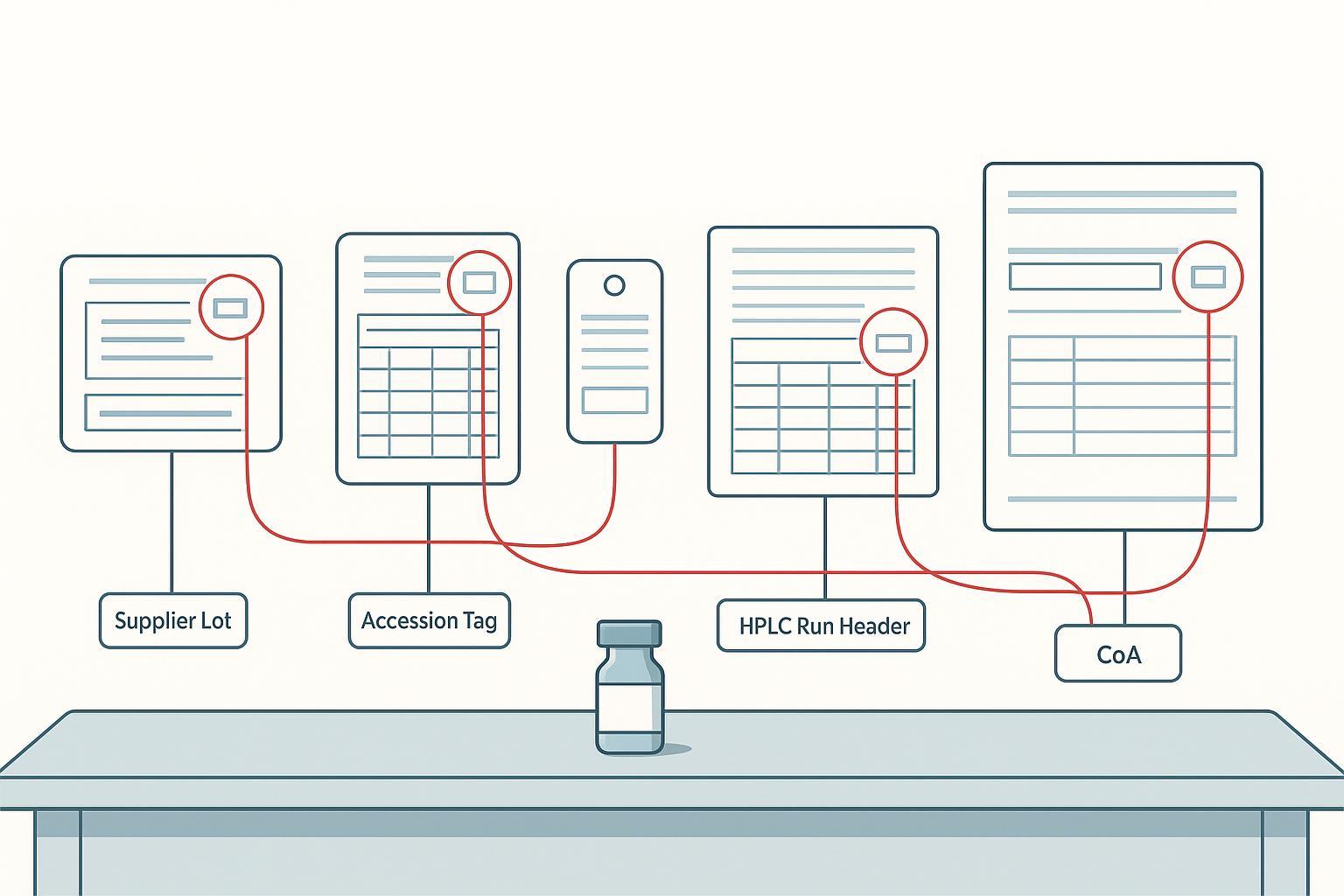
Η ιχνηλασιμότητα της παρτίδας πεπτιδίων σπάει τη λίστα ελέγχου που κληρονομούν τα περισσότερα εργαστήρια από γενικούς οδηγούς LIMS. Ένα πάνελ απελευθέρωσης πεπτιδίου δεν είναι μία δοκιμή σε ένα δείγμα. Καλύπτει την ταυτότητα φασματομετρίας μάζας, καθαρότητα HPLC αντίστροφης φάσης, περιεκτικότητα σε αντίθετα ιόντα και τριφθοροξικό οξύ, ενδοτοξίνη με ανάλυση LAL, και στειρότητα, και καθεμία από αυτές τις εγγραφές φέρει αναγνωριστικά που πρέπει να συμφωνούν ακριβώς: παρτίδα προμηθευτή, εσωτερική παρτίδα, αριθμός προσχώρησης, πίνακας ακολουθιών, κεφαλίδα χρωματογραφήματος, και πιστοποιητικό ανάλυσης. Οι γενικοί οδηγοί δεν δοκιμάζουν καμία από αυτές τις συμφωνίες.
Σταματούν επίσης σε λάθος όριο. Στην πράξη, Η διαχείριση χρωματογραφικών δεδομένων χωρίζεται σε δύο συστήματα. Το CDS ελέγχει το όργανο, εκτελεί την ακολουθία, αποκτά και ενσωματώνει το χρωματογράφημα, αξιολογεί την καταλληλότητα του συστήματος, και κατέχει το εγγενές ακατέργαστο αρχείο. Το LIMS κατέχει την εγγραφή, αλυσίδα επιμέλειας, εργασία δοκιμής, παρτίδα, συνάθροιση αποτελεσμάτων, έλεγχος προδιαγραφών, αναφοράς, και το αρχείο διάθεσης. Το LIMS προωθεί τη λίστα εργασιών και παίρνει πίσω τα εγκεκριμένα αποτελέσματα, που είναι η μεταβίβαση που πρέπει να διερευνήσει μια αξιολόγηση πεπτιδίου αντί να υποθέσει.
Εάν η τρέχουσα λίστα ελέγχου προέρχεται από έναν γενικό οδηγό LIMS, γράφτηκε για ένα μοντέλο δεδομένων που δεν χρειάστηκε ποτέ να εναρμονίσει έναν πίνακα ακολουθιών με μια κεφαλίδα χρωματογράμματος.
Ερώτηση 1: Μπορεί το σύστημα να αποδείξει την ακολουθία και την ιχνηλασιμότητα παρτίδας από άκρο σε άκρο?
Η ιχνηλασιμότητα της παρτίδας πεπτιδίων μπορεί να αποδειχθεί μόνο όταν εμφανίζονται τα ίδια αναγνωριστικά στον πίνακα αλληλουχίας, την κεφαλίδα εκτέλεσης και το CoA, και το σύστημα μπορεί να περπατήσει αυτήν την αλυσίδα σε ένα μόνο ερώτημα. Στην πράξη, Αυτό σημαίνει ότι τρεις ομάδες πεδίων πρέπει να συμφωνούν μεταξύ τους αντί να ζουν σε ξεχωριστές ενότητες.
|
Πίνακας ακολουθιών |
Κεφαλίδα εκτέλεσης |
Πρότυπο αναφοράς |
|---|---|---|
|
Ακολουθία και τροποποιήσεις |
Όνομα και διαδρομή αρχείου δεδομένων |
Τυπικό όνομα και παρτίδα |
|
Αναγνωριστικό δείγματος |
Αναγνωριστικό οργάνου |
Εκχωρημένη ισχύς ή καθαρότητα |
|
Πεπτιδική Σύνθεση Όνομα μεθόδου και έκδοση |
Ημερομηνία λήξης ή επανεξέτασης |
|
|
Ημερομηνία και ώρα απόκτησης |
Σύνδεση με την καμπύλη βαθμονόμησης |
|
|
Υπηρεσίες Αναλυτής ID |
||
|
Θέση φιαλιδίου ή λίστα εργασίας |
Τα κοινόχρηστα αναγνωριστικά είναι το δείγμα αναγνωριστικού και η έκδοση της μεθόδου: σπάσει είτε και η αλυσίδα σταματά. Αντιμετωπίστε αυτήν τη λίστα ως καθοδήγηση επαγγελματιών για τη δομή του δικού σας σεναρίου επίδειξης, όχι ως ρυθμιστικός κατάλογος ελέγχου.
Στη συνέχεια, αναγκάστε τον πωλητή να το τρέξει προς τα πίσω. Δώστε τους έναν αριθμό παρτίδας CoA και ζητήστε τους να δημιουργήσουν την εγγραφή ακολουθίας, το τρέξιμο, η έκδοση της μεθόδου και ο αναλυτής σε μια άποψη, χωρίς να εγκαταλείψετε το σύστημα ή να δημιουργήσετε ξανά το ερώτημα με το χέρι.
Ερώτηση 2: Πώς χειρίζεται το LIMS Chain of Custody για μερίδια και σταθερότητα?
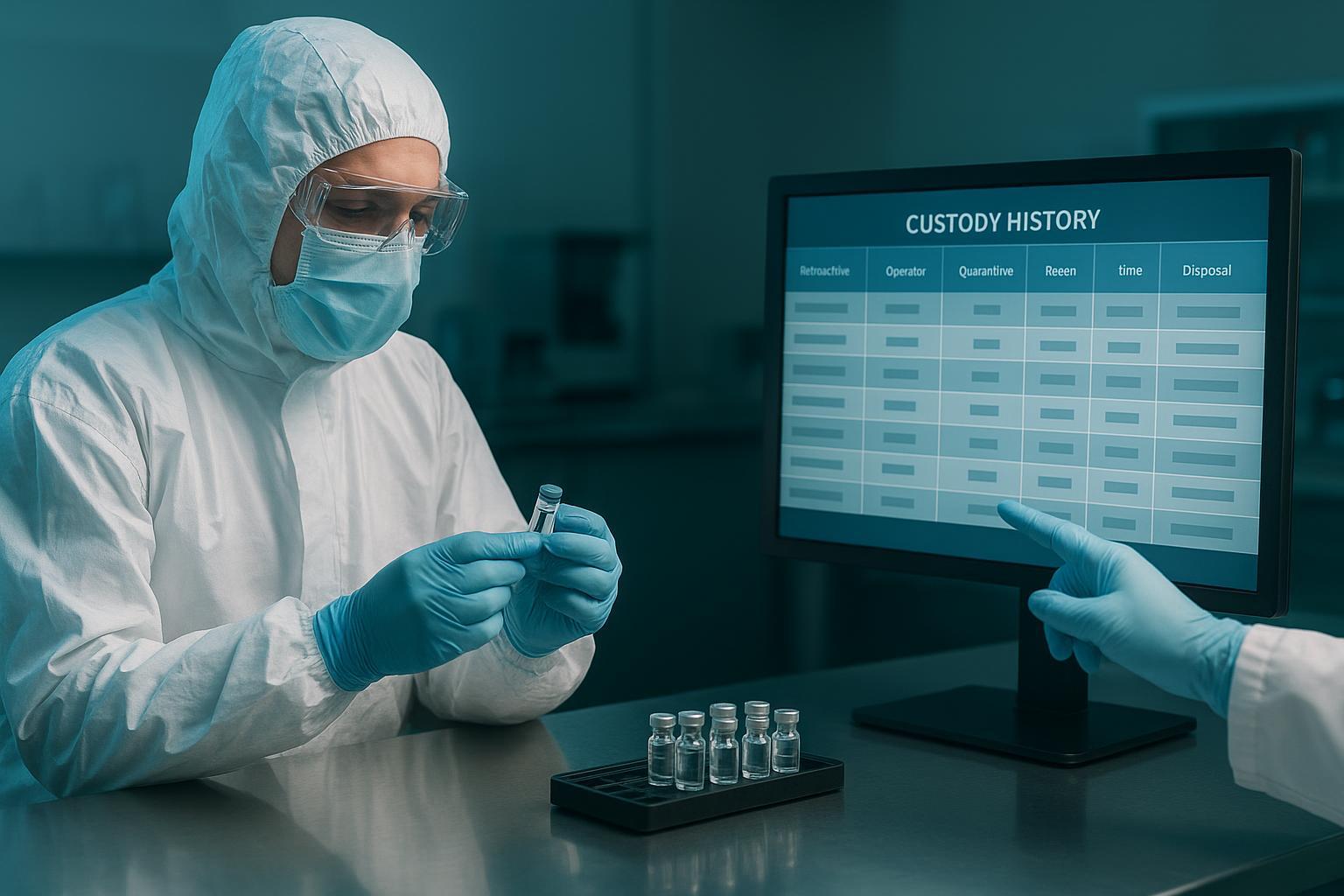
Η αλυσίδα επιμέλειας στο LIMS είναι μια καταγραφή μεταγραφών και πολιτειών, όχι ένα μπλοκ υπογραφής. Παραλαβή και καραντίνα, κάθε υποπολλαπλάσιο τμήμα, κάθε περιστατικό κατάψυξης/απόψυξης, Κάθε σημείο έλξης σταθερότητας και η τελική είσοδος απόρριψης χρειάζονται τη δική τους χρονική σήμανση, καταλογιζόμενη εγγραφή. 21 Μέρος CFR 11 απαιτεί ασφαλή, που δημιουργείται από υπολογιστή, χρονικά σφραγισμένα ίχνη ελέγχου που αποτυπώνουν ανεξάρτητα την ημερομηνία, χρόνο και χειριστή πίσω από κάθε ενέργεια που δημιουργεί, τροποποιεί ή διαγράφει μια ηλεκτρονική εγγραφή. Ο ίδιος κανονισμός υποστηρίζει ότι αυτά τα αρχεία πρέπει να είναι άμεσα διαθέσιμα για επιθεώρηση FDA, που είναι το πρότυπο που πρέπει να πληροί ένα ιστορικό επιμέλειας χωρίς χειροκίνητη ανακατασκευή.
Για μια παρτίδα πεπτιδίων, Αυτό σημαίνει ότι ένας αναθεωρητής μπορεί να ανοίξει μία προβολή και να δει την απόδειξη, απελευθέρωση σε καραντίνα, τρεις υποπολλαπλάσιοι διαχωρισμοί, δύο έλξεις σταθερότητας και μια είσοδος απόρριψης, το καθένα φέρει μια χρονική σήμανση, ένας χειριστής και ένας λόγος.
Ερώτηση 3: Ελέγχει το LIMS ακατέργαστα χρωματογραφικά δεδομένα και εκδόσεις μεθόδων;?
Η διαχείριση χρωματογραφικών δεδομένων και ο έλεγχος έκδοσης μεθόδου αποφασίζουν εάν μια απόφαση έκδοσης μπορεί να ανακατασκευαστεί χρόνια αργότερα. Το LIMS πρέπει να γνωρίζει ποια έκδοση μεθόδου παρήγαγε κάθε αποτέλεσμα, και πρέπει να αποκλείσει την αναφορά ενός αποτελέσματος έναντι μιας αντικατασταθείσας έκδοσης. Εάν δεν μπορεί να επιλύσει αυτόν τον σύνδεσμο, το αρχείο παρτίδας είναι ελλιπές ανεξάρτητα από το πόσο καθαρό φαίνεται το ίχνος ελέγχου.
Το όριο έχει σημασία εδώ. Το σύστημα δεδομένων χρωματογραφίας κατέχει τον έλεγχο οργάνων, εκτέλεση ακολουθίας, απόκτηση, ολοκλήρωση, καταλληλότητα συστήματος και το εγγενές ακατέργαστο αρχείο. Το LIMS κατέχει την εγγραφή, επιμέλεια, εργασία δοκιμής, παρτίδα, συνάθροιση αποτελεσμάτων, έλεγχος προδιαγραφών, αναφορά και το αρχείο διάθεσης. Ένα CDS από μόνο του δεν θα φέρει το πλαίσιο σε επίπεδο παρτίδας; Ένα LIMS από μόνο του δεν θα κρατήσει το πρωτογενές σήμα.
Αντιστοιχίστε τον κύκλο ζωής της μεθόδου σε ένα αναγνωρισμένο πλαίσιο. Ι Ε2(R2), το πλαίσιο επικύρωσης της εναρμονισμένης αναλυτικής διαδικασίας που εκδόθηκε τον Μάρτιο 2024, καλύπτει αρχές επικύρωσης, συμπεριλαμβανομένης της αναλυτικής χρήσης φασματοσκοπικών δεδομένων, και υποστηρίζει αιτιολογημένη διαχείριση αλλαγών μετά την έγκριση. Για τα ίδια τα όργανα, Το USP 〈1058〉 χαρακτηρίζει το όργανο πλαίσιο ως κατάλληλο για χρήση για την οποία προορίζεται, επίσημα από 1 Αύγουστος 2017.
Στο demo, ζητήστε από τον πωλητή να αναθεωρήσει μια μέθοδο, Στη συνέχεια, δείξτε τι συμβαίνει με τα αποτελέσματα που έχουν ήδη αναφερθεί στην προηγούμενη έκδοση.
Ερώτηση 4: Πώς δρομολογούνται και διατηρούνται οι έρευνες εκτός προδιαγραφών?
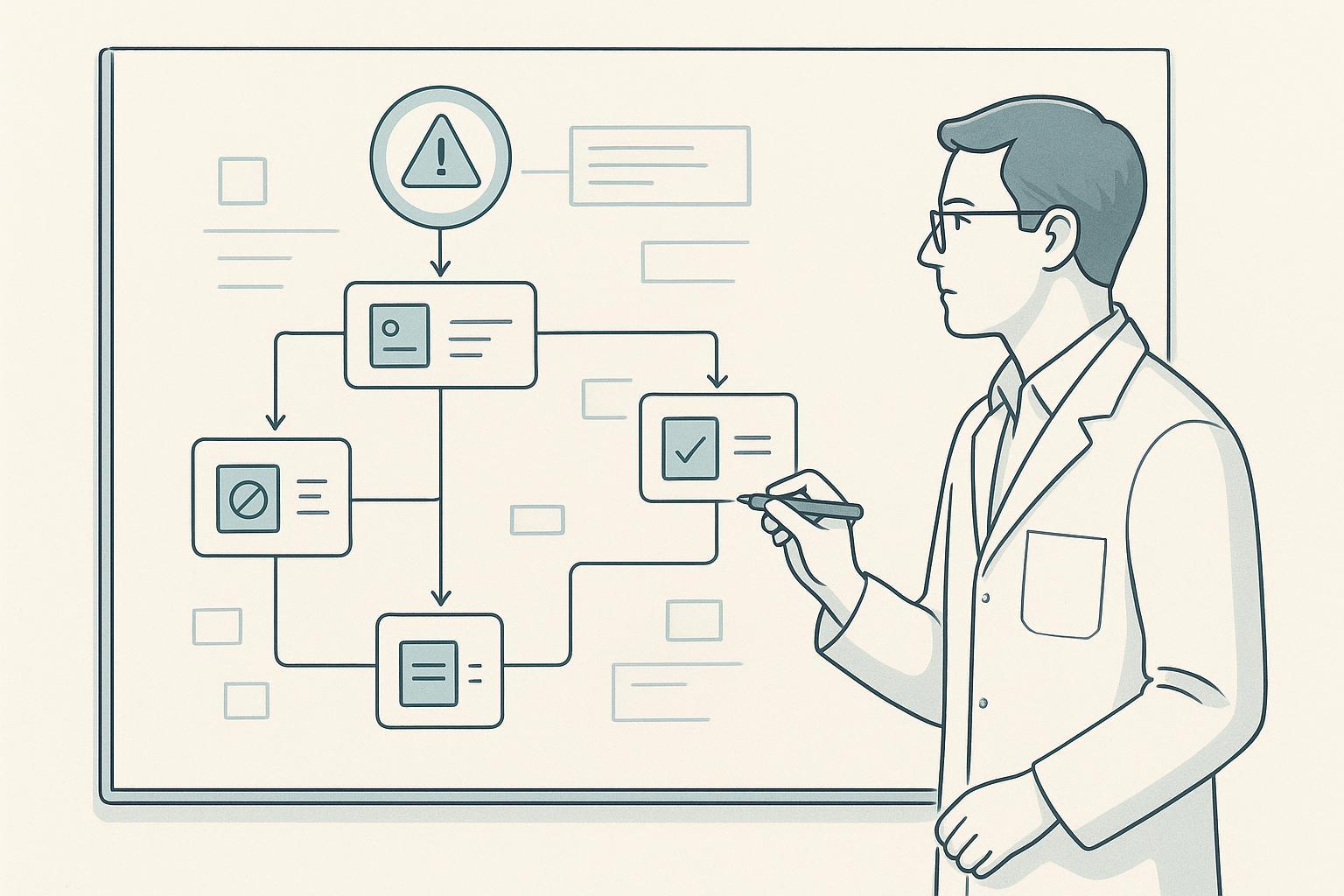
Μια έρευνα εκτός προδιαγραφών σε ένα εργαστήριο QC πεπτιδίων είναι ένα πρόβλημα δρομολόγησης και διατήρησης πριν γίνει άσκηση συμμόρφωσης. Πρότυπη πρακτική δύο φάσεων του κλάδου, πλαισιώνεται από τις οδηγίες του FDA για τη διερεύνηση των αποτελεσμάτων δοκιμών εκτός προδιαγραφών, ξεκινά με μια εργαστηριακή έρευνα Φάσης Ι: το εργαστήριο ελέγχει τη δική του εργασία για μια πιθανή αιτία προτού το αποτέλεσμα θεωρηθεί ως αποτυχία προϊόντος. Μόνο όταν η Φάση Ι δεν βρίσκει προσδιορίσιμη εργαστηριακή αιτία, το συμβάν κλιμακώνεται στη Φάση II, όπου η έρευνα προχωρά πέρα από το εργαστήριο.
Η δρομολόγηση έχει μικρότερη σημασία από αυτό που επιβιώνει. Για οποιαδήποτε εκδήλωση OOS, το αρχείο που πρέπει να μπορεί να ανακατασκευάσει ένας ελεγκτής περιλαμβάνει το αρχικό αναφερόμενο αποτέλεσμα με αναγνωριστικό δείγματος, μέθοδος, όργανο, ακολουθία εκτέλεσης, ημερομηνία και ώρα, αναλυτής, και πλαίσιο παρτίδας ή παρτίδας; τα ακατέργαστα δεδομένα πίσω από αυτό, συμπεριλαμβανομένων των χρωματογραφημάτων, ενσωματώσεις, βάρη, υπολογισμούς, και αρχεία καταλληλότητας συστήματος και βαθμονόμησης; μια διαδρομή ελέγχου για κάθε προσθήκη, διαγραφή, τροποποίηση, επανεπεξεργασία, και επανένταξη, με ποιος εξουσιοδότησε τον καθένα και γιατί; το ίδιο το αρχείο της έρευνας, με την ανάθεση φάσης του, τα στοιχεία που εξετάστηκαν, συμπεράσματα, CAPA, και διάθεση; και το πλήρες ιστορικό επανελέγχων που δείχνει γιατί επιτρέπονταν οι επαναληπτικές δοκιμές, αν το αρχικό αποτέλεσμα ακυρώθηκε, και το οποίο αποτέλεσμα έγινε ανακοινώσιμο (NCI Frederick, Διαχείριση αποτελεσμάτων δοκιμών εκτός προδιαγραφών ή μη αναμενόμενων αποτελεσμάτων δοκιμών, 2022).
Ένα LIMS που αποθηκεύει μόνο την τελική διάταξη δεν μπορεί να ανακατασκευάσει τίποτα από αυτά. Ζητήστε από τον προμηθευτή να παρακολουθήσει ένα συμβάν OOS μέσω του συστήματος από άκρη σε άκρη, από την πρώτη αναφερόμενη τιμή έως το προς αναφορά αποτέλεσμα.
Ερώτηση 5: Το πιστοποιητικό ανάλυσης δημιουργείται μόνο από εγκεκριμένα αποτελέσματα?
Η δημιουργία πιστοποιητικού ανάλυσης είναι μια λειτουργία ελεγχόμενου εγγράφου, δεν είναι πρότυπο αναφοράς. Ένα CoA συγκεντρώνεται από εγκεκριμένα αποτελέσματα, και τα πεδία κεφαλίδας του πρέπει να συμφωνούν ακριβώς με τον πίνακα ακολουθίας, εκτέλεση κεφαλίδας και αναφορά τυπικών εγγραφών για αυτήν την παρτίδα. Τα πεδία που έχουν το μεγαλύτερο βάρος είναι το όνομα του προϊόντος, αριθμός παρτίδας, Ημερομηνία COA και εργαστήριο δοκιμών, γιατί αυτά τα τέσσερα είναι αυτά που ελέγχει πρώτα ο πελάτης και αυτά που ο ελεγκτής συμβιβάζει με το αρχείο παρτίδας.
Αυτός είναι ο λόγος για τον οποίο η δοκιμή αποκλεισμού απελευθέρωσης ανήκει στο demo. Ζητήστε από τον πωλητή να δημιουργήσει ένα CoA για πολλά που έχουν ακόμη μια ανοιχτή έρευνα εκτός προδιαγραφών εναντίον του, μετά προσέξτε τι κάνει το σύστημα. Ένα LIMS που έχει κατασκευαστεί για πεπτίδιο QA αρνείται, σημαίες, ή διαδρομές για έγκριση. Ένα εργαλείο αναφοράς εκτυπώνει το πιστοποιητικό ούτως ή άλλως, και μόλις είδατε πώς μια μη συμμορφούμενη παρτίδα φτάνει σε έναν πελάτη.
|
Πεδίο κεφαλίδας CoA |
Η εγγραφή πηγής πρέπει να συμφωνεί |
|---|---|
|
Όνομα προϊόντος |
Πίνακας ακολουθιών |
|
Αριθμός παρτίδας |
Πίνακας ακολουθίας και κεφαλίδα εκτέλεσης |
|
Ημερομηνία COA |
Αρχείο έγκρισης για τα αποτελέσματα που δημοσιεύθηκαν |
|
Εργαστήριο δοκιμών |
Εκτέλεση τυπικών εγγραφών κεφαλίδας και αναφοράς |
Εάν ο πωλητής δεν μπορεί να εμφανίσει αυτήν τη συμφωνία στην επίδειξη, αντιμετωπίζουν το CoA ως μη επαληθευμένο μέχρι να το κάνουν.
Πώς μοιάζει με μια αλυσίδα υπερασπίσιμων αποδεικτικών στοιχείων
Μια υπερασπιστή αλυσίδα ιχνηλασιμότητας παρτίδας πεπτιδίων είναι μια αλληλουχία μεταβιβάσεων, και κάθε μεταβίβαση χρειάζεται ένα όνομα με όνομα συν ένα στοιχείο ελέγχου που διατηρεί το ρεκόρ ειλικρινές. Περάστε το στην επίδειξη από την ετικέτα του φιαλιδίου μέχρι την προσχώρηση, αναλυτική πορεία, έκδοση μεθόδου, αναλυτής, κριτική, διάθεση, και πιστοποιητικό ανάλυσης. Σε κάθε ένα από αυτά τα βήματα, Ρωτήστε ποιος δίσκος φέρει την παράδοση και τι εμποδίζει την επεξεργασία του δίσκου μετά το γεγονός. Η αλυσίδα φύλαξης στο LIMS είναι τόσο ισχυρή όσο και η πιο αδύναμη μεταβίβασή του, Έτσι, ένα σύστημα που ονομάζει την εγγραφή αλλά δεν μπορεί να εμφανίσει το στοιχείο ελέγχου, σας εμφανίζει μια φόρμα, όχι έλεγχος.
Το MOL Changes υποστηρίζει αυτό το είδος σταδιακής μεταβίβασης, και μπορεί να χρησιμοποιηθεί για τη διατήρηση των εκδόσεων μεθόδων και των εγγραφών αναθεώρησης συνδεδεμένα με την παρτίδα στην οποία ανήκουν.
Συνήθη λάθη στην επιλογή LIMS για το Peptide QA

Η πιο συνηθισμένη αποτυχία στην επιλογή LIMS για πεπτιδικό QA είναι η αξιολόγηση σε μια λίστα ελέγχου χαρακτηριστικών αντί να ζητηθεί από τον πωλητή να παράγει μια εγγραφή. Οι λίστες ελέγχου βαθμολογούνται εύκολα και δύσκολα Συνθετικά Πεπτίδια να παραποιήσει, γι' αυτό ακριβώς επιβιώνουν από τις προμήθειες. Τα πέντε λάθη παρακάτω είναι αυτά που κοστίζουν περισσότερο στα εργαστήρια, και το καθένα έχει μια φθηνή επιδιόρθωση που μπορείτε να εφαρμόσετε στο επόμενο demo.
Αποδοχή επίδειξης σε συνθετικά δεδομένα. Επίδειξη πωλητών με καθαρό, προκατασκευασμένες παρτίδες επειδή τα πραγματικά δεδομένα αποκαλύπτουν κενά. Ζητήστε τους να ξεκινήσουν από έναν από τους δικούς σας αριθμούς παρτίδας CoA και να προχωρήσουν στην εγγραφή ακολουθίας, το τρέξιμο, την έκδοση της μεθόδου και τον αναλυτή που την υπέγραψε. Αν η βόλτα σπάσει πουθενά, βρήκατε την απάντησή σας.
Αντιμετώπιση του ορίου CDS/LIMS ως λεπτομέρειας ολοκλήρωσης. Είναι μια απόφαση ιδιοκτησίας δεδομένων. Όποιος κατέχει τα ακατέργαστα χρωματογραφικά δεδομένα ελέγχει τη διαδρομή ελέγχου, οπότε διευθετήστε το προτού συζητήσετε τις συνδέσεις.
Αφήνοντας την έκδοση της μεθόδου να είναι ένα πεδίο ελεύθερου κειμένου. Το ελεύθερο κείμενο δεν μπορεί να αποδείξει ποια μέθοδος παρήγαγε ένα αποτέλεσμα. Απαιτείται ένα ιστορικό εκδόσεων που συνδέει κάθε αποτέλεσμα με την αναθεώρηση της μεθόδου που ίσχυε τη στιγμή της εκτέλεσης.
Υποθέτοντας ότι η παραγωγή CoA είναι χαρακτηριστικό αναφοράς. Είναι έλεγχος απελευθέρωσης. Ρωτήστε τι κάνει το σύστημα όταν μια έρευνα εκτός προδιαγραφών είναι ακόμα ανοιχτή τη στιγμή που κάποιος προσπαθεί να εκδώσει το πιστοποιητικό.
Δεν ρωτάω τι συμβαίνει σε ένα ανοιχτό OOS κατά την κυκλοφορία. Αυτή είναι η ερώτηση που διαχωρίζει ένα υπερασπίσιμο σύστημα από ένα αποθετήριο εγγράφων, και χρειάζονται τριάντα δευτερόλεπτα για να ρωτήσεις.
Πώς να βαθμολογήσετε τις απαντήσεις και να αποφασίσετε
Βαθμολογήστε καθεμία από τις πέντε ερωτήσεις σε τρεις άξονες, και βαθμολογήστε τη συμπεριφορά του πωλητή, όχι η λίστα χαρακτηριστικών. Πρώτα: επέδειξαν την εγγραφή στο σύστημα, ή απλώς περιγράψτε το? Μια αξίωση ιχνηλασιμότητας εμφανίζεται ζωντανά, με πραγματικά πολλά βήματα από τη σύνθεση μέχρι την απελευθέρωση, αξίζει περισσότερο από μια διαφάνεια. Δεύτερος: ήταν τα αποδεικτικά στοιχεία εξαγώγιμα? Ζητήστε τους να εξαγάγουν τη διαδρομή ελέγχου, το ιστορικό της μεθόδου-έκδοσης, ή την εγγραφή OOS ως αρχείο που μπορείτε να ανοίξετε. Εάν η απάντηση μένει μόνο μέσα στη διεπαφή τους, δεν μπορείτε να το ελέγξετε. Τρίτος: μήπως η απάντηση επέζησε μιας συνέχειας? Ρωτήστε τι συμβαίνει όταν μια έλξη σταθερότητας χωρίζεται σε δύο αναλυτές, ή όταν μια μέθοδος αναθεωρείται στα μέσα της μελέτης. Οι πωλητές που γνωρίζουν το προϊόν τους απαντούν αμέσως; Οι πωλητές που δεν το κάνουν θα καλέσουν έναν μηχανικό.
Για ένα LIMS για το πεπτίδιο QA, τα κριτήρια βαθμολόγησης θα πρέπει επίσης να περιλαμβάνουν το κόστος και το χρονοδιάγραμμα της επικύρωσης, γιατί αυτός είναι συχνά ο αποφασιστικός παράγοντας. Η ρυθμιζόμενη επικύρωση LIMS αναφέρεται κατά προσέγγιση $15,000 να $80,000 μόνο για επικύρωση, με πλήρεις ρυθμιζόμενες υλοποιήσεις που αναφέρονται συνήθως στο $150,000 να $500,000 και χρονοδιαγράμματα του 6 να 12 μήνες μονής τοποθεσίας και 18 να 36 μήνες πολλαπλών τοποθεσιών (1LIMS, ανακτήθηκε 2026-08-10). Αντιμετωπίστε τα ως ενδεικτικά μόνο: προέρχονται από εκτιμήσεις πωλητών και συμβούλων που ποικίλλουν ευρέως, χωρίς δηλωμένη μεθοδολογία ή δείγμα, έτσι δεν πρέπει να αγκυρώνουν την απόφασή σας. Χρησιμοποιήστε τα για να πλαισιώσετε μια συζήτηση για τον προϋπολογισμό, να μην επιλέξει σύστημα.
|
Ερώτηση |
Επέδειξε το ρεκόρ |
Αποδεικτικά στοιχεία εξαγώγιμα |
Επέζησε η παρακολούθηση |
|---|---|---|---|
|
1. Ακολουθία και ιχνηλασιμότητα παρτίδας |
|||
|
2. Αλυσίδα φύλαξης για κλάσματα και έλξεις σταθερότητας |
|||
|
3. Ακατέργαστα χρωματογραφικά δεδομένα και εκδόσεις μεθόδων |
|||
|
4. Δρομολόγηση και συντήρηση του OOS Για |
|||
|
5. CoA που δημιουργείται μόνο από εγκεκριμένα αποτελέσματα |
Δύο περιορισμοί αξίζουν μια θέση στο σκορ. Το κλείδωμα του προμηθευτή οργάνων είναι πραγματικό: ένα σύστημα χτισμένο σφιχτά γύρω από τη μορφή δεδομένων ενός προμηθευτή χρωματογραφίας μπορεί να κάνει μια δεύτερη γραμμή οργάνων δαπανηρή αργότερα. Το κόστος μετανάστευσης είναι το άλλο. Μετακίνηση ιστορικών δεδομένων πεπτιδίων από ένα παλαιού τύπου σύστημα, με ανέπαφα τα ίχνη ελέγχου, είναι ένα έργο από μόνο του, και οι πωλητές σπάνια το αναφέρουν εκ των προτέρων. Κάντε και τις δύο ερωτήσεις πριν υπογράψετε, και βαθμολογήστε τις απαντήσεις με ειλικρίνεια.
Εάν η βαθμολογία σας αφήνει δύο βιώσιμες επιλογές, μιλήστε με έναν ειδικό σε πεπτίδια QC που έχει τρέξει αυτά τα συστήματα σε ένα ελεγχόμενο εργαστήριο, όχι απλώς μηχανικός πωλήσεων.
Συχνές Ερωτήσεις
Μπορεί ένα σύστημα δεδομένων χρωματογραφίας από μόνο του να καλύψει την ιχνηλασιμότητα του πεπτιδίου QA?
Οχι. Ένα σύστημα δεδομένων χρωματογραφίας είναι το σύστημα καταγραφής για απόκτηση, ολοκλήρωση, και το εγγενές ακατέργαστο αρχείο, αλλά εγγραφή, επιμέλεια, παρτίδα, έλεγχος προδιαγραφών, και το ρεκόρ διάθεσης κάθονται στο LIMS. Αυτό το όριο έχει σημασία για την αξιολόγησή σας, επειδή η διαχείριση χρωματογραφικών δεδομένων και η ιχνηλασιμότητα της παρτίδας πεπτιδίων είναι δύο διαφορετικές αλυσίδες καταγραφής, και μόνο ένα από αυτά καταλήγει σε απόφαση αποφυλάκισης. Ζητήστε από τον πωλητή να δείξει πού αναφέρεται η εγγραφή CDS από την εγγραφή LIMS, και τι συμβαίνει με αυτήν την αναφορά όταν ένα αποτέλεσμα υποβάλλεται σε επανεπεξεργασία.
Τι γίνεται αν ο προμηθευτής δεν μπορεί να εμφανίσει ένα ιστορικό εκδόσεων μεθόδου στην επίδειξη?
Αντιμετωπίστε το ως μη επιλυμένο έλεγχο αποκλεισμού απελευθέρωσης, δεν αποτελεί στοιχείο του οδικού χάρτη. Ο έλεγχος έκδοσης μεθόδου είναι αυτός που σας επιτρέπει να αποδείξετε ποια διαδικασία παρήγαγε ένα δημοσιευμένο αποτέλεσμα, οπότε μια επίδειξη που δεν μπορεί να την εμφανίσει είναι ημιτελής επίδειξη, δεν είναι πρόβλημα προγραμματισμού. Ζητήστε γραπτώς τον κύκλο ζωής της μεθόδου, συμπεριλαμβανομένου του τρόπου απόσυρσης μιας έκδοσης και του τρόπου με τον οποίο τα ιστορικά αποτελέσματα παραμένουν συνδεδεμένα με την έκδοση που τα δημιούργησε, στη συνέχεια ζητήστε ένα εργαστήριο αναφοράς που έχει ελεγχθεί ακριβώς για αυτό. Εάν ο πωλητής δεν μπορεί να προμηθεύσει κανένα από τα δύο, Η διαδρομή έρευνας εκτός προδιαγραφών κατάντη είναι επίσης μη επαληθεύσιμη.
Πόση επικύρωση χρειάζεται ένα πεπτίδιο QC LIMS?
Επικύρωση εύρους στα αρχεία στα οποία κυκλοφορεί το εργαστήριό σας, και αντιστοιχίστε την πιστοποίηση οργάνου στο USP 〈1058〉 "καταλληλότητα για την προβλεπόμενη χρήση" αντί να το αντιμετωπίζετε ως ξεχωριστή άσκηση. Στην πράξη αυτό σημαίνει ότι το επικυρωμένο πεδίο καλύπτει την εγγραφή, μεταβίβαση επιμέλειας, αξιολόγηση προδιαγραφών, και το αρχείο διάθεσης, με τα όργανα που τροφοδοτούν αυτά τα αρχεία κατάλληλα για τον σκοπό που εξυπηρετούν. Ένα LIMS για το πεπτιδικό QA δεν χρειάζεται να επικυρωθεί ως ολόκληρο σύστημα πέρα από αυτό από το οποίο εξαρτώνται αυτές οι αποφάσεις απελευθέρωσης.
Αλλάζει ένα ELN κάποια από αυτές τις πέντε ερωτήσεις;?
Οχι. Ένα ELN αλλάζει εκεί που γράφει ο αναλυτής, όχι ποιος έχει την επιμέλεια, έκδοση μεθόδου, ή το αρχείο διάθεσης. Εάν ένα ELN είναι στη στοίβα, Οι ίδιες πέντε ερωτήσεις ισχύουν για όποιο σύστημα κατέχει αυτές τις εγγραφές, και θα πρέπει να επιβεβαιώσετε στο demo ποιο είναι αυτό.
Σύναψη
Τώρα έχετε ένα πλαίσιο αξιολόγησης εργασίας: πέντε ερωτήσεις για ένα LIMS για το πεπτίδιο QA, το καθένα συνδυάζεται με μια συγκεκριμένη εγγραφή προς ζήτηση και ένα συγκεκριμένο αίτημα για αποστολή. Χάρτες ιχνηλασιμότητας ακολουθίας και παρτίδας στο πλήρες σετ αναλυτικών αρχείων, η οποία για μια τυπική παρτίδα πεπτιδίων εκτείνεται σε περίπου έξι έως οκτώ βασικά έγγραφα που καλύπτουν την ταυτότητα του MS, Καθαρότητα RP-HPLC, αντίθετο, ενδοτοξίνη, στειρότητα, και υπολειμματικών διαλυτών (Προδιαγραφές QC πολυπεπτιδίου, αχρονολόγητος). Χάρτες αλυσίδων φύλαξης για κούτσουρα καταλοίπων και σταθερότητας. Τα ακατέργαστα χρωματογραφικά δεδομένα και οι εκδόσεις μεθόδων αντιστοιχίζονται στο ιστορικό εξαγωγής και έκδοσης του οργάνου. Χάρτες δρομολόγησης OOS στο αρχείο έρευνας. Χάρτες παραγωγής CoA στην πύλη εγκεκριμένων αποτελεσμάτων.
Η αξία της ερώτησης με αυτόν τον τρόπο είναι ότι μετακινεί τη συνομιλία από μια λίστα δυνατοτήτων σε έναν έλεγχο. Ένας πωλητής μπορεί να διεκδικήσει ιχνηλασιμότητα; μόνο τα αρχεία δείχνουν αν ισχύει.
Το επόμενο βήμα είναι σκόπιμα μικρό. Ζητήστε ένα αντιπροσωπευτικό πακέτο CoA και αναλυτικών δεδομένων, στη συνέχεια εκτελέστε τις πέντε ερωτήσεις εναντίον του προτού κλείσετε ένα δεύτερο demo. Αν οι απαντήσεις είναι λεπτές, Ζητήστε να μιλήσετε με έναν ειδικό QC πεπτιδίων στην ομάδα του πωλητή και βάλτε τους τις ίδιες πέντε ερωτήσεις.
Αποκάλυψη: Η MOL Changes έχει εμπορικό ενδιαφέρον για τα πρότυπα ποιότητας πεπτιδίων και την πρακτική αξιολόγησης LIMS.