Ihe nkwenye ogo Peptide pụtara n'ezie
A na-edekọ nkwenye ogo peptide, yinye ihe akaebe akọwapụtara n'azụ vial: eru-ihe ntozu, njikwa aseptic, ule njirimara, profaịlụ adịghị ọcha, akwụkwọ, na ojiji nyocha na oke ọgwụ akwadoro. Ọ bụghị pasentị ịdị ọcha, ma ọ bụghị aha onye na-eweta ngwaahịa. Ọ bụ ndekọ ndekọ na-ahapụ ndị ọzọ ka ha chọpụta ihe banyere n'ime vial ahụ, ka esi ejikwa ya, na ihe ule gosiri.
Ihe dị iche iche dị mkpa n'ihi na njikọ ọ bụla na-ejide klas ọdịda dị iche iche, na nsonaazụ siri ike na otu njikọ na-ekwu ihe ọ bụla gbasara ndị ọzọ. Ntozu nke akụrụngwa na-ejide ihe banyere usoro ahụ tupu njikọ amalite. Ijikwa Aseptic na-ejide ihe banyere ya ma emechaa. Nnwale njirimara na-ejide vial nke na-abụghị peptide a na-azọrọ ma ọlị. Nkọwapụta adịghị ọcha na-ejide ihe dị n'akụkụ ya. Akwụkwọ na-achọpụta ma enwere ike ịlele nke ọ bụla n'ime ihe ndị dị n'elu ma emechaa. Oke ngalaba ahụ na-achọpụta ma e bu n'obi were ihe mmadụ mee ihe.
Ndị na-achịkwa na-ewere ndị a dị ka ọrụ ejikọrọ kama igbe dị iche iche. Ntuziaka ederede EMA na peptides sịntetik na-atụ anya ka ndị nrụpụta kwadoro nhọpụta mmalite ihe., mara onye na-eweta ya, jikwaa adịghị ọcha ndị dị mkpa, ma nyochaa adịghị ọcha dị mkpa na amino acid na ihe mgbochi ụlọ ka enwere ike ịchịkwa profaịlụ adịghị ọcha ikpeazụ (Akwụkwọ ntuziaka EMA). Nkwenye njirimara dabere na orthogonality dị ka ụkpụrụ: emebibeghị-oke nkwenye, nkwenye usoro, nchịkọta mejupụtara, na usoro nhazi nyocha ihe dị iche iche, ya mere otu oge njigide HPLC enweghị ike ịkwado oke, usoro, ma ọ bụ saịtị nke mgbanwe (Nyochaa àgwà nke Springer peptide, 15 Julaị 2026).
Njikọ ọ bụla na-enweta ngalaba nke ya n'okpuru, n'usoro otu ogbe na-agafe na ha.

Ihe kpatara nkwenye ogo Peptide ji dị mkpa ugbu a
Ihe akaebe doro anya na nso nso a na nkwenye ogo peptide bụ nsogbu dị ndụ sitere na mmanye, ọ bụghị site n'ahịa. N'ime nke January 2026 leta ịdọ aka ná ntị, FDA zoro aka na GenoGenix LLC (MARC-CMS 718739, ụbọchị 20 Jenụwarị 2026) maka ọnọdụ adịghị ọcha na-emetụta ngwaahịa ndị a na-atụ anya na ha agaghị adị ọcha. Ndị nyocha dekọtara ndị na-arụ ọrụ na-eji aka nwere aka machie ikuku mbụ n'ime akpa adịghị ọcha, vials na-akwụsị aka mgbe ha rutere n'ime akpa nke nkwụsị, ihe na-abanye n'ebe ikuku dị elu na-enweghị disinfection, na ekpughere akpụkpọ ahụ n'ime mpaghara aseptic ISO. Otu akwụkwọ ozi ahụ metụtara ọgwụ ọhụrụ a na-akwadoghị, gụnyere semaglutide mechiri emechi, tirzepatide, na retatrutide, Thymosin beta-4 ọzọ, na nnukwu ọgwụ ọgwụ erughị eru maka ngwakọta 503B.
Nke ahụ bụ nchọta edebere nke nwere isi mmalite aha ya na ụbọchị. Mkpesa abụọ ị ga-ahụ ugboro ugboro ebe ọzọ abụghị. Nkwuputa na vials na-akwadoghị nwere ndu, na nkwuputa na vial ọ bụla nwere nje endotoxin, rute akụkọ a naanị site na ibe nke abụọ na ndị na-ere ahịa n'akụkụ, ya mere ha dị akọwara dị ka ndị na-edochaghị anya karịa ọnụ ọgụgụ.
Ọnọdụ iwu dị mfe karịa kemistri. FDA na-ekwu n'ụzọ doro anya na ọgwụ ndị gbakọtara ọnụ abụghị FDA-akwadoro na na ọ naghị akwado nchekwa ha, irè, ma ọ bụ àgwà tupu ha ere ahịa.
Ileghara usoro ihe akaebe anya na ọnụ ahịa na-egosi ma emechaa, n'ime nyocha ma ọ bụ faịlụ ntozu nke ndị na-ebubata ihe na-enweghị ike ịza otu ajụjụ na-esochi gbasara otu esi eme batch., nwalere, ma ọ bụ chọpụta.
Olee otú mmetọ si abanye n'agbụ ahụ: Ngwa ngwa na njikwa Aseptic
Mmetọ n'ime vial peptide na-akwadoghị na-esikebe azụ azụ n'ụdị njikọ na-adịghị mma. Ọ na-abanye na mbụ, n'iru eru-ihe, na ọzọ na njikwa, filtration, akpa mmechi na nchekwa. Mmụba dị elu nke ihe na-ezighi ezi ma ọ bụ ihe ruru unyi ka bụ ihe na-ezighi ezi.
Ntuziaka ederede EMA na peptides sịntetik na-ewere njedebe nke akụrụngwa nke ọma: ọ na-atụ anya ka onye nrụpụta ga-akwado ihe kpatara eji họrọ ihe mmalite ihe, na ileba anya adịghị ọcha dị mkpa na amino acid na ntinye ihe mgbochi ụlọ ka enwere ike ịchịkwa profaịlụ adịghị ọcha ikpeazụ n'ezie.. Nke ahụ bụ atụmanya nhazi, ntụzịaka emechabeghị, mana ọ na-atụ aka na ebe ndị nchịkwa na-ele anya na mbụ.
Ijikwa bụ ebe ntinye nke abụọ. Ọdịda njikwa ndị e zoro aka na ya n'akwụkwọ ozi ahụ na-akọwa klas ndị a maara nke ọma: ezughị oke nlekota gburugburu ebe obibi, ọdịiche dị na usoro aseptic, na usoro mmechi akpa nke na-ahapụ mmetọ n'ime mgbe ejuchara vial.
Nhazi ụlọ dị ọcha bụ ebe ndị na-agụ akwụkwọ na-akwụsịkarị iche echiche. Klas ISO 5, nhata nke klas ochie 100, ekwe ihe karịrị 3,520 ahụ ≥0.5 µm kwa cubic mita na 29 ahụ ≥5.0 µm kwa cubic mita, kwa ISO 14644-1 nhazi ọkwa. Ọkọlọtọ ahụ doro anya na urughuru na-agụ adreesị naanị irighiri ihe ikuku ebutere. Ọnụọgụ gafere n'onwe ya anaghị eme ka ime ụlọ ghara ịdị ọcha ma ọ bụ kwekọrịtara GMP.
Ntugharị igodo: Otu ISO 5 ọnụọgụgụ urughuru na-egosi na ikuku zutere oke oke n'oge nlele. Ọ dịghị ihe ọ na-ekwu banyere mmetọ elu, usoro onye ọrụ, ma ọ bụ na ahịrị ndochi ahụ akwadoro. Were ya dị ka otu ebe data, ọ bụghị ikpe ọmụmụ.
Ya mere, mgbe ị jụrụ ebe mmetọ si abịa, azịza eziokwu bụ: nke kachasị site na ntinye na njikwa, ọ bụghị mmeghachi omume. Nnwale njirimara Peptide na-amalite site n'ịjụ ihe banyere n'ime vial na onye metụrụ ya aka, ogologo oge tupu ọ na-ajụ ka njikọ ahụ si dị ọcha.
Nnwale njirimara: Ngosipụta Vial ahụ nwere Peptide a na-azọrọ
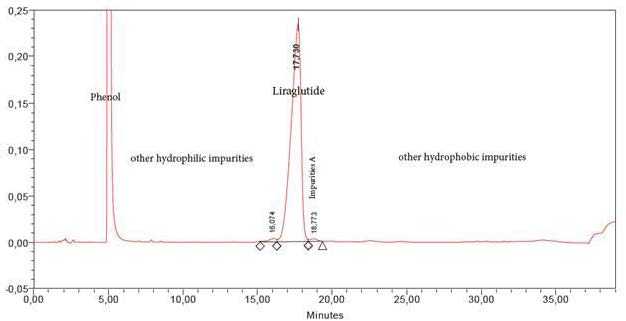
Otu oge njigide HPLC enweghị ike ịkwado oke peptide, usoro, ma ọ bụ saịtị nke mgbanwe. Nnwale njirimara Peptide dabere na ụzọ orthogonal n'ihi na onye ọ bụla na-enyocha ihe onwunwe dị iche, na ọ dịghị otu chromatographic akara na-ekpuchi ha niile.
Ọdịiche ahụ dị mkpa mgbe a na-enye chromatogram nke onye na-ere ihe dị ka ihe akaebe. Oge njide na-egosi naanị ihe ahụ gbagoro n'ebe a na-atụ anya ya n'okpuru otu ọnọdụ. Usoro ihichapụ, na-efu otu foduru, nwere ike jikọta ya na peptide lekwasịrị anya n'otu akara ahụ, ya mere a na-apụghị ịmata ha abụọ na-enweghị otu nkeji, usoro nke onwe.
Ụzọ ndị ahụ kewara n'ihe ha tụrụ n'ezie. Nkwenye na-adịghị emebi emebi site na LC-MS ma ọ bụ HRMS na-eguzobe ịdị arọ molekụla. Nkwenye usoro sitere na MS/MS nkewa na nkewa peptide. Nyocha amino acid na-emepụta ihe mejupụtara, na NMR adreesị nhazi. Njikọ HPLC nwere ọkọlọtọ ntụaka na-akwado njirimara megide ihe amaara, nke mere na ọ na-arụ ọrụ dị ka ihe nlele karịa ihe akaebe kwụ ọtọ.
Nkwado nke ụzọ ọ bụla ụlọ nyocha na-eji na-eso usoro akọwapụtara. I Q2(R2) Nkwado nke usoro nyocha, finalised in March 2024, sets out the general requirements for analytical-procedure validation, gụnyere ojiji nyocha nke spectroscopic data.
Ihe si na ya pụta: ask which methods produced the identity data, not whether a chromatogram exists. One trace answers one question.
Nkọwapụta adịghị ọcha: Ihe Pasent fọdụrụnụ nwere
A total chromatographic purity figure describes how much of the peak area belongs to the main species. It says nothing about what the rest of the peak area contains. That remainder is where peptide impurity profiling does its work, and it splits into two families that behave differently: process-related impurities carried over from synthesis and handling, and peptide-related impurities that are variant forms of the target sequence itself.
Peptide-related impurities include deletion and truncated sequences, oxidized and deamidated forms, diastereomers, and aggregates. Process-related impurities include counterions such as trifluoroacetic acid, ihe fọdụrụ ihe mgbaze, elemental adịghị ọcha, and water content. Each family has its own control point, and a single purity number collapses them into one figure.
Gmp Peptide Manufacturing Identification expectations are a regulatory construct with a numeric floor rather than a fixed universal rule. Nke 0.10% identification threshold attributed to FDA synthetic-peptide expectations, reported in a PR Newswire release on OATH Research’s analysis (30 June 2026), is related to but distinct from the general ICH line that impurities below 0.1% are generally not required to be identified. Treating the two as one claim overstates both.
Elemental impurities follow their own guideline. I Q3D(R2), the elemental-impurities guideline (US Federal Register, 15 Septemba 2022), provides permissible daily exposures and revises Q3D(R1) to add cutaneous and transcutaneous PDEs and correct previously identified PDEs for gold, silver, and nickel. A widely repeated lead PDE figure of 5 µg/day could not be verified against the source document, so it is not reported here.
|
Klas adịghị ọcha |
Example species |
Control point that catches it |
|---|---|---|
|
Peptide-related |
Peptide Deletion and truncated sequences |
Sequence verification against the intended chain |
|
Peptide-related |
Oxidized and deamidated forms |
Stability-indicating chromatographic methods |
|
Peptide-related |
Diastereomers |
Chiral or orthogonal Peptide separation |
|
Peptide-related |
Aggregates |
Size-based separation |
|
Process-related |
Trifluoroacetic acid counterion |
Counterion and residual-acid testing |
|
Process-related |
Ihe mgbaze fọdụrụnụ |
Solvent residue Dipeptide Synthesis oke |
|
Process-related Tripeptide 1 |
Elemental adịghị ọcha |
I Q3D(R2) nyocha ihe Egwu |
|
Process-related |
Ọdịnaya mmiri |
Karl Fischer ma ọ bụ otu |
Akwụkwọ: Ịgụ akwụkwọ nyocha megide Vial dị n'aka
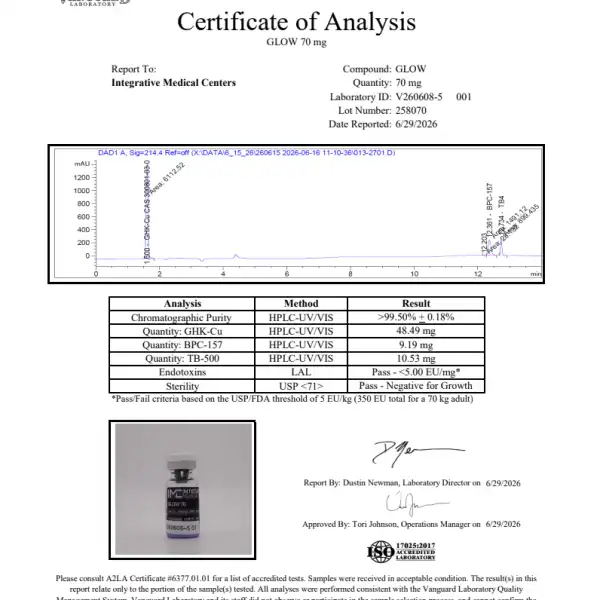
A peptide certificate of analysis is a summary document, not the batch record. It reports what a manufacturer chose to test and how those tests performed on one lot, and it does not by itself establish sterility, absence of elemental impurities, or fitness for human use. Read it as a claim to be checked, ọ bụghị ikpe.
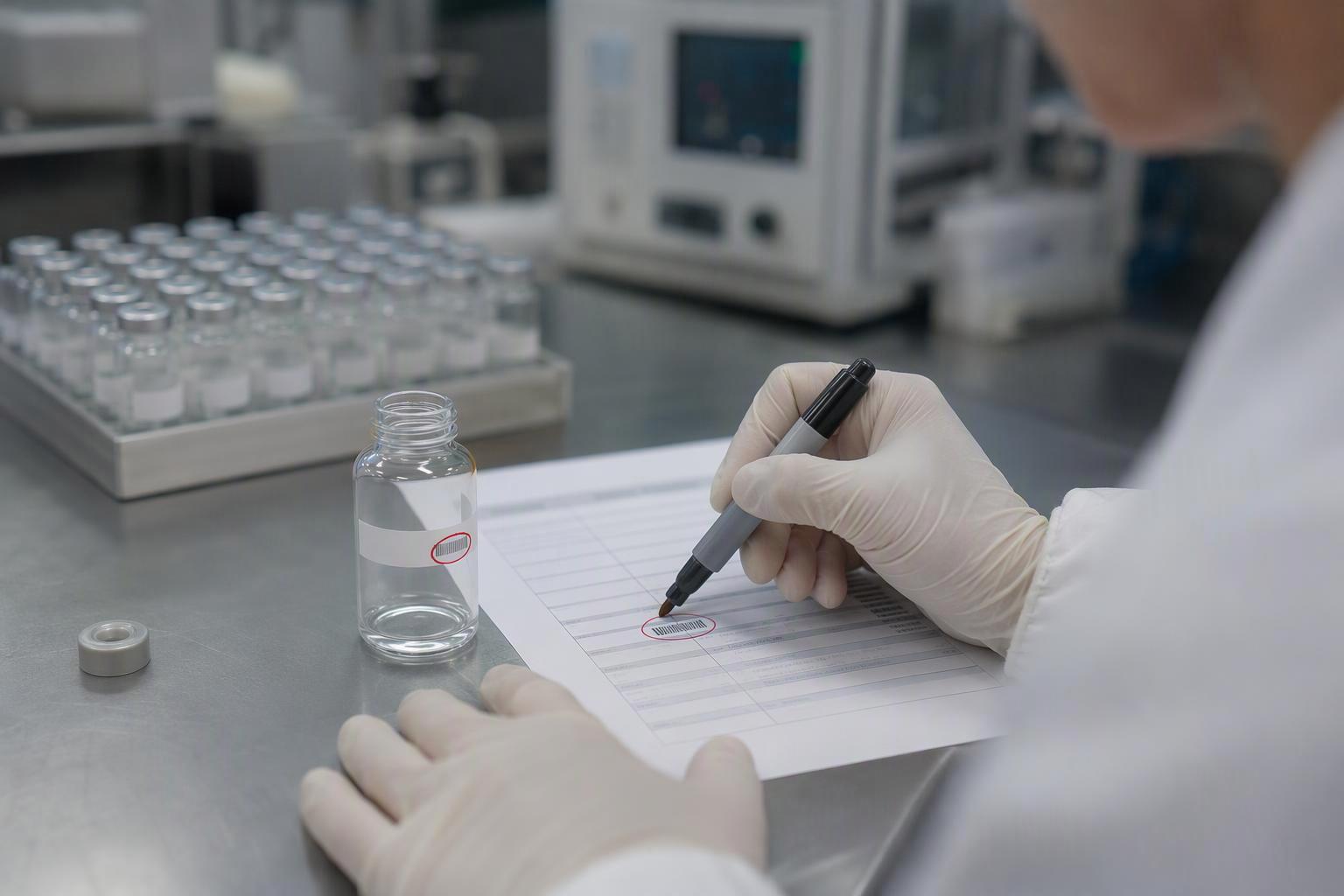
The first check costs nothing. The lot number on the vial must match the lot number on the CoA, and a mismatch invalidates the CoA for that vial. Everything downstream, from your supplier qualification file to a tech-transfer packet, depends on that single string of characters lining up.
A complete release package carries more than a purity figure: peptide identification, batch and lot number, manufacturing and testing dates, pasent nke ịdị ọcha, chromatogram nke HPLC, mass spectrometry results, appearance and solubility description, storage recommendations, and the testing laboratory’s details. When a supplier can produce a package of that shape, a documentation review has something to work with.
Bacterial contamination needs two separate questions answered, n'ihi na USP ⟨85⟩ and USP ⟨71⟩ answer different questions. USP ⟨85⟩ is a quantitative, LAL-based endotoxin assay that detects pyrogen, not live organisms, and the compendial endotoxin limit is defined as K/M, where K is the threshold pyrogenic dose per kilogram. For parenteral routes other than intrathecal, K = 5 USP-EU/kg for parenteral routes other than intrathecal; intrathecal products use 0.2 USP-EU/kg. USP ⟨71⟩ is growth-based instead: the media and incubation temperatures USP ⟨71⟩ specifies are Fluid Thioglycollate Medium at 32.5 ± 2.5 °C and Soybean–Casein Digest Medium at 22.5 ± 2.5 Celsius C, with membrane pore size not greater than 0.45 µm, and USP ⟨71⟩ requires incubation of not less than 14 days before a “no evidence of microbial growth” result means anything. A vial can fail one test and pass the other, so a CoA that reports only one has answered only half the question.
Ntugharị igodo: A certificate of analysis summarizes a lot; it does not prove sterility, elemental purity, or human-use suitability. Match the lot number first, then check whether both the endotoxin and sterility questions were actually asked.
Nyocha-Jiri ihe eji eme ihe megide ọgwụ akwadoro
The research-use-only (RUO) category is defined by intended use, not by the label on the vial. Dabere na the FDA’s research-use-only guidance, an RUO label is consistent only when the product has no intended medical or diagnostic purpose, and placing that label on a product does not by itself exempt it from clearance, nkwado, or other requirements if the actual intended use is clinical. The required statement, "Maka nyocha naanị. Not for use in diagnostic procedures,” describes a use restriction, not a regulatory status. Fmoc Protected Amino Acids
The same logic separates research-use peptides from approved medicines. As the FDA’s compounding questions and answers explain, compounded drugs are not FDA-approved, and a compounded drug is not a generic approved under section 505(j). Biologics are not eligible for the 503A or 503B compounding exemptions at all. Within compounding, the two pathways differ: 503A compounding is not subject to CGMP, while 503B outsourcing facilities are.
That distinction matters when a supplier implies that an RUO vial sits somewhere near the approved-medicine pathway. Ọ naghị eme ya. An RUO peptide is a laboratory material, and the label does not move it into a clinical category.
Nkwuputa: This article is not medical advice. Research-use materials are not approved medicines, and decisions about their use belong with a qualified professional.
Echiche ndị na-ezighi ezi gbasara nkwenye ogo Peptide
Five beliefs keep turning up in supplier conversations and audit findings, and each one mistakes a single link in the chain for the whole chain.
“≥98% on the CoA means the vial is safe.” A purity figure describes how much of the detected material eluted as one peak. It says nothing about what that peak is, what the remaining percentage contains, or whether the vial is sterile. The lot number on the vial must match the lot number on the CoA before the number even applies to the material in your hand.
“One HPLC trace establishes identity.” A single HPLC retention time cannot confirm mass, sequence or site of modification. Identity testing needs orthogonal methods, as covered in the identity testing section above.
“The CoA is the batch record.” It is a summary. USP ⟨85⟩ and USP ⟨71⟩ answer different questions, and neither is settled by a purity percentage.
“The RUO label settles the regulatory question.” The FDA’s research-use-only guidance addresses intended use, not quality. An RUO label does not make a vial a medicine, and it does not exempt it from contamination risk.
“Our supplier’s in-house testing is good enough.” In-house testing is not independent testing. A supplier testing its own material answers to itself.
Ntugharị igodo: A purity percentage is one link. njirimara, profaịlụ adịghị ọcha, ịmụ nwa, traceability and independent verification are the others.
Ajụjụ a na-ajụkarị
Kedu ihe nkwenye ogo peptide pụtara n'ezie na omume?
It means confirming a vial’s identity, ịdị ọcha, profaịlụ adịghị ọcha, and documentation as separate, checkable claims rather than accepting one purity figure. In practice that covers orthogonal identity testing, profaịlụ adịghị ọcha, elemental and microbial safety data, and a certificate of analysis that ties each result to the batch in hand.
Bụ pasentị ịdị ọcha naanị bụ ihe akaebe nke ịdị mma?
Mba. A purity figure describes how much of the detected material elutes as the main peak, not what the remaining percentage contains or whether the peptide is the right sequence. Identity testing and impurity profiling answer those questions separately.
Kedu ka m ga-esi lelee na akwụkwọ nyocha dabara na vial dị n'aka?
Match the lot or batch number on the vial label to the one on the certificate, then confirm the test methods, nkọwa, and release dates are stated for that same lot. A certificate that reports results without a lot identifier cannot be tied to a specific vial.
Kedu ihe dị iche n'etiti USP ⟨71⟩ na USP ⟨85⟩?
USP ⟨71⟩ requires incubation of not less than 14 days and accepts a lot only when it shows no evidence of microbial growth, while USP ⟨85⟩ covers bacterial endotoxins, the pyrogenic cell-wall fragments that sterility testing does not detect. The two tests answer different questions and are not substitutes.
Enwere ike iji peptides mee nyocha n'ime mmadụ?
Mba. the FDA’s research-use-only guidance restricts these materials to laboratory research, and they are not approved medicines. Products labeled for research use have not been evaluated for human safety, dosing, or manufacturing controls.
Ebe a na-achịkwa ndu na ihe adịghị ọcha?
I Q3D(R2), the elemental-impurities guideline, sets the risk-assessment and control framework for elemental impurities including lead, classified by toxicity and route of administration. Compliance is demonstrated through the supplier’s risk assessment and, ebe achọrọ, testing against the guideline’s limits.
Kedu ihe m ga-eme mgbe akwụkwọ nyocha na-efu nkọwa usoro?
Request the missing method information in writing, and treat the certificate as incomplete until it arrives. A certificate that omits the test method, nkọwapụta, or acceptance criterion cannot be independently evaluated, so the gap itself is the finding. The contamination leads discussed above remain reported as unverified leads, so treat them as a prompt to verify your own documentation rather than as confirmed findings.
Mmechi
Quality is a documented chain of evidence, and a purity number is one link in it, not the chain. That is the whole of peptide quality verification: a raw-material record, a controlled handling environment, an identity result, profaịlụ adịghị ọcha, a certificate of analysis that matches the vial in hand, and a clear statement of which category the material belongs to. Each link answers a question the others cannot, which is why orthogonality as a principle matters more than any single test result.
The standards behind that chain are versioned rather than annual, so the framework does not expire the way a trend does. I Q2(R2), finalised in March 2024, is the current analytical-procedure guideline, and it will be superseded by a dated revision rather than quietly replaced. Build your checklist against the documents, and it stays usable.
Two things before you act on any of this. This article is educational and is not medical advice; consult a qualified professional before making medical decisions. Some links on this page may be commercial.
Your next step is small: ask a supplier for the full documentation package behind one lot, or run your current supplier against a qualification checklist and see which links hold.