Foto nhazi ahụ gbanwere na nhazi ụbọchị, a na-edekwa usoro ọ bụla. Na Julaị 23, 2026, nke Peeji nke Kọmitii Ndụmọdụ Mgbakọ Ọgwụ nke FDA edepụtara BPC-157 (ntọala efu) na BPC-157 acetate maka nyochaa megide ulcerative colitis ojiji, ya na ihe nkowa okwu na-atụ aro ihe ndị ahụ ọ bụghị gbakwunyere na 503A Bulks List. Kọmiti ahụ mere ntuli aka 8–6 na otu ọjụjụ iji kwado itinye ha na agbanyeghị, dị ka McDermott gụrụ na nsonaazụ PCAC ihe ndekọ.
Ntuli aka ahụ akwadoghị ịgbakọta n'iwu. FDA gwara nzukọ ahụ na ọ "dịkarịghị iche" na ndụmọdụ PCAC, mana mgbakwunye ikpeazụ chọrọ nkwuputa-na-nkwupụta iwu nke nwere ike ịbanye 2027 ma ọ bụ gbasaa ruo ọtụtụ afọ. Ruo mgbe ahụ, BPC-157 na-anọdụ na mpụga Udi 1 wee pụọ na ndepụta 503A Bulks ikpeazụ.
Ndị mmanye echereghị usoro iwu. Akwụkwọ ozi ịdọ aka na ntị CDER ise dị ụbọchị Ọgọst 24, 2026 gara ndị na-ere peptide n'ịntanetị, na ise niile kwuru na "iji naanị nyocha" ebe saịtị ha na-ebu ozi dosing, ntuziaka injection na ihe mgbako dose. Na June 2026, Ụlọ ọrụ ahụike Alabama gbochiri ndị dọkịta iche ka ha ghara ịgbakọta, na-enye ma ọ bụ na-enye ndị ọrịa peptides ọkwa nyocha.
Ihe Mere Nchọpụta-Naanị Labeling abụghị usoro ọchịchị
Naanị iji nyocha-bụ nkwupụta nke ebumnuche ebumnuche, ọ bụghị ọta iwu. FDA ka nwere ike ịchọta ọgwụ ọhụrụ na-akwadoghị ebe ebe nrụọrụ weebụ onye na-ere ahịa n'ozuzu ya na-egosi ojiji mmadụ, n'okpuru Nkebi 201(g)(1) na Nkebi 301(d) na 505(a) nke FD&Iwu C, dị ka Arent Fox Schiff na-akọwa na Septemba ya 18, 2026 nyocha nke August 24, 2026 akwụkwọ ozi ịdọ aka ná ntị. Akwụkwọ ozi ndị ahụ bụ mmanye mmanye ọgwụ ọhụrụ na-akwadoghị, na otu nyocha ahụ na-emetụta ọkọlọtọ net-mpress: Asụsụ ahịa nwere oke ka nwere ike ime ka ahaghị ngwaahịa ma ọ bụrụ na foto ahịa n'ozuzu ya na-egosi ojiji mmadụ.
Ọdịiche ahụ bụ nyocha niile ejiri naanị na nkwupụta ọgwụgwọ. Akara anaghị achịkwa ihe ibe gbara ya gburugburu, foto ngwaahịa, asụsụ dosing, ma ọ bụ akaebe ndị ahịa na-ekwurịta okwu.
Ụdị ọdịda ahụ nwere ike ịkọ. Onye na-ebubata ihe na-etinye stampụ RUO na vial, wee bipụta ibe na-agụ dị ka ndepụta ngwaahịa ndị ahịa, na akara na-akwụsị ịrụ ọrụ ọ bụla. Ọchịchị pụtara ịchịkwa akara, na-enyocha nkwupụta tupu mbipụta, na-achịkwa nke ọwa na-ebu ngwaahịa, na ịnara akụkọ ọjọọ kama ịtụfu ha.
Kedu Asambodo nyocha nke Batch akọwapụtara yana ihe ọ naghị eme
Asambodo nyocha nke batch maka peptides nyocha bụ akwụkwọ kacha nta onye na-ebubata ga-enwe ike imepụta., na ọ bụ akwụkwọ a na-emehiekarị maka ihe akaebe nke ịdị mma. Ọ na-egosi na mmadụ nwalere nza aha ya wee depụta nsonaazụ ya. Ọ pụtaghị na onye mere ule ahụ, Kedu usoro ha ji mee ihe, ma ọ bụ ma ihe dị na vial ọ dabara na ihe dị na label.
Nke 2024 ogo multifactor na nyocha nchekwa nke ngwaahịa semaglutide sitere na ụlọ ahịa ọgwụ ịntanetị na-akwadoghị, bipụtara na Akwụkwọ akụkọ nyocha ịntanetị ahụike, nwalere vials atọ zụtara n'aka ndị na-ere ihe n'ịntanetị. Ọdịnaya semaglutide tụrụ atụ gafere ego akpọrọ site na +28.56%, +38.69% na +33.58%, megide +5.05% maka nkọwa Ozempic 1 mg pen (JMIR, 2024). Otu ihe atụ atọ lyophilized ahụ enweghịkwa microorganisms nwere ike ime n'oge ule, nke na-egosi ka otu nsonaazụ gafere dị warara: Ọnụ ọgụgụ microbial dị ọcha ekwughị ihe ọ bụla gbasara ihe na-arụ ọrụ nke vial nwere.
Oke mkpa ebe a. Mpempe akwụkwọ atọ, otu ngwakọta, zụrụ n'aka ndị na-ere ihe n'ịntanetị, nwalere na 2024. Nchọpụta ahụ abụghị nke a na-ahụkarị maka ngwaahịa isi awọ ọ bụla, na ọ naghị akọwa CoA nke ndị na-ebubata ya n'ozuzu ya. Ọ na-egosi ihe akara akara na ihe anụ ahụ nwere ike ịbụ iche iche.
Oke nke ule ịdị ọcha nke HPLC maka Peptides
A 98% ma ọ bụ 99% Ọnụ ọgụgụ ịdị ọcha HPLC na-atụ otu usoro n'okpuru otu ọnọdụ. Ọ bụghị nkwupụta banyere ihe ọzọ dị na vial. Nke Edepụtara oke nke otu ụzọ HPLC mkpebi ịdị ọcha bụ structural kama na mberede: adịghị ọcha na-ejikọta ọnụ nwere ike zoo n'okpuru isi peptide kacha elu, na nchọpụta UV nso 214 ka 220 nm misses species that absorb weakly or not at all, including sugars, glycols, lipids, salts and buffer residues (PMC, “HPLC Analysis and Purification of Peptides”; the article is undated, retrieved for this review).
The number is also method-dependent. Chemistry kọlụm, gradient, usoro mkpanaka, ogologo oge nchọpụta, flow rate and integration parameters all shape the result, so two laboratories can report different purities for the same lot without either being wrong.
That is why a purity percentage establishes neither identity nor safety. Orthogonal mass-spectrometric confirmation is what ties the peak to the intended sequence, and it says nothing about residual trifluoroacetate counterion content, ihe fọdụrụ ihe mgbaze, water content or bioburden. Those are separate measurements, reported separately, or not reported at all.
Endotoxin na akwụkwọ akụkọ ọmụmụ: Ajụjụ abụọ dị iche iche
A supplier that reports “sterility tested” has answered one question and left another open. Endotoxin and sterility documentation for research peptides are two separate records, and a lot can pass one while failing the other. USP <85> ule endotoxins nke nje bacteria, usually run as a Limulus amebocyte lysate (LAL) nyocha, is quantitative for endotoxin only, reported in endotoxin units (EU) or EU/mg, and it does not detect viable microbes. USP <71> sterility testing is growth-based instead: the standard’s described method uses membrane filtration or direct inoculation into two media, fluid thioglycollate and soybean-casein digest, incubated for not less than 14 ụbọchị, with the primary USP <71> document as the authority to check rather than a lab summary.
That distinction matters because a clean endotoxin figure is not a clean lot. In the three BPC-157 vials tested by researchers and published in JMIR, endotoxin ranged from 2.1645 ka 8.9511 EU/mg, which is a quantitative endotoxin result, not a sterility result.
Ntugharị igodo: LAL versus USP <71>
| Usoro | Detects | Cannot detect | | LAL (USP <85>) | Endotoxin, quantitatively, in EU or EU/mg | Viable bacteria, fungi, or any non-endotoxin contaminant | | Ịgba nwa (USP <71>) | Viable microorganisms that grow under the test conditions | Endotoxin, and any organism that does not grow in the two media used |
A lot-matched result requires both tests run on the same lot number, with the lot number printed on each report.
Ogo nke ndị na-eweta Peptide na usoro ọchịchị
A peptide supplier quality and governance framework is a set of auditable evidence requests, not a certificate you file once. Each dimension below works the same way: you request a specific record, it proves one bounded thing, and past that boundary it proves nothing. Run the six dimensions as a checklist before qualification and at every re-qualification.
The sequence is what the label claims, independent of retention time
Nothing about purity of species that co-elute
Endotoxin na ịmụ nwa, lot-tied
LAL endotoxin result and sterility result naming the specific lot
Those two attributes wereDipeptide 2measured on that lot
Nothing about other bioburden or handling after the vial is opened
Mkpesa, solvent and water content
Residual counterion, residual solvent and Karl Fischer water data where the synthesis route makes them relevant
The stated salt form and water content match the label
Nothing about stability over time
Change control and deviation records
Deviation/CAPA log and change-notification terms for the product
You learn about process changes instead of discovering themDipeptide
Nothing about changes the supplier does not classify as reportable
Ntozu ndị na-eweta ngwaahịa Pna Synthesis ihe akaebe
Audit report or questionnaire response, ISO 9001 oke, site and contact details
The quality system behind the batch exists and can be inspected
Nothing about the specific lot’s analytical results
The peptide supplier quality and governance framework only holds if the records stay attached to the material. One caution on the first row: a batch-specific certificate of analysis for research peptides is only as strong as its lot linkage. A CoA without the shipped lot number is a marketing document, not a release record. Custom Peptide Synthesis Companies
Atụmanya akwụkwọ na omume
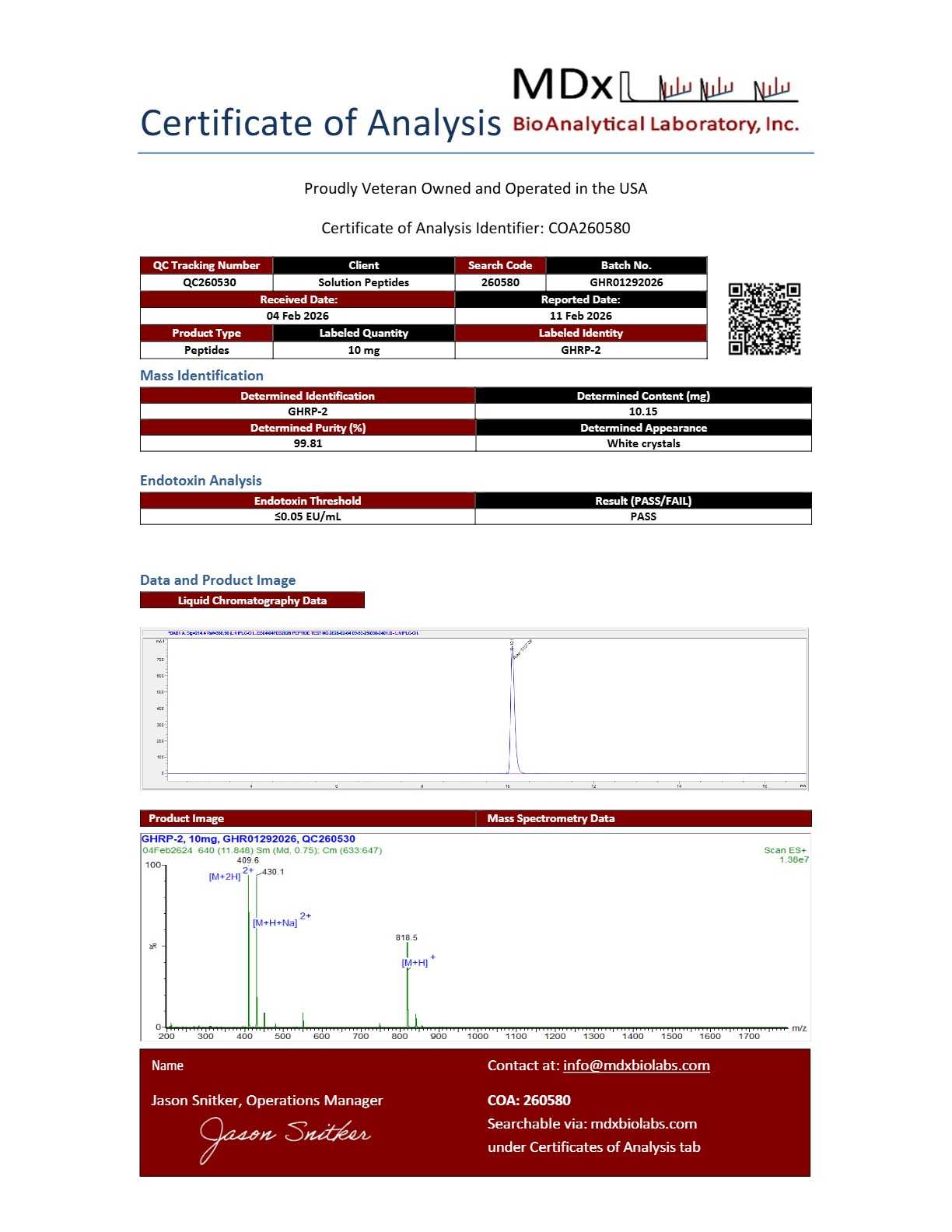
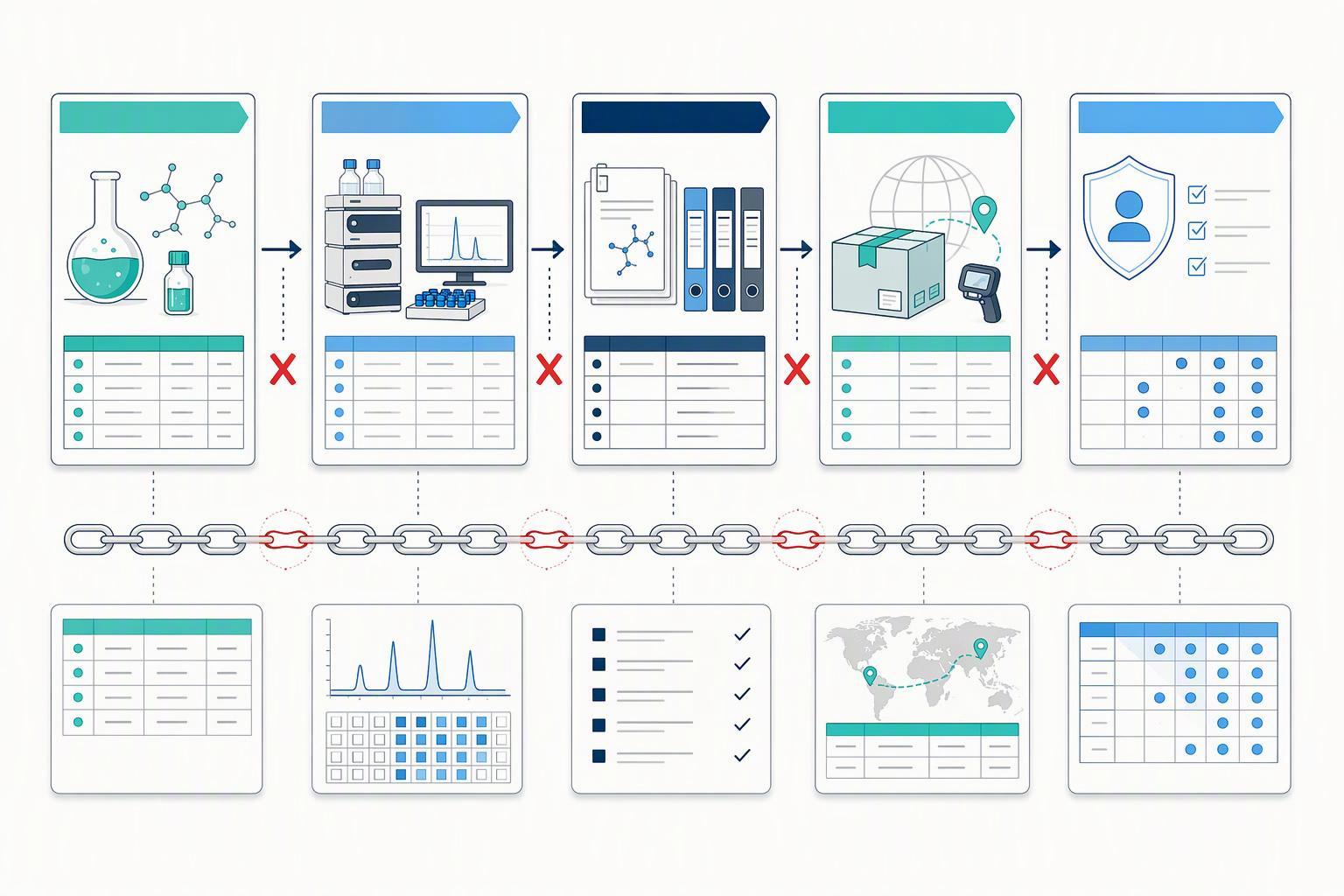
A lot-matched release package is a set of documents that all carry the same lot number and all describe the same physical material. In practice it usually contains four things: a batch-specific certificate of analysis, the chromatogram that produced the purity figure, the mass spectrum that confirms identity, and any endotoxin or sterility result claimed for that lot. The chain breaks when one of those documents is generic rather than lot-specific.
Three failures show up repeatedly. A supplier reuses a single CoA across multiple lots, so the purity figure describes a reference batch rather than the vial in hand. A chromatogram is supplied without its integration table, which means the reader cannot see how the purity percentage was calculated or which peaks were excluded. Endotoxin testing is claimed on the CoA but the supporting report is not lot-matched, leaving no way to connect the result to the material shipped.
MOL Mgbanwe na-arụ ọrụ Klas 100 ultra-sterile cleanroom production with per-lot analytical release documentation including batch chromatogram and MS. Two gaps remain unresolved in the material available for this article: the specific cleanroom and environmental-monitoring evidence behind that production claim, and the exact wording of the brand’s research-use-only label. Neither should be inferred. Ask for both directly, and treat a supplier who cannot produce them as a supplier whose documentation chain has not been demonstrated.
Na-amalite: Itozu onye na-ebubata tupu iwu mbụ
Start with one request: a lot-matched release package for a specific catalog number. Ask for the certificate of analysis, chromatogram and spectrum tied to the lot number printed on the vial you would actually receive. If the CoA references a different lot, or a “representative” lot, you have learned something useful before spending anything.
Then check that identity confirmation is orthogonal to the purity method. A mass spectrometry result and an HPLC purity figure answer different questions; two readings of the same chromatogram answer one. Where a supplier cannot show a second, usoro nke onwe, treat identity as unconfirmed.
Nke atọ, get change-control and deviation handling in writing before scale-up. Ask how you will be notified if a synthesis route, kọlụm, or testing laboratory changes, and who signs off on a deviation. A supplier who answers this in a document is easier to qualify than one who answers it in a call.
Maka ndụmọdụ:Run these three checks on a small first order. The documentation package costs the supplier little and tells you more than any capability page.
To work through the full framework with your own catalog numbers, request a documentation package or talk to an expert. This article is published by a peptide supplier, so treat the criteria here as a buyer’s checklist rather than neutral advice.
Ajụjụ a na-ajụkarị
Kedu ihe kwesịrị ịnwe asambodo nyocha nke batch maka nyocha peptides?
It should tie one document to one lot number and report methods, not just results. Opekempe: peptide sequence and lot number, the purity method (typically HPLC-UV or HPLC-CAD), the identity method (uka spectrometry), the quantity method (amino acid analysis or UV content), and the acceptance criteria each result was judged against. A purity figure with no method, no lot and no specification is a number, ọ bụghị akwụkwọ.
Nchọpụta na-eji naanị akara akara na-echebe onye na-ebubata ya?
Mba. RUO is a distribution control, ọ bụghị ọta iwu. It tells the buyer the material is not intended for human or veterinary use, but it does not protect a supplier from responsibility for misleading therapeutic claims or marketing that implies clinical benefit. A supplier that stamps RUO on the vial while implying therapeutic use elsewhere has created a contradiction, not protection.
Kedu ihe nyocha ịdị ọcha HPLC anaghị agwa gị?
An HPLC purity figure tells you the proportion of the main peak by the detector’s response, and nothing about what the remaining percentage is. It does not identify residual counterions such as trifluoroacetate, ihe fọdụrụ ihe mgbaze, mmiri ọdịnaya, or the impurity peaks themselves. Independently tested research peptides have measured as low as 7.70% purity against 99% label claims, which shows how far a headline number can sit from the underlying reality.
Na endotoxin na ịmụ nwa na-anwale otu ihe?
Mba, and treating them as interchangeable is a common documentation error. Endotoxin testing measures lipopolysaccharide, typically by the LAL method in USP <85>. Sterility testing looks for viable microbial contamination, typically by membrane filtration or direct inoculation under USP <71>. A product can pass one and fail the other.
Kedu ka ị ga-esi agwa onye na-eweta nyocha ziri ezi site na nke a na-enyo enyo?
A legitimate research supplier answers specific questions with specific documents. Ask for the batch-specific certificate of analysis with lot number and methods, the chromatogram and mass spectrum for that lot, the endotoxin and sterility methods by name, and the facility’s quality certification. A supplier that responds with a generic brochure, a purity percentage with no method, or a refusal to name the testing laboratory is telling you what its documentation is worth.
Mmechi
The single most important thing to carry away is that documentation is a chain the buyer has to test, not a document the supplier hands over. Akwụkwọ nyocha, chromatogram, an endotoxin result and a sterility statement each answer a narrower question than the folder they arrive in suggests, and the gaps between them are where risk accumulates. The peptide supplier quality and governance framework in this guide exists to make those gaps visible before an order is placed, not after a batch is in hand.
The enforcement record is moving quickly. The August 2026 warning letter set reflects the state of regulatory attention at that moment and may be superseded as further actions are published, so treat it as a dated snapshot rather than a settled position. Re-check the primary sources directly when a qualification decision depends on them.
The next step is small and concrete: pick one supplier already on your list, request the batch-specific records for a single lot, and trace each claim back to the method that produced it.
Onye isi ọrụ teknụzụ; Ọkachamara Synthesis PeptideỌkachamara isi: Mgbagwoju anya peptide njikọ, mgbanwe nke amino acid na-abụghị eke, na iwu nke peptides cyclic na stapled peptides.
Akụkọ ndụ:Zejun Peng nwere ahụmịhe dị ukwuu na kemịkalụ organic na njikọ peptide. Ọ maara nke ọma n'ijikọta ngwa ngwa nke siri ike-phase peptide synthesis (SPSS) na mmiri mmiri-phase peptide njikọ (LPPS), ma bụrụ ọkachamara kachasị n'imeri usoro "usoro siri ike ịmekọrịta" (dị ka peptides ultra-long-chain, nnukwu hydrophobic usoro, na otutu disulfide mpịachi). N'okpuru nduzi ya, otu ahụ nke ọma merie teknuzu bottlenecks na ọtụtụ pụrụ iche mgbanwe (dị ka N-methylation, PEGylation, na akara fluorescent), na-ejigide ọnụ ọgụgụ ihe ịga nke ọma nke ihe karịrị 98%.
Ndewo! 👋 Nabata na mgbanwe MOL. Kedu ka anyị ga-esi nyere gị aka taa? Enwere onwe gị ịjụ maka njikọ peptide anyị, Ọrụ CRO, or any product inquiries — just type your message below and we'll continue the conversation on WhatsApp.