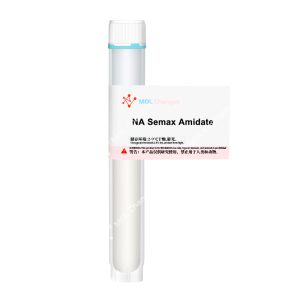
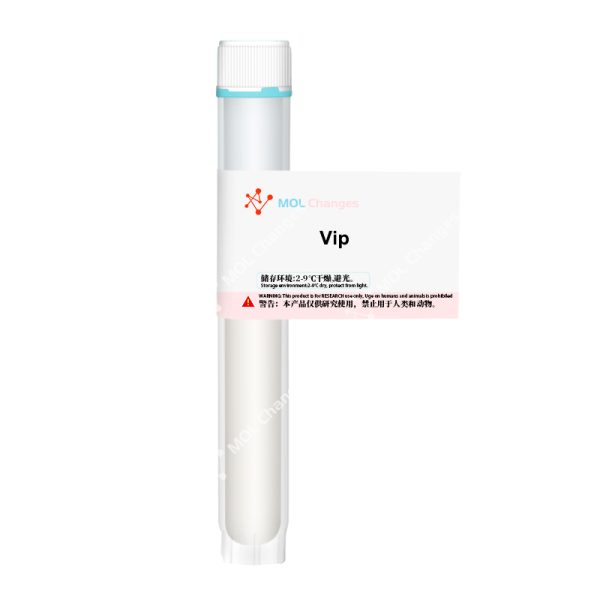
VIP (peptide intestinal vasoactive, PHM27)
VIP, Mkpirisi maka Vasoactive Intestinal Peptide, is a crucial neurotransmitter and a regulatory peptide. Ebe ọ bụ na nchoputa ya, the potent and highly diverse physiological effects it exhibits have played a large role in interdisciplinary research; neuroscience, immunology, and endocrinology being prime examples.
First identified within small intestinal tissue extracts, vasodilation was and still is its initially recognized function, effectively lowering blood pressure. Ongoing scientific advancements have allowed for the more recent identification and refinement of numerous other functions VIP possesses.
Current research points to VIP being neuronally synthesized and released, with a near universal distribution throughout both central and peripheral nervous systems. Presence of VIP has even been detected in nerve fibers of multiple systems – respiratory, digestive, urogenital to name a few – all indicating a significant neuromodulatory role.
Multiple vital processes are regulated by VIP, mmụba cell being one example. Neurodegenerative diseases, acute/chronic inflammatory conditions, autoimmune disorders, and even cancer – all benefit from VIP’s current and potential future treatment applications.
Usoro
His-Ser-Asp-Ala-Val-Phe-Thr-Asp-Asn-Tyr-Thr-Arg-Leu-Arg-Lys-Gln-Met-Ala-Val-Lys-Lys-Tyr-Leu-Asn-Ser-Ile-Leu-Asn-NH2
Nọmba CAS
40077-57-4
Usoro ihe omimi
C147H237N43O43S
Ibu molekụla
3326.83
Research Of VIP Peptide
1.Overview of VIP’s Multisystem Physiological Functions
Within the nervous system itself, VIP serves as that all encompassing neurotransmitter; neuroprotection, various types of neuronal survival and differentiation all being regulated by it. Biological rhythms are at least partially controlled by VIP.
The respiratory system specifically sees VIP modulating bronchodilation (and associated pulmonary vasodilation), suppression of certain inflammatory responses, intestinal motility, gastric acid secretion, fluid/electrolyte secretion, and sphincter relaxation.
Central Nervous System specific regulation and protection is the most interesting area of study currently being pursued. Learning and memory, ọbụlagodi na akụkụ, are being redefined through VIP’s influence.
2.Regulation of Respiratory Bronchodilation and Anti-Inflammatory Effects
Among its initially identified functions, VIP exhibits pronounced bronchodilator and pulmonary vasodilator effects. Activating specific receptors on both airway and vascular smooth muscle cells, it elevates various hormone expression levels; smooth muscle contraction is subsequently stimulated, effectively alleviating the more commonly observed bronchial hypertension.
Clinical trials for asthma and chronic obstructive pulmonary disease have shown VIP to significantly suppress abnormal proliferation and migration of tracheal smooth muscle cells; improvement in patients’ quality of life, and to some small degree disease progression, is a direct result of these actions.
3.Regulation of Digestive System Function
Originally discovered in the gut, VIP serves as a non-adrenergic, non-cholinergic ihe mgbochi neurotransmitter. Modifying intestinal peristalsis is one of its primary roles, smooth muscle relaxation being carefully regulated; intestinal epithelial cells are stimulated to secrete water and chloride ions (lubrication being the end goal), gastric acid secretion from parietal cells also being inhibited.
Maintaining some form of equilibrium within the entire digestive system is what VIP is responsible for.
4.Immune Modulation
As a key messenger molecule within an endocrine signaling network, VIP’s anti-inflammatory, near-constant antioxidant, and all round immunoregulatory functions are of great interest. Suppression of macrophage based pro-inflammatory cytokines (inhibiting inflammation at source if possible), anti-inflammatory factor release, na ruo n'ókè T-cell differentiation, are all part of VIP’s broader immune regulating capacity.
Clinical trials are currently exploring VIP’s potential in a wide array of severe or chronic inflammatory diseases.
COA
HPLC
MS