

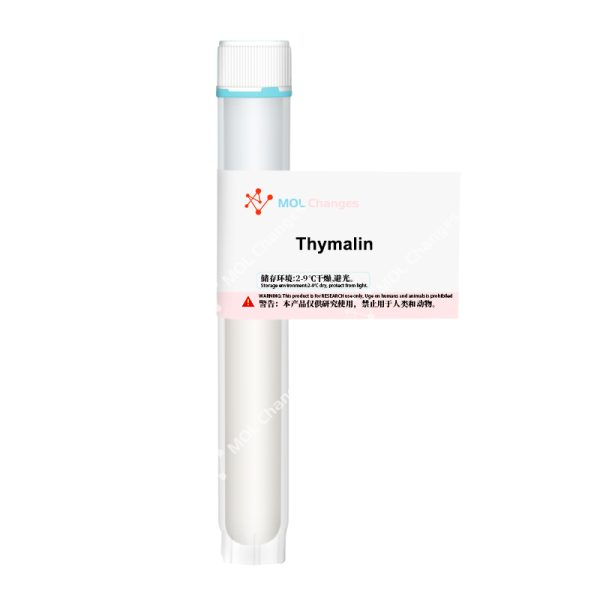
Thymalin(Thymulin) is a bioactive polypeptide secreted by thymus tissue; derived from extracts of that tissue itself. It acts precisely and multi-targetedly to regulate and enhance various aspects of cellular immune function within the body. It spontaneously stimulates T lymphocyte maturation, lymphokine production, natural killer cell activity, and thereby strengthens immune surveillance, defense, and clearance functions.
Clinically, it is indicated for treating different forms of immunodeficiency disorders – congenital being a prime example, as well as chemotherapy-induced T-cell dysfunction. Significant improvement in patients’ overall immune levels are observed, providing long term support. Reversing age-related thymic atrophy and the subsequent functional decline is also well documented; restoration of immune function is a direct result of this process. Elderly disease resistance can be bolstered through Thymalin use.
Thymalin, as a potent immunomodulatory peptide, holds core value in maintaining immune homeostasis and overall health.
Sequence
Pyr-Ala-Lys-Ser-Gln-Gly-Gly-Ser-Asn-OH
CAS Number
79621-14-0
Molecular Formula
C33H54N12O15
Molecular Weight
858.864
Research Of Thymalin
1.Treatment of Immunodeficiency
Various acquired and congenital immunodeficiencies are effectively managed by Thymalin. Direct action on T lymphocytes (the ‘core’ immune cells) is central to this effect.
Long-term chemotherapy patients show clear clinical improvement in all measurable immune parameters. Defense capabilities, and to a large extent quality of life, are enhanced.
2.Boosting Immunity in Aging Individuals
The thymus undergoes significant involution in aging individuals, leading to reduced thymic hormone secretion and consequently decreased T-cell output. Diminished resistance to various bacterial infections is a well-documented consequence.
As an exogenous thymic signaling agent, Thymalin mimics the natural thymic microenvironment. Stimulating residual epithelial cell activity, T-cell generation is promoted and a more diverse T-cell repertoire can be restored.
Enhancing immune function of the aging individual is the primary effect; notably the immunomodulatory aspects play a crucial role in counteracting some aging processes.
3.Cancer Adjuvant Therapy
Thymalin serves as a valuable adjunct in comprehensive cancer treatment. Modulating multiple immune responses against cancer cells is its defining capability.
Bone marrow suppression from either radio- or chemotherapy is effectively mitigated, facilitating faster white blood cell recovery. CD8+ cytotoxic T cell activity and CD4+ function are enhanced, improving the overall immune response against tumors.
Inhibiting progression, recurrence, and metastasis, Thymalin can synergize with modern therapies – patient survival and quality of life are positively influenced.
In cancer treatment, prolonged chemotherapy compromises the patient’s immune function, increasing susceptibility to secondary illnesses. Improving the quality of life of cancer patients is a key benefit Thymalin provides.
4.Managing Infections
Acute and chronic infections are likewise treated effectively; enhancing pathogen clearance, shortening disease duration and accelerating self-healing of damaged tissue are all part of its therapeutic profile.
5.Promoting Tissue Repair and Regeneration
Clinical practice has shown Thymalin to accelerate healing after surgery, burns, trauma, ulcers, etc., improve healing quality, and reduce scarring.
Upregulation of cellular differentiation factors and growth pathways is implicated. This potent cellular regenerative capacity is demonstrated by Thymalin.
COA
HPLC
MS