سد توقعات ML الببتيد إلى تسلسلات جاهزة للمختبر: دروس من النماذج ذات الميزات الكبيرة ودراسات التصميم
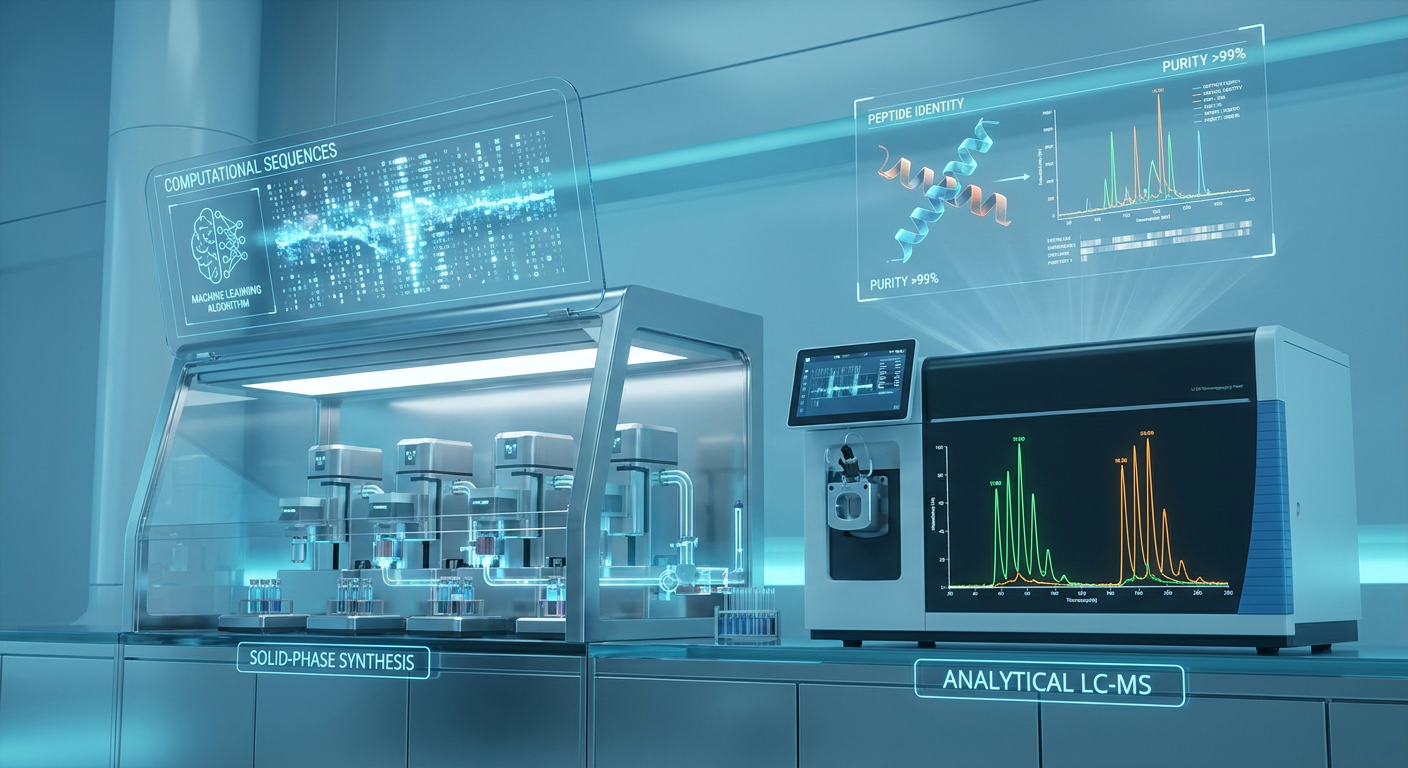
الذكاء الاصطناعي التوليدي, خوارزميات الانتشار, وقد غيرت النماذج اللغوية ذات الميزات الكبيرة مسار اكتشاف الببتيد. يمكن للمنصات الحسابية تقييم مليارات التسلسلات المرشحة في ساعات, تسجيل المرشحين للتقارب الملزم, انتقائية المستقبلات, والبنية الثانوية المتوقعة. لكن, تواجه فرق البحث في كثير من الأحيان انخفاضًا حادًا في معدلات النجاح عند الانتقال من اختبارات السيليكو إلى الاختبارات المعملية الرطبة. الببتيد الأمثل حسابيًا والذي يسجل أعلى النتائج 0.1% قد تفشل الشاشة الافتراضية تمامًا أثناء تخليق الببتيد في المرحلة الصلبة (برنامج SPSS), الكلي أثناء انقسام TFA, أو تشكل تجمعات غروانية تنتج إشارات إيجابية كاذبة في فحوصات الفحص.
ترجمة تنبؤات التعلم الآلي إلى قابلة للاختبار, تتطلب الببتيدات عالية النقاء إطارًا لفرز التسلسل مدركًا تجريبيًا. بدلاً من التعامل مع المخرجات الحسابية كمرشحين نهائيين, تطبق فرق الاكتشاف الرائدة مرشحًا ثانويًا لقابلية التصنيع يقوم بتقييم حدود التجميع الفعلي, يقدم كيمياء التعديل التي يمكن التنبؤ بها, ويخضع المرشحين لخط أنابيب للتحقق المتعامد من 4 مستويات قبل الاستثمار في اختبارات حيوية واسعة النطاق.
لماذا تولد نماذج التعلم الآلي حالات فشل في Wet-Lab
تعمل معظم نماذج التعلم العميق لتصميم الببتيد في طاقة مثالية أو مساحة هيكلية. تعمل الخوارزميات المدربة على الهياكل البلورية الثابتة PDB أو بيانات التقارب على تحسين طاقة التفاعل المستهدفة, التكامل الكهروستاتيكي, واستقرار ثنائي السطوح العمود الفقري. لكن, نادرًا ما تتضمن هذه النماذج الفيزياء الكيميائية لاستطالة سلسلة الببتيد التدريجي على دعامة صلبة.
عندما يقوم النموذج الحسابي بإنشاء تسلسل 20 مير أو 30 مير غني بالمخلفات الكارهة للماء, زخارف تعزيز ورقة β, أو سلاسل جانبية ضخمة, إنه يتجاهل الآليات الفيزيائية لتجميع الببتيد. أثناء تخليق الببتيد في المرحلة الصلبة Fmoc, مع وصول سلسلة الببتيد المتنامية 8 ل 15 الأحماض الأمينية على طول, يمكن أن يؤدي الترابط الهيدروجيني بين السلاسل وداخل السلسلة إلى تكوين هيكل ثانوي للصفائح مباشرة على مصفوفة الراتنج. هذه الظاهرة, المعروف باسم تجميع الراتنج, يقيد تورم المذيبات ويحمي أمين الطرف N من الأحماض الأمينية المنشطة الواردة.
الوجبات الجاهزة الرئيسية: لا تضمن درجات الربط الحسابية العالية إمكانية التركيب المادي. غالبًا ما تركز مخرجات التعلم الآلي غير المصفاة على المخلفات الكارهة للماء والصفائح التي تسبب تراكمًا شديدًا للراتنجات, اقتران غير كامل, والشوائب المقطوعة أثناء تخليق المرحلة الصلبة.
يؤدي تجميع الراتنج إلى وضعين أساسيين للفشل في تنفيذ المختبر الرطب:
- إزالة الحماية Fmoc غير كاملة: يقيد التجميع بين السلاسل وصول البيبيريدين إلى مجموعة N-terminal Fmoc. في تركيب التدفق, ويتجلى هذا في شكل ملفات تعريف مسطحة وموسعة لإزالة الحماية من الأشعة فوق البنفسجية. في التوليف دفعة واحدة, إزالة الحماية غير الكاملة تترك مقطوعة, محمية Fmoc, أو المنتجات الجانبية الأسيتيلية التي يصعب فصلها عن الببتيد المستهدف بواسطة HPLC تحضيري عكسي الطور.
- التوهين اقتران والعائق الفراغي: المخلفات المجاورة ضخمة أو كثيفة الشحن (مثل الارجنتين المتتالية, مع, فال, أو مجموعات ليو) خلق الازدحام steric المحلية. اختبارات الاقتران اللونية القياسية, بما في ذلك النينهيدرين وTNBS, غالبًا ما تعطي نتائج سلبية كاذبة بمجرد حدوث انهيار شديد في الراتينج, إخفاء السلاسل غير المتفاعلة حتى يكشف قياس الطيف الكتلي عن تسلسلات حذف واسعة النطاق.
مرشحات تصنيع التسلسل الكمي
لمنع التسلسلات المسدودة من الدخول إلى خط أنابيب التوليف, يجب أن تمر النتائج الحسابية عبر مرشحات الفرز الكمي قبل بدء التخليق الكيميائي.
جيل المرشحين (في سيليكو) → قابلية التصنيع & فحص التجميع → التعديل الكيميائي & استراتيجية الحماية ← تجميع SPPS الفيزيائي ← مراقبة الجودة البيوفيزيائية المتدرجة
1. في الخط إزالة الحماية Fmoc & مقاييس تجميع الحلول
يجمع فحص قابلية التوليف بين آثار تخليق التدفق التاريخية وقواعد الكيمياء الفيزيائية. هناك مقياسان رئيسيان يحددان مخاطر التجميع:
- عامل التجميع (ل): مشتق من امتصاص الأشعة فوق البنفسجية في الخط أثناء إزالة Fmoc في تخليق التدفق, يتم تعريفه على أنه الفرق بين عرض ذروة إزالة الحماية وارتفاعه (AF = ثₙ – حₙ). تسلسلات عرض AF > 20 أو ذروة إزالة الحماية توسيع أكبر من 20% نسبة إلى الدورات المبكرة تحمل مخاطر تخليق شديدة. كما بينا في دراسة كيمياء الطبيعة على تجميع تخليق الببتيد (2026), يؤدي تكوين التسلسل والتجمعات الكارهة للماء إلى حدوث هذه الحالات الشاذة في إزالة الحماية.
- مؤشر التجميع (منظمة العفو الدولية): يقيم التجميع الغروي لحالة المحلول باستخدام قياس الطيف الضوئي للأشعة فوق البنفسجية عبر طولين موجيين: منظمة العفو الدولية = (أ₃₅₀/أ₂₈₀ – أ₃₅₀) × 100 منظمة العفو الدولية أدناه 3 يدل على واضح, حل أحادي. الذكاء الاصطناعي بين 3 و 30 يعكس قليله الضوء, بينما الذكاء الاصطناعي أعلاه 30 يشير إلى تراكم غرواني ثقيل من شأنه أن يتداخل مع التحليل اللوني السائل والمقايسات البيولوجية.
2. الاعتلال المائي, تكلفة, والنزعة الهيكلية
يحدد تكوين التسلسل كلاً من جدوى SPPS والذوبان المائي:
- مرق (المتوسط الكبير للمعالجة المائية): تسلسلات ذات درجة GRAVY أكبر من +0.4 شديدة الكارهة للماء وعرضة لهطول الأمطار أثناء تنقية HPLC.
- الثلاثيات مسعور: الأحماض الأمينية الكارهة للماء على التوالي (على سبيل المثال, الاختيار-الاختيار-الاختيار, في إيل ليو, الحزب-الحزب-فال) يؤدي إلى تجميع سريع للصفائح أثناء SPPS. إدخال المخلفات المشحونة (ليس, أرج, غلو) أو الأحماض الأمينية المعطلة للبنية تقلل من هذا الاتجاه.
- نقطة تساوي الكهربية (باي) تنسيق: الببتيدات مع pI قريبة من الرقم الهيدروجيني العازلة الفسيولوجية (الرقم الهيدروجيني 7.0-7.4) غالبًا ما تظهر قابلية ذوبان ضعيفة أثناء الاختبارات المستندة إلى الخلايا.
3. عدم الاستقرار الكيميائي ودوافع التفاعل الجانبي
يجب تدقيق التصاميم الحسابية من أجل اقتران الأحماض الأمينية التفاعلية التي تخضع لتدهور تلقائي أثناء التوليف, انقسام, أو التخزين:
- انشقاق Asp-Pro: روابط ثنائي الببتيد الحمضية التي تخضع للتحلل الذاتي السريع أثناء المعيار 95% انقسام TFA.
- تكوين Asn-Gly و Asp-Gly الأسبارتيميد: يؤدي إغلاق الحلقة في ظل ظروف إزالة حماية البيبريدين الأساسية إلى إنتاج وسيطة السكسينيميد, مما أدى إلى α- والمنتجات الجانبية β-aspartel.
- التقى وأكسدة Trp: تتأكسد بقايا الميثيونين بسهولة إلى سلفوكسيدات, بينما يشكل التربتوفان منتجات جانبية من نوع t-butylated أو بوليمرية أثناء انقسام TFA في حالة كوكتيلات الزبال (على سبيل المثال, بتوقيت شرق الولايات المتحدة, ثيوانيسول, ماء, الفينول) متوازنة بشكل غير صحيح.
- دورة N-Terminal Gln: الجلوتامين في الموقف 1 يتحول تلقائيًا إلى البيروجلوتامات في ظل ظروف التخزين الحمضية أو المحايدة.
مصفوفة فرز قابلية التصنيع الكمية
| متري / ميزة | نطاق الهدف المثالي | خط الحدود (يتطلب مساعدات كيميائية) | عتبة الرفض عالية المخاطر | عواقب المختبر الرطب |
|---|---|---|---|---|
| طول (بقايا) | 5 - 25 الأحماض الأمينية | 26 - 40 الأحماض الأمينية | > 45 الأحماض الأمينية | انخفاض هائل في إنتاج النفط الخام; معدل اقتطاع مرتفع |
| نقاط المرق | -0.8 ل +0.2 | +0.2 ل +0.5 | > +0.5 | عدم الذوبان المائي الشديد; فشل التنقية |
| عامل التجميع (ل) | < 10 | 10 - 20 | > 20 | قمم إزالة الحماية Fmoc المسطحة; الأحماض الأمينية غير المتفاعلة |
| نقطة تساوي الكهربية (باي) | < 5.5 أو > 8.5 | 5.8 - 6.5 أو 7.8 - 8.2 | 6.8 - 7.5 | هطول الأمطار متساوي الكهربية في المخازن المؤقتة الفسيولوجية |
| محتوى سيس | 0 - 2 بقايا | 3 - 4 بقايا (تسيطر عليها) | > 4 Cys غير المقترنة تخليق الببتيد | جسور ثاني كبريتيد خاطئة; قليل التأكسد |
| التقى غير المحمية / ترب | 0 بقايا | 1 بقايا (مطلوب زبال) | ≥ 2 بقايا | الأكسدة السريعة وتكوين المقاربات أثناء انقسام TFA |
في التنبؤ سيليكو مقابل. الواقع المادي للمختبر الرطب
<التركيز الأمثل على Silico كود الببتيدات المورد">مجال الميزة
في التركيز الأمثل Silico
القيود الفيزيائية للمختبر الرطب / وضع الفشل
استراتيجية التخفيف العملية
<استخدم راتنجات PEG منخفضة الاستبدال والمواد المضافة الفوضوية (ليكل/DMF) الفصل الببتيد(أرج, مع, فال)
| الهيكل الثانوي | يزيد من حلزون ألفا / ثبات الورقة في موقع الربط المستهدف | تجميع صفائح بيتا بين السلاسل مباشرة على دعم الراتنج | أدخل ثنائي الببتيدات الكاذبة أو مجموعات حماية العمود الفقري (دمب/همب) |
| بقايا الكارهة للماء | يحزم النوى الكارهة للماء من أجل تقارب ربط عالي | ذوبان مائي منخفض, هطول HPLC, وتلوث العمود | توزيع رسوم الرصيد; دمج علامات الذوبان القطبي |
| استطالة السلسلة | يفترض إضافة تسلسل خطي بدون حاجز ساكن | استخدم راتنجات PEG منخفضة الاستبدال والمواد المضافة الفوضوية (ليكل/DMF) | |
| بائع الببتيد تقارب الهدف | عشرات ΔG وحركية الربط في حالة أحادية مثالية | التجميع الذاتي الغروي غير المحدد يسبب الارتباط المختلط | التحقق من صحة التشتت الأحادي لحالة الحل عبر DLS (الحزب الديمقراطي الاشتراكي <0.15) & ثانية-MALS |
كيمياء التعديل المتوقعة والمساعدات الاصطناعية
عندما يظهر تسلسل واعد حسابيًا قابلية التصنيع على الحدود, لا يحتاج الباحثون إلى تجاهل النتيجة تمامًا. تقدم البيولوجيا الكيميائية تدخلات هيكلية تعمل على تعطيل البنية الثانوية مؤقتًا أثناء SPPS أو تثبيت التسلسل للتعامل مع المختبر.
1. ثنائي الببتيدات الزائفة ومجموعات حماية العمود الفقري
لمنع تراكم الراتنج أثناء استطالة السلسلة, عدت لأقدم الكيميائيين التوليفيين
ثنائي الببتيدات الزائفة: دمج مشتقات أوكسازوليدين من سيرين أو ثريونين - مثل Fmoc-Xaa-Thr(ᵐᵉ˒ᵐᵉpro)-OH أو Fmoc-Xaa-Ser(ᵐᵉ˒ᵐᵉpro)-OH - يقدم التشكل رابطة الدول المستقلة في الرابطة الببتيدية. تعمل هذه الشبكة بمثابة قاطع صفائح أثناء SPPS, الحفاظ على تورم الراتنج. عند انقسام TFA النهائي, تفتح حلقة أوكسازوليدين كمية لإنتاج Ser أو Thr الأصلي. الببتيد
ن انقسام TFA النهائي, تفتح حلقة أوكسازوليدين كمية لإنتاج Ser أو Thr الأصلي.
- حماية العمود الفقري N-Dmb وN-Hmb: المشتقات مثل N-(2,4-ديميثوكسيبنزيل) (دي إم بي) أو ن-(2-هيدروكسي-4-ميثوكسيبنزيل) (همب) استبدال بروتونات الأميد على طول العمود الفقري, القضاء على شبكة الروابط الهيدروجينية بين السلاسل التي تدفع التجميع.
للنصيحة: عند تجميع التصاميم الحسابية لفترة أطول من 20 المخلفات التي تحتوي على مجالات كارهة للماء, قم بالتخطيط المسبق لإدخال ثنائي الببتيدات الكاذبة في مواضع Xaa-Ser أو Xaa-Thr الأصلية. يمكن لهذا التعديل الفردي أن يحول تسلسلًا غير قابل للفصل تمامًا إلى تركيب عالي الإنتاجية.
</شركة
شركة Ghp الببتيد تدخل البرولين الزائف
طول الصفوف=”1″>
غرض
| التفاصيل | |
|---|---|
| تسلسل التجميع الأصلي | H-ليو-فال-إيل-ثر-لو-فال-جلي-أوه (تجميع عالي الراتنج) |
| تدخل البرولين الزائف | H-ليو-فال-فال-إيل-[ث(ᵐᵉ˒ᵐᵉpro)]-ليو-فال-جلي-OH (تعطل هيكل β-Sheet) |
| منتج الانقسام بعد TFA | H-ليو-فال-إيل-ثر-لو-فال-جلي-أوه (تسلسل الهدف الأصلي) |
2. هندسة الراتنج وتحسين نظام المذيبات
تعد مطابقة الدعم المادي لخصائص التسلسل أمرًا حيويًا بالنسبة للببتيدات الصعبة:
- راتنجات PEG منخفضة الإحلال: راتنجات البوليسترين التقليدية ذات الإحلال العالي (0.6–1.0 مليمول/جم) تسبب احتقانًا استاتيكيًا سريعًا للببتيدات الطويلة أو المنظمة. التحول إلى الدعامات القائمة على البولي إيثيلين جلايكول (على سبيل المثال, TentaGel, نوفابيج, بيغا) مع معدلات استبدال منخفضة (0.15–0.25 مليمول/جم) يزيد من حجم تورم الراتنج ويحافظ على الوصول المفتوح إلى مواقع الاقتران.
- المضافات الفوضوية والمذيبات المختلطة: إضافة أملاح الفوضى مثل LiCl (0.8 م في DMF) أو استبدال DMF القياسي بـ NMP, الوصول المباشر المباشر (DMA)., أو تؤدي المخاليط الثنائية التي تحتوي على DMSO إلى تعطيل المجاميع غير التساهمية أثناء خطوات الاقتران الصعبة.
3. الاقتران الحيوي المتعامد والدورة
يجب أن تعتمد التعديلات على ما يمكن التنبؤ به, كيميائيات عالية الإنتاجية تتجنب التفاعلات الجانبية غير المحددة:
- انقر فوق الكيمياء (سباك & كواك): لوضع العلامات الخاصة بالموقع, دمج الأحماض الأمينية غير الأساسية التي تحمل الأزيد (على سبيل المثال, لام-أزيدوهوموالانين) أو مقابض ألكاين تسمح بإضافة سيكل أزيد-ألكاين خالية من النحاس (سباك) مع الفلوروفورات الوظيفية DBCO, البيوتين, أو سلاسل PEG تحت ظروف مائية خفيفة.
- التدبيس والدورة: لقفل المطابقات الحلزونية α المتوقعة, تدبيس الهيدروكربون عن طريق استبدال إغلاق الحلقة (آلية التنسيق الإقليمية) أو تدوير جسر اللاكتام بين بقايا Lys و Asp/Glu يعزز استقرار التحلل البروتيني ونفاذية الخلية مع تثبيت التشكل الحيوي.
مراحل التحقق المتعامدة
أحد المأزق الرئيسي في اكتشاف الببتيد الحسابي هو نقل الضربات الاصطناعية الخام مباشرة إلى فحوصات ربط عالية الإنتاجية أو فحوصات قائمة على الخلايا. عينات رديئة النقاء, تتبع منتجات القطع, TFA المتبقية, وكثيرًا ما تنتج الركام الغروي نشاطًا إيجابيًا كاذبًا.
للتأكد من أن نتائج السيليكو تصبح موثوقة, خيوط علمية قابلة للاختبار, يجب أن تنفذ برامج الاكتشاف خارطة طريق للتحقق المتعامد من 4 مستويات.
منعطف 1: كتلة سليمة & نقاء (الموارد البشرية-ESI-MS / RP-HPLC ≥95%)
منعطف 2: التشتت الأحادي & دولة الحل (DLS الحزب الديمقراطي الاشتراكي <0.15 / ثانية-MALS) منعطف 3: فحص سلامة الهيكل الثانوي (الأشعة فوق البنفسجية البعيدة 190-250 نانومتر) منعطف 4: الربط الحركي المباشر (SPR / تصبح أجهزة الاستشعار في الوقت الحقيقي)
منعطف 1: التحقق من الكتلة والنقاء السليم (إل سي-MS)
- الهدف التحليلي: تأكد من أن المادة الفيزيائية تتطابق مع التركيب الذري الدقيق للتسلسل المصمم وتلبي الحد الأدنى من عتبات النقاء.
- المنهجية: دقة عالية ESI-TOF أو Orbitrap كروماتوغرافيا سائلة - قياس الطيف الكتلي (إل سي-MS) تعمل في وضع الأيونات الإيجابية, مقترنًا بـ RP-HPLC فائق الأداء باستخدام عمود C18 و 0.1% TFA الماء / التدرج الأسيتونيتريل.
- معايير القبول: الخطأ الشامل الدقيق ≥ 5 جزء في المليون; النقاء الكروماتوغرافي ≥ 95% بواسطة الأشعة فوق البنفسجية منطقة الذروة التكامل في 214 نانومتر و 280 نانومتر; الغياب التام لتسلسلات الحذف المقطوعة أو مجموعات الحماية غير المشقوقة. كما هو مفصل في بروتوكول اكتشاف الأدوية البيوفيزيائية المبكرة PMC (2020), إن التحقق الشامل الصارم هو بوابة الدخول غير القابلة للتفاوض لجميع التقييمات الفيزيائية الحيوية النهائية.
منعطف 2: سلوك الحل والتشتت الأحادي (دائرة الأراضي والمساحة & ثانية-MALS)
- الهدف التحليلي: تأكد من أن الببتيد يظل أحادي التشتت في المخزن المؤقت الفسيولوجي ولا يشكل مجاميع غروانية غير محددة تسبب تثبيطًا غير شرعي أو ربطًا كاذبًا.
- المنهجية: تشتت الضوء الديناميكي (دائرة الأراضي والمساحة) قياس نصف القطر الهيدروديناميكي (رₕ) عبر تدرج التركيز (10 ميكرومتر إلى 1 مم), مدعومة كروماتوغرافيا استبعاد الحجم مقترنة بتشتت الضوء متعدد الزوايا (ثانية-MALS).
- معايير القبول: مؤشر تعدد التشتت (الحزب الديمقراطي الاشتراكي) < 0.15; ذروة متماثلة واحدة على SEC-MALS مطابقة للمونومريك المحسوب (أو ثنائي متعمد) الوزن الجزيئي; لا يوجد نمو الجسيمات التي تعتمد على الوقت 24 ساعات عند 25 درجة مئوية.
تحذير: لا تخطي DLS أو SEC-MALS أبدًا قبل فحوصات الربط الضوئية أو السطحية. يمكن للركام الغروي تحت الميكرون أن يمتص بشكل غير محدد على جدران الصفيحة الدقيقة أو رقائق الاستشعار, توليد إشارات تقارب نانوية اصطناعية تختفي عند اختبارها مقابل عناصر التحكم أحادية التشتت.
منعطف 3: الهيكل الثانوي وفحص سلامة الطي (التحليل الطيفي للقرص المضغوط)
- الهدف التحليلي: تحديد ما إذا كان الببتيد المركب يعتمد البنية الثانوية التي تنبأ بها AlphaFold, رشيد, أو النماذج التوليدية.
- المنهجية: الأشعة فوق البنفسجية البعيدة ثنائية اللون الدائرية (قرص مضغوط) التحليل الطيفي المسجل من 190 نانومتر ل 250 نانومتر في ترسانة الكوارتز (1 مم طول المسار) تحت ظروف عازلة متنوعة, درجات الحرارة, وبيئات محاكاة الغشاء (على سبيل المثال, TFE أو SDS المذيلات).
- معايير القبول: التوقيعات الطيفية المميزة المطابقة للطيات المتوقعة:
- α-اللولب: الحد الأدنى المزدوج في 208 نانومتر و 222 نانومتر, مع ذروة إيجابية قريبة 190 نانومتر.
- β-ورقة: حد أدنى سلبي واحد عند 218 نانومتر وقمة إيجابية قريبة 195 نانومتر.
- لفائف عشوائية: الحد الأدنى السلبي القريب 198 نانومتر (تشير إلى التشكل غير المنظم في الحل).
منعطف 4: الربط الحركي المباشر والفحص الوظيفي (SPR / يصبح)
- الهدف التحليلي: قياس حركية الربط في الوقت الحقيقي (معدل الارتباط kₒₙ, معدل التفكك kₒff, وثابت تفكك التوازن K D) ضد البروتين المستهدف.
- المنهجية: رنين البلازمون السطحي (SPR) أو قياس تداخل الطبقة الحيوية (يصبح). يتم تجميد البروتينات المستهدفة عن طريق اقتران الأمين أو التحلل الحيوي الخاص بالموقع على رقائق الاستشعار. يتم حقن الببتيدات في سلسلة متعددة التركيز تمتد من 0.1×KD إلى 10×KD.
- معايير القبول: يعتمد على التركيز, أجهزة استشعار قابلة للإشباع تناسب أ 1:1 نموذج ربط لانجميور; طرح القناة المرجعية ثنائية القناة يؤكد عدم وجود ارتباط غير محدد بالمصفوفة; اتفاق بين الحركية ك د (kₒff / كₒₙ) وحسابات تقارب الحالة المستقرة.
الشراكة من أجل التوليف المعقد وتوسيع نطاق العمليات
تتطلب ترجمة تنبؤات التعلم الآلي إلى تسلسلات جاهزة للمختبر تنسيقًا وثيقًا بين علم الأحياء الحسابي وخبرة كيمياء الببتيد المتخصصة. عندما تحد سعة المختبر الرطب الداخلي أو معدات التوليف من التعامل مع التسلسلات الصعبة, الشراكة مع منصة مخصصة لتوليف الأبحاث تعمل على سد فجوة التنفيذ.
في تغييرات مول, نحن متخصصون في سد الفجوة بين العمليات الحسابية والمختبرية في مجال التكنولوجيا الحيوية المتقدمة, الصيدلانية, وفرق البحث الأكاديمي:
- فرز التسلسل المخصص & برنامج SPSS: تنفيذ الخبراء للمعقدة, مسعور, أو التسلسلات المعرضة للتجميع باستخدام تقنيات تركيب الطور الصلب والتدفق المتخصصة المصممة خصيصًا للتصميمات الصعبة. في التجارب المعيارية ذات المرق العالي (>+0.4) التصاميم الحسابية, لقد أدت إستراتيجيتنا الاستباقية لثنائي الببتيد الكاذب إلى تحسين متوسط إنتاجية الخام من <15% لأكثر من 82%.
- فصل 100 معالجة غرف الأبحاث فائقة التعقيم: على أساس الخلية, عضوي, أو في تطبيقات الجسم الحي, يتم تصنيع الببتيدات ومعالجتها داخل الفصل 100 بيئات معقمة, تقديم ضوابط صارمة للعقم ومعالجة منخفضة للسموم الداخلية مضمونة (< 0.01 الاتحاد الأوروبي / ملغ).
- محفظة تعديل واسعة النطاق: الوصول إلى أكثر 300 التعديلات الوظيفية, بما في ذلك الأحماض الأمينية غير الأساسية, ثنائي الببتيدات الكاذبة, مقابض النقر الخاصة بالموقع, تسميات الفلورسنت, ووضع العلامات على النظائر المستقرة.
- مراقبة الجودة التحليلية الجاهزة للتدقيق: يتضمن كل الببتيد الذي تم تسليمه شاملاً, وثائق خاصة بالدفعة - تتميز اللوني HPLC الخاص بالدفعة وأطياف الكتلة لضمان الهوية, درجة نقاء عالية (≥95%), والاتساق الكامل من الكثير إلى الكثير.
قائمة مرجعية قابلة للتنفيذ لترجمة الببتيد السيليكو
لتوحيد انتقال تنبؤات التعلم الآلي إلى أصول مختبرية قابلة للاختبار, استخدم قائمة المراجعة التشغيلية التالية:
- تدقيق تسلسل ما قبل التوليف
- حساب نقاط GRAVY, نقطة تساوي الجهد الكهربي, وعامل التجميع (ل).
- ضع علامة على Asp-Pro, أسن جلاي, وزخارف Met/Trp غير المحمية للتخفيف من المواد الكيميائية.
- تحقق من الطول الإجمالي والشحن الصافي في ظل ظروف فحص الرقم الهيدروجيني.
- اختيار الاستراتيجية الاصطناعية
- حدد راتنجات PEG منخفضة الاستبدال (0.15–0.25 مليمول/جم) للتسلسلات > 20 بقايا.
- قم بإدراج ديبيبتيدات pseudoproline مسبقًا في مواقع Xaa-Ser/Thr الأصلية داخل المناطق الكارهة للماء.
- قم بتخطيط كوكتيلات الزبال للتسلسلات التي تحتوي على بقايا حساسة للأكسدة.
- التحقق من صحة المختبر المتدرج
- تأكيد الكتلة السليمة بواسطة ESI-MS عالي الدقة (خطأ ≥ 5 جزء في المليون) والنقاء (≥ 95% بواسطة HPLC).
- تقييم التشتت الأحادي بواسطة DLS (الحزب الديمقراطي الاشتراكي < 0.15) قبل البدء بالدراسات الملزمة.
- التحقق من صحة الطية المتوقعة بواسطة التحليل الطيفي للأشعة فوق البنفسجية البعيدة.
- تنفيذ الربط الحركي SPR/BLI مع الطرح المرجعي ثنائي القناة.