ما هي ناقلات SLC ولماذا تعتبر أهدافًا صعبة؟?
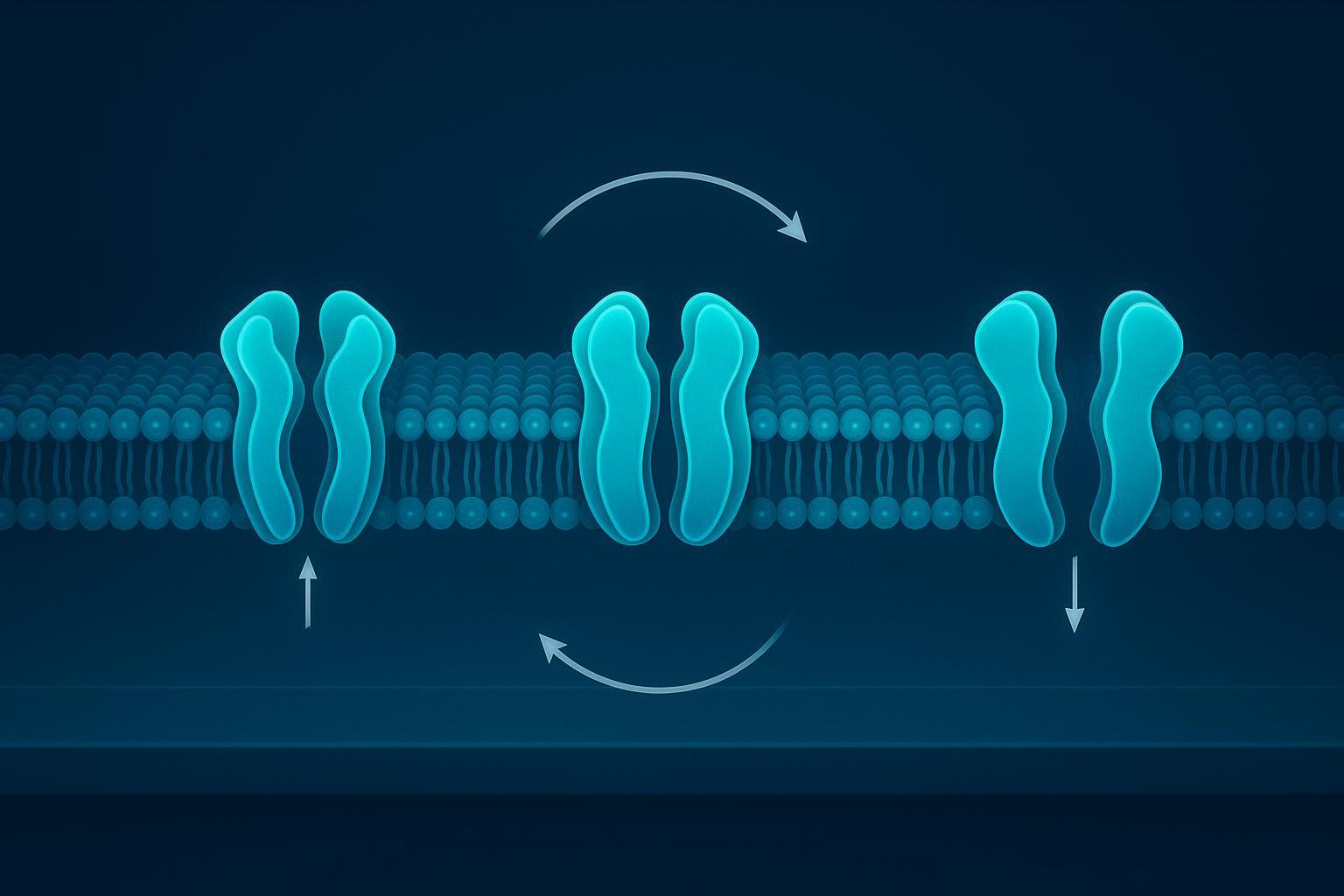
ناقلات SLC هي البروتينات الحاملة المذابة التي تحرك الأيونات, العناصر الغذائية, الناقلات العصبية والأدوية عبر أغشية الخلايا, والبشر لديهم 464 أعضاء معروفون منتشرون عبر 70 العائلات (أخبار الطبية, 2026-09-10). هم أيضًا مواد مختبرية عنيدة بشكل غير عادي, والأسباب هيكلية وليست إجرائية.

تبدأ الصعوبة بالهندسة المعمارية. ناقلات SLC عبارة عن بروتينات غشائية متكاملة مبنية من العديد من حلزونات الغشاء, مما يجعل من الصعب التعبير عنها, يذوب, تنقية وتبلور (بعد الاجتماع الوزاري, 2025-09-02). يعمل العديد منها من خلال دورة الوصول المتناوب, التحول بين المواجهة للداخل, الدول المنغلقة والمواجهة للخارج, لذلك تميل تجربة واحدة إلى التقاط شكل واحد بدلاً من الصورة بأكملها. غالبًا ما تكون مستويات التعبير الأصلي منخفضة, مما يعقد عملية التطهير, توليد الأجسام المضادة والعمل الهيكلي, وقد يؤدي نقل البروتين إلى محلول منظف إلى تشويه أو زعزعة استقرار البنية التي كنت تحاول دراستها.
القراءات الوظيفية مقيدة تمامًا. العديد من SLCs ليس لها ركيزة معروفة أو اختبار ثانوي قوي, ويتم الخلط بين قياسات النقل وخصوصية الركيزة, الحياد الإلكتروني, التعريب, الاتجاه والمصنوعات اليدوية, مع اختلاط الركيزة المتداخلة إضافة طبقة أخرى من التفسير.
والنتيجة هي عائلة لم يمسها الطب إلا بالكاد. الأدوية الموجودة لا تتناول سوى جزء صغير من عائلة SLC الفائقة (أخبار الطبية, 2026-09-10), وواحد 2026 تقدر مقالة الرأي أن عائلة خارقة تتجاوز 400 أعضاء, ما يقرب من الثلث ليس لديهم رابطة معروفة على الإطلاق (طليعة التجارب السريرية, 2026-09-07). هذا المزيج, من الصعب التعبير, من الصعب الاحتفاظ بها في دولة واحدة, من الصعب قياس, وهذا هو بالتحديد السبب وراء حصول كاشف الببتيد ذو الخصائص الجيدة على مكانته في أعمال النقل المبكرة.
لماذا تتناسب الببتيدات المخصصة لأبحاث الناقلات SLC مع الاكتشاف المبكر
تتناسب الببتيدات المخصصة لأبحاث نقل SLC مع الاكتشاف المبكر لأنها محددة بالتسلسل, الكواشف القابلة للتسمية والتعديل والتي يمكن بناؤها ضد الأهداف حيث توجد الأجسام المضادة, توقفت مركبات الأدوات والبيولوجيا الهيكلية. إن الفجوة بين الأدوات والمركبات هي أوضح دليل على هذا التوافق. أ 2024 مسح مركبات أداة SLC في الحدود في علم الصيدلة فحصها 20,678 جزيئات صغيرة فريدة من نوعها عبر 199 SLCs و, بعد تطبيق معايير الأداة المركبة, وصل الى 6,876 مثبطات تغطي فقط 51 الناقلون. نفس الاستطلاع وجد ذلك 530 ل 810 كانت أزواج المركب/SLC المنسقة يدويًا غائبة عن قواعد البيانات التي تم اختبارها, وأنه بالنسبة للعديد من الخلايا الجذعية السرطانية ذات الصلة بالأمراض، يوجد اختبار بينما لم يتم تحديد أي مركب للأداة على الإطلاق.
الوجبات الجاهزة الرئيسية: تحدد أربع روافع ما إذا كان كاشف الببتيد يعمل في عمل الناقل: التسلسل الذي تختاره, التسمية التي تعلقها, تعديل الاستقرار الذي تطبقه, والأدلة التحليلية التي يمكنك إظهارها للكثير.
سلسلة التحقق من الصحة: التحقق من صحة الهدف, ملزم, التصوير, تطوير الفحص
قم بتشغيل التطبيقات الأربعة بالترتيب. إن متطلبات الكاشف والأدلة الخاصة بكل مرحلة تقيد المرحلة التالية, لذا فإن التخطي للأمام يعني عادةً شراء نفس الببتيد مرتين.
|
منصة |
متطلبات الكاشف |
الأدلة المطلوبة |
بوابة القرار |
|---|---|---|---|
|
التحقق من صحة الهدف |
تسلسل غير مسمى أو معدل بالحد الأدنى |
يتصرف البروتين كما هو متوقع في نظامك |
هل هذا الهدف يستحق البرنامج؟? |
|
خدمات ملزم |
الببتيد المحتوي على البيوتينيل أو الخالي من الملصقات |
يجند الخاص بك يشرك الهدف |
هل يستمر التفاعل? |
|
التصوير |
الببتيد المسمى الفلورسنت |
أين هو الهدف وكم |
هل الإشارة محددة? |
|
تطوير الفحص |
تخليق الببتيد كاشف التحقق من صحة من المراحل المذكورة أعلاه |
قابلة للتكرار, تغيير قابل للقياس |
هل يمكنك تشغيل هذا على نطاق واسع? |
الشلال ليس نظريا. أول المرشحين المستهدفين لـ SLC باستخدام التنشيط, إن أساليب التثبيت والعلاج الجيني هي بالفعل في طور التطوير السريري لعلاج الصرع, اضطرابات طيف التوحد والألم المزمن, مع تجارب العلاج الجيني التي تقيم على وجه التحديد اضطرابات النمو العصبي المرتبطة بـ SLC6A1, متلازمة نقص GLUT1 والأمراض المرتبطة بـ SLC13A5 (مراجعة هدف المخدرات, 2026-09-11).
تطوير الفحص يجلس الأخير لسبب ما: إن مشهد الفحص الوظيفي لهؤلاء الناقلين ضيق, لذا فإن القراءة التي يمكنك بنائها تعتمد على ما أثبتته المراحل السابقة.
تصميم تسلسلات مخصصة لأهداف النقل
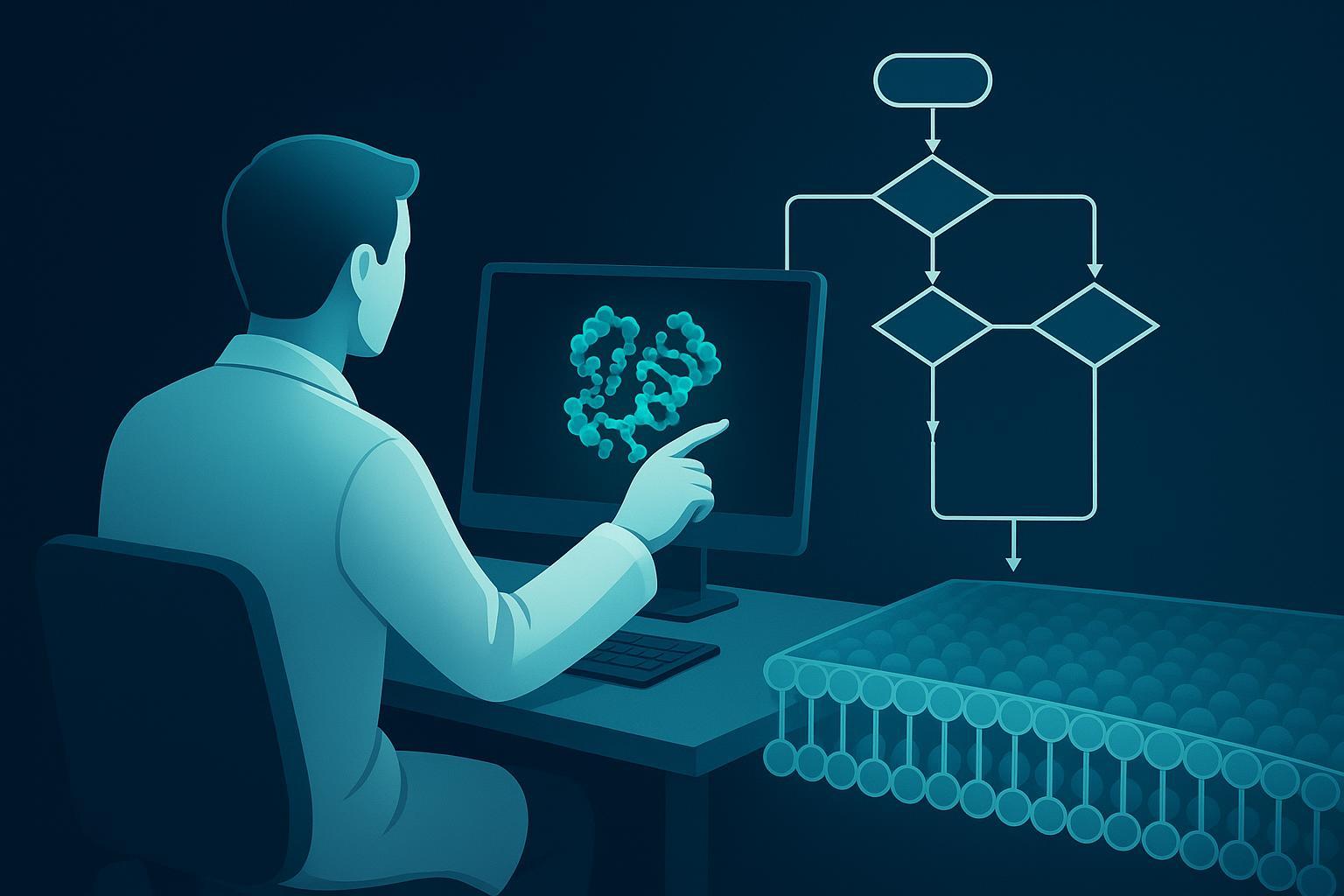
يبدأ تصميم التسلسل من المنطقة التي تريد استجوابها, ليس من الكتالوج. قرر أولاً ما إذا كان الببتيد يجب أن يحاكي رابطة الناقل الطبيعي, التنافس في موقع ربط معروف, أو محل ببساطة قم برفع الجسم المضاد ضد الحلقة. هذا القرار يحدد الطول, الكيمياء الطرفية, ومقدار التسلسل الذي يمكن تغييره دون فقدان التفاعل الذي تريد قياسه.
ناقلات SLC لا ترحم على نحو غير عادي هنا. تكون امتدادات غشائها كارهة للماء وذيولها السيتوبلازمية غالبًا ما تكون غنية بالأساسيات, وكلتا الميزتين تجعل تجميع الطور الصلب وتنقية الطور العكسي أصعب من حلقة البروتين القابلة للذوبان النموذجية. نتوقع انخفاض إنتاج النفط الخام, المزيد من التجمع أثناء الانقسام, ونافذة تنقية أضيق. بي اتش تي 1 (SLC15A4) يعد توظيف TASL نقطة مرجعية مفيدة: يُظهر التعرف على SLC-ligand الذي تم حله على المستوى الجزيئي, وهو مستوى التفاصيل التي يجب أن يحترمها التسلسل الخاص بك (اتصالات الطبيعة, 2023).
اتبع قاعدتين عمليتين. اطلب تناظريًا مرجعيًا غير مسمى بجانب كل إصدار مسمى, لذلك يمكن قياس مساهمة العلامة التجارية بدلاً من افتراضها. وتعامل مع اختيار التسلسل باعتباره سقفًا للأداء اللاحق: لا توجد درجة تنقية أو تحسين اختبار يستعيد تفاعلًا لم يتم تشفيره مطلقًا.
تسميات الفلورسنت والبيوتين: اختيار المسبار الصحيح
اختر التسمية من تنسيق الفحص, وليس من ما السفن الأسرع. تسميات الفلورسنت تناسب التصوير والتوطين التحت خلوي; تسميات البيوتين تناسب ملزمة, تنسيقات المنسدلة والتقاط السطح. احصل على هذا الترتيب بشكل عكسي ويمكن للكاشف إبطال القراءة.
التحذير يستحق الذكر بوضوح: يمكن للفلوروفور نفسه أن يغير سلوك النقل, لذا فإن الببتيد الموسوم لا يكون تلقائيًا بديلاً مخلصًا للذي لا يحمل علامة (بعد الاجتماع الوزاري, تصوير نقل الببتيد العلاجي عبر الحواجز المعوية, 2021-06-15). تعامل مع أي تحول في الألفة الظاهرة أو معدل الامتصاص كخاصية للمرافق حتى تثبت خلاف ذلك.
ميزة البيوتين هي أنه يبقى خارج المسار البصري. تعمل طريقة امتصاص التدفق الخلوي لخلية واحدة منشورة على قياس مضان الببتيد لكل خلية وتستخدم أزيد الصوديوم لفصل الاستيعاب الداخلي المعتمد على الطاقة عن الارتباط السطحي, ثم التريبان الأزرق, التربسين أو تجريد البروناز لفصل الببتيد الداخلي عن السطح (بعد الاجتماع الوزاري, مقايسة امتصاص الببتيد التدفق الخلوي لخلية واحدة, 2016-12-05). هذه الضوابط هي التي تحول رقم مضان إلى مطالبة ميكانيكية, وهي تعمل فقط إذا كنت تعرف أي جانب من الغشاء تقع عليه إشارتك.
قم بموازنة الملصق في المخطط الزمني وكذلك التصميم. البيوتين N- الطرفي, البيوتين Ahx, تحمل إضافات FAM وFITC-Ahx عقوبة يومين عمل تقريبًا بالإضافة إلى التوليف القياسي (خدمات الببتيد المخصصة GenScript, صفحة الخدمة الحية, تم استرجاعه 2026-02-12).
|
ملصق |
الفحص الأفضل |
القيد الرئيسي |
عقوبة التحول |
|---|---|---|---|
|
فلوري (فام, فيتك-آهكس) |
التصوير, التعريب, امتصاص التدفق الخلوي |
يمكن للفلوروفور أن يغير سلوك النقل; يحتاج إلى ضوابط تجريد وتجريد لتفسيرها |
+2 أيام العمل |
|
البيوتين / البيوتين Ahx |
ملزم, المنسدلة, التقاط السطح |
لا توجد قراءات بصرية مباشرة; يحتاج إلى خطوة الكشف |
+2 أيام العمل |
|
غير مسمى |
ملزمة المنافسة, حركية النقل |
يتطلب طريقة كشف منفصلة |
لا أحد |
الوجبات الجاهزة الرئيسية: قم بمطابقة الملصق مع تنسيق الفحص أولاً, ثم تأكد من أن المترافق يتصرف مثل الببتيد الأصلي قبل أن تتوصل إلى نتيجة عليه.
التعديلات المعززة للاستقرار ومقايضاتها
تعمل تعديلات الببتيد المعززة للاستقرار على تمديد مدة بقاء البناء بعد الفحص, لكن نفس الكيمياء التي تشتري تلك النافذة يمكن أن تغير مدى إحكام ربط الببتيد بناقله. تعامل مع كل تعديل كمتغير يحتاج إلى التحكم الخاص به, ليس كترقية مجانية.
لا تكلف عمليات الحماية الطرفية الروتينية شيئًا إضافيًا. تعد أسيتيل N-terminal ووسط C-terminal من الخيارات القياسية, ويقدمها الموردون عادةً بدون أي رسوم إضافية إلى جانب كتالوج يضم أكثر من 300 تعديلات المجموعة الوظيفية (جينسكريبت). يدافع الحظر الطرفي بشكل أساسي ضد تقليم exopeptidase, والذي غالباً ما يكون أول شيء يؤدي إلى تآكل الببتيد في المصل أو الحضانة الطويلة.
كل فائدة تحمل تكلفة. درجات النقاء الأعلى تستعيد مواد أقل: درجة البحث في 85-95% تعود النقاء 40-60% من الخام, والمواد فائقة النقاء في 98% أو أعلى يعود فقط 20-40% (كيريسيت الدولية, تم استرجاعه 2026-07-09). الكيمياء المضادة هي قيد ذو صلة: يظل ثلاثي فلورو أسيتات مرتبطًا بقوة بالطرف N الحر وبالمخلفات الأساسية مثل Arg, ليس, وله, وإزالته للحصول على شكل ملح متوافق حيويًا يتطلب خطوة إضافية للتبادل الأيوني (باتشيم, تم استرجاعه 2026-07-28).
تحذير: يمكن للبنية المستقرة أن تغير تقارب الناقل بصمت أو تضيق نافذة الفحص ذاتها التي قمت بقياسها. قم بتشغيل مقارنة غير معدلة في نفس التجربة بحيث يعزى أي تحول إلى التعديل وليس إلى الببتيد نفسه.
الاختبارات التحليلية ومراقبة الجودة: ما الذي يجب أن تثبته حزمة البيانات الخاصة بك
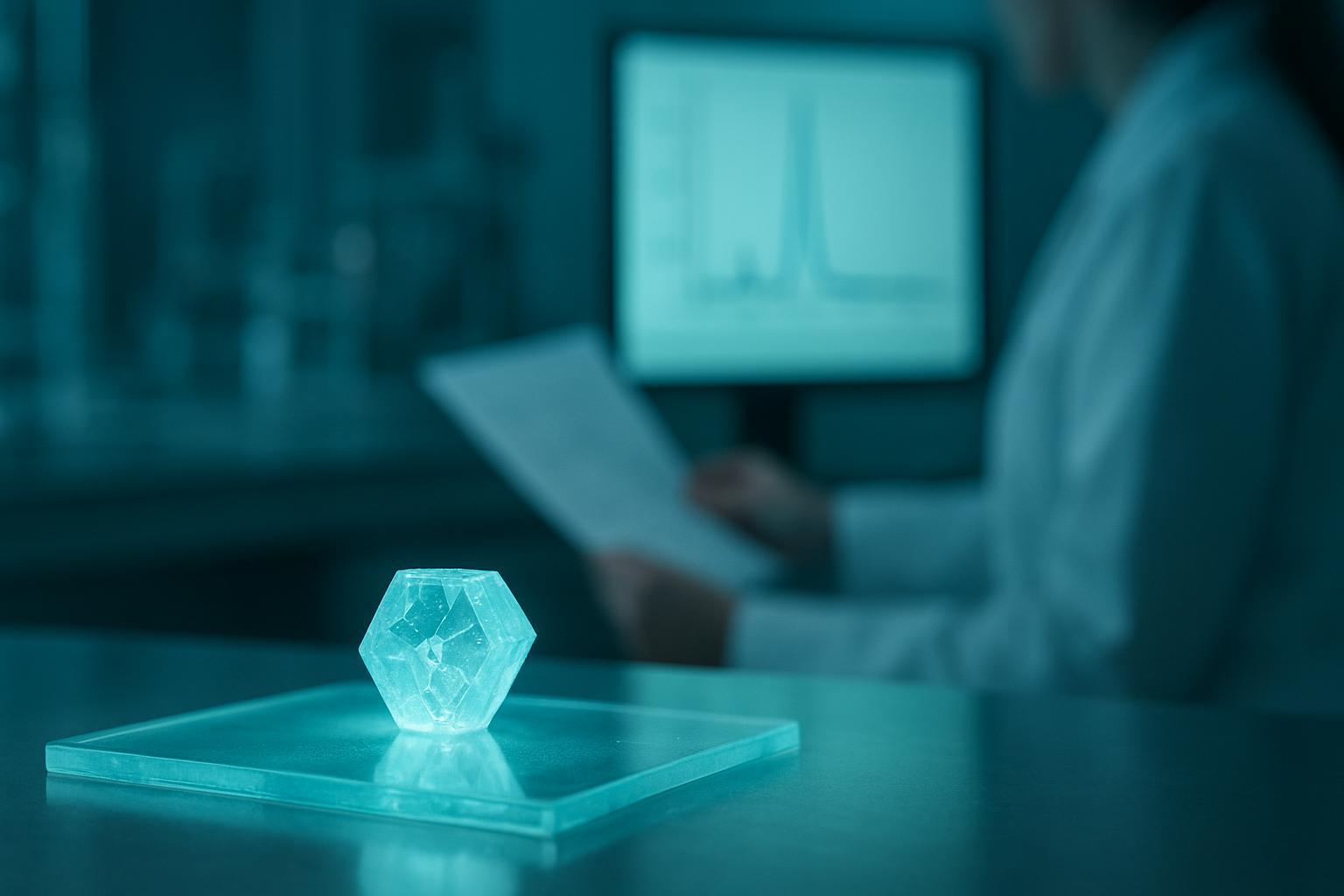
نسبة النقاء في حد ذاتها لا تثبت شيئا. ولا يصبح الرقم دليلاً إلا عندما يأتي بالطريقة التي أنتجته, التحقق من الهوية الذي يؤكد التسلسل, ومعايير القبول التي يلتزم بها المورد قبل التشغيل. اطلب الثلاثة, واطلب البيانات الأولية التي تقف وراءها.
يعتمد رقم النقاء الذي تحتاجه على ما يجب أن يفعله الببتيد. يحدد دليل Bachem لمراقبة جودة الببتيد العتبات عند أكبر من 95% لدراسات التفاعل بين المستقبلات والترابط وفحوصات الحجب أو المنافسة, 90 ل 95% للعمل الكمي للإنزيم الركيزة, وما فوق 80% للنشاف الغربي. يخبرك المورد الذي يقتبس درجة واحدة لكل طلب بأنه لم يفكر في طلبك.
الهوية هي اختبار منفصل عن النقاء. يمكن أن يكون الببتيد 98% نقية ولا تزال التسلسل الخاطئ. مرجع مراقبة الجودة في Wikipept يقبل كتلة مقاسة ضمن ±2 Da من الكتلة النظرية أحادية النظير, اتساع إلى ± 5 دا أعلاه 3 كيلو دالتون, بينما مختبرات ILS تقارير نوافذ أكثر إحكاما من LC-MS: ±0.5 Da على رباعي واحد و±0.01 Da على الأجهزة عالية الدقة. تطابق التسامح مع الصك, وتأكد من أن الكتلة المبلغ عنها هي الكتلة المرصودة, لا إعادة صياغة القيمة النظرية.
ثم هناك الفجوة بين النقاء والكمية. قارورة المسمى 10 ملغ قد يحمل فقط 6 ل 8 ملغ من الببتيد الفعلي بمجرد حساب العدادات والرطوبة, كما لاحظت ILS Labs في نفس النظرة العامة لمراقبة الجودة. ولهذا السبب ينتمي محتوى الببتيد الصافي إلى الشهادة إلى جانب النقاء, ولماذا تُظهر التسلسلات الغنية بالأساسات بشكل روتيني محتوى صافيًا منخفضًا من تكوين الملح, وهي نقطة يوضحها باشيم بشكل صريح. قم بوزن تركيز عملك مقابل المحتوى الصافي, ليس وزن القارورة, أو أن كل مولارية في اتجاه مجرى النهر خاطئة تمامًا.
مقياس متطلبات السموم الداخلية مع الدراسة. يتم تحديد المواد المخصصة للبحث بشكل شائع أدناه 10 الاتحاد الأوروبي / ملغ, ما قبل السريرية أدناه 1 الاتحاد الأوروبي / ملغ, والسريرية أدناه 0.25 الاتحاد الأوروبي / ملغ تحت حدود إدارة الأغذية والعقاقير (FDA) بالحقن, مع اختبار LAL لكل USP <85> كطريقة للتسجيل (ويكيبيبت; مختبرات ILS). لفحوصات الناقل المستندة إلى الخلية, عادةً ما تكون فئة درجة البحث كافية, ولكن ينبغي ذكر المواصفات بدلاً من افتراضها.
وبالتالي فإن حزمة الاستخدام البحثي الكاملة تحمل نقاء RP-HPLC عند الأشعة فوق البنفسجية 214 أو 220 نانومتر على عمود C18 مع تدرج الأسيتونتريل/0.1% TFA, هوية LC-MS, صافي محتوى الببتيد, LAL الذيفان الداخلي لكل USP <85>, شاشة العقم السريع, والمعادن الثقيلة بواسطة ICP-MS لكل USP <233> وأنا Q3D (مختبرات ILS). الشوائب أعلاه 0.5% ينبغي وصفها وليس مجرد عدها, مع LC-MS/MS يستخدم لتغطية التسلسل وتحديد الكسر (ويكيبيبت).
|
امتحان |
طريقة |
معيار القبول النموذجي |
|---|---|---|
|
نقاء |
رب-هبلك, الأشعة فوق البنفسجية 214/220 نانومتر, ج18, الاسيتو الانيتريل/0.1% TFA التدرج |
>95% مستقبلات يجند وحجب المقايسات; 90-95% الركيزة الانزيم; >80% لطخة غربية |
|
هوية عن |
ESI-MS أو MALDI-TOF; LC-MS رباعية واحدة أو عالية الدقة |
±2 دا (±5 دا أعلاه 3 كيلو دالتون); ± 0.5 دا رباعية واحدة, ±0.01 نعم نظام إدارة الموارد البشرية |
|
صافي محتوى الببتيد |
التحليل الكمي للأحماض الأمينية أو تحديد النيتروجين |
ذكرت لكل الكثير; يتوقع 60-80% من وزن القارورة |
|
مكافحة |
اللوني الأيوني أو NMR |
TFA أو خلات, جاء في CoA |
|
السموم الداخلية |
LAL لكل USP <85> |
<10 الاتحاد الأوروبي / ملغ درجة البحث; <1 الاتحاد الأوروبي / ملغ قبل السريرية |
|
الملف النجاسة |
LC-MS/MS للقمم >0.5% |
تم تحديد الشوائب الفردية وكميتها |
الاختبار العملي لحزمة البيانات بسيط: هل يمكن للمراجع إعادة بناء نتيجتك منه دون الاتصال بالمورد? إذا لم يكن للمخطط اللوني نافذة تكامل, الطيف الكتلي ليس له قيمة ملحوظة, أو المحتوى الصافي مفقود, الجواب هو لا.
اتساق الكثير إلى الكثير وقراءة شهادة التحليل
شهادة التحليل هي مطالبة المورد بشأن دفعة واحدة, ليس ضمانًا بأن الدفعة التالية ستطابقها. التعامل معها كنقطة انطلاق للتحقق, وحدد التفاوتات التي ستقبلها قبل تقديم الطلب.
يمكن أن تكون الفجوة بين رقم النقاء المعلن والرقم المقاس واسعة. أ 2022 وجدت دراسة مشتركة بين المختبرات أن الببتيدات تحمل علامة 98% أو أعلى بواسطة HPLC أحادي الأسلوب تراوحت من 94.2% ل 99.1% عندما أعادت ثلاثة مختبرات تشغيلها على أعمدة وأطوار متنقلة مختلفة (كيريسيت الدولية, تم استرجاعه 2026-07-09). اختيار الطريقة وحده يحرك الرقم.
وتشير حالات إعادة التحليل المستقلة إلى نفس الطريقة. في مجموعة واحدة من خمسة منتجات أعيد اختبارها من مجموعة أكبر من 30, أربعة قياس أكثر من 10% تحت درجة نقاء CoA, والمنتج المذكور أعلاه 98% عاد في 67%. وأظهر مثال منفصل أ 99.2% CoA الذي كان محتواه الببتيد المقصود 76% لأن متغير 16-mer المختلط أدى إلى تضخيم قراءة النقاء (كيريسيت الدولية, تم استرجاعه 2026-07-09). لاحظ المصدر: KeriSite هو المورد المنافس, ويتم تأليف هذه الحالات من قبل البائع, لذا، اقرأها كمثال توضيحي لوضع الفشل وليس كمسح محايد.
تختلف تقارير CoA حسب البائع. تشتمل مجموعة مراقبة الجودة لأحد الموردين الرئيسيين على محتوى مائي عن طريق المعايرة بالتحليل الحجمي بواسطة Karl Fischer, محتوى النيتروجين عن طريق التحليل العنصري كمقياس لمحتوى الببتيد, TFA المتبقية بواسطة اللوني أيون, والشطف المشترك ضد معيار مرجعي (باتشيم, تم استرجاعه 2026-07-28). إذا كانت شهادة التحاليل الخاصة بك تدرج النقاء والوزن الجزيئي فقط, أنت تفتقد الحقول التي تشرح التحول في منتصف الدراسة.
ضع أهداف القبول في الترتيب نفسه. هذه هي التفاوتات من دفعة إلى دفعة التي تستحق التحديد:
|
المعلمة |
هدف القبول |
|---|---|
|
وقت الاحتفاظ HPLC |
± 0.2 دقيقة |
|
نقاء |
± 0.5% مساحة |
|
الوزن الجزيئي الملحوظ |
± 0.5 دا |
|
محتوى الببتيد |
±5% |
|
محتوى الماء |
± الببتيدات الاصطناعية 2% |
|
محتوى مضاد |
±3% |
يُبلغ الموردون الذين يعملون على تحقيق أهداف داخلية أكثر صرامة عن السيرة الذاتية للنقاء أدناه 0.5% والسيرة الذاتية لوقت الاحتفاظ أدناه 1.0%, مع معدلات النجاح للمواصفات الداخلية أعلاه 95% (كيريسيت الدولية, تم استرجاعه 2026-07-09). اسأل المورد المحتمل عن بيانات السيرة الذاتية متعددة الدفعات الخاصة به, ليست مجرد شهادة اعتماد دفعة واحدة. إن اتساق الكثير إلى الكثير هو مطالبة عملية, والدليل الوحيد على ذلك هو التوزيع على دفعات.
المفاهيم الخاطئة الشائعة حول كواشف الببتيد في عمل الناقل
إن أغلى مفهوم خاطئ في عمل الناقل هو أن رقم النقاء العالي يعني كاشف صالح. الطهارة هي خاصية واحدة من بين عدة خصائص, والافتراضات التي تبطل الببتيد بهدوء عادة ما تكون خارج شكل النقاء تمامًا.
الببتيد المسمى قابل للتبديل مع نظيره غير المسمى. ليس كذلك. تؤدي إضافة الفلوروفور أو البيوتين إلى تغيير الوزن الجزيئي, الكارهة للماء, وفي كثير من الأحيان تقارب الناقل, لذلك يحتاج المسبار المسمى إلى توصيف ملزم خاص به بدلاً من وراثة أرقام الببتيد غير المسمى. إنتاج الببتيد
ينتقل رقم نقاء شهادة التحليل عبر الطرق التحليلية. لا. القيمة التي تم الحصول عليها بواسطة طريقة HPLC واحدة لا يمكن مقارنتها بقيمة من تدرج مختلف, عمود, أو كشف الطول الموجي, لذا، قارن الأرقام فقط عندما تتطابق الطريقة.
يتم تجاهل صافي محتوى الببتيد عند حساب المولارية. يغير محتوى الببتيد الصافي كل حسابات المولارية. إن وزن المادة بالكتلة الإجمالية ومعاملتها كببتيد نقي يبالغ في تقدير كمية الكاشف النشط في الأنبوب, في بعض الأحيان بهامش واسع.
تذهب مادة الملح TFA مباشرة إلى فحوصات الخلايا الحساسة للمضادات. تتأثر المقايسات المستندة إلى الخلايا بالمضادة, والدرجة المدرجة لتلك المقايسات هي ≥98% محتوى الببتيد المتوفر كملح TFA أو ملح خلات (كيريسيت الدولية, 2026-07-09). حيث يزعج العداد نفسه القراءة, تأكيد شكل الملح قبل الفحص, ليس بعد.
الوجبات الجاهزة الرئيسية: الخطأ الأكثر تكلفة ليس رقم نقاء منخفض. إنه كاشف اجتاز كل المواصفات المذكورة بينما يرتكز على افتراض غير محدد حول وضع العلامات, طريقة, المولارية, أو على شكل ملح.
مثال عملي: بناء واحد من خلال الشلال
عادةً ما يقوم فريق النقل الذي يبدأ من نموذج ركيزة معروف بتصميم ثلاثة ببتيدات بالتوازي: تناظرية مرجعية غير مسماة, مسبار ذو علامة الفلورسنت, وكاشف التقاط بيوتينيلاتيد. التناظرية المرجعية تحدد خط الأساس. بدونها, لا يمكن أن يعزى التحول في الإشارة من المسبار المسمى إلى الملصق وليس إلى التسلسل نفسه.
يبدأ تصميم التسلسل بمحددات التعرف التي من المعروف أن الهدف يستخدمها, نظرًا لأن كيفية حل التعرف على الببتيد بواسطة SLC يعتمد هيكليًا على الحفاظ على تلك الاتصالات. ثم تحمل الإصدارات الموسومة والمزودة بالبيوتينيل نفس التسلسل الأساسي, مع وضع التعديل عند نهاية أو موضع مكشوف للمذيبات وليس داخل وجه الربط.
في تسليم الفحص, تحدد أدوات التحكم في الأزيد والتجريد أن الإشارة تعكس ارتباطًا محددًا وليس امتزازًا غير محدد. تقوم مراقبة الجودة ببوابات البناء قبل أن تصل إلى تلك الخطوة: تؤكد مصفوفة النقاء حسب التطبيق أداء الببتيد في المخزن المؤقت ووضع الكشف المقصود, وصافي محتوى الببتيد, ليس الوزن الإجمالي, يضبط المولارية المستخدمة في حساب الربط.
القيود وعندما تكون الببتيدات هي الأداة الخاطئة
الببتيدات هي الأداة الخاطئة عندما يحتاج البرنامج إلى قراءة نقل وظيفية غير موجودة بعد. يحتوي مجال النقل على منظر طبيعي ضيق للفحص الوظيفي, لذلك يمكن لكاشف الببتيد توفير الارتباط, بيانات التوطين أو التقارب, لكنها لا تستطيع أن تحل محل قياس النقل نفسه. إذا كان السؤال هو ما إذا كانت الركيزة تتحرك عبر الغشاء, يجيب مسبار الببتيد على سؤال مختلف.
تفرض ميكانيكا الوصول المتناوب حدًا ثانيًا. لأن هذه البروتينات تدور بين الداخل- والتوافقات التي تواجه الخارج, غالبًا ما تلتقط التجارب حالة واحدة في كل مرة, والببتيد الأمثل ضد حالة واحدة قد لا يقدم تقريرًا عن الحالة الأخرى. اضطراب التسمية يضاعف هذا: يمكن أن يؤدي ربط الفلوروفور أو البيوتين إلى إبطال قياس الارتباط تمامًا, ويمكن للتعديلات المعززة للاستقرار أن تحول التقارب بدرجة كافية بحيث لا يعد البناء المستقر بمثابة مقارنة مباشرة مع التسلسل الأصلي.
تعامل مع أي من هذه الأشياء كسبب للوصول إلى البيولوجيا الهيكلية, مركب أداة التحقق من صحتها أو مقايسة متعامدة بدلاً من ذلك. إن المبالغة في المطالبة بما يمكن أن تثبته فئة الكاشف تكلف ربع البرنامج.
ابدء: الخطوات الأولى لمشروع الببتيد الناقل
حدد الاختبار الذي يجب أن يقوم به الكاشف قبل أن تطلب أي شيء. معايير القبول تأتي أولا: درجة النقاء, صافي محتوى الببتيد, شكل الملح, التفاوتات من دفعة إلى دفعة, والأساليب التحليلية التي ستوضح كل واحدة منها. عادةً ما يأتي عرض الأسعار المطلوب قبل وجود هذه المواصفات بافتراضات لم تخترها.
ثلاث خطوات تزيل معظم الاحتكاك:
-
كتابة معايير القبول, ثم طلب الاقتباس. اذكر شكل الفحص, عازلة, تركيز العمل, والتفاوتات التي ستقبلها بين القرعة.
-
اطلب تناظريًا مرجعيًا غير مسمى بجانب البنية المسمى. فهو يوفر لك التحكم في الملصق نفسه وطريقة للتأكد من أن أي تغيير في الإشارة يأتي من التعديل, وليس الببتيد.
-
اطلب الحزمة التحليلية الكاملة, ليس شخصية نقاء. HPLC, قياس الطيف الكتلي, وتتيح لك شهادة التحليل التحقق من الهوية وكذلك النقاء.
خطط للجدول الزمني حول الكيمياء. يتم تشغيل التوليف المخصص القياسي 2 ل 3 أسابيع, تسلسلات معدلة 4 ل 6 أسابيع, والاقتران 3 ل 5 أسابيع (خدمات تخليق الببتيد تسينجكي, تم استرجاعه 2026-08-21). إذا كان تاريخ الفحص الخاص بك ثابتًا, ابدأ بالبنية المعدلة.
إذا كنت تريد رأيًا ثانيًا حول ما إذا كان هدفك وقراءاتك متوافقين قبل الالتزام بالتسلسل, تحدث إلى خبير أو اطلب تقييم الجدوى. تقدم MOL Changes خدمات الببتيد المخصصة, لذا تعامل مع هذا باعتباره مصلحة تجارية عند تقييم النصيحة أعلاه.
الأسئلة المتداولة
ما هي درجة النقاء التي أحتاجها لفحص ربط الناقل?
فوق 95% هي عتبة العمل للتفاعل بين المستقبلات والحجب أو فحوصات المنافسة, وفقًا لتوجيهات نقاء الببتيد من Bachem. النقاء وحده لا يجعل الكاشف صالحًا للاستخدام: قم بإقرانه بتأكيد الهوية ورقم محتوى الببتيد الصافي قبل حساب المولارية.
هل يمكن لعلامة الفلورسنت أن تغير كيفية تفاعل الببتيد الخاص بي مع الناقل؟?
نعم. يمكن للفلوروفور نفسه أن يغير سلوك النقل, كما ورد في أ 2021 دراسة نظائرها الركيزة الفلورسنت. قم بتشغيل مقارنة غير مسماة في نفس الاختبار حتى تتمكن من فصل تأثيرات التسمية عن تأثيرات التسلسل.
كيف يمكنني التحقق من هوية الببتيد وليس فقط نقائه؟?
التحقق من الكتلة. يجب أن تقع الكتلة المقاسة ضمن ± 2 Da من الكتلة النظرية أحادية النظير بواسطة ESI-MS أو MALDI-TOF, تشديد إلى ± 0.5 Da بواسطة LC-MS أحادي رباعي و ± 0.01 Da بواسطة MS عالي الدقة, طبقاً للمواصفات التحليلية لمختبرات ILS. لا يخبرك أثر النقاء بدون طيف الكتلة بأي شيء عما إذا كان التسلسل الصحيح قد تم أم لا.
ماذا يعني محتوى الببتيد الصافي ولماذا يهم?
صافي محتوى الببتيد هو كتلة الببتيد الفعلي في القارورة بمجرد حساب العدادات والمياه المتبقية, ويمكن أن يجلس أقل بكثير من رقم النقاء. تلاحظ مختبرات ILS ذلك 10 قد يحتوي ملغ من المسحوق المجفف بالتجميد فقط 6 ل 8 ملغ من الببتيد, الذي يغير كل حساب المولارية المصب.
هل يجب أن أطلب نموذج TFA أو ملح الخلات?
ذلك يعتمد على الفحص. يرتبط Trifluoroacetate بقوة بالطرف N الحر والسلاسل الجانبية الأساسية ولا يمكن إزالته بالكامل, لذا فإن العمل القائم على الخلايا الحساسة للأيونات المضادة يتطلب ملحًا متوافقًا حيويًا يتم تبادله الأيونات, كما يصفه كل من Bachem وKeriSite. عادة ما تكون فحوصات الربط في المخزن المؤقت متسامحة مع TFA; غالبًا ما لا تكون فحوصات نقل الخلايا الحية كذلك.
ما مقدار التباين الكبير الذي يجب أن أتوقعه بين دفعات الببتيد?
أكثر مما يفترض معظم الباحثين. الببتيدات المسمى في 98% أو أعلى بواسطة HPLC أحادي الأسلوب تراوحت من 94.2% ل 99.1% عبر ثلاثة مختبرات في أ 2022 مقارنة بين المختبرات نشرت في الأحماض الأمينية. حدد التفاوتات من دفعة إلى دفعة بالترتيب: وقت الاحتفاظ خلال ± 0.2 دقيقة, النقاء ضمن مساحة ± 0.5%, محتوى الببتيد ضمن ±5%.
إلى أين تتجه برامج نقل SLC بعد ذلك؟?
نحو تنسيقات الفحص التي تقرأ وظيفة الناقل في الأنظمة الحية بدلاً من الاستعدادات الغشائية المعزولة, مما يرفع مستوى تصميم المسبار. يتم بشكل متزايد تحديد الببتيدات ذات العلامات الفلورية لتصوير الناقل والببتيدات المحتوية على البيوتينيل لدراسات ربط الناقل معًا في نفس المشروع بحيث يخدم تسلسل واحد كلا القراءتين.
خاتمة
إن جودة الكاشف تكون بنفس جودة الدليل التحليلي الذي يقف خلفه, ويقرر الترتيب التتالي الأدلة التي تحتاجها أولاً. يكتسب الببتيد المخصص لأبحاث نقل SLC مكانه في المشروع عندما يناسب التسلسل الهدف, الملصق لا يشوه علم الأحياء الذي تقوم بقياسه, وأي تعديل في الاستقرار له ما يبرره مقابل مقايضاته, وحزمة البيانات تثبت الهوية, نقاء, والمحتوى الصافي بدلاً من التأكيد عليها. أخطأ في الطلب وستدفع ثمنه لاحقًا, وهذا هو بالضبط حيث يصبح التباين من مجموعة إلى مجموعة في إعادة التحليل المستقلة مكلفًا.
الميدان لا يقف ساكنا. إن برامج SLC الناشئة الآن في التطوير السريري تدفع نحو طرق التنشيط والعلاج الجيني, وبالتالي فإن متطلبات الكاشف التي تكتبها في المواصفات اليوم سوف تستمر في التغير. بناء هذه العادة الآن: تحديد الفحص أولا, ثم التحقيق, ثم معايير القبول التحليلية. الخطوات الأولى في "البدء" هي تلك التي يجب إعادتها إلى فريقك هذا الأسبوع.