الذكاء الاصطناعي يلتقي بالمقعد: مخطط نموذج تعاون الببتيد AI CRO
لقد أدى الذكاء الاصطناعي التوليدي إلى تغيير جذري في سرعة اكتشاف الأهداف والتصميم الجزيئي في علوم الحياة. حدث معلم بارز في هذا التحول عندما عرضت شركة Insilico Medicine قدراتها البيولوجية التوليدية في مركز الأبحاث الخاص بها, مما يدل على الجيل الحسابي لأكثر من 5,000 مرشحات الببتيد الجديدة خلال دورة تصميم واحدة مدتها 72 ساعة باستخدام محرك Biology42 الخاص بها. هذا الإنجاز التشغيلي, راسية في مدينة مصدر للذكاء الاصطناعي ومركز الحوسبة الكمومية, يسلط الضوء على تحول عميق في اكتشاف الأدوية الحديثة: لم يعد عنق الزجاجة الأساسي هو مدى سرعة قيام الخوارزميات بإنشاء تسلسلات مرشحة, ولكن ما مدى سرعة تصنيع مختبرات الكيمياء الفيزيائية الرطبة, تنقية, تحليل, والتحقق من صحة تلك التنبؤات الرقمية.
عندما تقوم النماذج التوليدية بإخراج آلاف تسلسلات FASTA أو سلاسل SMILES المرشحة في أيام, منظمة أبحاث العقود التقليدية (كرو) نماذج الشراء تتوقف بسرعة. معيار 3- إلى 5 أسابيع، تؤدي أوقات الاستجابة للتوليف إلى حدوث تراكمات هائلة, مما يتسبب في بقاء خطوط الأنابيب الحسابية باهظة الثمن في وضع الخمول في انتظار بيانات الربط المادية. بالإضافة إلى, إعادة إدخال البيانات يدويا, مراقبة الجودة غير القياسية (مراقبة الجودة) إعداد التقارير, والتحف الفيزيائية والكيميائية المخفية - مثل حمض ثلاثي فلورو أسيتيك المتبقي (تفا) السمية الخلوية أو الحسابات الخاطئة لمحتوى الببتيد الصافي - تؤدي إلى ضوضاء تقلل من إعادة تدريب نموذج التعلم الآلي.
لالتقاط القيمة الكاملة للبيولوجيا التوليدية, بيوفارما ر&يجب على قادة D إنشاء مخصص نموذج التعاون الببتيد AI CRO. يعمل هذا الإطار التشغيلي على سد الفجوة بين الإنتاجية العالية في تنبؤات السيليكو والتحقق من صحة مقاعد البدلاء المادية من خلال بروتوكولات تبادل البيانات الموحدة, التحول المتدرج SLAs, ومراقبة الجودة التحليلية الصارمة.
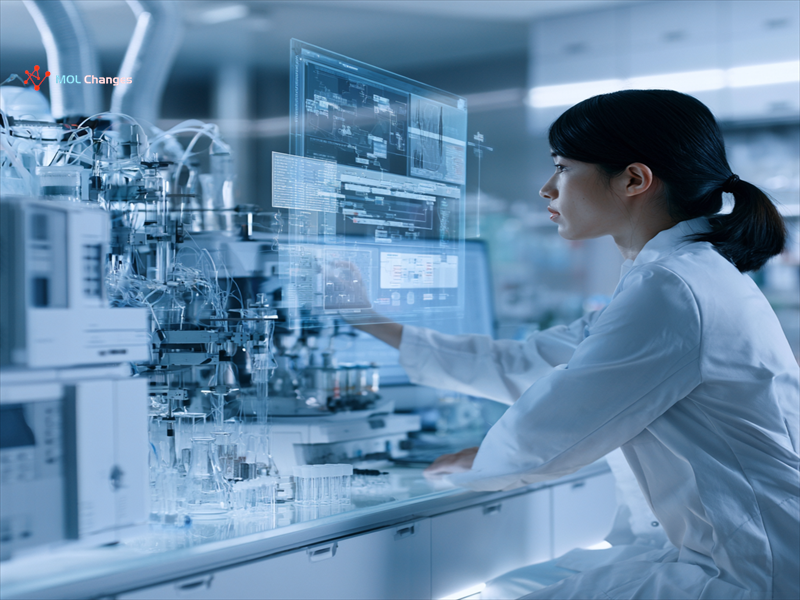
عنق الزجاجة التوليدية: لماذا تتفوق المخرجات الحسابية على التحقق المادي؟
يعمل خط أنابيب اكتشاف الأدوية الحديث بشكل مستمر التصميم والبناء والاختبار والتعلم (دي بي تي ال) حلقة ردود الفعل. في الاكتشاف التقليدي للجزيئات الصغيرة والببتيد, كانت مرحلة "التصميم" محدودة بالمعدل, تتطلب أشهرًا من تصميم الكيمياء الطبية اليدوية, الإرساء الحسابي, والعلاقة بين الهيكل والنشاط (ريال سعودي) رسم الخرائط.
لقد قلب الذكاء الاصطناعي التوليدي هذه الديناميكية. بنيات التعلم العميق الحديثة - بما في ذلك نماذج الانتشار, نماذج لغة البروتين القائمة على المحولات, وخوارزميات التعلم المعزز - يمكنها تقييم المليارات من المطابقات الافتراضية وإخراج الآلاف من تسلسلات الببتيد المحسنة في ساعات. كما هو موضح في معيار البيولوجيا التوليدية لـ Insilico Medicine, يمكن للمحركات الحسابية تصفية المكتبات الافتراضية وصولاً إلى المرشحين ذوي التصنيف الأعلى بناءً على تقارب الارتباط المتوقع, الذوبان, والاستقرار الأيضي.
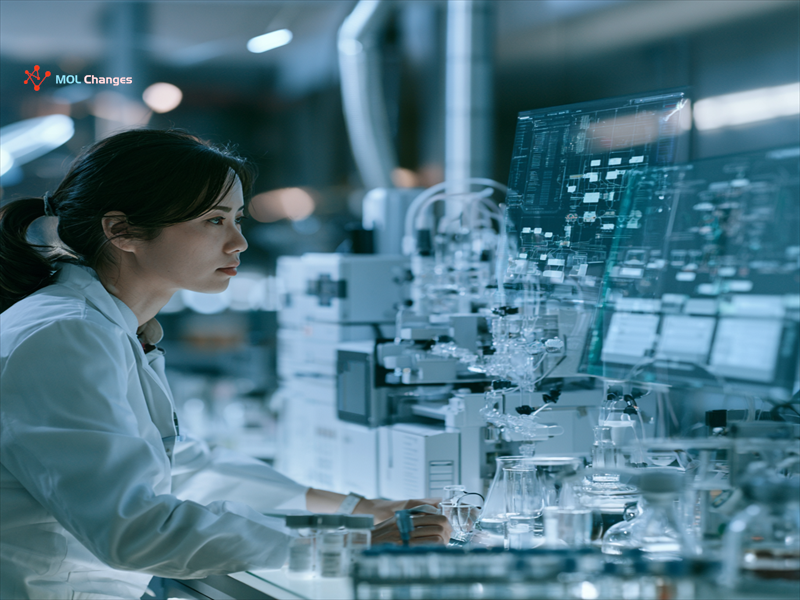
الوجبات الجاهزة الرئيسية: قامت الخوارزميات التوليدية بضغط مرحلة "التصميم" من أشهر إلى ساعات. بالتالي, لقد تحولت خطوة تحديد المعدل في اكتشاف الببتيد العلاجي بالكامل إلى واجهة "اختبار البناء" - وتحديدًا تخليق الببتيد في المرحلة الصلبة الفيزيائية (برنامج SPSS), تنقية المرحلة السائلة, والتحقق من الصحة التحليلية عالية الإنتاجية.
لكن, تظل الجزيئات الفيزيائية مقيدة بقوانين الكيمياء العضوية. تقدم ترجمة التسلسلات الرقمية إلى الببتيدات الفيزيائية الجاهزة للفحص عدة نقاط احتكاك حرجة:

-
العائد التوليفي والاحتكاك التعقيد: غالبًا ما تنتج نماذج الذكاء الاصطناعي إعاقة جامدة, مسعور للغاية, أو تسلسلات الببتيد المكونة لصفائح بيتا. دون تسجيل الجدوى الاصطناعية في الوقت الحقيقي, تعاني هذه الزيارات المتوقعة من انخفاض كفاءة الاقتران والتجميع أثناء SPPS.
-
الكمون التحول: إذا كان التوليف المادي ومراقبة الجودة التحليلية تتطلب ذلك 20 ل 30 أيام العمل, تنهار حلقة ردود الفعل التكرارية. لا تستطيع نماذج الذكاء الاصطناعي تحسين وظائف التسجيل الخاصة بها دون مدخلات التعلم النشط في الوقت المناسب من الاختبارات الفيزيائية.
-
قطع اتصال تنسيق البيانات: شهادات التحليل اليدوية PDF (شهادات توثيق البرامج) إجبار العلماء على نسخ مناطق نقاء HPLC وقيم قياس الطيف الكتلي يدويًا إلى قواعد البيانات الحسابية, إدخال خطأ بشري ومنع إعادة التدريب الآلي لخطوط الأنابيب.
الركائز المعمارية لإطار التعاون CRO من الذكاء الاصطناعي إلى مقاعد البدلاء
إنشاء كفاءة في سيليكو للتحقق من صحة الببتيد في المختبر الرطب يتطلب خط الأنابيب استبدال سير عمل أوامر الشراء الخاصة بالمعاملات ببنية تشغيلية متكاملة. ويرتكز هذا النموذج على ثلاث ركائز أساسية: تبادل البيانات المقروءة آليا, التحول المتدرج SLAs, وضمانات مراقبة الجودة التحليلية الصارمة.
الحمولة الواردة | صيام / ابتسامات / دفعة JSON v
-
الضمانات الفيزيائية والكيميائية (تبادل TFA إلى خلات, صافي المحتوى, العقم) الحمولة الصادرة | CoA المقروءة آليًا (جسون/CSV) البيانات الطيفية الخام (com.mzml / المخططات اللونية) ضد
في محرك سيليكو التوليدي (الذكاء الاصطناعي التوليدي / اكتشاف الهدف الشركة المصنعة للببتيد المسمى / التهديف الجزيئي) التنفيذ الجسدي & مقعد المختبر الرطب
-
التوليف الآلي للمرحلة الصلبة (برنامج SPSS / مصفوفات الصفائح الدقيقة)
-
RP-HPLC تدرج النقاء & التحقق الشامل (نظام إدارة الموارد البشرية / إل سي-MS) إعادة التدريب على التعلم النشط بحلقة مغلقة (تحسين النموذج الآلي & سجل وظيفة التقارب)
1. مخططات تبادل البيانات الموحدة المقروءة آليًا
للتخلص من الإدخال اليدوي للبيانات وتسهيل عملية انتظار التوليف الآلي الآلي, يجب أن يتواصل المحرك الحسابي ومختبر CRO الرطب عبر شبكة منظمة, الحمولات المقروءة آليا.
الحمولة الواردة (المخرجات الحسابية → مختبر CRO)
عندما يختار المحرك التوليدي مجموعة من الببتيدات المرشحة, يقوم بتصدير ملف إرسال منظم (JSON أو CSV) تحتوي على ثلاث طبقات بيانات إلزامية:
-
معرف التسلسل & التدوين: الأحماض الأمينية الطبيعية ممثلة برمز IUPAC/IUB أحادي الحرف; الأحماض الأمينية غير المتعارف عليها, دورات السلسلة الجانبية, أو التعديلات الطرفية ممثلة في لغة التحرير الهرمي للجزيئات الكبيرة (هيلم) تدوين.
-
المعلوماتية الكيميائية الهيكلية: الابتسامات الكنسي أو تمثيلات SDF, ضمان التعامل مع هيكل الأحماض الأمينية د, الدهون, أو اقترانات PEG.
-
التنبؤات الفيزيائية والكيميائية: توقع نقطة تساوي الجهد الكهربي (باي), مؤشر الكارهة للماء المقدر, وعتبة النقاء المستهدفة (على سبيل المثال, فحص الخام مقابل. ≥95% تحسين الرصاص المنقى).
الحمولة الصادرة (مختبر CRO → خط أنابيب التعلم النشط)
قليلات الببتيدات 41 عند الانتهاء من التوليف المادي والاختبار التحليلي, يقوم CRO بتصدير حزم مراقبة الجودة المنظمة مباشرة إلى بحيرة البيانات السحابية للعميل أو LIMS عبر واجهة برمجة التطبيقات:
-
CoA المقروءة آليًا (جسون/CSV): يحتوي على معرف الدفعة, كتلة أحادية النظائر المحسوبة, نسبة الكتلة إلى الشحنة المرصودة (م/ض), RP-HPLC نسبة نقاء منطقة الذروة, النسبة المئوية لمحتوى الببتيد الصافي, تحديد الملح المتبقي, ومستويات السموم الداخلية.
-
الملفات الطيفية الخام: بيانات أولية يمكن قراءتها آليًا, بما في ذلك ملفات بتنسيق mzML لقياس الطيف الكتلي وآثار كروماتوغرافية خام ASCII/CSV لـ HPLC.
2. معايير SLA المتدرجة لتخليق الببتيد عالي الإنتاجية
تتطلب المراحل المختلفة من دورة حياة اكتشاف الدواء توازنات مختلفة في السرعة, نقاء, والكمية. فرض متطلبات نقاء موحدة بنسبة ≥98% على الفحص المبكر مصنع تصنيع الببتيد المصفوفات تضيع الوقت ورأس المال. على العكس من ذلك, يؤدي استخدام الببتيدات الخام في الاختبارات المستندة إلى الخلايا إلى المخاطرة بمعدلات إيجابية كاذبة وسلبية كاذبة عالية بسبب شوائب التسلسل المقطوعة.
أسيتيل هيكساببتيد 38 الأمثل إنتاجية عالية تخليق الببتيد SLA يعمل الإطار عبر ثلاثة مستويات تشغيلية متميزة:
الطبقة 3: مقياس ما قبل السريري 100 ملغ – جرام | >98% نقاء | 15-20 طبقة المرشحين الرئيسيين لـ BD SLA 2: تحسين الرصاص 5 ملغ – 25 ملغ | >95% نقاء | 10-12 المستوى الذي تم تحديده لـ BD SLA 1: فحص عالي الإنتاجية 1 مجم – 5 مجم | >85% / الخام | 5-7 دينار بحريني جيش تحرير السودان
الطبقة 1: مصفوفات الفحص عالية الإنتاجية (المسار السريع DBTL)
-
حجم: 1 ملغ ل 5 mg لكل تسلسل بتنسيقات صفيف 96-well أو 384-well.
-
هدف النقاء: الخام ل >85% نقاء.
-
التحول في جيش تحرير السودان: 5 ل 7 أيام العمل.
-
التطبيق الأساسي: فحص تقارب الارتباط الأولي باستخدام رنين البلازمون السطحي (SPR), قياس تداخل الطبقة الحيوية (يصبح), أو الاستقطاب مضان (FP). يقوم بتصفية الآلاف من تنبؤات الذكاء الاصطناعي بسرعة وصولاً إلى المجلدات العليا.
الطبقة 2: تحسين الرصاص & ضرب إعادة التوليف
-
حجم: 5 ملغ ل 25 ملغ.
-
هدف النقاء: ≥95% نقاء معتمد عبر HPLC عكس المرحلة.
-
التحول في جيش تحرير السودان: 10 ل 12 أيام العمل.
-
التطبيق الأساسي: الاختبارات الحيوية الوظيفية الثانوية (تحديد EC50/IC50), اختبار استقرار البلازما, وفحوصات التخليص الأيضي.
الطبقة 3: التوسع قبل السريري & تعديل
-
حجم: 100 mg إلى كميات متعددة جرام.
-
هدف النقاء: ≥98% نقاء معتمد مع تبادل العداد الكامل.
-
التحول في جيش تحرير السودان: 15 ل 20 أيام العمل.
-
التطبيق الأساسي: الدوائية في الجسم الحي (بك/PD), علم السموم الحيوانية, والدراسات قبل السريرية التي تمكّن IND.
للنصيحة: عند التفاوض على عقود CRO لمشاريع الذكاء الاصطناعي التوليدية, إنشاء اتفاقيات مستوى الخدمة المضمونة المرتبطة بتوليف المصفوفة الآلية بدلاً من أوامر التسلسل الفردي. الشراكة مع مقدمي الخدمات المتخصصين مثل تغييرات مول, التي تقوم بتشغيل منصات تخليق الطور الصلب الآلية في فئتها 100 بيئات غرف الأبحاث, يضمن التنفيذ السريع دون المساس بتناسق الدفعة إلى الدفعة.
3. مراقبة الجودة التحليلية & الضمانات الفيزيائية والكيميائية
في اكتشاف المخدرات الخوارزمية, البيانات التجريبية الصاخبة أو غير الصحيحة كارثية: فهو يعيد تدريب النماذج التوليدية على افتراضات خاطئة, تحريف توقعات المرشح المستقبلي. لضمان مدخلات التعلم النشط عالية الدقة, يجب أن يفرض التحقق الفعلي من صحة CRO أربع نقاط تفتيش تحليلية صارمة.
كتلة & التحقق من الهوية (نظام إدارة الموارد البشرية / إل سي-MS/MS)
يجب أن تخضع كل دفعة مركبة لقياس الطيف الكتلي عالي الدقة (ESI-TOF أو MALDI-TOF) لتأكيد الوزن الجزيئي أحادي النظائر ضد الهياكل الجزيئية المتوقعة. للتسلسلات المعقدة التي تحتوي على جسور ثاني كبريتيد أو أحماض أمينية متساوية الضغط, يتحقق تحليل أجزاء LC-MS/MS الترادفي من الاتصال الصحيح واتجاه التسلسل.
تقييم النقاء (رب-هبلك)
يجب تقييم النقاء باستخدام تحليل كروماتوجرافي سائل عالي الأداء للمرحلة العكسية (رب-هبلك) مع أعمدة السيليكا C18 أو C4 المحسنة وحمض ثلاثي فلورو أسيتيك (تفا) / تدرجات الأسيتونيتريل. تكامل الأشعة فوق البنفسجية (الأشعة فوق البنفسجية) آثار الامتصاص عند 214 نانومتر و 254 نانومتر يضمن الكشف الدقيق عن امتصاص العمود الفقري الببتيد والسلاسل الجانبية العطرية.
تبادل مضاد TFA إلى خلات
يستخدم تخليق الببتيد في المرحلة الصلبة TFA أثناء انقسام الراتنج وتنقية HPLC. نتيجة ل, يتم تسليم الببتيدات المخصصة بشكل طبيعي على شكل أملاح ثلاثي فلورو أسيتات.
لكن, TFA المتبقي فعال ضد الخلايا الحية: تركيزات TFA منخفضة مثل 0.01% يمكن أن يسبب تعطيل غشاء الخلية وموت الخلايا في المقايسات الوظيفية, مما يؤدي إلى قراءات سمية إيجابية كاذبة شديدة.
⚠️تحذير: لا تقم أبدًا بإدخال ببتيدات ملح TFA الخام مباشرةً في الاختبارات الوظيفية القائمة على الخلايا. لجميع الطبقة 2 والطبقة 3 دراسات التحقق من الصحة, فرض التبادل المضاد الإلزامي من ثلاثي فلورو أسيتات إلى أملاح الأسيتات أو الكلوريد لمنع آثار سمية الخلايا.
تحديد محتوى الببتيد الصافي
مسحوق الببتيد المجفف بالتجميد ليس كذلك 100% بروتين الببتيد النقي. أنه يحتوي على العدادات المقيدة, تتبع المذيبات العضوية, وامتصاص الرطوبة. الفعلي صافي محتوى الببتيد تتراوح عادة بين 65% و 85% من الوزن الجاف الكلي.
إذا كان بروتوكول الفحص يدعو إلى إعداد 10 محلول مخزون مم يعتمد فقط على الوزن الجاف الإجمالي, سيتم التقليل من تركيز الببتيد الفعلي 15% ل 35%. يشوه خطأ التركيز هذا حركية الربط المحسوبة (دينار كويتي) والفعالية الوظيفية (EC50). يجب أن تبلغ حزم CRO التي تدعم التحقق من صحة الذكاء الاصطناعي عن محتوى الببتيد الصافي المحدد عبر تحليل النيتروجين العنصري (سي ان) أو تحليل الأحماض الأمينية (AAA).
تفعيل إعادة التدريب على نموذج الحلقة المغلقة
الهدف النهائي أ اكتشاف الببتيد DBTL ذو الحلقة المغلقة الإطار هو التعلم النشط: استخدام نتائج التجارب الفيزيائية لتحديث خوارزميات التسجيل التوليدية بشكل مستمر.
ضد
-
ضبط ثوابت الربط الحركية (دينار كويتي) على أساس الوزن الصافي الحقيقي للببتيد v
التقاط بيانات مراقبة الجودة في المختبر الرطب
-
التحقق الشامل من نظام إدارة الموارد البشرية (HRMS).
-
ملف النقاء الكروماتوغرافي RP-HPLC
-
الذوبان المقاس & صافي محتوى الببتيد % تصحيح الخطأ الآلي & تطبيع
-
استبعاد السلبيات الكاذبة الناجمة عن إعادة تدريب AI MODEL RETRAINING المتبقية من السمية الخلوية TFA & ميزة إعادة الوزن
-
قم بتحديث وظائف تسجيل إمكانية الوصول الاصطناعية
-
تحسين مشهد الطاقة من التسلسل إلى الذوبان
عندما تتدفق بيانات CRO الفعلية مرة أخرى إلى خط الأنابيب الحسابي, يجب أن تقوم البرامج النصية للتحقق من الأخطاء تلقائيًا بتقييم مجموعة البيانات قبل إجراء إعادة تدريب النموذج: نشتري 290
-
إعادة ترجيح الجدوى الاصطناعية: إذا كانت الزخارف تسلسل معين (على سبيل المثال, أدوات القطع المتكررة الكارهة للماء أو تمددات البولي جلوتامين) تفشل باستمرار التوليف أو العائد <10% نقاء الخام, يعمل نموذج الذكاء الاصطناعي تلقائيًا على زيادة درجة العقوبة لتلك الأنماط الاصطناعية في دورات التصميم المستقبلية.
-
الذوبان & معايرة التجميع: يتم تعيين مقاييس الذوبان الفيزيائي التي تمت ملاحظتها أثناء إعادة التكوين مقابل معلمات محبة الدهون المتوقعة (سجلP/سجلD), تحسين نماذج التنبؤ بالخصائص الفيزيائية الحيوية للذكاء الاصطناعي.
-
التطبيع الفحص: يتم قياس الثوابت الحركية المستمدة من SPR/BLI تلقائيًا باستخدام قيم محتوى الببتيد الصافي المقاسة, التأكد من أن نماذج تسجيل التقارب تتدرب على التركيزات الجزيئية الدقيقة.
معيار التأثير التشغيلي: يؤدي الانتقال من أوامر CRO للمعاملات التقليدية إلى إطار DBTL متكامل ذو حلقة مغلقة إلى تحقيق مكاسب قابلة للقياس في الأداء عبر مجال البحث الدوائي الحيوي&د خطوط الأنابيب:
50% تخفيض في وقت دورة DBTL: يؤدي التوليف الآلي السريع للصفيف إلى خفض عملية التحقق من الصحة المادية من 4 أسابيع وصولا إلى 5-7 أيام عمل.
60% زيادة كفاءة التعلم النشط: يعمل استيعاب مراقبة الجودة الآلي والقابل للقراءة آليًا على التخلص من اختناقات إعادة إدخال البيانات يدويًا وأخطاء النسخ البشرية.
35% دقة أعلى للنموذج: يؤدي تطبيع البيانات الملزمة مقابل محتوى الببتيد الصافي الحقيقي وإزالة ضوضاء السمية الخلوية TFA إلى تحسين تنبؤات التقارب التوليدي بشكل كبير.
اتفاقية مستوى الخدمة التشغيلية & مصفوفة قياس الجودة لمشاريع الذكاء الاصطناعي الببتيد
لتوجيه المشتريات و R&د- اتخاذ القرار, توضح المصفوفة التالية المواصفات التشغيلية القياسية عبر المراحل الأولية لمشروع اكتشاف الببتيد المعتمد على الذكاء الاصطناعي:
|
مرحلة الاكتشاف |
نطاق المقياس |
الحد الأدنى من هدف النقاء |
التحول في جيش تحرير السودان |
حزمة مراقبة الجودة الإلزامية |
تطبيق الاختبار الحيوي الأولي |
|---|---|---|---|---|---|
|
الطبقة 1: صفائف الفرز |
1 ملغ – 5 ملغ |
الخام ل >85% |
5-7 أيام عمل |
هوية LC-MS, تتبع RP-HPLC, خريطة تسلسل JSON |
مصفوفات الربط عالية الإنتاجية (SPR, يصبح, FP) |
|
الطبقة 2: تحسين الرصاص |
5 ملغ – 25 ملغ |
≥95% معتمد |
10-12 يوم عمل |
نظام إدارة الموارد البشرية, RP-HPLC UV214/254, صافي محتوى الببتيد % |
المقايسات الوظيفية القائمة على الخلايا الثانوية (إي سي _{50}/IC_{50}) |
|
الطبقة 3: التوسع قبل السريري |
100 ملغ – متعدد الجرام |
≥98% معتمد |
15-20 يوم عمل |
نظام إدارة الموارد البشرية, رب-هبلك, تبادل TFA إلى خلات, LAL الذيفان الداخلي (<0.1 الاتحاد الأوروبي / ملغ) |
في فيفو PK/PD, علم السموم, التحقق من صحة IND قبل السريرية |
خارطة طريق التنفيذ الاستراتيجي لشركة Biopharma R&د القادة
بناء رشيقة, تتطلب البنية الأساسية للتعاون CRO الجاهزة للذكاء الاصطناعي محاذاة منهجية عبر العمليات الحسابية, مختبر الرطب, وفرق المشتريات. بيوفارما آر&يجب على قادة D تنفيذ خارطة طريق تنفيذية مكونة من ثلاث خطوات:
-
توحيد واجهات الاستيعاب: نقل الأنظمة الأساسية الحسابية الداخلية من تصدير جداول بيانات فضفاضة إلى إنتاج حمولات JSON/HELM تم التحقق من صحتها. إنشاء نقاط نهاية واجهة برمجة تطبيقات سحابية مباشرة لتلقي حزم تحليلية لـ CRO يمكن قراءتها آليًا.
-
إنشاء اتفاقيات مستوى الخدمة للمشتريات المتدرجة: الابتعاد عن جامدة, اتفاقيات البائع أحادية النقاء. هيكلة اتفاقيات الخدمة الرئيسية (اتفاقات الخدمة الإدارية) التي تتضمن الطبقة 1 خيارات التحول السريع للصفيف لمدة 5 أيام للفحص المبكر.
-
شريك مع CROs المتخصصة عالية النقاء: حدد شركاء التوليف المجهزين بأجهزة SPPS الآلية الحديثة, فصل 100 بيئات الإنتاج العقيمة, ومحافظ التعديل القوية (على سبيل المثال, دورة, الأحماض الأمينية غير الطبيعية, اقتران الدهون).
من خلال استبدال مسارات العمل اليدوية المفككة ببنية بيانات ذات حلقة مغلقة وتنفيذ مادي موثوق, يمكن لمؤسسات الصيدلة الحيوية أن تحقق بالكامل وعد الذكاء الاصطناعي التوليدي، حيث تحول تنبؤات التسلسل الرقمي إلى مرشحات سريرية معتمدة بسرعة غير مسبوقة.
عن المؤلف
تم تأليف هذا الإطار بواسطة MOL يغير الببتيد R&فريق د, فريق متخصص من الكيميائيين الطبيين, مهندسي العمليات الحيوية, وعلماء التحليل الحيوي الملتزمون بتعزيز النقاء العالي, تخليق الببتيد الآلي والتصنيع المعقم لأبحاث الأدوية الحيوية المتطورة.
الخطوات التالية لخط أنابيب اكتشاف الببتيد الخاص بك
تقييم شركاء التوليف المخصص لدعم سير عمل الاكتشاف المعتمد على الذكاء الاصطناعي? يستكشف منصة تصنيع الببتيد المخصصة من MOL Changes لمعرفة كيفية فصلنا 100 مرافق غرف الأبحاث, 300+ قدرات التعديل الوظيفي, ويمكن أن تؤدي اتفاقيات مستوى الخدمة السريعة للتحول إلى تسريع عملية التحقق من صحة مرشحك. كابرويل رباعي الببتيد 3