Edellytykset: Mitä pitää valmistaa ennen toimittajan arviointia
Dokumentaation läpikäynti kestää noin puoli päivää toimittajaa kohden. Sinun ei tarvitse suorittaa täyttä auditointia saadaksesi siitä lisäarvoa, mutta tarvitset viisi asiaa edessäsi ennen ensimmäistä puhelua.
Mitä pitää olla valmiina:

-
Toimittajan nykyinen todistus, sen viimeinen käyttöpäivä
-
Todisteen liitteenä oleva laajuuslausunto
-
Laatusopimuksesi, allekirjoitettu tai luonnos
-
Viimeisin tarkastusraportti, jos sellainen on olemassa
-
Analyyttinen paketti yhdelle elävälle erälle
Oletetaan, että olet tyytyväinen laadunhallinnan sanastoon: vaatimustenvastaisuus, korjaavat toimet, dokumentoidut tiedot. Jos nämä ehdot eivät vielä ole toista luontoa, the ISO 9000:2015 sanastoa on yhteinen viite, ja siitä kannattaa sopia ennen puhelua. ISO 9000:2015 määrittelee poikkeavuuden "vaatimuksen täyttämättä jättämiseksi" ja korjaavat toimet "toimeksi poikkeaman syyn poistamiseksi ja toistumisen estämiseksi". Useimmat jumissa toimittajakeskustelut päätyvät kahdelle osapuolelle, jotka käyttävät eri sanoja samasta tapahtumasta.
Vihjeille: Pyydä sertifikaatin laajuusselvitys, ei vain todistusta. Varmenne ilman sen soveltamisalaa kertoo, että järjestelmä on sertifioitu, ei sitä, mitä tämä järjestelmä kattaa.
Miten ISO 9001:2026 Siirtymäaikajana asettaa pätevöitymisesi määräajat
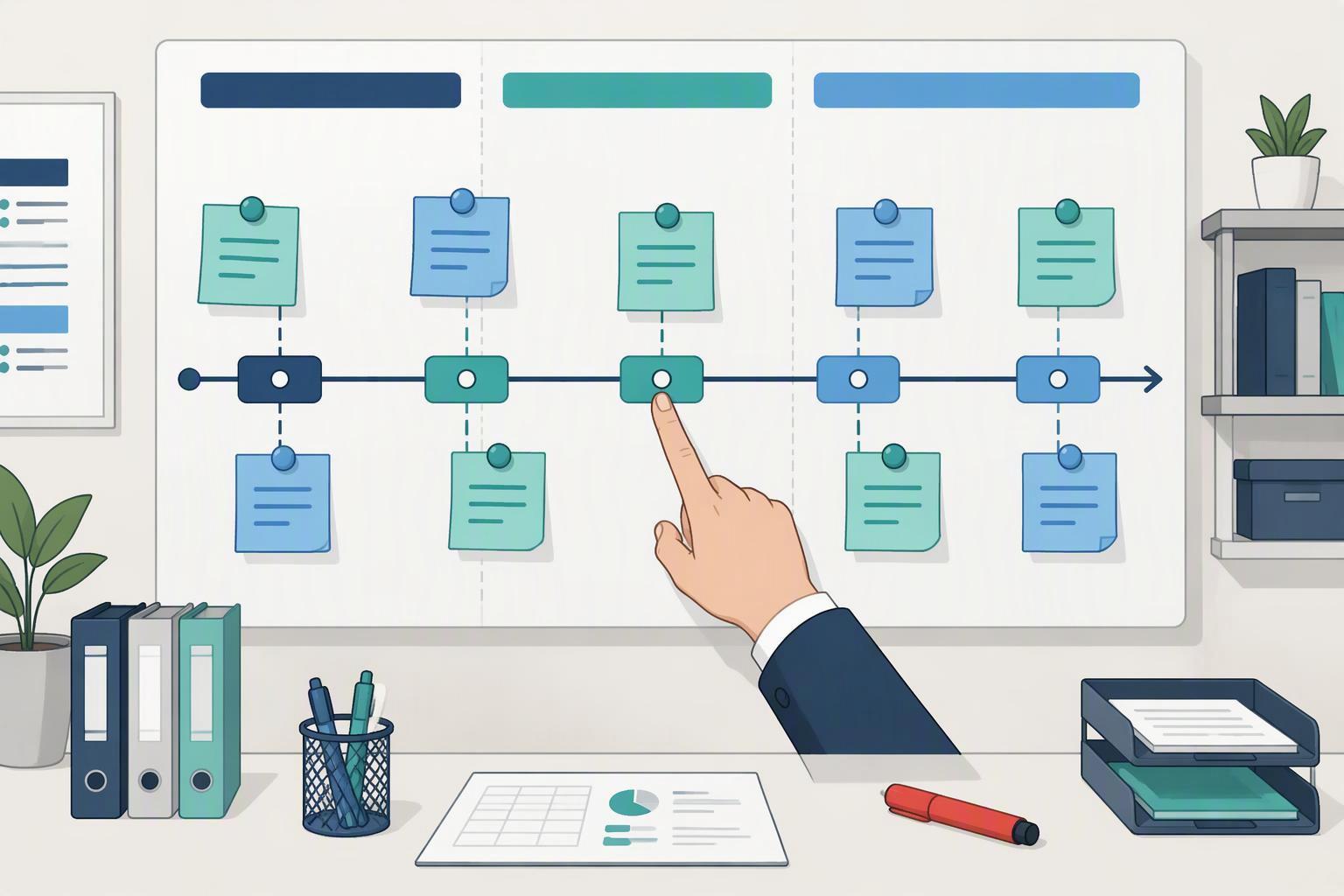
Nämä viisi esinettä kädessä, seuraava kysymys on ajoitus: ISO 9001:2026 siirtymäaikajana antaa sinulle neljä hankinnan määräaikaa ennen standardia 30 syyskuu 2029 viimeinen käyttöpäivä, ja aikaisin putoaa päälle 31 maaliskuuta 2027, kun akkreditointielinten on oltava valmiita arvioimaan organisaatioita 2026 painos (ISO/TC 176 SC2 siirtymäilmoitus, haettu 2026-09-28). Sertifiointielimet toimittavat sitten siirtymäilmoituksensa viimeistään 30 kesäkuuta 2027, akkreditointielimen siirtymäpäätökset seuraavat 30 syyskuu 2027 (ISO/TC 176 SC2 siirtymäilmoitus, haettu 2026-09-28).
Päivämäärä, jolloin toimittajalistasi muuttuu, on 31 maaliskuuta 2028: siitä pisteestä, uusi tai ensimmäinen akkreditoitu todistus myönnetään vain 2026 painos (ISO/TC 176 SC2 siirtymäilmoitus, haettu 2026-09-28). ISO-sertifioitu toimittaja 9001:2015 tämän päivämäärän jälkeen ei voi olla olemassa. Itse ikkuna on voimassa kolme vuotta julkaisusta, sulkeminen 30 syyskuu 2029 järjestöille 2015 todistukset, kesto LRQA:n julkaisupäivän tiedotus vahvistaa.
Key Takeaway: Jos toimittajasi sertifikaatti vanhenee 2028 tai 2029, heidän siirtymävelvollisuutensa pitäisi olla jo kirjattu laatusopimukseesi, ja kaikki uudet toimittajat, jotka olet oikeutettu seuraamaan 31 maaliskuuta 2028 saapuu sertifioituna 2026 painos.
ISO kehystää version kohdistetuksi päivitykseksi uudelleenkirjoituksen sijaan, johtajuutta korostaen, laadukas kulttuuri ja eettinen käyttäytyminen, riskien ja mahdollisuuksien selkeämpi huomioiminen, uusi osa, jossa selitetään vaatimusten tarkoitus, ja uusimman harmonisoidun rakenteen hyväksyminen (ISO:n julkaisutiedote, 16 syyskuu 2026). Odotettavissa tarkennusta, ei korvattu laatujärjestelmä.
Harjoitella 1: Muutoksenhallinta, joka kattaa viestinnän ja tehokkuuden, Ei vain hyväksyntää
Liuosvaiheen peptidisynteesi Peptiditoimittajan muutosvalvonta 2026 painos vaatii muutakin kuin allekirjoitettua hyväksyntää. Lausetason esittely tarkistetusta tekstistä lukee lausekkeen 6.3, muutosten suunnittelu, odotettaessa tiedon saatavuutta, miten muutos viestitään, miten tehokkuutta seurataan ja arvioidaan, ja kuinka tuloksia tarkastellaan (MOL Muutokset, 2026-09-29). Pelkästään hyväksyntä ei enää sisällä lauseketta.
Peptide Cro Sillä on merkitystä, koska hartsikorvaus, vastaioninvaihto tai menetelmäversion muutos voi muuttaa identiteettiä, puhtaus, epäpuhtausprofiili tai stabiilisuus, kun analyysitodistus näyttää muuttumattomalta. Lauseke 8.5.6, muutosten hallinta, on vaatinut vuodesta lähtien 2015 lähtökohtana on, että tuotannon muutokset tarkistetaan ja valvotaan tahattomien seurausten estämiseksi; odotetut artefaktit ovat muutospyyntölomakkeita, riskiarvioinnit, hyväksymisasiakirjat ja päivitetyt menettelyt (QA, helmikuu 2026).
Pyydä siis muutostietue yhden tietyn muutoksen takana edellisestä 24 kuukausia ja kävele se alusta loppuun: pyytää, riskinarviointi, hyväksyminen, viestintää asianomaisille asiakkaille, tehokkuuden tarkistus, päättäminen. Loki, jossa on hyväksymispäivämäärät ilman tehokkuustarkistusta, tai asiakasilmoitus, joka saapuu lähetyksen jälkeen, on vikatila. Yksi esimerkki: HPLC-puhtausmääritys siirrettiin uuteen menetelmäversioon, muutos hyväksyttiin, eikä kukaan vertannut kahta versiota samassa erässä.
Harjoitella 2: Erän jäljitettävyys Voit rekonstruoida taaksepäin ja eteenpäin
Peptidi-erän jäljitettävyys ei ole arkistointitehtävä, ja tarkastustesti todistaa sen: valitse yksi eränumero äskettäisestä toimituksesta ja pyydä toimittajaa rekonstruoimaan se, levyiltä, without preparation time. Backward, the genealogy should run to raw-material lots and their suppliers. Forward, it should run to every shipment Peptiditestaus that drew on the lot. The clause 8 operation requirements set the baseline: lauseke 8.5.2 requires organisations to identify outputs where needed, identify their status (hyväksytty, pending, hylätty, hold), ja, where traceability is required, control unique identification and retain the documented information behind it.
That is why a certificate of analysis alone proves less than buyers assume. A CoA reports results for a sample; it does not show which raw-material lots entered the batch, which method version was run, or where the rest of the lot went. Traceability is the artifact that tells you whether the certificate means anything.
Vihjeille: Choose the lot number before the call, not during it. A supplier who knows the sample in advance can assemble a tidy narrative; a supplier with live records answers in minutes. Kauppa
Mitä 2026 edition expects
Artifact to request
Lauseke Semaglutide Synthesis anchor
Outputs identified, status visible, unique identification controlled where traceability is required, documented information retained
A backward-to-materials and forward-to-shipment reconstruction of one sampled lot, produced from records Liquid Phase Peptide Synthesis
Lauseke 8.5.2, identification and traceability
Failure looks like one of two things. Either the genealogy stops at the bulk intermediate, leaving the raw-material lots unnamed, or the reconstruction takes days and arrives as a written account rather than as records. Both tell you the same thing: the system holds a certificate, not a traceable lot.
Harjoitella 3: Poikkeamien hallinta perimmäisellä syyllä ja CAPA-linkillä

Deviation management in peptide manufacturing is where a supplier’s quality system either works or performs. The test is not whether deviations are closed, but whether each one closes with a determined cause and a corrective action whose effectiveness was reviewed.
The clause 10.2 requirements in full set the sequence to check each entry against: react to the nonconformity by controlling and correcting it and dealing with its consequences; evaluate whether action is needed to eliminate the cause so it does not recur or occur elsewhere; determine the causes; determine whether similar nonconformities exist; implement the action; review its effectiveness; update risks and opportunities; and change the quality management system if necessary. The retained record must show the nature of the nonconformity and the actions taken, including results.
Request the last 12 months of the deviation log and read it for three things. Are causes determined, or merely described? Was the rest of the operation checked for the same nonconformity? Was effectiveness reviewed after implementation?
A log where every entry reads “operator error, retrained” fails all three. An isolated deviation is a data point; the same one recurring across products, instruments or operators is a systemic signal, and only the CAPA record separates them.
Harjoitella 4: Asiakirjat ja analyyttiset asiakirjat, jotka selviävät tarkastuksesta
The documentation question is not whether records exist. It is whether they are controlled, attributable and retained in a form an inspector can follow. A supplier can hand you a certificate of analysis and a tidy summary table and still fail this test, because a summary table is a transcription of a result, not the record that produced it.
Start with the controlled document set index: the procedures, the method versions and the specifications, each with a version number and an effective date. A method referenced by name with no version is a gap, ei yksityiskohta. Then ask for the raw data behind one reported purity or identity result: the chromatogram and the mass spectrum, with the acquisition method version, the analyst and the instrument identified.
That request maps to the data-integrity principles set out in MHRA’s data-integrity guidance: johtuu, luettavissa, samanaikainen, alkuperäinen, tarkka. The documented-information requirement in clause 8 of ISO 9001:2026 osoittaa samalla tavalla, toward records that are created and controlled as the work happens rather than reconstructed afterward.
⚠️ Varoitus: A summary table is not raw data. If the package contains a CoA and a table but no chromatogram, you cannot verify the result, only accept it.
When a supplier calls the raw data proprietary, that is a commercial position, not a quality one. Ask instead for a redacted chromatogram with the method version and instrument intact. The result and its provenance are what you are evaluating; the formula behind a proprietary gradient is not.
Harjoitella 5: Laatu suunnittelusta ja vertailukelpoisuuskeskustelu
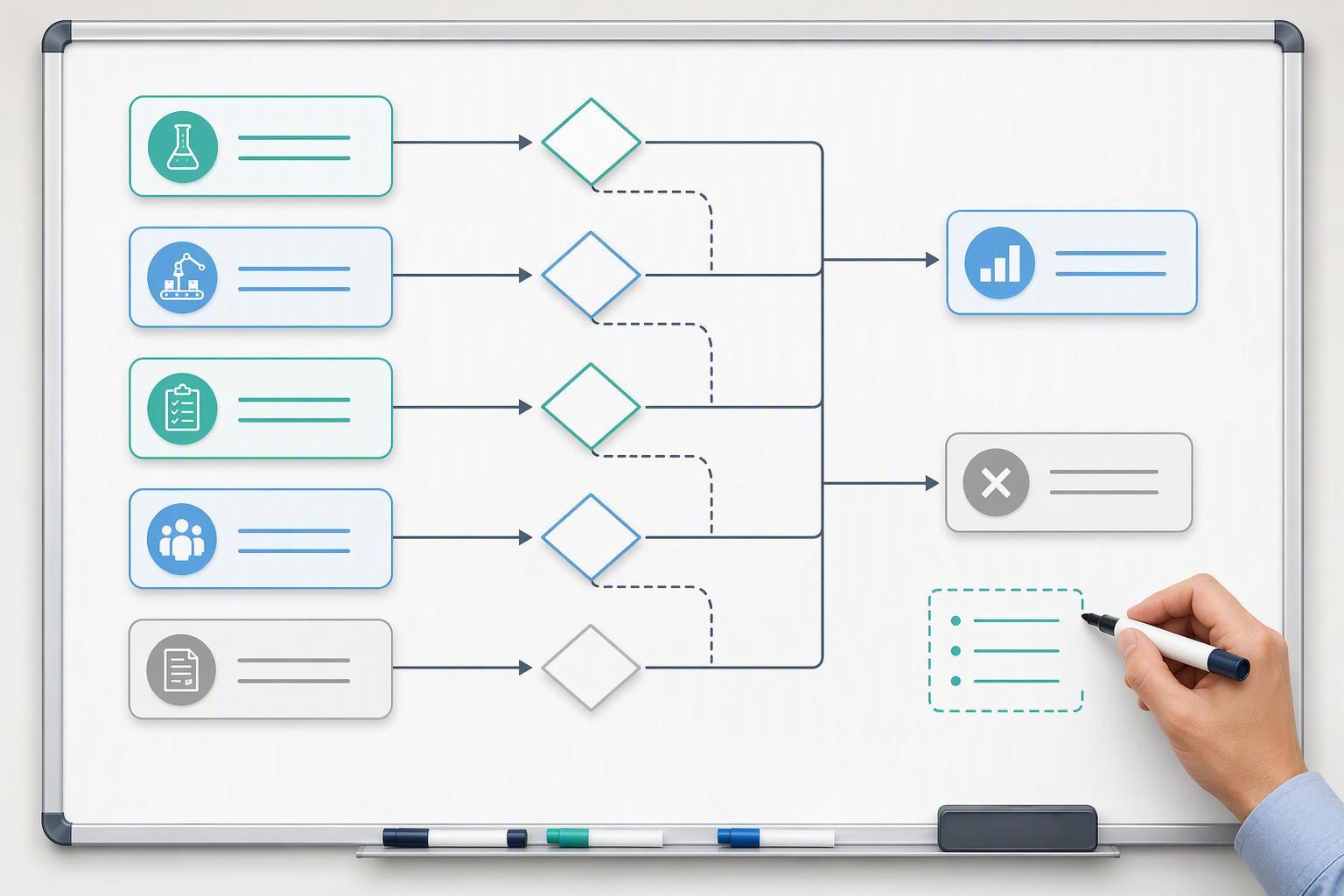
Quality by design for a peptide supplier means one practical thing at the buyer’s end: a comparability protocol agreed before a change, not a discussion after it. At peptide scale, purity and yield move together, so a change that looks operationally minor can shift the impurity profile.
That trade-off is why scale-up changes carry risk. CDMO guidance on milligram-to-kilogram scale-up notes that above 95% purity at kilogram scale the route often necessitates multi-step preparative HPLC and carefully controlled lyophilization, and that aggregation, huononeminen, or prolonged hold times can cause notable yield loss. The same source puts the practical solid-phase limit near 30 to 40 jäämiä. It is a CDMO’s own explainer, so read it for direction rather than as an independent benchmark.
Synthesis economics reinforce the point. The widely cited synthesis-economics analysis puts a 50-plus-step process at an average 99% yield per step, and reports that improving crude purity by 10% can save more than 50% post-purification. The figures come from named industry experts quoted in that piece, not from a controlled study.
Put the protocol in the quality agreement: which change types trigger a comparability study, what it measures (identiteetti, puhtaus, epäpuhtausprofiili, and where relevant potency and stability), and what acceptance criteria apply before changed material ships. A supplier that reports a change after the fact and offers a CoA as the comparability evidence has not met that bar.
A documentation package that includes full analytical verification, such as the one MOL Changes can be used to provide, supports this review.
Yleisiä virheitä, joita ostajat tekevät hakeessaan 2026 Odotukset
The most common buyer-side failure is treating the certificate as the evidence rather than the records behind it. A certificate says an audit happened; it does not show that the supplier can reconstruct a batch, explain a deviation, or control a change. These five mistakes show up repeatedly in supplier evaluations, and each has a straightforward fix.
Accepting a CoA as proof of traceability. A certificate of analysis confirms what was tested on one sample, not where the material came from or where it went. Buyers accept it because it arrives first and looks authoritative. Ask instead for the batch genealogy that links incoming lots to the finished peptide.
Reading a change log for approvals only. A log showing sign-offs tells you a change was authorized, not that anyone checked whether it worked. The fix is to request the effectiveness check that follows the approval.
Accepting a deviation log with dispositions and no causes. A disposition closes a batch; a root cause and a linked CAPA close the problem. If the log has no cause column, the supplier is tracking outcomes rather than preventing recurrence.
Requesting a documentation package without naming the artifacts. Vague requests get vague packages. Name what you want: the change record, the deviation log with CAPA references, the controlled document set.
Leaving the transition obligation out of the quality agreement. If the agreement is silent on who owns the 2026 siirtyminen, the obligation defaults to nobody. Put the deadline and the responsible party in writing.
Usein kysytyt kysymykset
What happens to a supplier’s 2015 todistus jälkeen 30 syyskuu 2029?
It stops being a valid basis for your qualification file. Under the ISO 9001:2026 transition timeline, certificates issued against the 2015 edition are withdrawn on 30 syyskuu 2029 (the ISO/TC 176 transition notice). If a supplier has not transitioned by then, treat their certificate as expired and re-open the qualification rather than letting it lapse quietly in your approved-supplier list.
Pitääkö toimittaja sertifioida uudelleen välittömästi julkaisun jälkeen??
Ei. ISO 9001:2026 julkaistiin 16 syyskuu 2026 (ISO’s launch announcement), and the transition window runs to 30 syyskuu 2029. A supplier holding a current 2015 certificate stays certified during that period. What changes for you is the deadline, not the certificate: ask for their transition plan and a target audit date, then track it as a qualification milestone.
Onko 2026 painos muuttaa itse toimittajan pätevyysvaatimuksia?
Not the requirement to evaluate and control externally provided processes, products and services, which remains part of the standard’s purchasing and supplier control expectations. Mitä 2026 edition shifts is how you evidence that evaluation: muuta ohjausta, jäljitettävyys, deviation handling and documented records are assessed against the practices above. Your qualification criteria stay yours; the audit trail behind them gets stricter.
Entä jos toimittaja kieltäytyy paikan päällä suoritetusta auditoinnista?
Accept it as a data point and adjust the evidence you require. Ask instead for a remote documentation review, a completed self-assessment against the five practices, batch records for a named lot, and a deviation log with CAPA linkage. If they decline all of these, you have no verifiable basis for approval, and the practical answer is to keep them unapproved or qualify an alternative source.
Johtopäätös
You now have five artifacts to request from any peptide supplier you are qualifying: a change-control record that shows communication and effectiveness, a batch genealogy you can walk backward and forward, a deviation log linked to a root cause and a CAPA, a controlled documentation and analytical record set, and a comparability protocol for process changes. Each one is a document a supplier either has or does not, which makes the request itself a fast filter. The dates make it timely rather than theoretical: the ISO/TC 176 transition notice sets 30 syyskuu 2029 as the end of the transition, so a supplier who cannot produce these records now has roughly three years to build them, and you carry the audit risk in the meantime.
If you would rather not run that review alone, talk to a technical expert about your documentation package, or request a walk-through of the change-control and traceability records.
Tietojen paljastaminen: Tämän artikkelin on julkaissut MOL Changes, a peptide manufacturer, so the supplier practices described here reflect the standards we are held to as well as the ones we apply.