先决条件: 评估供应商之前需要准备什么
每个供应商的文档演练大约需要半天时间. 您无需进行全面审核即可从中获取价值, 但在第一次打电话之前你确实需要准备好五件事.
需要准备什么:

-
供应商当前的证书, 及其到期日
-
该证书附带的范围声明
-
您的质量协议, 已签署或草稿
-
最近的审计报告, 如果存在的话
-
一批现场分析包
假设您熟悉质量管理词汇: 不合格, 纠正措施, 文件化信息. 如果这些术语还不是第二天性, 这 国际标准化组织 9000:2015 词汇 是共享引用, 在通话之前达成一致是值得的. 国际标准化组织 9000:2015 将不合格定义为“未满足要求”,将纠正措施定义为“消除不合格原因并防止再次发生的行动”。大多数陷入僵局的供应商对话都归结为两方对同一事件使用不同的词语.
对于小费: 索取证书的范围声明, 不仅仅是证书. 没有范围的证书告诉您系统已通过认证, 不是该系统涵盖的范围.
ISO如何 9001:2026 过渡时间表设定您的资格截止日期
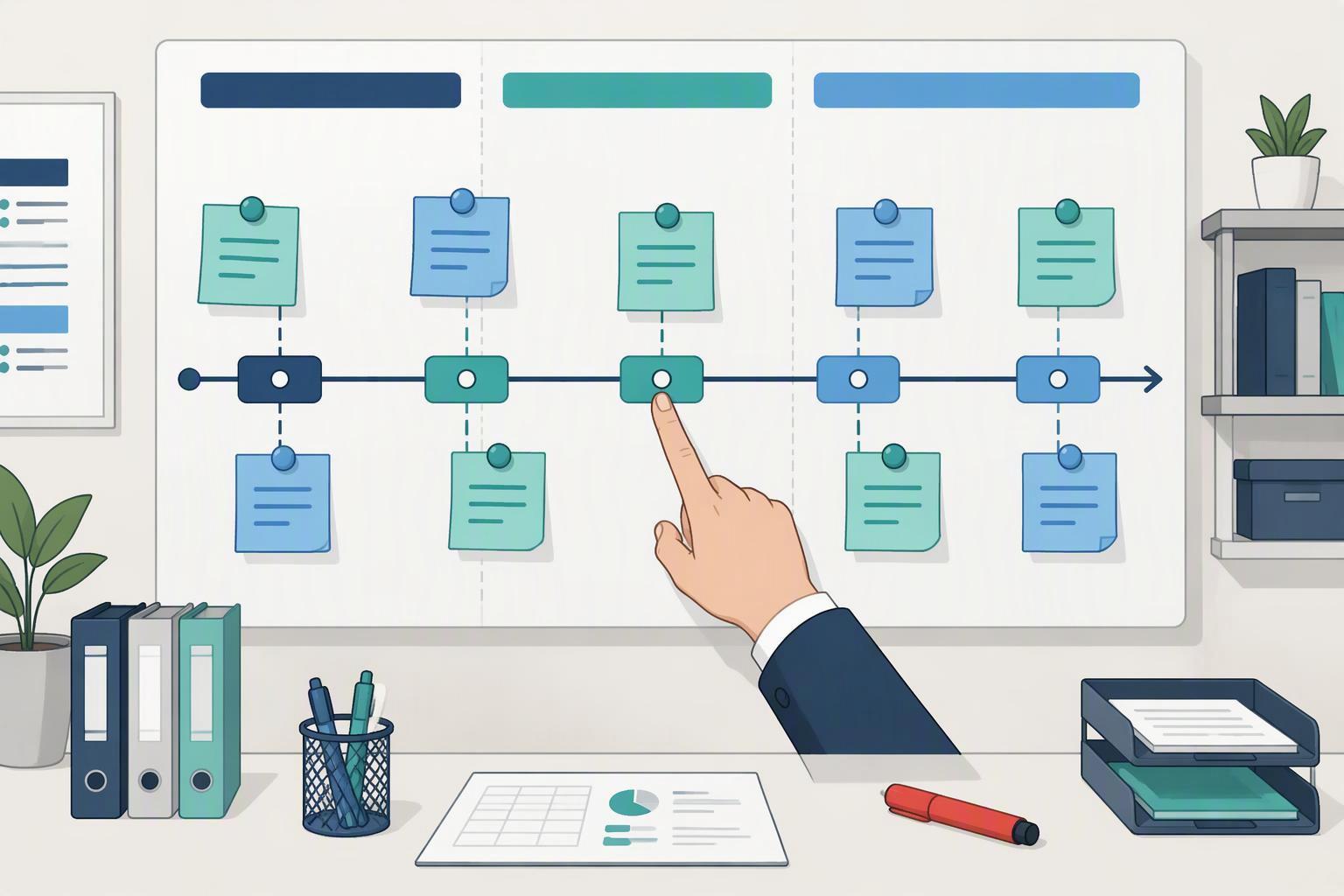
有了这五样东西在手, 下一个问题是时间安排: 国际标准化组织 9001:2026 过渡时间表为您提供了标准之前的四个采购截止日期 30 九月 2029 到期日, 最早的一个落在 31 行进 2027, 当认证机构必须准备好根据 2026 版 (国际标准化组织/技术委员会 176 SC2 过渡通知, 检索到的 2026-09-28). 然后认证机构通过以下方式提交其过渡声明: 30 六月 2027, 认证机构过渡决定随后 30 九月 2027 (国际标准化组织/技术委员会 176 SC2 过渡通知, 检索到的 2026-09-28).
更改供应商候选名单的日期是 31 行进 2028: 从那时起, 新的或初始认可的认证仅针对 2026 版 (国际标准化组织/技术委员会 176 SC2 过渡通知, 检索到的 2026-09-28). 通过ISO认证的供应商 9001:2015 该日期之后不能存在. 该窗口本身自发布之日起运行三年, 关闭 30 九月 2029 对于持有 2015 证书, LRQA 的发布日简报证实了这一点.
要点: 如果您的供应商证书过期 2028 或者 2029, 他们的过渡义务应该已经写入您的质量协议中, 以及您获得资格后的任何新供应商 31 行进 2028 将到达认证 2026 版.
ISO 将修订视为有针对性的更新而不是重写, 强调领导力, 质量文化和道德行为, 更清晰地考虑风险和机遇, 新的部分解释了要求的意图, 并采用最新的协调结构 (ISO 的发行说明, 16 九月 2026). 预计修改重点, 不是被取代的质量管理体系.
实践 1: 涵盖沟通和有效性的变更控制, 不仅仅是批准
溶液相肽合成 多肽供应商变更控制 2026 版本要求的不仅仅是签名批准. 修订文本的子句级演练如下:子句 6.3, 变更计划, 预期信息的可用性, 如何传达变更, 如何监测和评估有效性, 以及如何审查结果 (商船三井的变化, 2026-09-29). 单独批准不再包含该条款.
肽Cro 这很重要,因为树脂替代品, 抗衡离子交换或方法版本更改可以改变身份, 纯度, 杂质分布或稳定性,而分析证书看起来没有变化. 条款 8.5.6, 控制变化, 自从要求 2015 审查和控制生产变化的基线,以防止意外后果; 预期的工件是变更请求表单, 风险评估, 批准记录和更新程序 (质量保证, 二月 2026).
因此,询问自上次以来的一个特定更改背后的更改记录 24 几个月并从头到尾走完: 要求, 风险评估, 赞同, 与受影响客户的沟通, 有效性检查, 关闭. 包含批准日期且无有效性审核的日志, 或发货后收到的客户通知, 是失效模式. 一个例子: HPLC 纯度测定转向新的方法版本, 变更获得批准, 没有人比较同一批次的两个版本.
实践 2: 您可以向后和向前重建批次可追溯性
肽批次追溯不是备案工作, 审计测试证明了这一点: 从最近的交货中选择一个批号,并要求供应商重建它, 从记录, 没有准备时间. Backward, the genealogy should run to raw-material lots and their suppliers. Forward, it should run to every shipment 肽检测 that drew on the lot. The clause 8 operation requirements set the baseline: 条款 8.5.2 requires organisations to identify outputs where needed, identify their status (得到正式认可的, pending, 被拒绝, 抓住), 和, where traceability is required, control unique identification and retain the documented information behind it.
That is why a certificate of analysis alone proves less than buyers assume. A CoA reports results for a sample; it does not show which raw-material lots entered the batch, which method version was run, or where the rest of the lot went. Traceability is the artifact that tells you whether the certificate means anything.
对于小费: Choose the lot number before the call, not during it. A supplier who knows the sample in advance can assemble a tidy narrative; a supplier with live records answers in minutes. 店铺
什么是 2026 edition expects
Artifact to request
条款 Semaglutide Synthesis anchor
Outputs identified, status visible, unique identification controlled where traceability is required, documented information retained
A backward-to-materials and forward-to-shipment reconstruction of one sampled lot, produced from records Liquid Phase Peptide Synthesis
条款 8.5.2, identification and traceability
Failure looks like one of two things. Either the genealogy stops at the bulk intermediate, leaving the raw-material lots unnamed, or the reconstruction takes days and arrives as a written account rather than as records. Both tell you the same thing: the system holds a certificate, not a traceable lot.
实践 3: 具有根本原因和 CAPA 链接的偏差管理

Deviation management in peptide manufacturing is where a supplier’s quality system either works or performs. The test is not whether deviations are closed, but whether each one closes with a determined cause and a corrective action whose effectiveness was reviewed.
The clause 10.2 requirements in full set the sequence to check each entry against: react to the nonconformity by controlling and correcting it and dealing with its consequences; evaluate whether action is needed to eliminate the cause so it does not recur or occur elsewhere; determine the causes; determine whether similar nonconformities exist; implement the action; review its effectiveness; update risks and opportunities; and change the quality management system if necessary. The retained record must show the nature of the nonconformity and the actions taken, including results.
Request the last 12 months of the deviation log and read it for three things. Are causes determined, or merely described? Was the rest of the operation checked for the same nonconformity? Was effectiveness reviewed after implementation?
A log where every entry reads “operator error, retrained” fails all three. An isolated deviation is a data point; the same one recurring across products, instruments or operators is a systemic signal, and only the CAPA record separates them.
实践 4: 经得起检查的文件和分析记录
The documentation question is not whether records exist. It is whether they are controlled, attributable and retained in a form an inspector can follow. A supplier can hand you a certificate of analysis and a tidy summary table and still fail this test, because a summary table is a transcription of a result, not the record that produced it.
Start with the controlled document set index: the procedures, the method versions and the specifications, each with a version number and an effective date. A method referenced by name with no version is a gap, 不是一个细节. Then ask for the raw data behind one reported purity or identity result: the chromatogram and the mass spectrum, with the acquisition method version, the analyst and the instrument identified.
That request maps to the data-integrity principles set out in MHRA’s data-integrity guidance: 可归因的, 清晰易读, 同时期的, 原来的, 准确的. The documented-information requirement in clause 8 of ISO 9001:2026 指向相同的方向, toward records that are created and controlled as the work happens rather than reconstructed afterward.
⚠️警告: A summary table is not raw data. If the package contains a CoA and a table but no chromatogram, you cannot verify the result, only accept it.
When a supplier calls the raw data proprietary, that is a commercial position, not a quality one. Ask instead for a redacted chromatogram with the method version and instrument intact. The result and its provenance are what you are evaluating; the formula behind a proprietary gradient is not.
实践 5: 质量源于设计和可比性对话

Quality by design for a peptide supplier means one practical thing at the buyer’s end: a comparability protocol agreed before a change, not a discussion after it. At peptide scale, purity and yield move together, so a change that looks operationally minor can shift the impurity profile.
That trade-off is why scale-up changes carry risk. CDMO guidance on milligram-to-kilogram scale-up notes that above 95% purity at kilogram scale the route often necessitates multi-step preparative HPLC and carefully controlled lyophilization, and that aggregation, 降解, or prolonged hold times can cause notable yield loss. The same source puts the practical solid-phase limit near 30 到 40 残留物. It is a CDMO’s own explainer, so read it for direction rather than as an independent benchmark.
Synthesis economics reinforce the point. The widely cited synthesis-economics analysis puts a 50-plus-step process at an average 99% yield per step, and reports that improving crude purity by 10% can save more than 50% post-purification. The figures come from named industry experts quoted in that piece, not from a controlled study.
Put the protocol in the quality agreement: which change types trigger a comparability study, what it measures (身份, 纯度, 杂质概况, and where relevant potency and stability), and what acceptance criteria apply before changed material ships. A supplier that reports a change after the fact and offers a CoA as the comparability evidence has not met that bar.
A documentation package that includes full analytical verification, such as the one MOL Changes can be used to provide, supports this review.
买家在申请时常犯的错误 2026 期望
The most common buyer-side failure is treating the certificate as the evidence rather than the records behind it. A certificate says an audit happened; it does not show that the supplier can reconstruct a batch, explain a deviation, or control a change. These five mistakes show up repeatedly in supplier evaluations, and each has a straightforward fix.
Accepting a CoA as proof of traceability. A certificate of analysis confirms what was tested on one sample, not where the material came from or where it went. Buyers accept it because it arrives first and looks authoritative. Ask instead for the batch genealogy that links incoming lots to the finished peptide.
Reading a change log for approvals only. A log showing sign-offs tells you a change was authorized, not that anyone checked whether it worked. The fix is to request the effectiveness check that follows the approval.
Accepting a deviation log with dispositions and no causes. A disposition closes a batch; a root cause and a linked CAPA close the problem. If the log has no cause column, the supplier is tracking outcomes rather than preventing recurrence.
Requesting a documentation package without naming the artifacts. Vague requests get vague packages. Name what you want: the change record, the deviation log with CAPA references, the controlled document set.
Leaving the transition obligation out of the quality agreement. If the agreement is silent on who owns the 2026 过渡, the obligation defaults to nobody. Put the deadline and the responsible party in writing.
常见问题解答
What happens to a supplier’s 2015 之后的证书 30 九月 2029?
It stops being a valid basis for your qualification file. Under the ISO 9001:2026 transition timeline, certificates issued against the 2015 edition are withdrawn on 30 九月 2029 (the ISO/TC 176 transition notice). If a supplier has not transitioned by then, treat their certificate as expired and re-open the qualification rather than letting it lapse quietly in your approved-supplier list.
供应商发布后是否必须立即重新认证?
不. 国际标准化组织 9001:2026 发表于 16 九月 2026 (ISO’s launch announcement), and the transition window runs to 30 九月 2029. A supplier holding a current 2015 certificate stays certified during that period. What changes for you is the deadline, not the certificate: ask for their transition plan and a target audit date, then track it as a qualification milestone.
是否 2026 版本变更供应商资质要求本身?
Not the requirement to evaluate and control externally provided processes, products and services, which remains part of the standard’s purchasing and supplier control expectations. 什么是 2026 edition shifts is how you evidence that evaluation: 变更控制, 可追溯性, deviation handling and documented records are assessed against the practices above. Your qualification criteria stay yours; the audit trail behind them gets stricter.
如果供应商拒绝现场审核怎么办?
Accept it as a data point and adjust the evidence you require. Ask instead for a remote documentation review, a completed self-assessment against the five practices, batch records for a named lot, and a deviation log with CAPA linkage. If they decline all of these, you have no verifiable basis for approval, and the practical answer is to keep them unapproved or qualify an alternative source.
结论
You now have five artifacts to request from any peptide supplier you are qualifying: a change-control record that shows communication and effectiveness, a batch genealogy you can walk backward and forward, a deviation log linked to a root cause and a CAPA, a controlled documentation and analytical record set, and a comparability protocol for process changes. Each one is a document a supplier either has or does not, which makes the request itself a fast filter. The dates make it timely rather than theoretical: the ISO/TC 176 transition notice sets 30 九月 2029 as the end of the transition, so a supplier who cannot produce these records now has roughly three years to build them, and you carry the audit risk in the meantime.
If you would rather not run that review alone, talk to a technical expert about your documentation package, or request a walk-through of the change-control and traceability records.
披露: 本文由 MOL Changes 发表, a peptide manufacturer, so the supplier practices described here reflect the standards we are held to as well as the ones we apply.