Requisitos previos: Qué tener listo antes de evaluar a un proveedor
El recorrido por la documentación dura aproximadamente medio día por proveedor.. No es necesario realizar una auditoría completa para obtener valor., pero necesitas cinco cosas delante de ti antes de la primera llamada.
que tener listo:

-
El certificado vigente del proveedor., con su fecha de caducidad
-
La declaración de alcance adjunta a ese certificado.
-
Su acuerdo de calidad, firmado o en borrador
-
El informe de auditoría más reciente., si uno existe
-
El paquete analítico para un lote vivo
Suponga que se siente cómodo con el vocabulario de gestión de calidad.: disconformidad, acción correctiva, información documentada. Si esos términos aún no son una segunda naturaleza, el ISO 9000:2015 vocabulario es la referencia compartida, y vale la pena acordarlo antes de la llamada.. ISO 9000:2015 define la no conformidad como “el incumplimiento de un requisito” y la acción correctiva como “la acción para eliminar la causa de una no conformidad y prevenir su recurrencia”. La mayoría de las conversaciones estancadas con proveedores se reducen a dos partes que utilizan palabras diferentes para el mismo evento..
Para propina: Solicite la declaración de alcance del certificado., no solo el certificado. Un certificado sin su alcance le indica que un sistema fue certificado, no es lo que cubre ese sistema.
¿Cómo funciona la ISO? 9001:2026 El cronograma de transición establece sus fechas límite de calificación
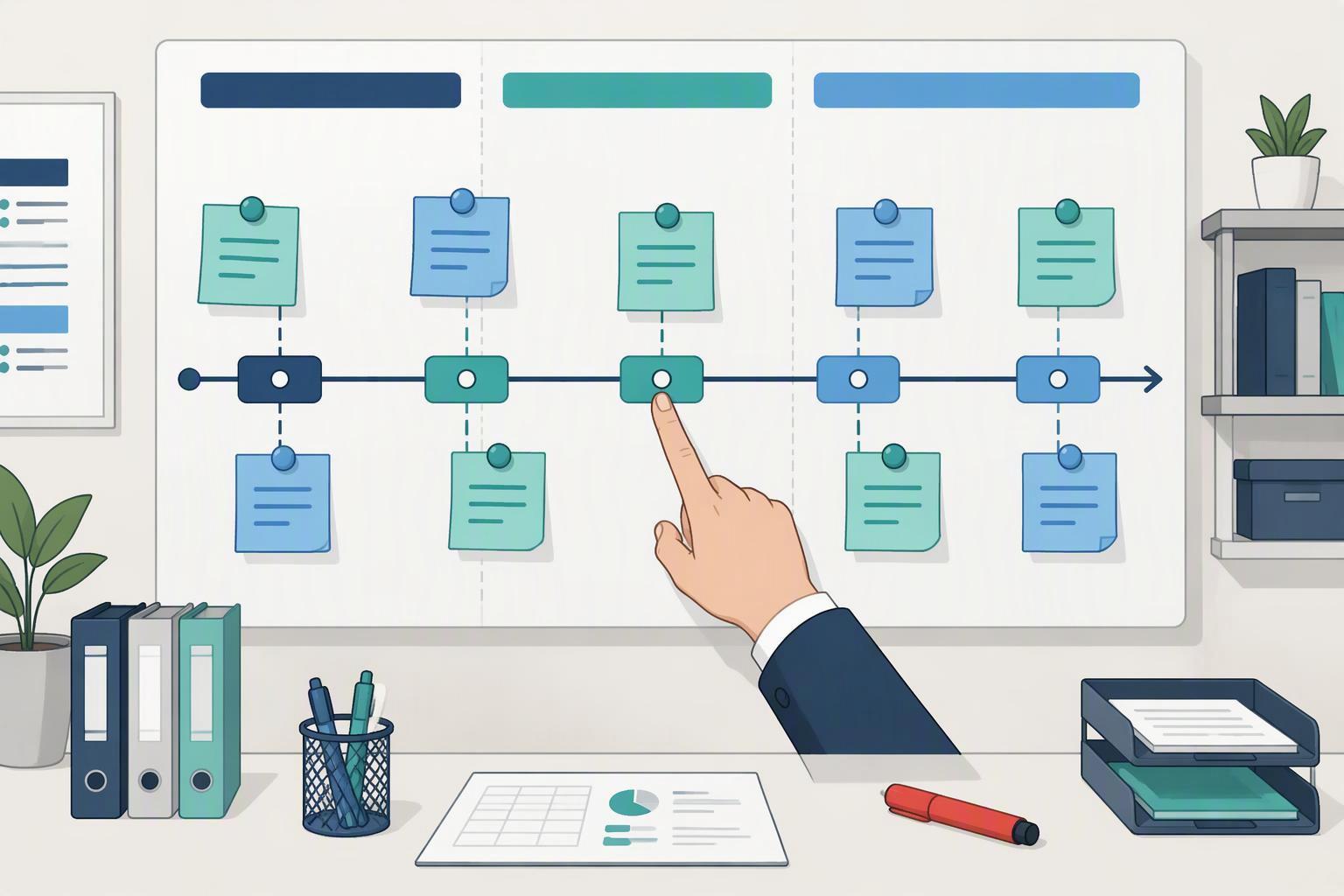
Con esos cinco elementos en la mano, la siguiente pregunta es el momento: la ISO 9001:2026 El cronograma de transición le brinda cuatro plazos de adquisición antes de la fecha límite del estándar. 30 Septiembre 2029 fecha de vencimiento, y el primero cae 31 Marzo 2027, cuando los organismos de acreditación deben estar preparados para evaluar a las organizaciones 2026 edición (ISO/TC 176 Aviso de transición SC2, recuperado 2026-09-28). Los organismos de certificación luego presentan sus declaraciones de transición por 30 Junio 2027, con las decisiones de transición del organismo de acreditación seguidas por 30 Septiembre 2027 (ISO/TC 176 Aviso de transición SC2, recuperado 2026-09-28).
La fecha que cambia tu shortlist de proveedores es 31 Marzo 2028: desde ese punto, La certificación acreditada nueva o inicial se emite únicamente contra el 2026 edición (ISO/TC 176 Aviso de transición SC2, recuperado 2026-09-28). Un proveedor certificado ISO 9001:2015 después de esa fecha no puede existir. La ventana en sí tiene una duración de tres años desde su publicación., cierre 30 Septiembre 2029 para organizaciones que poseen 2015 certificados, una duración que el informe informativo del día de lanzamiento de LRQA corrobora.
Conclusión clave: Si el certificado de su proveedor vence en 2028 o 2029, su obligación de transición ya debería estar escrita en su acuerdo de calidad, y cualquier nuevo proveedor que califique después 31 Marzo 2028 llegará certificado al 2026 edición.
ISO enmarca la revisión como una actualización específica en lugar de una reescritura, enfatizando el liderazgo, cultura de calidad y comportamiento ético, consideración más clara de los riesgos y oportunidades, una nueva sección que explica la intención de los requisitos, y adopción de la última Estructura Armonizada (Nota de versión de ISO, 16 Septiembre 2026). Espere énfasis revisado, no es un sistema de gestión de calidad reemplazado.
Práctica 1: Control de cambios que abarca la comunicación y la eficacia, No sólo aprobación
Síntesis de péptidos en fase de solución Control de cambios de proveedores de péptidos según el 2026 La edición pide más que una aprobación firmada.. Un recorrido a nivel de cláusula del texto revisado dice cláusula 6.3, planificación de cambios, como esperando disponibilidad de información, cómo se comunica el cambio, cómo se monitorea y evalúa la efectividad, y cómo se revisan los resultados (Cambios de MOL, 2026-09-29). La aprobación por sí sola ya no conlleva la cláusula..
péptido cro Eso importa porque una sustitución de resina, un intercambio de contraiones o un cambio de versión de método pueden cambiar la identidad, pureza, perfil de impurezas o estabilidad mientras el certificado de análisis se ve sin cambios. Cláusula 8.5.6, control de cambios, ha requerido desde el 2015 punto de partida para que los cambios en la producción sean revisados y controlados para evitar consecuencias no deseadas; los artefactos esperados son formularios de solicitud de cambio, evaluaciones de riesgos, registros de aprobación y procedimientos actualizados (control de calidad, Febrero 2026).
Entonces solicite el registro de cambios detrás de un cambio específico del último 24 meses y recorrerlo de punta a punta: pedido, Evaluación de riesgos, aprobación, comunicación a los clientes afectados, control de efectividad, cierre. Un registro con fechas de aprobación y sin revisión de efectividad, o una notificación al cliente que llega después del envío, es el modo de falla. un ejemplo: un ensayo de pureza HPLC trasladado a una nueva versión del método, el cambio fue aprobado, y nadie comparó las dos versiones en el mismo lote.
Práctica 2: Trazabilidad de lotes que puede reconstruir hacia adelante y hacia atrás
La trazabilidad de lotes de péptidos no es un ejercicio de archivo, y la prueba de auditoría lo demuestra: Elija un número de lote de una entrega reciente y solicite al proveedor que lo reconstruya., de registros, sin tiempo de preparación. Hacia atrás, La genealogía debe abarcar los lotes de materias primas y sus proveedores.. Adelante, debería ejecutarse en cada envío Prueba de péptidos que se dibujó en el lote. la cláusula 8 Los requisitos de operación establecen la línea de base.: cláusula 8.5.2 Requiere que las organizaciones identifiquen resultados cuando sean necesarios., identificar su estado (aprobado, pendiente, rechazado, sostener), y, donde se requiere trazabilidad, controlar la identificación única y conservar la información documentada detrás de ella.
Por eso un certificado de análisis por sí solo prueba menos de lo que los compradores suponen.. Un CoA informa los resultados de una muestra.; no muestra qué lotes de materia prima entraron en el lote, qué versión del método se ejecutó, o donde fue el resto del lote. La trazabilidad es el artefacto que le dice si el certificado significa algo.
Para propina: Elija el número de lote antes de la llamada, no durante ello. Un proveedor que conoce la muestra de antemano puede elaborar una narrativa ordenada.; un proveedor con registros en vivo responde en minutos. Comercio
¿Qué 2026 edición espera
Artefacto a solicitar
Cláusula Síntesis de semaglutida ancla
Productos identificados, estado visible, identificación única controlada donde se requiere trazabilidad, información documentada retenida
Una reconstrucción del retroceso a los materiales y del avance al envío de un lote muestreado, producido a partir de registros Síntesis de péptidos en fase líquida
Cláusula 8.5.2, identificación y trazabilidad
El fracaso parece una de dos cosas. O la genealogía se detiene en el conjunto intermedio, dejando los lotes de materia prima sin nombre, o la reconstrucción tarda días y llega como un relato escrito en lugar de como registros. Ambos te dicen lo mismo: el sistema tiene un certificado, no es un lote rastreable.
Práctica 3: Gestión de desviaciones con una causa raíz y un vínculo CAPA

La gestión de desviaciones en la fabricación de péptidos es donde el sistema de calidad de un proveedor funciona o se desempeña. La prueba no es si las desviaciones están cerradas, sino si cada uno cierra con una causa determinada y una acción correctiva cuya efectividad fue revisada.
la cláusula 10.2 Los requisitos en su totalidad establecen la secuencia para comparar cada entrada.: Reaccionar ante la no conformidad controlándola, corrigiéndola y afrontando sus consecuencias.; evaluar si es necesario tomar medidas para eliminar la causa de modo que no vuelva a ocurrir ni ocurra en otro lugar; determinar las causas; determinar si existen no conformidades similares; implementar la acción; revisar su efectividad; actualizar riesgos y oportunidades; y cambiar el sistema de gestión de calidad si es necesario. El registro retenido debe mostrar la naturaleza de la no conformidad y las acciones tomadas., incluyendo resultados.
Solicita el ultimo 12 meses del registro de desviación y leerlo para tres cosas. ¿Se determinan las causas?, o simplemente descrito? ¿Se verificó el resto de la operación por la misma no conformidad?? ¿Se revisó la eficacia después de la implementación??
Un registro donde cada entrada dice "error del operador, reentrenado” falla los tres. Una desviación aislada es un punto de datos.; el mismo recurrente en todos los productos, instrumentos u operadores es una señal sistémica, y solo el registro CAPA los separa.
Práctica 4: Documentación y registros analíticos que sobreviven a la inspección
La cuestión de la documentación no es si existen registros.. Es si están controlados, atribuible y retenido en una forma que un inspector pueda seguir. Un proveedor puede entregarle un certificado de análisis y una tabla resumen ordenada y aun así no pasar la prueba., porque una tabla resumen es una transcripción de un resultado, no el disco que lo produjo.
Comience con el índice del conjunto de documentos controlados: los procedimientos, las versiones del método y las especificaciones, cada uno con un número de versión y una fecha de vigencia. Un método al que se hace referencia por nombre sin versión es un espacio, no es un detalle. Luego solicite los datos sin procesar detrás de un resultado de identidad o pureza reportado.: el cromatograma y el espectro de masas, con la versión del método de adquisición, El analista y el instrumento identificado..
Esa solicitud se corresponde con los principios de integridad de datos establecidos en la guía de integridad de datos de la MHRA.: atribuible, legible, contemporáneo, original, preciso. El requisito de información documentada en la cláusula 8 de ISO 9001:2026 apunta de la misma manera, hacia registros que se crean y controlan a medida que ocurre el trabajo en lugar de reconstruirse después.
⚠️ Advertencia: Una tabla resumen no son datos sin procesar.. Si el paquete contiene un CoA y una tabla pero no un cromatograma, no puedes verificar el resultado, solo acéptalo.
Cuando un proveedor considera que los datos sin procesar son propietarios, esa es una posición comercial, no es de calidad. En su lugar, solicite un cromatograma redactado con la versión del método y el instrumento intactos.. El resultado y su procedencia es lo que estás evaluando.; La fórmula detrás de un gradiente propietario no es.
Práctica 5: Calidad por diseño y la conversación sobre comparabilidad
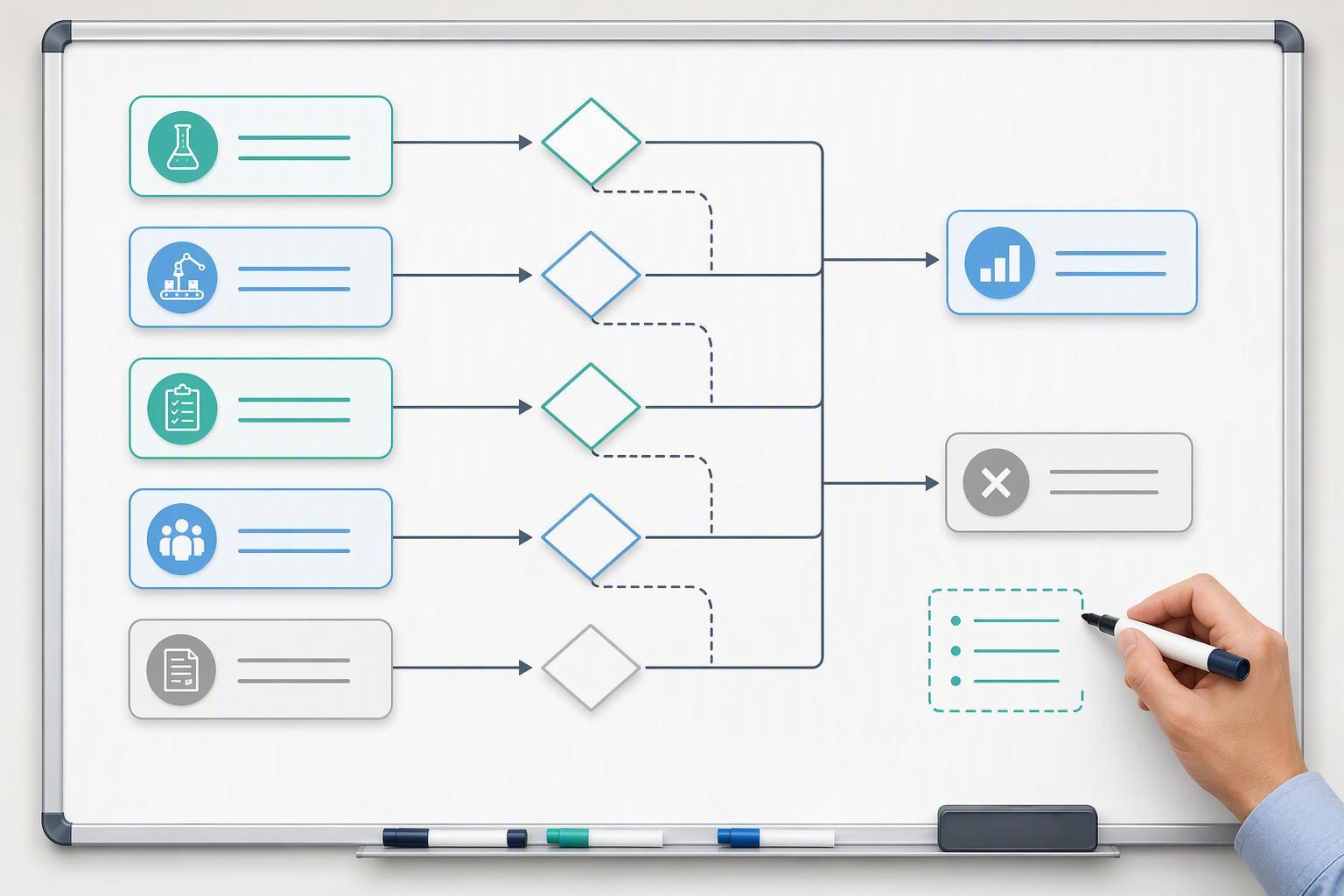
La calidad por diseño para un proveedor de péptidos significa algo práctico para el comprador: un protocolo de comparabilidad acordado antes de un cambio, no hay discusión después. A escala peptídica, La pureza y el rendimiento van juntos, por lo que un cambio que parezca operativamente menor puede cambiar el perfil de impurezas.
Esa compensación es la razón por la que los cambios a mayor escala conllevan riesgos. Guía de la CDMO sobre la ampliación de miligramos a kilogramos señala que arriba 95% pureza a escala de kilogramos, la ruta a menudo requiere HPLC preparativa de varios pasos y una liofilización cuidadosamente controlada, y esa agregación, degradación, o los tiempos de espera prolongados pueden causar una pérdida de rendimiento notable. La misma fuente sitúa el límite práctico de fase sólida cerca 30 a 40 residuos. Es el propio explicador de una CDMO., así que léalo como guía y no como un punto de referencia independiente..
La economía de síntesis refuerza el punto. El análisis de economía de síntesis ampliamente citado sitúa un proceso de más de 50 pasos en promedio 99% rendimiento por paso, e informa que mejorar la pureza del crudo mediante 10% puede ahorrar más de 50% post-purificación. Las cifras provienen de expertos de la industria citados en ese artículo., no de un estudio controlado.
Poner el protocolo en el acuerdo de calidad.: qué tipos de cambios desencadenan un estudio de comparabilidad, lo que mide (identidad, pureza, perfil de impurezas, y cuando sea relevante potencia y estabilidad), y qué criterios de aceptación se aplican antes de enviar el material modificado. Un proveedor que informa un cambio después del hecho y ofrece un CoA ya que la evidencia de comparabilidad no ha cumplido con ese requisito..
Un paquete de documentación que incluye verificación analítica completa., como el que MOL Changes se puede utilizar para proporcionar, apoya esta revisión.
Errores comunes que cometen los compradores al aplicar el 2026 Esperanzas de heredar
El error más común por parte del comprador es tratar el certificado como la evidencia en lugar de los registros detrás de él.. Un certificado dice que se realizó una auditoría.; no muestra que el proveedor pueda reconstruir un lote, explicar una desviación, o controlar un cambio. Estos cinco errores aparecen repetidamente en las evaluaciones de proveedores, y cada uno tiene una solución sencilla.
Aceptar un CoA como prueba de trazabilidad. Un certificado de análisis confirma lo que se probó en una muestra., ni de dónde vino el material ni adónde fue. Los compradores lo aceptan porque llega primero y parece autorizado.. En su lugar, pregunte por la genealogía del lote que vincula los lotes entrantes con el péptido terminado..
Leer un registro de cambios solo para aprobaciones. Un registro que muestra las aprobaciones le indica que se autorizó un cambio, No es que nadie haya comprobado si funciona.. La solución es solicitar el control de eficacia que sigue a la aprobación..
Aceptar un registro de desvíos con disposiciones y sin causas.. Una disposición cierra un lote; una causa raíz y un CAPA vinculado cierran el problema. Si el registro no tiene columna de causa, el proveedor está rastreando los resultados en lugar de prevenir la recurrencia.
Solicitar un paquete de documentación sin nombrar los artefactos. Las solicitudes vagas obtienen paquetes vagos. Nombra lo que quieras: el registro de cambios, el registro de desviaciones con referencias CAPA, el conjunto de documentos controlados.
Dejar la obligación de transición fuera del acuerdo de calidad. Si el acuerdo no dice nada sobre quién es el propietario del 2026 transición, la obligación no llega a nadie. Poner por escrito el plazo y el responsable.
Preguntas frecuentes
¿Qué pasa con el proveedor? 2015 certificado después 30 Septiembre 2029?
Deja de ser base válida para tu expediente de calificación. Bajo la ISO 9001:2026 cronograma de transición, certificados emitidos contra el 2015 edición se retiran el 30 Septiembre 2029 (el ISO/TC 176 aviso de transición). Si un proveedor no ha realizado la transición para entonces, trate su certificado como vencido y vuelva a abrir la calificación en lugar de dejar que caduque silenciosamente en su lista de proveedores aprobados..
¿Un proveedor debe ser recertificado inmediatamente después de la publicación??
No. ISO 9001:2026 fue publicado en 16 Septiembre 2026 (Anuncio de lanzamiento de ISO), y la ventana de transición se ejecuta a 30 Septiembre 2029. Un proveedor que tenga una corriente 2015 El certificado permanece certificado durante ese período.. Lo que cambia para ti es la fecha límite, no el certificado: Solicite su plan de transición y una fecha objetivo de auditoría., luego haz un seguimiento como un hito de calificación.
¿El 2026 cambio de edición requisitos de calificación del proveedor mismos?
No es el requisito de evaluar y controlar los procesos proporcionados externamente., productos y servicios, que sigue siendo parte de las expectativas de control de proveedores y compras de la norma. ¿Qué 2026 Los cambios de edición es la forma en que se evidencia esa evaluación.: control de cambios, trazabilidad, El manejo de desviaciones y los registros documentados se evalúan con respecto a las prácticas anteriores.. Tus criterios de calificación siguen siendo tuyos; el seguimiento de auditoría detrás de ellos se vuelve más estricto.
¿Qué pasa si un proveedor rechaza una auditoría in situ??
Acéptelo como un punto de datos y ajuste la evidencia que requiera. Solicite en su lugar una revisión remota de la documentación, una autoevaluación completa de las cinco prácticas, registros de lote para un lote con nombre, y un registro de desviación con enlace CAPA. Si rechazan todos estos, no tienes base verificable para la aprobación, y la respuesta práctica es mantenerlos sin aprobar o calificar una fuente alternativa.
Conclusión
Ahora tiene cinco artefactos para solicitar a cualquier proveedor de péptidos que esté calificando.: Un registro de control de cambios que muestra comunicación y efectividad., una genealogía por lotes que puedes caminar hacia adelante y hacia atrás, un registro de desviación vinculado a una causa raíz y un CAPA, un conjunto controlado de documentación y registros analíticos, y un protocolo de comparabilidad para cambios de proceso.. Cada uno es un documento que un proveedor tiene o no., lo que hace que la solicitud en sí sea un filtro rápido. Las fechas lo hacen más oportuno que teórico.: el ISO/TC 176 conjuntos de avisos de transición 30 Septiembre 2029 como el final de la transición, por lo que un proveedor que no pueda producir estos registros ahora tiene aproximadamente tres años para construirlos, y usted asume el riesgo de auditoría mientras tanto.
Si prefiere no realizar esa revisión solo, Hable con un experto técnico sobre su paquete de documentación., o solicitar un recorrido por los registros de control de cambios y trazabilidad.
Divulgación: este artículo es publicado por MOL Changes, un fabricante de péptidos, Por lo tanto, las prácticas de proveedores aquí descritas reflejan los estándares a los que estamos sujetos y los que aplicamos..