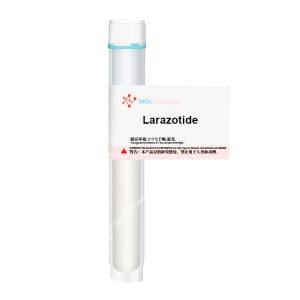
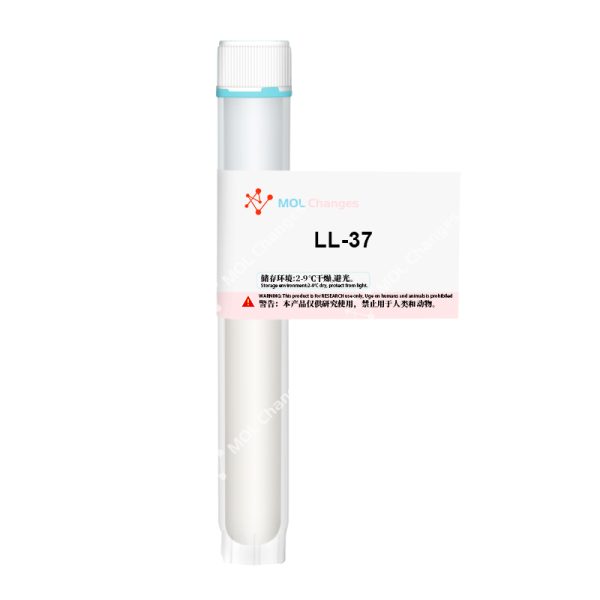
LL-37 on an antimikrobinen peptidi alkaen katelisidiini perhe. The name itself refers to its 37 aminohappokoostumus ja kahden N-terminaalinen aloitus leusiini jäämiä. HCAP18, the sole member of the human cathelicidin family, undergoes specific cleavage by human proteases to release this biologically active LL-37 fragment.
LL-37:n löytäminen merkitsi katelisidiinitutkimuksen muodollista siirtymää eläinmalleista ihmisiin. Keskeisenä osana synnynnäistä immuunijärjestelmää, LL-37:llä on tärkeä rooli ihmisen puolustautumisessa taudinaiheuttajia vastaan.
Tämän suojan ensisijainen tehtävä on laajakirjoinen suora antibakteerinen vaikutus. Amfipaattinen α-kierteinen(Alfa heliksi) Tästä aktiivisuudesta vastaava rakenne indusoi sähköstaattista vetovoimaa negatiivisesti varautuneita bakteerikalvoja kohtaan. Direct disruption of membrane integrity leads to loss of intracellular nutrients; complete bacterial death follows. Erityisesti, this mechanism does not induce any form of resistance.
Other functions within the body are also attributed to it – haavan paranemista, kudosten korjaus, voimakas immunomodulaatio, endotoxin neutralointi, and demonstrated anti-cancer and anti-viral effects.
Järjestys
Leu-Leu-Gly-Asp-Phe-Phe-Arg-Lys-Ser-Lys-Glu-Lys-Ile-Gly-Lys-Glu-Phe-Lys-Arg-Ile-Val-Gln-Arg-Ile-Lys-Asp-Phe-Leu-Arg-Asn-Leu-Val-Pro-Arg-Thr-Glu-Ser
CAS-numero
154947-66-7
Molekyylikaava
C205H340N60O53
Molekyylipaino
4493.34
LL-37 Aiheeseen liittyvä tutkimus
1.Broad-Spectrum Direct Antibacterial Activity
Rapid and direct bactericidal action against a wide variety of mikro-organismeja is LL-37’s most well documented function. Gram negatiivinen, positiivinen, ja jopa sieniä taudinaiheuttajia are all effectively killed.
Kationinen, amphipathic characteristics of the peptide are key to this process; charged segments bind directly to bacterial membranes. Solusisällön vuotaminen ja kalvopotentiaalin romahtaminen ovat hyökkäyksen lopputuloksia.
Perinteiset antibiootit toimivat hyvin eri tavoin (and often target-specific) vastustusreittejä; LL-37’s mode of attack is both fast and, tähän päivään mennessä, ei liity merkittävään resistenssin kehittymiseen. Ihmisillä tehdyt kliiniset tutkimukset tukevat LL-37:n turvallisuutta ja tehoa terapeuttisena aineena.
2.Powerful Immunomodulatory Function
LL-37 vaikuttaa kehon paikalliseen mikroympäristöön. Kun havaitaan kudosvaurio tai patologiset muutokset, LL-37 aktivoi erilaisia säätelytekijöitä ja soluja aggregoitumaan näissä kohdissa.
Tulehduksellisen sytokiinin vapautumisen modulointi on yksi sen päämenetelmistä; liiallisia pro-inflammatorisia vasteita säännellään erityisesti alas. Edistäminen dendriittisolu(DC) kypsyminen ja sen jälkeinen T-solu differentiation is another key aspect of this process – representing an important bridge between innate and adaptive immunity.
3.Promoting Wound Healing and Tissue Repair
LL-37’s wound healing and tissue repair capabilities are directly linked to its immunomodulatory functions, along with direct antimicrobial activity.
Activation of antimicrobial pathways induces keratinosyytit, fibroblastit, and endothelial cells to migrate towards the wound site; cell proliferation follows as damage is repaired. Angiogenesis provides both energy and nutrient delivery to the injured tissue.
4.Syövän vastainen toiminta
Cancer cells generally share the common characteristic of exposing more negatively charged fosfatidyyliseriini niiden ulkokalvoilla (normal cells having internal localization of these fosfolipidit). The positive charge of LL-37 is thus attracted to them.
Apoptosis and necrotic death pathways similar to those used against bacteria are then initiated. Indirect kasvainten vastainen effects through immune modulation also play a part.
Preclinical studies have shown a clear reduction in cancer cells treated with LL-37; anticancer therapy using LL-37 is a promising area of research.
COA
HPLC
MS