ペプチド修飾
N末端修飾
N末端修飾とは?
N末端アセチル化はペプチドのアミノ末端から電荷を除去します. 一般的に, ペプチドがタンパク質の自然な構造を模倣する場合は、アセチル化修飾が推奨されます。. 加えて, アセチル化修飾によりペプチド鎖が安定化し、ペプチド鎖の末端での酵素分解を受けにくくなります。.
アシル化に加えて, その他のN末端修飾 (例えば, 尿素, カルバメート, スルホンアミド, アルキルアミン) 実行できます.
ペプチドの薬力学が許容する場合、放射性リガンドはペプチドの N 末端に結合することがよくあります。. 例えば, ドータ, 使用, NODAGA, 等. 取り付けることができます.
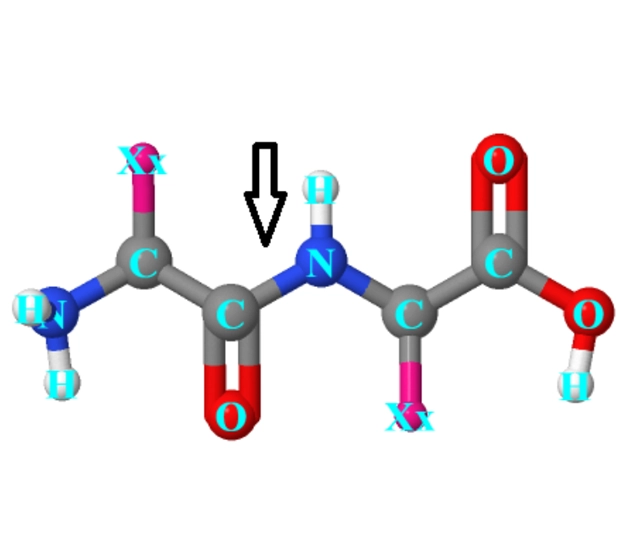
N末端修飾技術
修正タイプ
N末端修飾は天然のタンパク質構造に類似した構造を生成するため、ペプチドの安定性が向上します。. したがって, この修飾方法により、ポリペプチドの生物学的活性が向上し、酵素による分解が防止されます。.
|
5-ファム
|
BSA (-N末端のNH2)
|
ヘキサン酸
|
|---|---|---|
|
5-FAM-Ahx |
CBZ |
ハイニック |
|
アブズ |
ダンシル |
KLH (-N末端のNH2) |
|
アセチル化 |
ダンシル・アクス |
ラウリン酸 |
|
アクリル |
デカン酸 |
リポ酸 |
|
割り当て |
DTPA |
絵画 |
|
ベンゾイル |
脂肪酸 |
MCA |
|
ビオチン |
FITC |
ミリストイル |
|
ビオチン-Ahx |
FITC-Ahx |
オクタン酸 |
|
BOC |
Fmoc |
OVA (-N末端のNH2) |
|
Br-Ac- |
ホルミル化 |
パルミトイル |
注目の引用文献
N末端修飾試薬の詳細な特異性プロファイリングのためのプロテオーム由来ペプチドライブラリー
タンパク質およびペプチドの N 末端は、ケモプロテオミクス試薬およびバイオコンジュゲーション ツールによる選択的修飾の重要なターゲットです. N 末端のα-アミンは各ポリペプチド鎖に 1 つだけ存在します。, タンパク質の生体結合の魅力的な標的となる. 細胞内, 新しい N 末端はタンパク質分解による切断によって生成され、N 末端修飾試薬によって捕捉され、タンデム質量分析によるプロテアーゼ基質のプロテオームワイドな同定が可能になります。 (LC-MS/MS). 修飾試薬の N 末端配列特異性を理解することは、これらの各アプリケーションにとって重要です。. プロテオーム由来ペプチドライブラリーと LC-MS/MS を組み合わせると、N 末端修飾試薬の配列特異性をプロファイリングするための強力なツールになります。. これらのライブラリは非常に多様です, LC-MS/MS により、1 回の実験で数万の配列の修飾効率を分析できます。. プロテオーム由来ペプチドライブラリーは、酵素的および化学的ペプチド標識試薬の配列特異性をプロファイリングするための強力なツールです。. スブチリガーゼと2-ピリジンカルボキシアルデヒド (2PCA) 選択的な N 末端ペプチド修飾用に開発された 2 つの試薬で、プロテオーム由来のペプチド ライブラリーを使用して研究できます。. このプロトコルでは、N 末端が多様なプロテオーム由来のペプチド ライブラリを生成し、これらのライブラリを適用して N 末端修飾試薬の特異性をプロファイリングする手順の概要を説明します。. 2-ピリジンカルボキシアルデヒドの特異性をプロファイリングする手順を詳しく説明します。, 化学修飾試薬, とズブチリガーゼ, 酵素修飾試薬. これらのプロトコルは、代替プロテオームソースや他の N 末端ペプチド標識試薬に簡単に適応できます。.
関連するペプチド修飾サービス
ペプチドのグリコシル化
ペプチドのリン酸化
ステープルペプチド
環状ペプチド
ペプチド修飾
ペプチド修飾の豊富な経験, ペプチド研究に複数の実行可能な手段を提供.
