ペプチド修飾
ペプチドのリン酸化
ペプチドリン酸化とは?
細胞のリン酸化は活性を変化させる可能性のある修飾です, バインディングプロパティ, またはタンパク質や酵素の細胞局在化. これは、多くの疾患病理において重要な役割を果たす重要な規制プロセスでもあります。, 炎症も含めて, 癌, 神経障害および代謝障害. タンパク質の特定のアミノ酸残基をリン酸化する酵素 (例えば, チロシン, セリン, そしてスレオニン) キナーゼと呼ばれます. 加水分解によってリン酸基を除去する酵素はホスファターゼと呼ばれます. リン酸化はほとんどのシグナル伝達経路の中心であるため, リン酸化ペプチド (つまり, リンペプチド) 多くの細胞アッセイにおけるプロテインキナーゼとホスファターゼの分析に使用されます。.
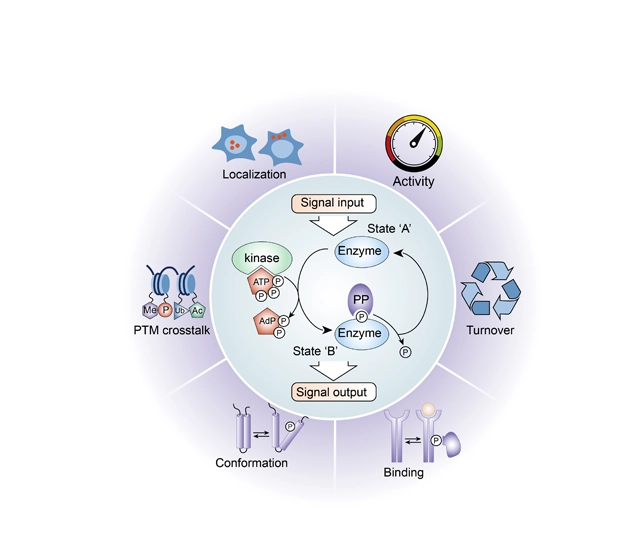
ホスホリル基の典型的な位置
セリンではリン酸化が起こる可能性があります (S, であること), スレオニン (T, Thr) とチロシン (Y, ティール) リン酸エステル結合形成による側鎖. CPC Scientific は、リンペプチドを合成し、単一または複数のホスホセリンの組み合わせを組み込むことができます (ps), ホスホスレオニン (pt), またはホスホチロシン (年).
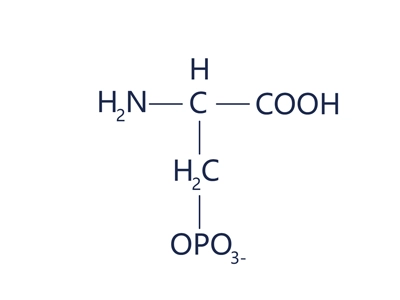
ホスホセリン
ホスホセリンは、リン酸化セリンを含む短いペプチドまたはペプチド鎖です。 (プサー), つまり, ヒドロキシル基が結合しているペプチドフラグメント (-おお) セリン残基のリン酸基が修飾される (-PO₄²-).
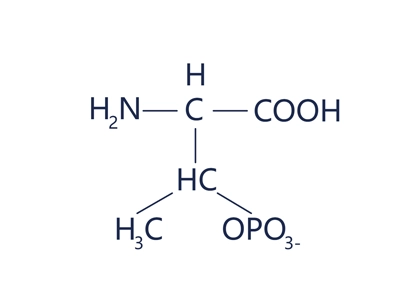
ホスホスレオニン
ホスホスレオニンは、ホスホスレオニンを含む短いペプチドまたはポリペプチド鎖です。 (pThr), つまり. 水酸基が結合したペプチド (-おお) スレオニン残基の修飾がリン酸基によって行われる (-PO₄²-).
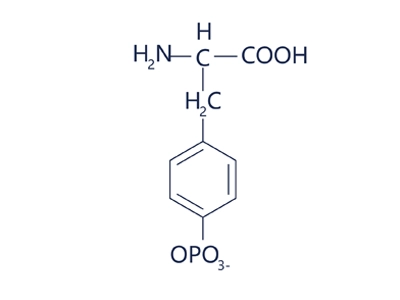
ホスホチロシン
ホスホチロシンは、ホスホチロシンを含む短いペプチドまたはポリペプチド鎖です。 (プティル), つまり. フェノール性水酸基が結合したペプチド (-おお) チロシンの (ティール) 残基はリン酸基によって修飾されています (-PO₄²-).
注目の引用文献
PRMT5 C 末端リン酸化は 14-3-3/PDZ 相互作用スイッチを調節します*
PRMT5 は、哺乳動物細胞における対称ジメチルアルギニンの沈着を担う主要な酵素です. PRMT5 がどのように規制されているかを理解するために, 私たちは、C末端テールモチーフ内のスレオニンリン酸化部位を特定しました。, Akt/血清の標的となるもの- およびグルココルチコイド誘導性キナーゼ. この翻訳後修飾の機能を調べているうちに, 私たちは、その遊離C末端尾部がPDZドメインに結合することを偶然発見しました。 (リン酸化されていないとき) そして 14-3-3 タンパク質 (リン酸化されると). 本質的には, C 末端テールの最後の数残基内のリン酸化イベントは、翻訳後修飾依存性の PDZ/14-3-3 相互作用「スイッチ」を生成します。 PRMT5 の C 末端モチーフは細胞膜結合に必要です, そして、このスイッチング容量の損失は寿命と両立しません。. このシグナル伝達現象は、HPV E6 腫瘍タンパク質について最近報告されましたが、哺乳動物のタンパク質ではまだ観察されていません。. シグナル伝達におけるPDZ/14-3-3スイッチングの蔓延を調査する, 私たちはPDZドメインを含むタンパク質ドメインマイクロアレイを構築しました。 14-3-3 タンパク質. 私たちはこのマイクロアレイを使用して、候補タンパク質の小グループの C 末端尾部を調査し、ERBB4 を同定しました。, PGHS2, とIRK1 (E6 および PRMT5 と同様に) このシグナリングモードに準拠するものとして, PDZ/14-3-3 スイッチングは広範な生物学的パラダイムである可能性があることを示唆しています.
関連するペプチド修飾サービス
ペプチドのグリコシル化
ペプチドのリン酸化
ステープルペプチド
環状ペプチド
ペプチド修飾
ペプチド修飾の豊富な経験, ペプチド研究に複数の実行可能な手段を提供.
