펩타이드 변형
N 말단 변형
N 말단 변형이란 무엇입니까??
N-말단 아세틸화는 펩타이드의 아미노 말단에서 전하를 제거합니다.. 일반적으로, 펩타이드가 단백질의 자연 구조를 모방하려면 아세틸화 변형이 권장됩니다.. 게다가, 아세틸화 변형은 펩타이드 사슬을 안정화시키고 펩타이드 사슬 끝의 효소 분해에 덜 민감하게 만듭니다..
아실화 외에도, 기타 N 말단 변형 (예를 들어, 요소, 카바메이트, 술폰아미드, 알킬아민) 수행될 수 있다.
방사성리간드는 펩타이드의 약력학이 허용하는 경우 종종 펩타이드의 N-말단에 부착됩니다.. 예를 들어, 도타, 사용, NODAGA, 등. 부착 가능.
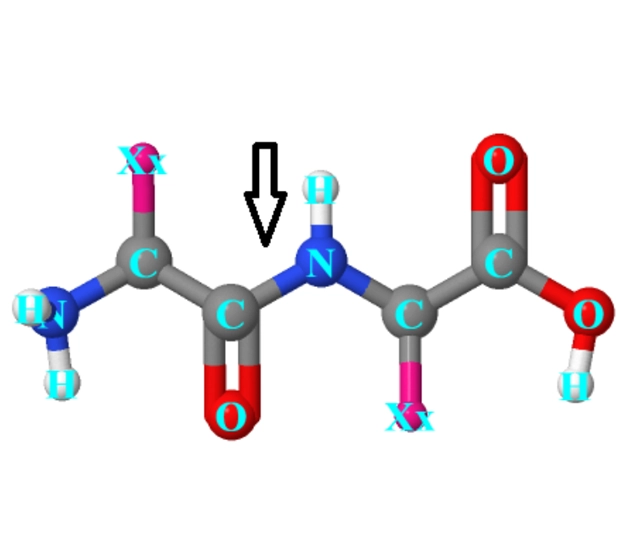
N 말단 개조 기술
수정 유형
N-말단 변형은 천연 단백질 구조와 유사한 구조를 생성하므로 펩타이드의 안정성을 향상시킵니다.. 따라서, 이 변형 방법은 폴리펩티드의 생물학적 활성을 향상시키고 효소 분해를 방지할 수 있습니다..
|
5-팸
|
BSA (-N 터미널의 NH2)
|
헥산산
|
|---|---|---|
|
5-FAM-Ahx |
CBZ |
하이닉 |
|
압즈 |
단실 |
KLH (-N 터미널의 NH2) |
|
아세틸화 |
단실-Ahx |
라우르산 |
|
아크릴 |
데칸산 |
리포산 |
|
할당 |
DTPA |
그림 |
|
벤조일 |
지방산 |
MCA |
|
비오틴 |
FITC |
미리스토일 |
|
비오틴-Ahx |
FITC-Ahx |
옥탄산 |
|
BOC |
Fmoc |
OVA (-N 터미널의 NH2) |
|
Br-Ac- |
포르밀화 |
팔미토일 |
주요 인용
N 말단 변형 시약의 심층 특이성 프로파일링을 위한 프로테옴 유래 펩타이드 라이브러리
단백질 및 펩타이드 N 말단은 화학단백체학 시약 및 생체접합 도구를 사용한 선택적 변형을 위한 중요한 표적입니다.. N-말단 α-아민은 각 폴리펩티드 사슬에서 한 번만 발생합니다., 단백질 생체접합을 위한 매력적인 표적이 됩니다.. 세포 내, 새로운 N 말단은 단백질 분해 절단에 의해 생성되고 탠덤 질량 분석법을 사용하여 프로테옴 전체에서 프로테아제 기질을 식별할 수 있는 N 말단 변형 시약에 의해 캡처될 수 있습니다. (LC-MS/MS). 변형 시약의 N-말단 서열 특이성에 대한 이해는 이러한 각 응용 분야에 매우 중요합니다.. LC-MS/MS와 결합된 프로테옴 유래 펩타이드 라이브러리는 N 말단 변형 시약의 서열 특이성을 프로파일링하기 위한 강력한 도구입니다.. 이 라이브러리는 매우 다양합니다., LC-MS/MS를 이용하면 한 번의 실험으로 수만 개의 염기서열의 변형 효율을 분석할 수 있습니다.. 프로테옴 유래 펩타이드 라이브러리는 효소 및 화학적 펩타이드 라벨링 시약의 서열 특이성을 프로파일링하기 위한 강력한 도구입니다.. 서브틸리가제 및 2-피리딘카르복스알데히드 (2PCA) 선택적 N 말단 펩타이드 변형을 위해 개발된 두 가지 시약이며 프로테옴 유래 펩타이드 라이브러리를 사용하여 연구할 수 있습니다.. 이 프로토콜은 N 말단의 다양한 프로테옴 유래 펩티드 라이브러리를 생성하고 이러한 라이브러리를 적용하여 N 말단 변형 시약의 특이성을 프로파일링하는 단계를 간략하게 설명합니다.. 2-피리딘카르복스알데히드의 특이성을 프로파일링하는 단계를 자세히 설명합니다., 화학적 변형 시약, 및 서브틸리가제, 효소 변형 시약. 이러한 프로토콜은 대체 프로테옴 소스 및 기타 N 말단 펩타이드 라벨링 시약에 쉽게 적용할 수 있습니다..
관련 펩타이드 변형 서비스
펩타이드 글리코실화
펩타이드 인산화
펩타이드 인산화
세린에서는 인산화가 발생할 수 있습니다. (에스, 장차 ~ 가 되는), 트레오닌 (티, Thr) 및 티로신 (와이, 티르) 포스포에스테르 결합 형성에 의한 측쇄
자세히 알아보기스테이플 펩티드
고리형 펩타이드
펩타이드 변형
펩타이드 변형에 대한 광범위한 경험, 펩타이드 연구를 위한 다양한 실행 가능한 방법 제공.
