펩타이드 변형
펩타이드 비오티닐화
펩타이드 비오티닐화란 무엇입니까??
적절하게 태그가 지정된 펩타이드 또는 비오티닐화된 펩타이드의 검출 (예를 들어. 표지된 항체가 있는)비오티닐화된 펩타이드 또는 태그가 붙지 않은 펩타이드와 태그가 붙은 펩타이드의 분리 (예를 들어. 묶인 항체로)
태그는 비오틴과 같은 작은 유기 분자일 수 있습니다. (이는 스트렙타비딘에 강력하고 비공유적으로 결합합니다.) 또는 짧은 펩타이드 서열. 태그로 사용되는 펩타이드 서열의 가장 두드러진 예는 Flag 태그와 같은 에피토프 태그입니다., HA 태그 및 Myc 태그. 최근 개발된 태그는 ALFA 펩타이드 태그입니다.. 모든 태그에 대해, 항체는 상업적으로 이용 가능하다. 각 시퀀스는 아래를 참조하세요..
MOL Changes는 다양한 태그를 지닌 태그가 붙은 펩타이드를 일상적으로 합성합니다.. 태그는 일반적으로 N 말단 또는 C 말단에 부착됩니다. (라이신이나 시스테인을 통해), 그러나 원칙적으로는 어느 곳에나 위치할 수 있습니다.. 모든 태그는 다양한 길이와 극성의 링커 또는 스페이서 분자라고 불리는 다양한 종류에 의해 펩타이드에서 분리될 수 있습니다.. 원하는 경우, 링커는 절단 가능하게 만들어질 수 있습니다., 예를 들어. 민감한 이황화 결합의 감소로. 사용 가능한 링커 목록을 살펴보세요. / 스페이서 / 페길화. 다음은 자주 통합되는 태그를 나타냅니다..
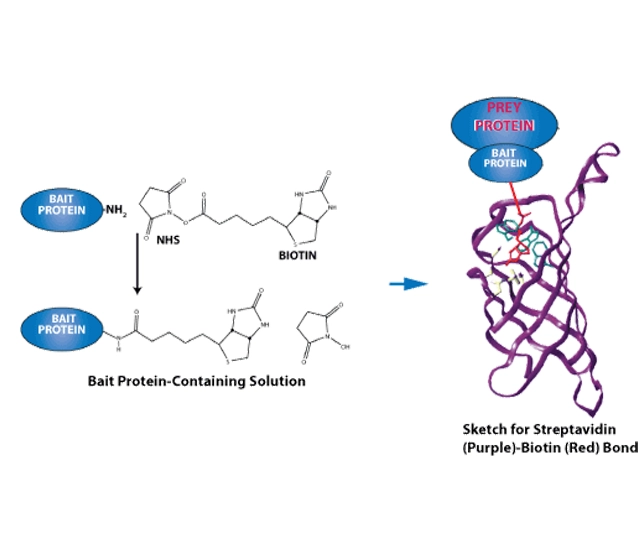
비오티닐화 및 태그된 펩타이드
비오틴과 같은 친화성 태그를 사용할 수 있습니다.
·적절하게 태그된 펩타이드 또는 비오티닐화된 펩타이드의 검출 (예를 들어. 표지된 항체가 있는)
·비오티닐화된 펩타이드 또는 태그가 부착되지 않은 펩타이드와 태그가 붙은 펩타이드의 분리 (예를 들어. 묶인 항체로)
태그는 비오틴과 같은 작은 유기 분자일 수 있습니다. (이는 스트렙타비딘에 강력하고 비공유적으로 결합합니다.) 또는 짧은 펩타이드 서열. 태그로 사용되는 펩타이드 서열의 가장 두드러진 예는 Flag 태그와 같은 에피토프 태그입니다., HA 태그 및 Myc 태그. 최근 개발된 태그는 ALFA 펩타이드 태그입니다.. 모든 태그에 대해, 항체는 상업적으로 이용 가능하다. 각 시퀀스는 아래를 참조하세요..
MOL Changes는 다양한 태그를 지닌 태그가 붙은 펩타이드를 일상적으로 합성합니다.. 태그는 일반적으로 N 말단 또는 C 말단에 부착됩니다. (라이신이나 시스테인을 통해), 그러나 원칙적으로는 어느 곳에나 위치할 수 있습니다.. 모든 태그는 다양한 길이와 극성의 링커 또는 스페이서 분자라고 불리는 다양한 종류에 의해 펩타이드에서 분리될 수 있습니다.. 원하는 경우, 링커는 절단 가능하게 만들어질 수 있습니다., 예를 들어. 민감한 이황화 결합의 감소로.
|
어피니티 태그
|
순서
|
논평
|
|---|---|---|
|
플래그 태그 |
DYKDDDDK |
안티 플래그 항체 |
|
하 데이 |
YPYDVPDYA |
항 HA 항체 |
|
많은 시간 |
EQKLISEEDL |
항Myc 항체 |
|
CPP
|
순서
|
논평
|
|---|---|---|
|
싸구려 (47-57) |
YGRKKRRQRR |
세포투과펩타이드 |
|
올리고-아르기닌 |
으르르르르르르르르르르르르 |
세포투과펩타이드 |
MOL Changes는 또한 펩타이드에 부착된 광범위한 반응성 라벨을 제공할 수 있습니다.. 그 예로는
- 아지드 (알카인과의 반응 - 클릭 화학)
- 회화에서 (티올과의 반응, 예를 들어. 사이스)
- 티올 (말레이미드와의 반응)
- 사이스(Pys/Npys) (티올과 반응하여 이황화물 형성)
주요 인용
골수성 특정 인간 CD33은 포스파타제 SHP-1 및 SHP-2를 모집하는 데 있어 차별적인 ITIM 기능을 가진 억제 수용체입니다.
CD33은 시알산 결합 수용체 계열의 골수 특이적 구성원이며 골수 전구 세포에서는 높게 발현되지만 분화 세포에서는 훨씬 낮은 수준으로 발현됩니다.. 인간 CD33은 세포질 도메인에 2개의 티로신 잔기를 가지고 있습니다. (Y340 및 Y358). 인산화되면, 이 티로신은 포스파타제의 도킹 사이트로 기능할 수 있습니다., SHP-1 및/또는 SHP-2, CD33이 억제 수용체로 기능할 수 있도록 함. 여기서 우리는 CD33이 포스파타제 억제제의 존재 하에서 인산화된 티로신임을 입증합니다., 퍼바나데이트하다, SHP-1과 SHP-2를 모집합니다.. 공동발현 연구에 따르면 Src 계열 키나아제 Lck가 Y340을 인산화하는 데 효과적입니다., 하지만 Y358은 아닙니다, 이는 이러한 잔기가 어댑터 분자의 선택적 모집에 기능할 수 있으며 뚜렷한 기능을 가질 수 있음을 시사합니다.. 중첩에 대한 추가 지원, 하지만 중복되지 않음, Y340 및 Y358의 역할은 SHP-1과 SHP-2가 모두 Y340에 모집되지만 SHP-2만 Y358에 모집된다는 펩타이드 결합 연구에서 비롯됩니다.. SHP-1의 돌연변이를 사용한 분석은 CD33의 Y340 결합이 주로 SHP-1의 아미노 Src 상동성-2 도메인에 대한 것임을 입증했습니다.. 억제 수용체로 기능하는 CD33의 잠재력은 U937에서 CD64에 의해 유발된 칼슘 동원을 하향 조절하는 능력으로 입증되었습니다.. SHP-1에 대한 이러한 억제의 의존성은 우성 음성 SHP-1로 CD33 매개 효과를 차단함으로써 입증되었습니다.. 이 결과는 CD33이 억제 수용체이고 SHP-1 포스파타제가 CD33 기능을 매개하는 데 중요한 역할을 함을 의미합니다.. 수용체를 확인하기 위해서는 추가 연구가 필수적입니다.(에스) CD33은 생체 내 및 골수 계통 발달에서의 기능을 억제합니다..
관련 펩타이드 변형 서비스
펩타이드 글리코실화
펩타이드 인산화
펩타이드 인산화
세린에서는 인산화가 발생할 수 있습니다. (에스, 장차 ~ 가 되는), 트레오닌 (티, Thr) 및 티로신 (와이, 티르) 포스포에스테르 결합 형성에 의한 측쇄
자세히 알아보기스테이플 펩티드
고리형 펩타이드
펩타이드 변형
펩타이드 변형에 대한 광범위한 경험, 펩타이드 연구를 위한 다양한 실행 가능한 방법 제공.
