ENDO-205 Onayının Peptid CMC IND Öncesi Beklentiler Hakkında Size Neleri Anlattığı ve Anlatmadığı Şeyler

ENDO-205'in FDA eylemi bir IND onayıydı, onay değil, ve arkasındaki CMC paketi hakkında hiçbir şey söylemiyor. EndoCyclic'in Mart ayı 2026 IND izin duyurusu endometriozis için sınıfının ilk hormonal olmayan hedefli peptidini tanımlar, Irvine'la çıktım, Kaliforniya, Mart 23, 2026, Fazlı 1 üreme çağındaki sağlıklı menopoz öncesi kadınlarda planlanan çalışma. Aynı yayın, preklinik çalışmanın, GLP toksikoloji çalışmalarında hiçbir güvenlik sinyali olmaksızın endometriozis lezyonlarının ve ilişkili inflamasyonun ortadan kaldırıldığını gösterdiğini belirtmektedir.. CMC içermez, üretme, CDMO, veya her türlü sentez detayı.
Önemli olan bu boşluk. Temizlenmiş bir IND, paketin devam etmek için yeterince incelenebilir olduğunu belirtir; sana içinde ne olduğunu söylemiyor, ve kopyalayabileceğiniz bir şablon değil. ENDO-205 mekanizmasının bağımsız bir analizi hücreye nüfuz eden bir durumu tanımlar, Wnt/β-katenin yolu inhibisyonunu pH'a duyarlı dağıtımla birleştiren pH'a duyarlı peptit, Sağlıklı doku pH'ında inert ve asitlenmiş lezyon mikro ortamında aktif. Bu ayrıntı yalnızca ikincil kaynaktan geliyor, sponsordan değil, ve seçicilik yalnızca klinik öncesi modellerde gösterilmiştir.

⚠️ Uyarı: Biyouzay aynası, PR Newswire listesi, bir ilaç dosyası öğesi, ve bir LinkedIn paylaşımı, bir EndoCyclic sürümünün tamamını yeniden ifade ediyor. Tek kaynak olarak sayılırlar, dört değil. Mart ayından sonraki ENDO-205 gelişimini kapsayan kaynak yok 2026 Bulundu, dolayısıyla bu makale olayı sabit bir tarihsel tarih olarak ele alıyor.
Bu kılavuzun geri kalanı, bir peptid IND başvurusunun CMC gerekliliklerinin karşılanıp karşılanmadığını belirleyen beş sütun üzerinden çalışmaktadır.: dizi onayı, safsızlık profili çıkarma, analitik yöntem yeterliliği, proses tekrarlanabilirliği, ve dokümantasyon.
Neden CMC Erken IND'lerin Durmasının En Yaygın Sebebidir?
Kimya, üretim ve kontroller, erken bir IND'de klinik denetimin en yaygın temelidir. Mali Yıl'ın geriye dönük pilot incelemesi 2013 CDER kohortu şunları buldu: 1,410 o yıl alınan ilk IND'ler, 125, veya 8.9%, İlk etapta beklemeye alındı 30 günler, ve CMC nedenlerine klinik veya toksikolojik nedenlerden daha sık değinildi (IND klinik araştırmalarına ilişkin FDA pilot çalışması, yayınlandı 2016). Bunu mevcut oran yerine tarihsel bir temel olarak okuyun: tek bir kohortun bir yıllık incelemesidir, ve tutma kalıpları o zamandan beri değişti.
Aynı bulgu, peptid CMC'nin IND öncesi çalışmasını izlenebilir kılan şeydir. FDA, ihtiyaç duyulan bilgi miktarının "soruşturmanın aşamasına göre değişeceğini" belirtiyor, önerilen formülasyon, ve soruşturmanın süresi” (FDA'nın IND CMC bilgi gereklilikleri, itibarıyla güncel içerik 22 Haziran 2026). Faz 1 peptid IND dosyalama CMC gereklilikleri bu nedenle kapsamlı bir settir, tam ticari paket değil.
Peptid CMC'nin IND Öncesi Hazırlığının Beş Temeli
Peptit CMC ön-IND paketi beş sütuna indirildi, ve faydalı soru her birinin önemli olup olmadığı değil, ne zaman bitirilmesi gerektiğidir. FDA'nın IND CMC bilgi gereklilikleri, bir sponsorun eninde sonunda tedarik etmesi gereken beş ilaç maddesi unsurunu listelemektedir: yapı ve kimlik kanıtı, üreticinin adı ve adresi, reaktiflerle genel hazırlama yöntemi, solventler ve katalizörler, kabul edilebilir sınırlar artı kimliği zorunlu kılan analitik yöntemler, kuvvet, kalite ve saflık, depolama ve toksikolojik ve klinik araştırmalar için stabilite desteği (FDA, IND Uygulamaları: CMC Bilgileri, itibarıyla güncel içerik 2026-06-22).
Bu beş element aşağıdaki sütunlarla eşleşiyor. Aşamalar arasında neler değişir? 1 ve sonraki aşamalar derinliktir, listenin kendisi değil, yani pratik ayrım, toplantıdan önce kilitlediğiniz şey ile yazılı bir gerekçeyle ertelediğiniz şey arasındadır.
|
Haplar |
IND öncesinde kilitle |
Belgelenmiş gerekçeyle ertelenebilir |
|---|---|---|
|
Sıra onayı |
Klinik partide amaçlanan sekansın ortogonal onayı |
Klinik partinin ötesinde genişletilmiş dizi varyant haritalaması, Lot kapsamını belirten bir gerekçeyle |
|
Safsızlık profili oluşturma |
Geçerli eşik değerlerine göre peptitle ilişkili safsızlıkların tanımlanması ve miktarının belirlenmesi |
Belirtilen her safsızlığın tam toksikolojik niteliği, Yeterlilik eşiğini ve maruz kalmayı belirten bir gerekçeyle |
|
Analitik yöntemler |
Kimlik için tanımlanmış kabul kriterlerine sahip nitelikli yöntemler, kuvvet, kalite ve saflık |
Resmi doğrulama protokolleri, bu aşamadaki yeterliliğin aşamaya uygunluğunu belirten bir gerekçeyle |
|
Proses tekrarlanabilirliği |
Toksikoloji ve klinik tedarikte kullanılan partiler arasında partiler arası karşılaştırılabilirlik verileri |
Hizmetler Resmi süreç doğrulaması ve sürekli süreç doğrulaması, Bugüne kadar üretilen parti sayısını belirten bir gerekçeyle |
|
Dokümantasyon |
CMC anlatımı ve IND öncesi yazılı soru seti |
Tam Modül 3 dosya, IND öncesi aşamaya atıfta bulunan bir gerekçeyle |
Erteleme sütunu, belgenin altındaki kısım sponsorlarıdır. Ertelenen her öğenin brifing paketinde kayıtlı gerekçeye ihtiyacı vardır, dahili notlarda tutulmaz, çünkü toplantıda incelemeyi yapan kişinin sorusu genellikle belirli bir veri parçasının var olup olmadığından ziyade neden yok olduğudur.
Haplar 1: IND Öncesi Toplantı Öncesi Sıra Teyidi
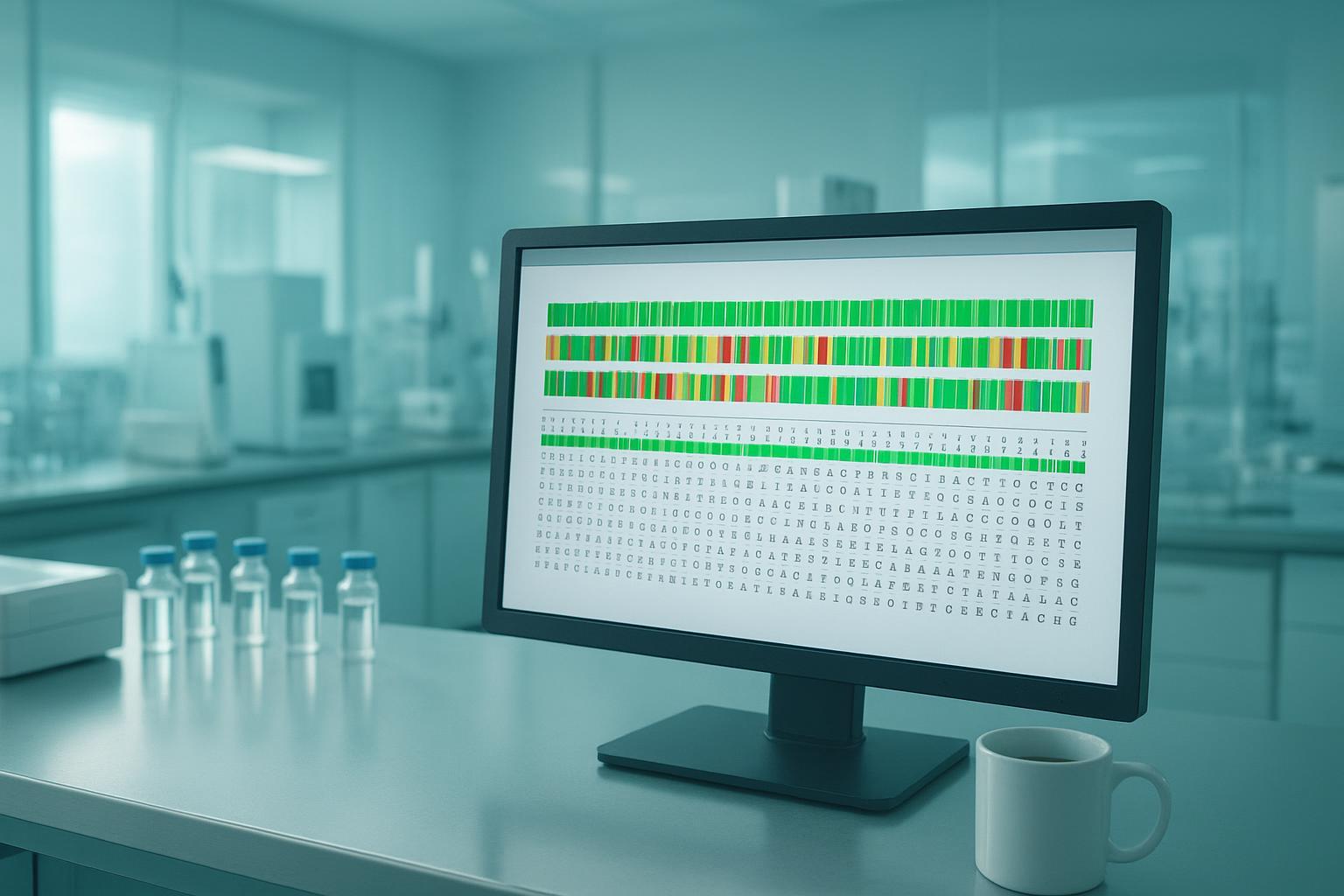
Bu sütunun sonunda belirli bir partiye bağlı onaylanmış bir birincil diziye sahip olmalısınız., tek başına bir analiz sertifikası değil. FDA'nın IND CMC bilgi gereksinimleri, ilaç maddesinin fiziksel özelliklerinin bir tanımını gerektirir, kimyasal, veya biyolojik özellikleri artı yapısını ve kimliğini destekleyen kanıtlar (FDA, geri alındı 2026-06-22). Bu sayfanın ne yapmadığını not edin: asla "amino asit dizisi" veya "peptit haritası" adını vermez,” bu nedenle peptit dizisi onayınızı, bunun yerine peptit spesifik kılavuza göre oluşturun. FDA'nın sentetik peptitler için kabul kriterleri, birincil diziyi fizikokimyasal özelliklerin yanı sıra çeşitli aynılık boyutlarından biri olarak ele alır, ikincil yapı, Oligomer ve toplanma durumları, ve biyolojik aktivite (RAPS).
Bunu karşılayan iş akışı: Yüksek çözünürlüklü kütle spektrometresi ile bozulmamış kütle, daha sonra tüm zincir boyunca dizi kapsamını oluşturmak için LC-MS/MS ile enzimatik veya kimyasal parçalama. Kapsama boşluklarının kaldığı yer, bu bölgeleri dik olarak doğrulayın. Referans standardını onaylanmış kütle profiline göre kilitleyin, böylece sonraki her parti bir satıcının özeti yerine karakterize edilmiş bir ankrajla karşılaştırılır.
⚠️ Uyarı: Yalnızca satıcı CoA tarafından onaylanan bir dizi, arkasında izlenebilir ham yöntem çıktısı yok Mağaza BT, başarısızlık modu. Kapsama haritasını oluşturamıyorsanız, sırayı onaylamadınız.
Haplar 2: Safsızlık Profili Oluşturma ve Peptitler İçin Gerçekte Uygulanan Eşikler
Peptitler açıkça ICH Q3A'nın dışında tutulmuştur. Kılavuzun çoğaltıldığı Federal Kayıt bildirimi, kapsamadığı ilaç maddesi türlerini listelemektedir, ve peptit bu listede biyolojik ürünlerin yanında yer alıyor, oligonükleotidler, ve radyofarmasötikler (ICH Q3A'nın peptitler için kapsam dışı bırakılması, 2003-02-11). Bunun pratik sonucu ise Q3A raporlamasının, Tanılama, ve yeterlilik tablosu bir peptid programı için bir referans çerçevesidir, bağlayıcı bir gereklilik değil, ve peptit safsızlık kontrolü risk bazlıdır.
FDA'nın peptit spesifik kriterlere ilişkin kendi mantığı bunun nedenini açıklıyor. RAPS'ın son kılavuzdan aktardığı gibi, safsızlıklardaki farklılıklar, özellikle peptitle ilgili safsızlıklar, referans olarak listelenen ilaçla karşılaştırıldığında bir peptid ilaç ürününün güvenliğini veya etkinliğini etkileyebilir (Sentetik peptidler için FDA'nın kabul kriterleri). Bu mantık, bir sponsorun planlama yapması gereken rakamları yönlendirir: belirtilen peptitle ilişkili safsızlığın en fazla 0.5% uyuşturucu maddenin, ve belirtilen her yeni peptitle ilişkili safsızlık, referans olarak listelenen ilaca kıyasla güvenliği veya etkinliği neden etkileyeceğine dair gerekçeyle birlikte belirtilir., jenerikteki her safsızlığın eşit veya daha düşük seviyelerde mevcut olduğu (Sentetik peptidler için FDA'nın kabul kriterleri).
ICH Q3A eşik değerlerinin kendisi doz bandına bağlıdır, ve çerçeve niteliksel olarak en iyi şekilde burada ele alınır: Maksimum günlük dozla küçük molekül değişimi için geçerli olan raporlama ve tanımlama seviyeleri, dolayısıyla aynı yüzde, programlar arasında aynı anlamı taşımaz (ICH Q3A raporlama ve tanımlama eşikleri, S3A(R2), 2006). Arıza modu spesifik ve yaygındır: alıntı yapmak 0.10% sanki bir peptid programına bağlıymış gibi tanımlama eşiği, daha sonra IND öncesi toplantıda incelemeyi yapan kişi kontrol stratejisinin neden molekülü hariç tutan bir kılavuz üzerine kurulduğunu sorduğunda bu sayıyı savunur.
Haplar 3: Analitik Yöntemler — Şimdi Yeterlilik, Daha Sonra Doğrulama

Aşamada 1, Uygunluğu belgelenmiş nitelikli yöntemlere ihtiyacınız var, tam olarak doğrulanmamış olanlar. Ayrım FDA'nın Aşamasında açıkça görülmektedir 1 CMC esneklikleri: kurum, kimliğin sağlanması için kabul edilebilir sınırlar ve analitik yöntemler beklemektedir, kuvvet, kalite ve saflık, Kullanılan test yöntemlerinin kısa bir açıklaması ile, FDA'nın IND CMC bilgi gerekliliklerinde belirtildiği gibi. ICH Q2 kapsamında tam doğrulama(R2) takip edebilir.
Bir peptit programı tipik olarak RP-HPLC veya UHPLC saflığına ihtiyaç duyar, Kimlik ve safsızlık yapısı için LC-MS/MS ve HRMS, CE, amino asit analizi, karşı iyon ve TFA içeriği, artık çözücüler, su içeriği, ve LAL tarafından endotoksin. Doğrulama beklentilerini ICH Q2'ye bağlama(R2); Endotoksin yöntemlerini USP'ye bağlamak <71> ve USP <85>.
⚠️ Uyarı: Arkasında zorunlu bozulma veya özgüllük verileri olmayan bir saflık yöntemi, başarısızlık modudur. Uygunluğu belgelenmeyen yeterlilik yeterlilik değildir.
Haplar 4: Proses Tekrarlanabilirliği ve Partiden Lota Karşılaştırılabilirlik Anlatımı
Tekrar üretilebilirlik, lot verilerinin en az üç lot boyunca üst üste bindirilmesiyle ve safsızlık ile test profillerinin uyumlu olduğunun gösterilmesiyle gösterilir., sürecin kontrol edildiğini iddia ederek değil. Kaplama olmadan "sürecin tekrarlanabilir olduğunu" belirten bir sponsor, incelemecinin kontrol edemeyeceği bir iddiada bulunmuştur.
Düzenleyici kanca genel hazırlama yöntemidir. FDA'nın IND CMC bilgi gereksinimleri, reaktifler de dahil olmak üzere hazırlama yönteminin açıklamasını ister, solventler ve katalizörler, artı amaçlanan kap kapağı ve toksikolojik ve klinik araştırmalar için stabilite bilgileri. Birlikte okuyun, bu iki öğe bir tekrarlanabilirlik argümanıdır: yöntem açıklaması neyin sabit kalması gerektiğini açıklıyor, ve lot verileri öyle olduğunu gösteriyor.
Peptit Sentezi Dizi onayını aynı anlatıma katlayın. Dizi verileri molekülün ne olduğunu belirler; parti kaplaması bunu tekrar yapabileceğinizi belirler. Bunları tek bir karşılaştırılabilirlik argümanı olarak sunmak, iki ayrı ek yerine, gözden geçirenlerin çoğunlukla işaretlediği boşluğu kapatan şey budur.
Arıza modu spesifiktir. Safsızlık katmanları belirli bir safsızlıkta farklılık gösterirken üç partinin her biri ayrı ayrı geçebilir, Bu, incelemeyi yapan kişiye hiçbir partinin limiti aşmamasına rağmen sürecin henüz kontrol altında olmadığını söyler. The 0.5% belirtilen kirlilik sınırı bir tavandır, hedef değil, ve FDA'nın sentetik peptitler için kabul kriterleri, bunun üzerindeki herhangi bir belirtilen safsızlığı izleme eğilimi yerine diskalifiye edici olarak ele alır.. Hakkında
Bu verilerin nasıl oluşturulduğuna dair tarafsız bir örnek: MOL Changes, sınıflandırılmış temiz oda alanında tanımlanmış ölçekte peptid sentezi sunuyor, analitik yöntemlerle Sentetik Peptitler dizi onayı ve safsızlık profili oluşturmayı kapsayan, böylece lot sonuçları belgelenmiş bir paket halinde gelir, sponsor CMC bölümüne bırakabilir.
Haplar 5: Belgeler — IND CMC Anlatımının ve IND Öncesi Soru Setinin Oluşturulması

Dokümantasyon, diğer dört sütunun gözden geçirilebilir hale geldiği yerdir. FDA'lar IND CMC bilgi gereksinimleri etkin madde bölümünün içermesi gereken beş maddeyi belirledi: ilaç maddesinin açıklaması, fizikselliği de dahil, kimyasal, ve biyolojik özellikler ve yapıya ilişkin kanıtlar; üreticinin adı ve adresi; genel bir hazırlama yöntemi; kimliği sağlamak için kullanılan sınırlar ve analitik yöntemler, kuvvet, kalite, ve saflık; ve dozaj formunu destekleyen stabilite verileri. Bu listeyi bir peptit CMC dokümantasyon kontrol listesinin omurgası olarak değerlendirin, daha sonra her sütunu bunun üzerine eşleyin: Dizi onayı yapı kanıtını sağlar, safsızlık profili çıkarma sınırları sağlar, Analitik yeterlilik yöntemleri sağlar, ve prosesin tekrarlanabilirliği, genel hazırlama yönteminin arkasındaki partiden partiye anlatımı sağlar.
FDA, uygulamayı Aşamalardan biri olarak çerçeveliyor 1 CMC esneklikleri, Sponsorların sunması gereken minimum bilgileri ve genel olarak daha sonra neler olabileceğini açıklamak. Sayfa, hangi etkinliklerin uygun olduğunu belirtmeden çerçevelemenin yapıldığını belirtiyor, bu nedenle erteleme listesi bağlantılı kılavuzdan gelmeli ve madde madde belgelenmelidir.
Veri bütünlüğü anlatıyı bir arada tutar. MHRA'nın GxP veri bütünlüğü kılavuzu ve tanımları ALCOA ilkelerini belirler (atfedilebilir, okunaklı, çağdaş, orijinal, kesin) inceleyenlerin ham analitik kayıtların tatmin edici olmasını beklediklerini.
IND öncesi toplantıya yazılı bir soru seti getirin: hangi spesifikasyonlar geçici kalabilir, Dosyalama sırasında hangi stabilite süresinin kabul edilebilir olduğu, yeterlilik düzeyindeki yöntem verilerinin yeterli olup olmadığı, ve genel hazırlama yönteminin ne kadar ayrıntıya ihtiyacı var?. Cevaplar belgelenmiş gerekçe haline gelir.
⚠️ Uyarı: Beş maddenin tamamını yanıtlayan ancak hangi faaliyetlerin ertelendiğini asla belirtmeyen bir paket, veya neden, başarısızlık modu. Eleştirmenler sessizliği bir ihmal olarak okuyor, esneklik kadar değil.
IND Öncesi Paketi Durduran Yaygın Hatalar
Peptit CMC ön-IND paketlerinde yinelenen başarısızlık, bir referans çerçevesini bir gereklilik olarak ele alıyor. Önlenebilir sürtüşmelerin çoğunu beş hata açıklıyor.
ICH Q3A eşik değerlerinin sanki bir peptid programına bağlıymış gibi belirtilmesi. ICH Q3A küçük moleküllü ilaç maddeleri için yazılmıştır, ve raporlaması, tanımlama ve yeterlilik eşikleri sentetik bir peptidi otomatik olarak yönetmez. Hatanın nedeni sayıların bulunmasının ve dahili bir notta savunulmasının kolay olmasıdır.. Düzeltme, hangi çerçeveyi uyguladığınızı belirtmektir, Neden, ve kendi peptit safsızlık profili oluşturma verilerinizin her eşik değerinde ne gösterdiğini öğrenin, Ödünç alınan bir limiti ödenmiş olarak sunmak yerine.
Gereksinimleri bunları içermeyen FDA belgelerine atfetmek. Ekipler, sanki FDA'nın IND CMC sayfası bunları listeliyormuş gibi rutin olarak "amino asit dizisi" ve "peptit haritası"ndan alıntı yapıyor. öyle değil. Paketinize bir gereklilik girmeden önce FDA'nın IND CMC sayfasının ne yaptığını ve söylemediğini kontrol edin, ve ICH'den alınan her şeyi etiketleyin, USP veya bu şekilde iç politika.
İzlenebilir bir kaynak olmadan safsızlık numaralarını yazdırma. ICH Q3A raporlama ve tanımlama eşiklerine ilişkin doğrulanmamış rakamlar, ikincil özetlerde geniş çapta dolaşmaktadır. Birincil belgeyi açıp numarayı okuyamıyorsanız, bırakın veya eşiği niteliksel olarak tanımlayın.
FDA Aşamasının Tedavisi 1 Numaralandırılmış bir erteleme listesi olarak CMC esneklikleri. Bu sayfada esnek bir, faza uygun yaklaşım; neyi erteleyebileceğinize dair bir kontrol listesi yayınlamıyor. Kendi erteleme gerekçenizi oluşturun ve bunu belgeleyin.
Tek kaynaklı bir yankı kümesine güvenme. EndoCyclic'in Mart ayına ilişkin çeşitli ticari yazılar 2026 IND izin duyurusu, birincil ayrıntı eklemeden birbirini tekrarlıyor. Tekrarlama doğrulama değildir. Duyuruya gidin ve onun dışındaki her şeyi onaylanmamış olarak değerlendirin.
⚠️ Uyarı: Beş hatanın hepsinin arkasındaki model aynı. Bir referans çerçevesi bir gereklilik olarak alıntılanır, ve paket, programın hiçbir zaman karşılamak zorunda olmadığı bir standardı miras alıyor.
IND Öncesi Toplantıda Başarı Nasıl Görünüyor?
Beş sütun kilitlenirse ve her erteleme bir gerekçeyle belgelenirse, IND öncesi toplantıya getireceğiniz paket, CMC eksiklik mektubuna davet eden bir paket yerine, FDA'nın aşamaya uygun standarda göre değerlendirebileceği bir pakettir. Beş sonuç bunu somutlaştırıyor: ham verilere kadar izlenebilen bir dizi, kapsam tarafından belirtilen sınırlara sahip bir safsızlık profili, Uygunluk verilerinin eklendiği nitelikli yöntemler, üç partili karşılaştırılabilirlik katmanı, ve FDA'nın beklediği beş ilaç maddesi maddesini eşleştiren bir anlatım.
Bu şekilde gelmenin avantajı ölçülebilir, açıkça belirtmeye değer bir uyarıyla. FDA, insanda ilk aşamanın sponsorlarının 1 IND'ler uygulama geliştirme süresini 12 FDA Aşaması boyunca aylar 1 CMC esneklikleri, aşamaya uygun minimum CMC bilgi yaklaşımı. FDA, politika ve tahminin bağımsız olmadığını yazıyor, bu nedenle bunu dışarıdan gelen bir kıyaslama yerine, ajansın kendi teşvik çerçevesi olarak değerlendirin.
Seyahat yönü aynı okumayı destekler. FDA yayınlandı the 17 FDA'nın Temmuz ayında revize ettiği peptit kılavuzları 2026 tek bir günde, safsızlık eşiklerini kapsayan, daha yüksek dereceli yapı, biyolojik aktivite, doğuştan gelen bağışıklık tepkisi testi, ve rekombinant, sentetik, ve yarı sentetik peptid ANDA'lar. Ajans, peptit kelime dağarcığını aktif olarak sıkılaştırıyor, bu da söz konusu sözlükle yazılmış bir paketin gözden geçirilmesini kolaylaştırır.
Uzatma hedefi olarak, IND öncesi için oluşturduğunuz karşılaştırılabilirlik anlatımını daha sonraki aşama doğrulama planlamasına doğru genişletin: aynı üç parçalı katman Fazınızın omurgası haline gelir 2 ve Faz 3 yöntem doğrulama stratejisi, böylece iş yeniden yapılmak yerine birleştirilir.
Sıkça Sorulan Sorular
ENDO-205 IND izni bana FDA'nın hangi CMC paketini kabul ettiğini söylüyor mu??
HAYIR. EndoCyclic'in Mart ayı 2026 IND izin duyurusu izni açıklıyor, gösterge, klinik öncesi temel ve planlanan Aşama 1 tasarım, ve CMC yok, üretme, CDMO veya sentez detayı. Açıklığın sinyali daha dar ama yine de kullanışlıdır: sentetik bir peptid için faza uygun bir paket gönderildiği gibi incelenebilir durumdaydı. Hangi analitik yöntemlerin kullanıldığı konusunda size hiçbir şey söylemez., ajansın gördüğü safsızlık sınırları veya parti verisi formatı.
ICH Q3A safsızlık eşikleri peptit ilaç maddeleri için geçerli midir??
HAYIR. ICH Q3A'nın peptidlere ilişkin kapsam hariç tutması, peptidi safsızlıklar kılavuzunun kapsamadığı ilaç maddeleri arasında listelemektedir. Q3A, bir peptid safsızlık profili oluşturma tartışmasını yapılandırmak için yararlı bir referans çerçevesi olmaya devam ediyor, ancak bu, uyuşturucu maddeniz için belirlenen bağlanma eşiği değildir. Peptit safsızlık kontrolü risk bazlıdır, sentetik yola bağlı, rotanın üretebileceği silme ve kesme dizileri, ve belirtilen her safsızlığın toksikolojik niteliği. Peptit Üretimi
Ne yapar 0.5% belirtilen peptitle ilgili safsızlık rakamı aslında kapsar?
FDA'nın sentetik peptitler için kabul kriterlerinden bildirilen, peptitle ilgili belirli bir safsızlık limitidir.. İki kapsam sınırı önemlidir. Belirtilen peptitle ilgili safsızlıklar için geçerlidir, belirtilmemiş yabancı maddelere değil, artık solventler veya elementel safsızlıklar, kendi çerçevelerini takip eden. Ve her peptit bağlamına genelleştirilmemelidir.. IND öncesi pakette alıntı yapmadan önce şekli birincil kılavuz belgeyle karşılaştırarak doğrulayın.
Analitik yöntemlerin IND öncesi toplantıdan önce tamamen doğrulanması gerekiyor mu??
HAYIR. FDA Aşaması 1 CMC esneklikleri bu aşamada aşamaya uygun kalifikasyonu destekler, tam doğrulama değil. Toplantı paketinin ihtiyaç duyduğu şey, FDA'nın kabul edilebilir limitler ve analitik yöntemlere ilişkin IND CMC bilgi gereklilikleri maddesidir.: her yöntemin kullanım amacına uygun olduğunu göstermelisiniz, tespit ve miktar sınırlarının, iddia ettiğiniz safsızlık eşikleri için yeterli olduğunu, ve yaptığınız yeterlilik çalışmasını tanımlayabildiğinizi. Tam doğrulama daha sonraya aittir, Yöntemler klinik tedarik için sürüm testini desteklemeden önce.
İlk partide sıra onayı başarısız olursa ne olur??
Bunu bir rota sorunu olarak ele alın, dokümantasyon sorunu değil. İlk partideki dizi doğrulama hatası genellikle bir bağlantıya işaret eder, kontrol altında olmayan korumanın kaldırılması veya saflaştırma aşaması, ve düzeltme, yeniden yazılmış bir analiz sertifikası yerine süreç çalışmasıdır. Adımı belirledikten sonra onayı yeni bir partide yeniden çalıştırın, ve hem arızayı hem de düzeltici eylemi belgeleyin. Aradaki farkı bulduğunuzu ve kapattığınızı gösteren bir IND öncesi paket, yalnızca geçen lotları bildiren bir paketten daha güçlüdür.
Sonraki Adımlar
Artık bir kapınız var, Beş sütun boyunca faza uygun peptit CMC dokümantasyon kontrol listesi: dizi onayı, safsızlık profili çıkarma, analitik yöntem yeterliliği, proses tekrarlanabilirliği, ve IND anlatısının kendisi. Kendinizi tutmanız gereken standart, aşamaya uygun minimumdur, ve FDA'nın kendi tahmini 12 uygulama geliştirme süresinin aylarca azalması bunun nedenidir (FDA, geri alındı 2026-06-09). Kapsamı not edin: FDA bu politikayı yazıyor, yani tahmin bağımsız değil. Üç partili karşılaştırılabilirlik katmanı yerleştirildikten sonra, doğal hedef, bunu daha sonraki aşama doğrulama planlamasına doğru genişletmektir.
Anahtar Paket Servisi: Beş sütun, beş doğrulanabilir eser: ham yöntem çıktısına kadar izlenebilir bir dizi, kapsam tarafından belirtilen sınırlara sahip bir safsızlık profili, Uygunluk verileriyle nitelikli yöntemler, üç partili karşılaştırılabilirlik katmanı, ve FDA'nın beş ilaç maddesi maddesiyle eşleştirilmiş bir anlatım. Bunlardan herhangi biri eksikse, IND öncesi toplantıdan önce kapatılacak boşluk bu.
Paketi getir, sorular değil. MOL Değişiklikleri, peptit ilaç maddesi için parti düzeyinde analitik veriler üretir ve belgelendirir, dizi onayı dahil, safsızlık profili çıkarma, nitelikli yöntemler, ve partiden partiye karşılaştırılabilirlik, Sınıfta miligramdan kilograma kadar sentez ile 100 temiz oda üretimi ve HPLC, MS, ve kısırlık testi. Bir uzmanla konuşun, veya parti veri paketini isteyin.
MOL Changes, bir peptit satıcısı olarak yayın yapmaktadır ve peptit kalite standartlarıyla ticari olarak ilgilenmektedir.. Bu makale düzenleyici tavsiye değildir; sponsorlar gereklilikleri FDA ile teyit etmeli ve nitelikli düzenleyici profesyonellere danışmalıdır.