Kedu ihe bụ peptide R&Mmemme D na-agbanwe n'ezie mgbe mmefu ego na-aga
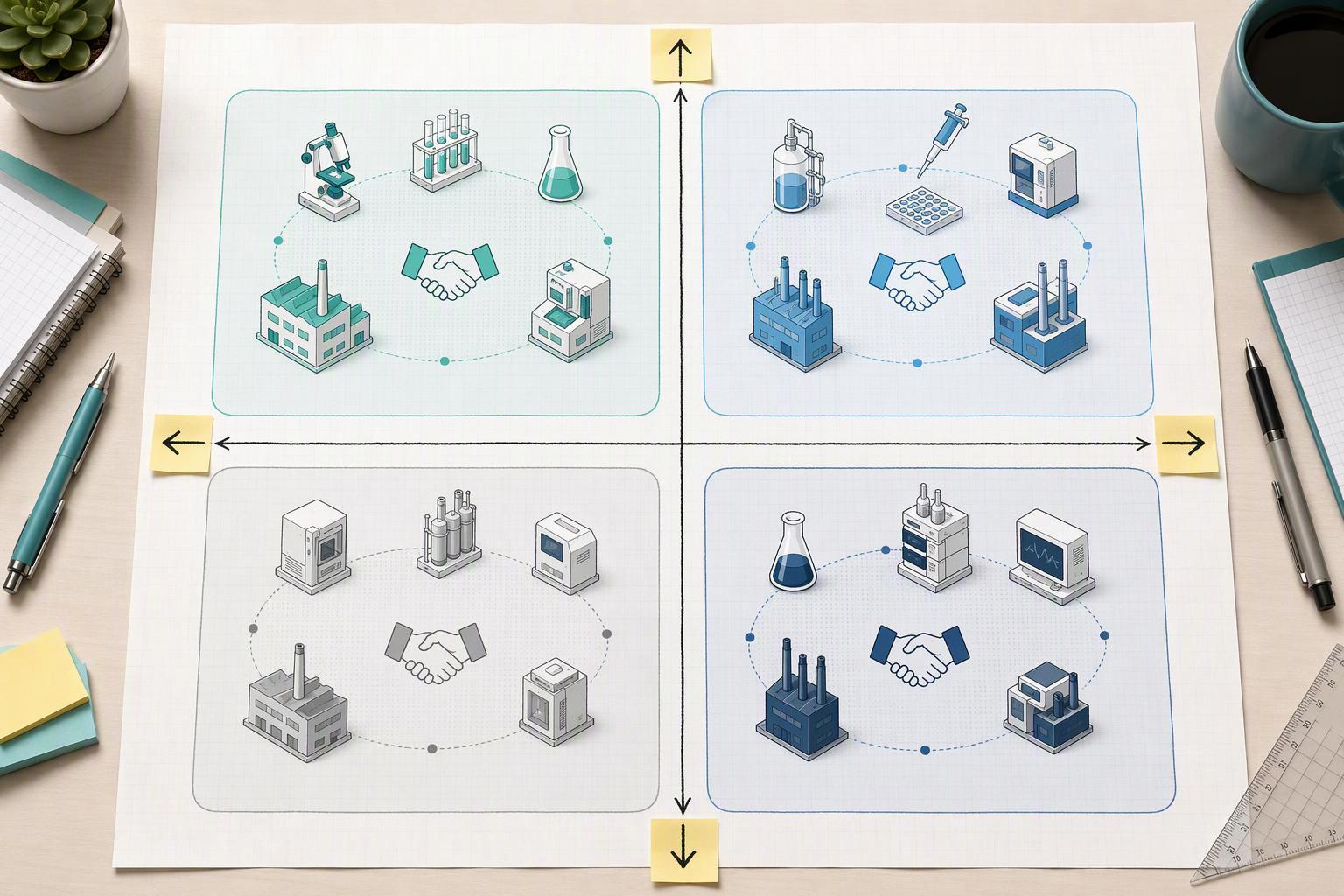
Resilience na peptide R&D bụ ihe eji emepụta mmemme, ọ bụghị nke agbụ ọkọnọ ma ọ bụ nkwụsi ike nke molekụla. Mmemme nkwụsi ike bụ nke ihe omume ya na-esote na-aganarị nhụsianya ego: usoro ka na-aga n'ihu, ngwugwu data ka na-eto eto, na ọ dịghị otu mkpebi na-etinye dum mmefu ego n'otu nzọụkwụ na-apụghị ịgbagha agbagha.
Ọdịiche ahụ dị mkpa n'ihi na ego dị n'azụ ọrụ ahụ na-aga na kalenda onye ọzọ. Ego gọọmentị etiti gbakọtara 55% ($59.7 ijeri) nke $108.8 Ijeri ejiri mee ihe na agụmakwụkwọ US R&D na FY2023, na-enye ego ụlọ ọrụ 25% na azụmahịa na steeti ma ọ bụ ọchịchị ime obodo ọ bụla na-enye aka 5% ka 6% (NSF's HERD Survey, ewepụtara 2026-09-24). N'ihi na òkè gọọmenti etiti nke agụmakwụkwọ R&D bụ ọtụtụ, igbu oge n'ogo oke ruru eru nhazi ọkwa ụlọ nyocha n'ime otu usoro mmefu ego.
Nhazi ahụ kwesịrị nkenke, n'agbanyeghị. Mbelata FY2026 NIH na NSF bụ arịrịọ mmefu ego, ọ bụghị akwụkwọ ikike akwadoro; Congress kwadoro ego NIH na nha nke afọ ndị gara aga. Ujo na-eru mmemme na-abụkarị ngbanwe usoro iheomume, ọ bụghị ịkpụ.
Usoro anọ na-ekpebi ole ihe ịma jijiji ahụ na-etinye n'usoro ihe omume: Mmetụta IP, usoro nwe, ikike mgbanwe, na nnyefe. Ndị ọzọ ntuziaka a na-enyocha lever ọ bụla megide ha.
Maka ndụmọdụ: Usoro a na-eme ugboro ugboro n'ofe mmemme emegharịrị bụ ọnụ ahịa ahụ dara ada, ọ bụghị njikọ siri ike, bụ ihe na-egbu ha. Otu oge ogbe, otu resin, ma ọ bụ a na-akwụ ụgwọ ngwungwu ụzọ-ebufe, ndị otu na-agbachitere ya ogologo oge gara aga ebe data ziri ezi ịkwụsị.
Mee omume 1: Jiri mpụpụ na-agbanwe agbanwe dị ka ihe nchekwa ikike, ọ bụghị ndabara
Onye na-ebubata ihe ọzọ bara uru naanị mgbe oke ya gachara, usoro na ndekọ ka a tozuru oke. Tupu ebugharịa mmefu enyemaka, gakwuru award ọnọdụ na Ntuziaka nnabata tupu NIAID. Ma mgbanwe mmefu ego chọrọ nkwado dabere na nturu ugo na mgbanwe ọ bụla nke oke; ewerela pasentị sitere n'otu ọnọdụ amụma dịka iwu ịzụrụ ihe zuru ụwa ọnụ.
Ozugbo etinyere oke, tozuo onye na-ebubata ihe nke abụọ na arịa nwere ike ibufe karịa na ọnụahịa: usoro akụkọ, ọdịnaya asambodo-nke nyocha, na akwụkwọ LIMS/ELN dị njikere nke na-ahapụ ogbe ịkwaga na-amaliteghị sayensị.
Ọnụ ahịa ndepụta ndị ere ebipụtara na-egosi ihe kpatara ikike, ọ bụghị unit na-eri, bụ ezigbo mgbanwe: peptide crude na-agba ọsọ $3.24 kwa amino acid n'ihe dị ka izu abụọ, mgbe >98% ịdị ọcha na-agba ọsọ $19.53 kwa amino acid n'ime izu abụọ ruo atọ, na a kacha nta ụgwọ nke $80 kwa peptide (ọnụ ahịa ndepụta ndị ere ebipụtara, ewepụtara 2026). Were ndị a dị ka ọnụ ahịa ndepụta sitere n'oge ndu ebipụtara otu onye na-ere ahịa, enyochaghị data azụmahịa; ha na-egosi udi nke ahia ahia, ọ bụghị ihe mmemme gị ga-akwụ.
|
Ogo ịdị ọcha |
Ndepụta ọnụahịa (kwa aa) |
Etiti oge |
|---|---|---|
|
Chọọ |
$3.24 |
~ 2 izu |
|
>75% |
$8.10 |
Ekwughị |
|
>85% |
$10.15 |
Ekwughị |
|
>90% |
$12.09 |
Ekwughị |
|
Peptide >95% |
$14.88 |
Ekwughị |
|
Isi ihe P Synthesis >98% |
2-3 izu Tetras Peptide Synthesizer Peptide S |
Ihe edeturu tebụl: depụta ọnụ ahịa na oge ndu nke otu onye na-ere ahịa bipụtara, ewepụtara 2026. Achọpụtaghị data azụmahịa, ọ bụghịkwa ntụnyere n'ofe ndị na-ebubata ya.
Nkwekọrịta n'oge dị ịrịba ama nwere ihe ndị akọwapụtara nke ọma yana akara nnabata n'ọnụ ụzọ ọ bụla, ya mere ogbe kwụsịrị na-akwụsị otu ihe dị ịrịba ama karịa mmemme. Ụdị ọdịda bụ mkpọchi otu isi mmalite: mgbe oghere onye na-ebu ihe na-aga, mmemme na-echere, ma ọ bụrụ na enweghị ngwungwu mbufe dị, sayensị malitegharịa site na nhazi usoro.
Mee omume 2: Nhazi nhazi ọkwa ọkwa ka mgbanwe mmefu ego kwụsịtụ otu ogbe, ọ bụghị mmemme
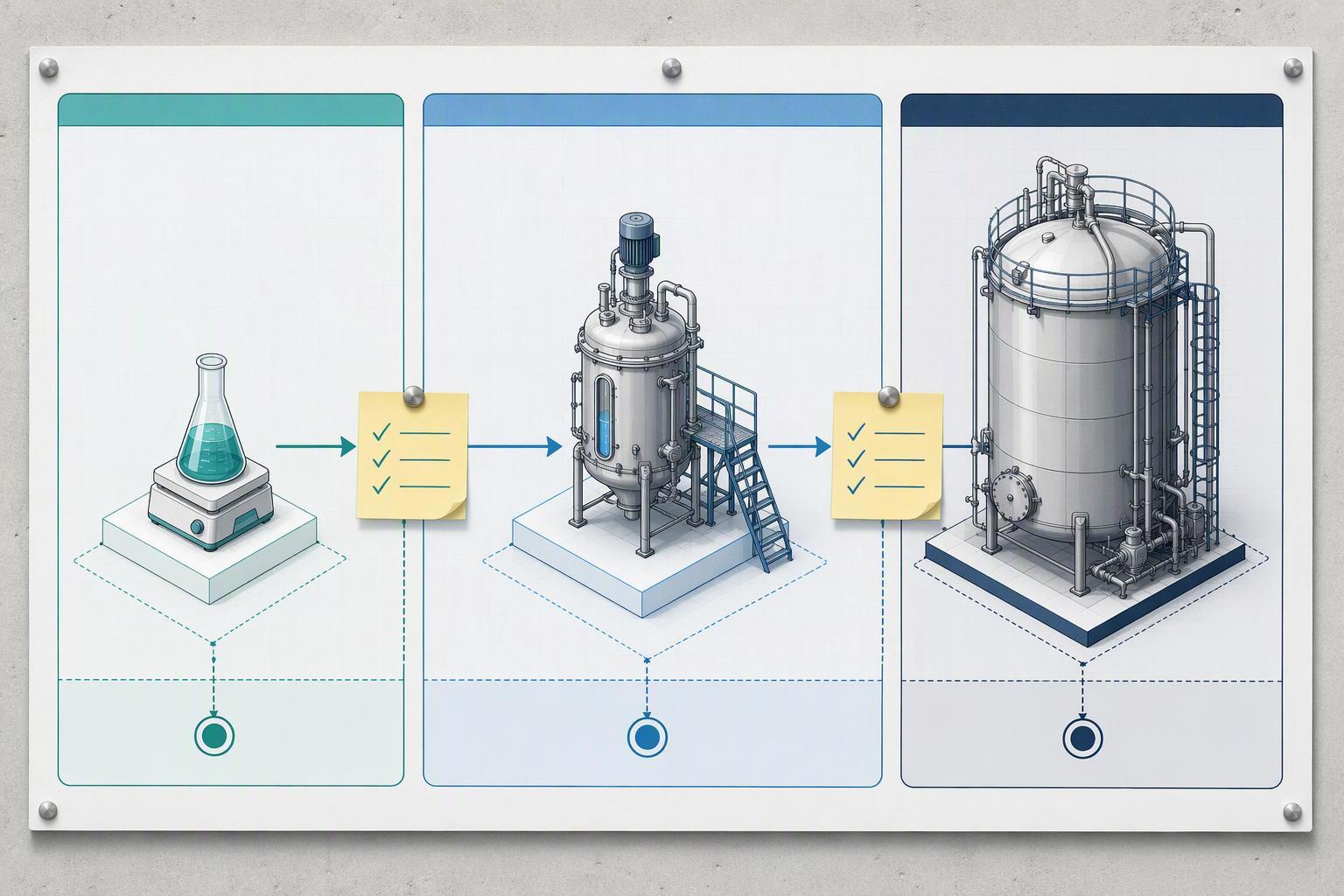
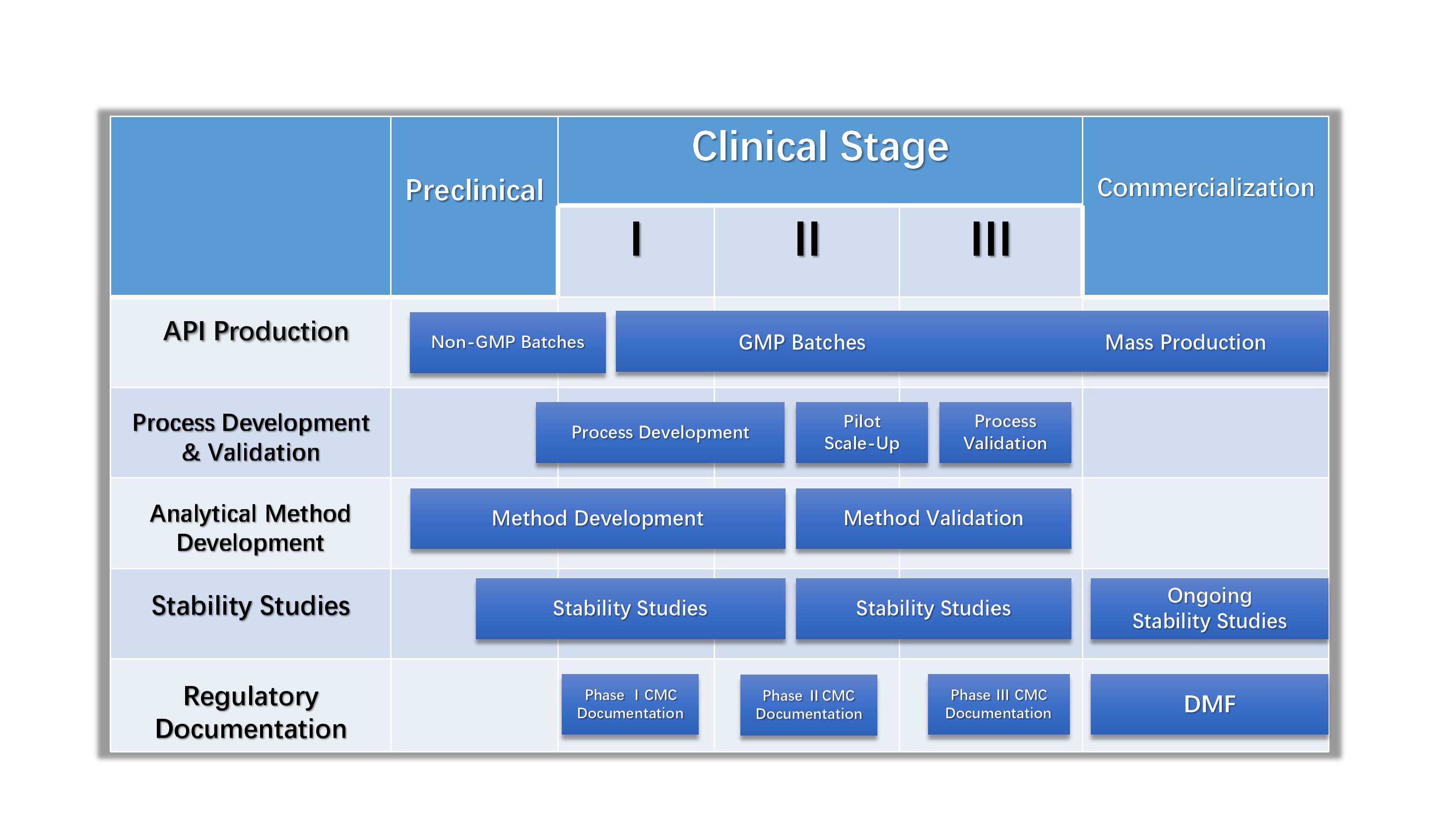
Ngwakọta peptide ahaziri ahazi na-ekewa usoro n'ime isi mkpebi atọ kama otu ịzụrụ: ogbe nchoputa nke na-anwale ma enwere ike ime yinye ahụ ma ọlị, nkwenye ekwe omume na ụzọ ahụ na-emepụtagharị, na ọnụ ụzọ ámá dị elu nke na-ewepụta usoro ka ukwuu. Ihe kpatara nsogbu bụ n'ibu. Mkpokọta on-resin na β-ibé mpempe akwụkwọ na hydrophobic ma ọ bụ β-alaka na-agbatị ọzịza resin ma lie N-terminus na-emeghachi omume., ya mere njikọ na deprotections na-aga ezughị ezu. Because synthesis continues after a stalled coupling, missed additions accumulate as truncation and deletion impurities that resist later removal, and overall yield falls exponentially with step count (PMC7064641, bipụtara 2020-03-04).
Five sequence classes break first-pass synthesis most often: long-chain, hydrophobic, nchịkọta-adị mfe, multi-disulfide, and multi-site-modified. Each one is cheaper to fail at 5 mg than at 50 mg.
Illustrative failure mode: a batch ordered before solubility screening can aggregate under the assay conditions, even if synthesis succeeds. This is a planning example, not a reported MOL Changes project. Test the relevant concentration, buffer and handling conditions before committing a larger lot.
Mee omume 3: Ihuenyo na katalọgụ peptides tupu inye gị ihe ọ bụla
Catalog peptide screening is the cheapest way to keep a program moving when a budget moves, because it converts an open-ended synthesis commitment into a small, reversible purchase. The cost relationship is consistent across vendor list pricing: a custom sequence typically runs about 1.4× to 3.3× the catalog equivalent, widening to 2× to 4× under more conservative vendor guidance. Treat those multiples as list-price comparisons from supplier catalogs, not as quotes, and confirm them against current pricing before you build a budget line on them.
The gate criterion is testable. Catalog material is sufficient when the answer you need does not depend on the lot’s impurity profile: triage of a sequence series, epitope mapping, mmepe nyocha, and method familiarization all qualify. It is insufficient when the impurity profile bụ the question: unusual modifications, tight impurity control, project-specific labeling, or anything that will feed a release specification.
Ntugharị igodo Screen with catalog peptides for triage, epitope mapping, mmepe nyocha, and method familiarization. Commission custom synthesis when the work involves unusual modifications, tight impurity control, project-specific labeling, or any result that feeds a release specification.
Ụdị ọdịda dị jụụ. A screening result gets invalidated later because the catalog lot’s purity grade never matched the intended use, and the assay has to be repeated on material that does.
Mee omume 4: Dakọtara ngwugwu nyocha na ọnụ ụzọ mkpebi, ọ bụghị n'ọkwa ngwaahịa
Fit-for-purpose analytical testing means the package is set by what the next decision requires, not by a supplier’s product tier. A triage decision on a new sequence needs crude analysis and identity confirmation. Releasing a screening lot needs HPLC plus mass spectrometry. Counterion content, ihe mgbaze na mmiri, and endotoxin testing belong at the preclinical or pilot gate, where downstream use makes them material.
|
Decision gate |
Tests the gate requires |
What the package does not establish |
|---|---|---|
|
Sequence triage |
Crude analysis, nkwenye njirimara |
Ịdị ọcha, mgbochi, ihe mgbaze fọdụrụnụ, endotoxin |
|
Screening-lot release |
HPLC, uka spectrometry |
Mkpesa, ihe mgbaze fọdụrụnụ, endotoxin |
|
Preclinical or pilot |
Mkpesa, ihe mgbaze na mmiri, endotoxin where downstream use requires it |
Nothing beyond the validated scope of each method |
⚠️ Ịdọ aka ná ntị: A single HPLC purity figure does not establish identity, ọdịnaya counterion, ihe mgbaze fọdụrụnụ, or endotoxin status. Treating one number as a release specification is the most common way a reduced package stops being defensible.
A neutral example of scope-setting: a supplier’s analytical package for a screening lot can be scoped to HPLC and MS only, with counterion and residual solvent deferred to the preclinical gate. That is a scope decision, not a quality claim, and it should be written into the method-transfer package so the next gate inherits it.
Nkwekọrịta gburugburu dị ịrịba ama ka mmemme nwere ike gbasaa ma ọ bụ nkwekọrịta
Contract structure and the scientific plan both affect whether a program can be re-scoped. Stage work into technically meaningful deliverables with explicit acceptance and restart criteria. A smaller purchase is useful only if it still produces interpretable evidence for the next decision.
The internal counterpart is already familiar. Federal awards carry prior-approval thresholds and no-cost extension mechanics precisely because plans move, and the same logic applies to a supplier agreement. Research on how funding pauses affect labs reports that what works is protecting a small defensible core question, staging work into small droppable deliverables with gate-based decisions and written decision records, and tracking supply burn rates before re-planning. What fails is assuming money arrives on time, writing oversized milestones, and choosing to wait and see (research on how funding pauses affect labs, 2025).
Write the deliverables out by name: batch release documentation, usoro akụkọ, data kwụsie ike, and a named transfer package. Then price each one separately.
The counter-perspective is real but bounded. A PLOS One study of funding delays found spending losses were partially mitigated when scientists held other grants, and bridge funding, carryover and internal reserves keep some labs running for months. The claim that philanthropy or industry can replace federal-scale funding is not supported by the sources retrieved.
Ajụjụ a na-ajụkarị
Ogologo oge ole ka mmemme peptide emegharịrị ọzọ ga-esi na-agba ọsọ na ihe ndị na-ebufe ihe yana ego akwa?
Long enough to finish characterization of batches already in process, and rarely much longer. Carryover covers the assays and stability timepoints attached to material you already hold; bridge funding typically covers one additional synthesis campaign at reduced scope. Neither extends a program that has not yet committed to a route, because the feasibility work itself is the cost you deferred. Treat the combined runway as a bridge to a decision, not as a substitute for one, and set the re-planning checkpoint before the bridge is drawn rather than after.
Enwere ike iji peptide katalọgụ maka nyocha ntọhapụ?
Mba. Catalog material is qualified against the vendor’s own specification, which is not the specification your release method was validated to measure. It is appropriate for screening, for method development, and for system suitability checks where the certificate of analysis documents the purity grade and counter-ion content you need. The moment the result feeds a release decision or a regulatory filing, the material has to come from the controlled route with the documentation chain behind it.
Kedu ihe anyị kwesịrị ime mgbe ụzọ njikọ aka dara n'ọnụ ụzọ ekwe omume?
Change the sequence or change the route, and do it before scale-up. The failure modes that surface at this gate are usually truncation and deletion impurities, plus aggregation in hydrophobic or multi-disulfide sequences. A route that fails here will not improve with more material; it will produce more of the same impurity profile at greater cost. Options are to reorder the coupling strategy, shorten the target, or accept a lower yield with a purification step that removes the truncated species. Decide which before committing the next batch.
Bụ ngwungwu nyocha ewelata nke a na-anabata maka ọmụmụ ihe na-enyere IND aka?
Only where the reduced package still meets the governing standard for the attribute in question. Identity and purity expectations sit with ICH Q2(R2) for method validation, sterility with USP <71>, bacterial endotoxins with USP <85>, and quality-system documentation with ISO 13485 ma ọ bụ ISO 9001 depending on your scope. A fit-for-purpose package drops tests the decision does not depend on; it does not drop a compendial test the filing requires. If you cannot name the standard that governs a test, that test is not a candidate for removal.
Mmechi
A resilient peptide R&D program is not a cheaper program. It is one where four levers move together as a single stage-gated model: flexible peptide outsourcing as a capacity buffer, staged custom peptide synthesis that stops at a batch boundary rather than a program boundary, catalog peptide screening before any custom order, and fit-for-purpose analytical testing matched to the decision each gate actually makes. Each lever is only as strong as the contract and the analytical scope behind it.
The thesis from the start still holds. The schedule moved; the evidence bar did not. A tighter budget changes how much you commit at each gate, not what counts as a defensible release decision, and no reduced package removes the need to know what a method can and cannot detect.
If the next step is a concrete artifact rather than a principle, request a method-transfer package or talk to a technical expert about the analytical scope your gates require.