Разработка стандартов пептидов для мультиплексных иммуноанализов Luminex: Протокол, готовый к использованию в лаборатории
Мультиплексные подвесные массивы на основе шариков, такие как технологии Luminex xMAP и MagPlex., полагайтесь на высококлассные калибраторы для получения точных количественных данных по панелям с несколькими аналитами. Хотя рекомбинантные полноразмерные белки исторически служили стандартными калибраторами, синтетические пептиды стали золотым стандартом для количественного определения эпитопов., проверка биомаркеров, и высокопроизводительное профилирование антител. Синтетические пептиды обладают определенной стехиометрией., минимальные структурные различия от партии к партии, и экономичная масштабируемость.
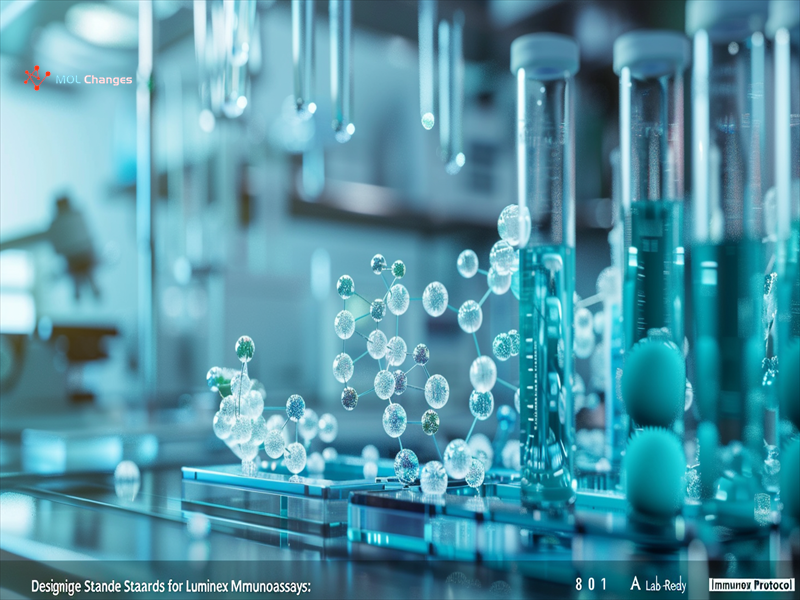
Однако, Трансляция необработанной пептидной последовательности в утвержденный стандарт иммуноанализа требует тщательного химического проектирования и оптимизации биоконъюгации.. Малые синтетические пептиды (<30 аминокислоты) часто проявляют маскирование эпитопа при иммобилизации непосредственно на карбоксилированных микросферах, неспецифическая гидрофобная адсорбция, или неточная гравиметрическая калибровка концентрации, вызванная искажением массы противоиона..
Этот готовый к использованию протокол описывает 5-этапную методологию проектирования, модификация, муфта, и проверка пептидные стандарты для мультиплексных иммуноанализов Luminex, обеспечение максимальной доступности эпитопа, минимальная перекрестная реактивность, и строгая воспроизводимость анализа. Дипептиды оптом
Фаза 1: Выбор последовательности и архитектура линкера
Иммобилизация коротких синтетических пептидов непосредственно на поверхности полистирола или магнитных шариков часто приводит к стерическим затруднениям., где матрица шариков блокирует доступ антител к ключевым связывающим остаткам. Оптимальная конструкция последовательности обеспечивает баланс физической стабильности., конформационная гибкость, и презентация для конкретного сайта.
1. Картирование эпитопов и длина последовательности
- Идентификация минимального эпитопа: Определите основные линейные или непрерывные конформационные мотивы связывания. (обычно 8–15 аминокислот).
- Фланговые остатки: Сохраните 2–4 нативных N- и С-концевые фланкирующие аминокислоты для сохранения локальной вторичной структуры и ионной растворимости..
- Уменьшение гидрофобности: Рассчитайте среднее значение гидропатии (СОУС) счет. Последовательности с высокими гидрофобными остатками (Трп, Пхе, Лея, С) имеют тенденцию разрушаться на гидрофобном полистироловом сердечнике шарика, что приводит к высокому неспецифическому связыванию (НСБ). Включить растворяющие теги (такие как добавки Lys-Lys или Glu-Glu на неэпитопных концах) если необходимо.
2. Спейсеры и гибкие линкеры
Для проецирования эпитопа за пределы гидродинамического пограничного слоя шарика., вставьте гидрофильный спейсер между ручкой функционального связывания и целевой последовательностью.
- ПЭГ-спейсеры: Линкеры полиэтиленгликоля (ПЭГ2, ПЭГ4, или ПЭГ12) обеспечивают превосходную растворимость в воде и нулевую иммуногенность по сравнению с жесткими углеводородными цепями..
- Аминогексановая кислота (Аааа): Подходит для умеренно гидрофильных последовательностей, требующих физического смещения 1–2 нм..
Для чаевых: Всегда размещайте гибкую прокладку PEG между местом реактивной связи. (например, N-концевой амин или концевой Cys) и эпитоп. Прямое связывание без спейсера может снизить аффинность связывания антитела на 40–70% из-за стерического экранирования карбоксильной поверхностью шарика..
Фаза 2: Химия модификации и маркировки для конкретного объекта
Случайное или ненаправленное связывание изменяет конформацию эпитопа и вызывает изменчивость ориентации от партии к партии.. Химическая модификация, специфичная для конкретного участка, обеспечивает однородное пространственное представление в каждой области микросферы..
| Варианты ориентационной иммобилизации | Деталь |
|---|---|
| Вариант А | N-конец / Прокладка Lys Amine PEG4 → Амидная связка EDC/S-NHS → Шарики COOH-MagPlex |
| Вариант Б | Терминальная биотиновая метка Спейсер PEG4 → Захват стрептавидина → Шарики авидин-MagPlex |
| Вариант С | Терминальный цистеин-тиол-малеимид Ручка → Тиоэфирная связь → Шарик Amine-MagPlex |
1. Биотинилирование против. Прямое соединение аминов
- Терминальное биотинилирование: Включение N-концевого биотина или лиза(Биотин) через линкер PEG4 позволяет быстро, высокоаффинная иммобилизация на микросферах MagPlex, покрытых стрептавидином (К д ≈ 10^{-14} М). Это устраняет необходимость использования карбодиимидной химии на шариках во время настройки анализа..
- Прямое соединение аминов: Если используется карбоксилат (COOH) Микросферы МагПлекс, убедитесь, что пептид содержит только один первичный амин (N-конец). Внутренние остатки лизина внутри эпитопа должны быть заменены или защищены во время синтеза, чтобы предотвратить гетерогенное многоточечное прикрепление, которое нарушает распознавание антител..
2. Флуоресцентная маркировка для контроля качества мультиплекса
При проверке репортерных каналов или отслеживании плотности загрузки шариков, ортогональные флуорофоры (например, Алекса Флуор 488 или ФИТЦ) может быть конъюгирован с неконкурирующими концевыми боковыми цепями лизина..
- Спектральная совместимость: Убедитесь, что спектры возбуждения/излучения метки не перекрываются со спектрами внутренних классификационных лазеров Luminex. (красные/инфракрасные красители и 658 нм и 712 нм, или зеленые репортерские каналы на 525 нм в системах Intelliflex).
Фаза 3: Протокол соединения шариков Luminex MagPlex
Карбоксилированные микросферы xMAP (МагПлекс COOH) содержат поверхностные карбоксильные группы (~10⁷ СООН/бусина) которые реагируют с первичными аминами посредством двухстадийной карбодиимидной химии с использованием 1-этил-3-(3-диметиламинопропил)карбодиимид (ЭДГ) и N-гидроксисульфосукцинимид (Сульфо-NHS).

| Шаг протокола | Буфер / Реагент | Параметры реакции | Ключевая цель |
|---|---|---|---|
| 1. Мытье из бисера | 100 мм МЧС, рН 6.0 | 2.5 × 10⁶ бусинок, вихрь & магнитная сепарация | Удалите консерванты при хранении и уравновесьте поверхность. |
| 2. Активация COOH | 50 мг/мл ЭДХ + 50 мг/мл Сульфо-NHS в MES | Инкубировать 20 мин при комнатной температуре с плавным вращением | Преобразовать COOH в стабильный, аминореактивные сложные эфиры сульфо-NHS |
| 3. Активационная промывка | 50 мм МЧС, рН 6.0 | Промыть 2× буфером активации | Удалить непрореагировавший EDC, побочные продукты мочевины, и избыток сульфо-NHS |
| 4. Пептидное соединение | ПБС (pH 7,2–7,4) + 10–20\ µg peptide | Инкубировать 2 час при комнатной температуре или ночь при 4°C | Образует ковалентные амидные связи с первичными аминами. |
| 5. закалка | 1 М Этаноламин (рН 9.0) или 50 мм Трис (рН 8.0) | Инкубировать 30 мин по RT | Гидролизуйте непрореагировавшие NHS-эфиры для предотвращения неспецифического связывания. |
| 6. Блокировка / Хранилище | ПБС, 1% БСА, 0.05% Азид натрия, рН 7.4 | Хранить при температуре 2–8°C в темноте. | Стабилизация конъюгированных микросфер для длительного хранения. |
Рекомендации по выполнению критически важных соединений
- Управление буфером активации: Выполните активацию карбоксила в pH 6,0–6,3 в буфере MES. Эффективность EDC значительно падает при pH > 7.0.
- Подготовка свежих реагентов: EDC и Sulfo-NHS гигроскопичны и быстро гидролизуются в водных растворах.. Растворяйте сухие аликвоты непосредственно перед добавлением.; не храните восстановленные исходные растворы.
- Фаза связывания без аминов: Во время шага 4, буфер связывания ДОЛЖЕН быть свободен от первичных аминов или нуклеофилов.. Избегайте Трис, глицин, или азид натрия в буфере связи, поскольку конкурирующие нуклеофилы будут потреблять активные NHS-эфиры и снижать выход пептидного связывания..
⚠️ Внимание: Никогда не вводите BSA, сыворотка, или желатин перед этапом 5. Добавление белковых блокаторов во время фазы связывания приводит к конъюгации тяжелого белка с гранулами., полностью маскирующий стандарт синтетического пептида.
Фаза 4: Мультиплексная перекрестная реактивность & Предотвращение неспецифического связывания
В мультиплексной панели Luminex (например, 10-плекс до 50-плекс), перекрестная реактивность может возникать на двух разных границах раздела: антитело к нецелевому пептиду обязательная и неспецифическая адсорбция пептид-к-бусинам. Производитель синтетических пептидов
1. Скрининг перекрестной реактивности матрицы (5×5 Проверка шахматной доски)
Перед блокировкой в мультиплексной панели, выполнить полный анализ одного аналита против. мультиплексный матричный скрининг:
- Отдельные антитела для первичного обнаружения необходимо инкубировать против всех иммобилизованных участков пептидных гранул индивидуально..
- Распространение сигнала на нецелевых участках шариков не должно превышать 1.5% конкретного целевого сигнала при максимальной концентрации калибратора (Б макс.).
- Если возникает перекрестная реактивность, оценить, имеет ли последовательность линейную гомологию (>40%) с нецелевыми панельными аналитами. Модифицируйте фланкирующие остатки или укоротите пептидную конструкцию для повышения селективности к мишеням..
2. Блокирование и смягчение эффекта матрицы
Синтетические пептиды с высоким pI (>9.0) несут чистые положительные заряды при физиологическом pH (7.4), вызывая электростатическое неспецифическое связывание с остаточными отрицательно заряженными карбоксильными группами на гранулах MagPlex.
- Добавление моющих средств: Включать 0.05% к 0.1% Твин-20 или Тритон Х-100 в аналитическом и промывном буферах для минимизации гидрофобных взаимодействий..
- Полиионные блокаторы: Добавлять 10\ мкг/мл гетерофильных блокирующих реагентов или низкомолекулярного декстрансульфата для снижения ионного фона в образцах сыворотки или плазменной матрицы человека..
Фаза 5: Многоуровневый контроль качества (КК) & Точность калибровки
Точная калибровка иммуноанализа требует строгого абсолютного количественного определения материала эталонного стандарта.. Если полагаться исключительно на массу брутто, это приводит к серьезным расхождениям между партиями..
Общая масса пептидов (1.0 мг весил)
Вода & Влага (5–15%)
Противоионы: ТФА / Ацетат (10–25%)
Истинная пептидная масса (~60–80% фактической активной последовательности)
1. Обязательное преобразование противоиона (TFA в ацетат / HCl)
Стандартный твердофазный синтез пептидов (СПСС) дает пептиды в виде трифторацетата (ТФА) соли из-за 0.1% Использование TFA в мобильных фазах ОФ-ВЭЖХ.
- Недостатки ТФА: Остаточная ТЖК (CF_3COO^-) изменяет локальный pH анализа, нарушает клеточные валидационные анализы, и добавляет к образцу 15–30% массы непептидного противоиона..
- Протокол преобразования: Выполните ионообменную хроматографию или повторную лиофилизацию из 10 мМ HCl или 1% раствор уксусной кислоты для преобразования противоиона в ацетатные или гидрохлоридные соли. Эффективность преобразования должна быть проверена с помощью ионной хроматографии или капиллярного электрофореза, чтобы убедиться, что уровень остаточной ТЖК ниже 1.0%. Цитирование рецензируемый консенсус по обмену противоионами, замена TFA на биосовместимый ацетат необходима для воспроизводимой калибровки иммуноанализа..
2. Чистое содержание пептидов (НПС) с помощью аминокислотного анализа (ААА)
Гравиметрическое взвешивание лиофилизированных пептидов включает захваченную влагу и противоионы.. Хроматографическая чистота (ОФ-ВЭЖХ) измеряет относительный процент площади пика среди видов пептидов, но делает нет отражать непептидную массу.
Для установления абсолютных концентраций калибратора, мера Чистое содержание пептидов (НПС) с использованием количественного анализа аминокислот (ААА). Как подробно описано в определение чистого содержания пептидов с помощью анализа аминокислот протокол: Прецизионная модификация цистеинсодержащих пептидов или белков с использованием солей алкилтиофения
Чистое содержание пептидов (НПС %) = Масса проверенных аминокислот/общая масса брутто × 100
Рассчитайте истинную активную массу пептида для приготовления сырья, используя:
Истинная активная масса = Полная масса × (ОФ-ВЭЖХ Чистота %/100) × (НПС %/100) Синтетические полипептиды оптом
3. Критерии выпуска от партии к партии
О Перед интеграцией анализа каждая партия стандартов синтетических пептидов должна соответствовать следующим пороговым значениям высвобождения.:
- Чистота (ОФ-ВЭЖХ): ≥ 95.0% главный пик в районе 214 нм и 280 нм.
- Личность (МСВР/ЖХ-МС): Моноизотопная масса соответствует теоретической молекулярной массе в пределах ± 0.5 И.
- Чистое содержание пептидов (ААА): Количественный процент NPC указан в сертификате анализа. (Соглашение о намерениях).
- Остаточный противоион: Остаточная ТЖК < 1.0\ вес/вес%.
- Равномерность сопряжения шариков: Внутрианалитическое резюме < 5.0% через 100 повторить показания бисера; изменчивость наклона от партии к партии < 10.0% на линейном диапазоне стандартной кривой.
Ускорение стандартизации иммуноанализа с помощью изменений MOL
Поставщик М-пептидов Разработка надежных стандартов пептидов для мультиплексных анализов Luminex требует передовых химических методов синтеза., специализированные модификации, и комплексный аналитический контроль качества. Сотрудничество со специализированным CDMO устраняет узкие места синтеза и гарантирует получение материала аналитического качества..
The MOL меняет платформу синтеза и модификации пептидов предоставляет комплексные комплексные решения для разработчиков иммуноанализа:
- 300+ Функциональные модификации: Сайт-специфическое N/C-концевое биотинилирование, монодисперсные линкеры ПЭГ (ПЭГ2 – ПЭГ24), маркировка флуоресцентными красителями, и пользовательские реактивные дескрипторы.
- Ультрастерильное производство: Синтез пептидов, выполняемый в классе 100 чистые помещения, обеспечение сверхнизких уровней эндотоксинов (<0.01 ЕС/мг) для чувствительных биоанализов.
- Строгая аналитическая проверка: Каждый индивидуальный стандарт поставляется с полной документацией CoA., включая масс-спектры ЖХ-МС высокого разрешения, аналитические хроматограммы ОФ-ВЭЖХ, Сертифицированное AAA чистое содержание пептидов, и проверенный обмен противоионов TFA на ацетат.
Будь то создание панелей биомаркеров на ранней стадии или масштабирование коммерческих мультиплексных диагностических наборов., использование высокой чистоты, полностью охарактеризованные синтетические пептиды обеспечивают долгосрочную воспроизводимость и соответствие результатов анализа..
Сводный контрольный список протокола
- Выберите основной эпитоп из 8–15 аминокислот.; добавить гидрофильный линкер PEG2/PEG4 на конце соединения.
- Включение сайт-специфического биотинилирования или одного N-концевого первичного амина..
- Выполните преобразование противоиона из TFA в ацетатную соль. (остаточная ТЖК <1.0%).
- Определить чистое содержание пептидов (НПС) через ААА; соответствующим образом отрегулировать подготовку калибратора.
- Активируйте шарики MagPlex COOH в 100 мм МЧС (рН 6.0) используя свежий EDC/Sulfo-NHS.
- Пара пептидов в PBS, не содержащем аминов (pH 7,2–7,4); погасить непрореагировавшие эфиры этаноламином или трис/казеином.
- Подтвердить перекрестную реактивность с помощью матричного экрана 5×5. (сигнал отклонения от цели <1.5%).