Что означает новый набор для иммунопептидомики Thermo Fisher для индивидуальных рабочих процессов с пептидами
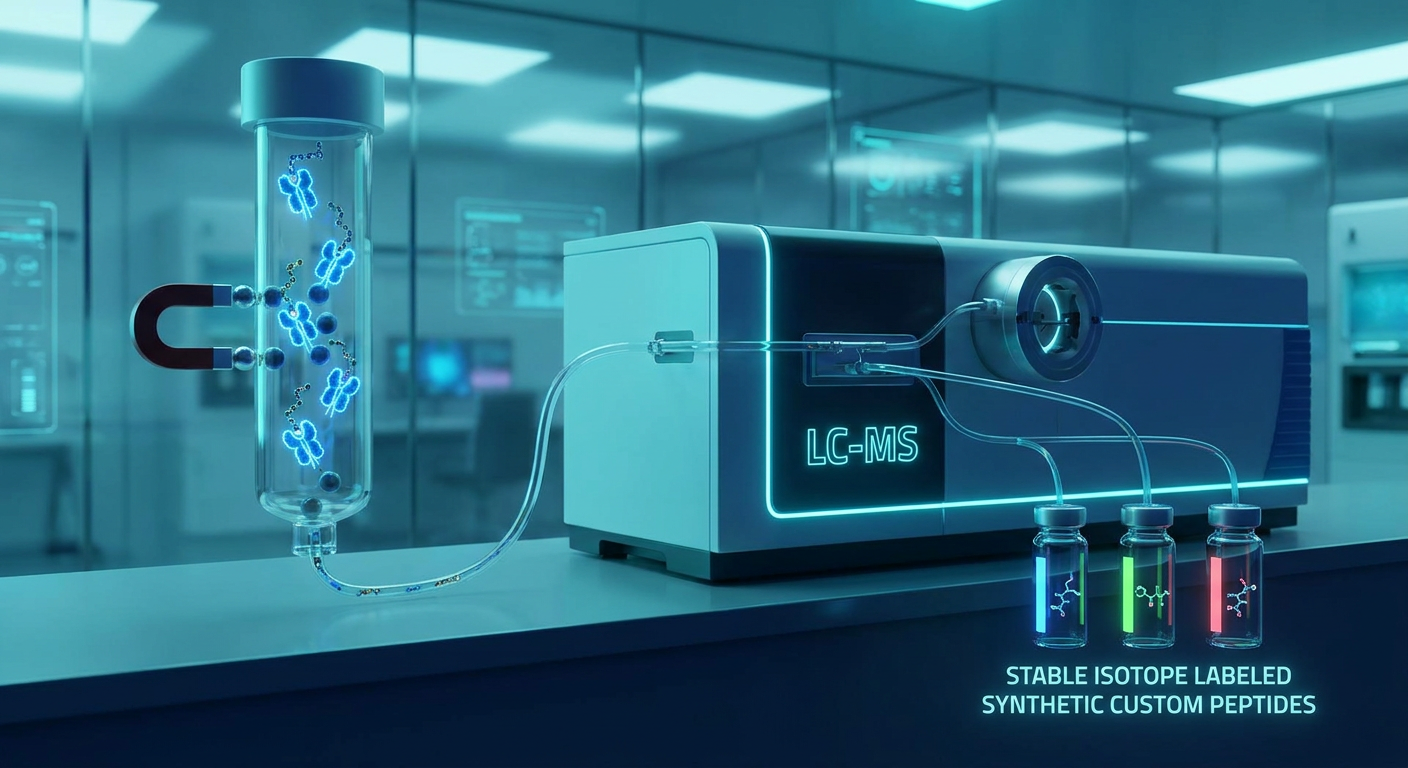
Иммунопептидомика на основе масс-спектрометрии превратилась из специализированного инструмента академических открытий в важную биоаналитическую основу биофармацевтических исследований.&Д. От открытия неоантигенной противораковой вакцины и Т-клеточного рецептора (ТКР-Т) идентификация мишени для профилирования аутоиммунных мишеней, прямой опрос человеческого лейкоцитарного антигена (HLA)-связанные пептиды обеспечивают немоделированное доказательство презентации антигена. Однако, исторически, вариабельность в иммуноаффинной очистке (ИП), выделение пептидов в микромасштабе, и ручная очистка проб серьезно ограничивают межлабораторную воспроизводимость и производительность анализа..
Коммерциализация стандартизированных платформ для подготовки проб для иммунопептидомики — на примере набора для связывания антител и иммунопреципитации Pierce MHC класса I компании Thermo Fisher Scientific в сочетании с системами ЖХ-МС/МС со сверхвысоким разрешением Orbitrap Exploris и Orbitrap Astral — представляет собой важную веху в развитии аналитического рабочего процесса.. Путем стандартизации антител пан-MHC класса I (клон W6/32) магнитная муфта, элюирование с низким pH, и автоматизированное обессоливание C18, последующие аналитические коэффициенты вариации (резюме) опустились ниже 15%.
Еще, поскольку последующая подготовка проб для масс-спектрометрии становится рутинной и высоковоспроизводимой, появляется новое аналитическое узкое место: индивидуальные спецификации синтетических пептидов. Пептид
поскольку последующая подготовка проб для масс-спектрометрии становится рутинной и высоковоспроизводимой, появляется новое аналитическое узкое место: индивидуальные спецификации синтетических пептидов.
Стандартизированные наборы повышают ожидания от синтетических эталонных стандартов, калибровочные пептиды по времени удерживания, и тяжелый изотоп, помеченный (СИЛ) элементы управления всплеском. Когда вариативность подготовки проб на последующих этапах сведена к минимуму, гетерогенность синтетических пептидов, например неполное изотопное обогащение, неточное чистое содержание пептидов, противоионная интерференция, и гидрофобная агрегация — становятся основным источником ошибок количественного анализа и ложноотрицательной проверки цели..
Этот анализ исследует, как стандартизированные наборы иммунопептидомики изменяют исходные требования к индивидуальным пептидам., оценивает критические параметры контроля качества, необходимые для совместимости комплектов, и описывает практические адаптации, которые поставщики индивидуальных пептидных синтезов должны принять для поддержки современных протеомных исследований..
Стандартизация последующей подготовки проб: Тест комплекта Pierce MHC
Чтобы понять, почему спецификации исходных пептидов должны адаптироваться, ведущие биоаналитики должны сначала проанализировать химию и механику стандартизированных последующих наборов.. Исторически, иммунопептидомика основывалась на специально упакованных агарозных колонках с сефарозой или белком A/G, требующих ручного сшивания диметилпимелимидатом. (DMP), многоступенчатая гравитационная мойка, и ручное ступенчатое обессоливание. Эти ручные протоколы привели к значительной изменчивости от одного запуска к другому и высоким фоновым уровням загрязнения..
Коммерческие комплекты упрощают и стандартизируют этот конвейер до контролируемого, четырехэтапный микропротокол, оптимизированный для клеточных лизатов с низкими затратами (10⁷ до 10⁸ ячеек) или биопсия тканей:
Стандартизированный конвейер для иммунопептидомики ЖХ-МС/МС
- Связывание антител: Панспецифическое антитело против человеческого HLA класса I (клон W6/32) непосредственно связан с шариками магнитной агарозы Protein A/G в фиксированном соотношении (2.5 мкг антитела на 1 мкл суспензии шариков), устраняя ручную активацию смолы и переменную
Фрагмент 176-191 Пептид Элюирование с низким pH: HLA-комплексы диссоциируют и элюируют с использованием стандартизированных 1% трифторуксусная кислота (ТФА) или разбавить 0.1 N уксусная кислота, освобождение связанного 8- к 11-мерным пептидам наряду с тяжелыми цепями HLA и бета-2-микроглобулином (β2М).
r цифра).
- Элюирование с низким pH: HLA-комплексы диссоциируют и элюируют с использованием стандартизированных 1% трифторуксусная кислота (ТФА) или разбавить 0.1 N уксусная кислота, освобождение связанного 8- к 11-мерным пептидам наряду с тяжелыми цепями HLA и бета-2-микроглобулином (β2М).
- C18 Микрообессоливание & ЖХ-МС/МС: Пептиды выделяют из высокомолекулярных белков с помощью спин-наконечников C18 или автоматизированных микрофлюидных насадок., элюируется в 25% к 50% ацетонитрил (АКС) содержащий 0.1% ТФА, сушеный, воссоздан в 0.1% муравьиная кислота (ФА), и проанализированы с помощью обращенно-фазовой УВЭЖХ высокого разрешения, соединенной с тандемными масс-спектрометрами..
Ключевой вывод: Стандартизированные комплекты исключают необходимость ручной подготовки колонки IP., сокращение отклонений при обработке проб на последующих этапах до < 15% резюме. Следовательно, аналитические ошибки в таргетных анализах PRM/DIA теперь возникают преимущественно из-за исходных эталонных стандартов синтетических пептидов..
Как подробно описано в исследовании, опубликованном в Рабочий процесс PMC по целевой иммунопептидомике optiPRM (2024), Автоматизированная и стандартизированная обработка проб обеспечивает высоковоспроизводимый мониторинг параллельных реакций. (ФРМ) и независимый от данных сбор (ТАМ). Однако, Для достижения абсолютного количественного определения необходимы синтетические стандарты пептидов AQUA, меченных тяжелыми метками, химическая целостность которых соответствует точности масс-спектрометра..
Эффекты пульсации в восходящем потоке: Переопределение спецификаций индивидуальных пептидов
Широкое распространение стандартизированных наборов для иммунопептидомики меняет необходимые химические и физические характеристики индивидуальных синтетических пептидов в четырех различных аспектах.: растворимость на уровне последовательности, изотопная чистота, проверка содержания чистого пептида, и противоионный контроль.
(Стимулирует спрос на) Строгость количественного определения: Чистое содержание пептидов с помощью анализа аминокислот (ААА) Противоион & Стерильность: Обмен без TFA & Сорт 100 производство в чистых помещениях
СПЕЦИФИКАЦИЯ ПЕПТИДОВ ДЛЯ ПЕПТИДОВ RIPPLE Стандартизация для нефтеперерабатывающих предприятий (Комплект Thermo Pierce MHC) Элюирование с низким pH (1% ТФА) & C18 Орбитальная ловушка для микроочистки ЖХ-МС/МС Количественная оценка (ПРМ/ВО) Требования к индивидуальным пептидам для разведки и добычи. Обработка гидрофобных последовательностей.: Синтез с учетом якоря для изотопной чистоты 8-11меров: > 99.0% внедрение тяжелых изотопов (13С/15Н)
1. Навигация по последовательностям гидрофобных якорей и агрегации
Молекулы MHC класса I естественным образом представляют собой короткие пептиды., обычно 8 к 11 аминокислоты в длину, характеризуются жесткими структурными мотивами. Позиция 2 (П2) и положение C-конца (П9/П10) служат первичными якорными остатками, которые стыкуются с определенными карманами канавки связывания тяжелой цепи HLA.. Для общих аллелей, таких как HLA-A*02.:01, эти якоря состоят почти исключительно из высокогидрофобных алифатических или ароматических аминокислот.: Лейцин (Лея), Валин (Вал), изолейцин (С), Метионин (Встретились), Фенилаланин (Пхе), и тирозин (Тир).
При синтезе специальные пептиды отражают эти эндогенные лиганды HLA., их высокое гидрофобное содержание приводит к сильной нерастворимости в воде и быстрой неспецифической адсорбции на полипропиленовых микроцентрифужных пробирках и флаконах автосамплеров для ЖХ..
- Неразрешимость при загрузке буферов: Стандартизированные буферы для восстановления LC-MS (0.1% ФА / 1% АКС) часто не удается солюбилизировать гидрофобные 9-меры, вызывая осаждение перед введением в колонку.
- Поверхностные адсорбционные потери: В пикомолярном или фемтомолярном диапазоне концентраций, используемом для калибровочных кривых ЖХ-МС., непассивированные пептидные последовательности адсорбируются на стенках контейнера, искажение линейности (Р² < 0.95).
2. Изотопная чистота против. Допуски массовых ошибок
Для таргетных иммунопептидомных анализов с использованием мониторинга выбранных реакций. (СРМ), Мониторинг параллельных реакций (ФРМ), или DIA с внутренними стандартами, синтетические пептиды синтезируются с использованием меченых стабильных изотопов. (СИЛ) аминокислоты. Обычно, тяжелый Арг (13С6, 15N4; массовый сдвиг +10 И) или тяжелый Лис (13С6, 15N1; массовый сдвиг +8 И) включается на С-конце.
На инструментах сверхвысокого разрешения, таких как Orbitrap Astral или Orbitrap Eclipse, работающих на 120,000 к 240,000 разрешающая способность (м/з 200), допуски на массовую погрешность ограничены значением ≤ 5 ppm. Неполное изотопное обогащение во время синтеза предшественников аминокислот приводит к «утечке легких изотопов» — немеченым видам пептидов, присутствующим в стандарте с тяжелой меткой.. Если изотопное обогащение падает ниже 99.0%, остаточный световой сигнал перекрывается с эндогенными лигандами HLA с низким содержанием, генерация ложноположительных базовых сигналов количественного анализа.
3. Чистое содержание пептидов: Выход за пределы оптической чистоты ВЭЖХ
Критическим заблуждением при закупках пептидов на заказ является приравнивание аналитической чистоты ОФ-ВЭЖХ (214 нм процент площади пика) с абсолютной концентрацией пептида.
Чистота ОФ-ВЭЖХ просто указывает на относительное содержание целевого пептида.
Чистое содержание пептидов (%) = Масса чистого пептида Научно-исследовательская лаборатория пептидов Последовательность/общая масса лиофилизированного порошка × 100
с, например, остаточная влага, противоионы (трифторацетат или ацетат), и связанные соли. Общий весовой вес обычно завышает фактическое содержание пептидов на 15% к 35%.
Чистое содержание пептидов (%) = Масса чистой пептидной последовательности/общая масса лиофилизированного порошка × 100
Для стандартизированных рабочих процессов иммунопептидомики, требующих абсолютного количественного определения (скачки фмоль/мкл), использование валового сухого веса вводит систематический qu
Стандартный твердофазный синтез пептидов (СПСС) использует трифторуксусную кислоту (ТФА) для отделения от смолы и обращенно-фазовой очистки. Остаточные противоионы TFA, оставшиеся в виде солей трифторацетата, могут подавлять ионизацию электрораспылением. (ЭСИ) эффективность во время Исследовать 1 Поставщик пептидов ЖХ-МС анализ. Более того, фоновые биологические загрязнения (эндотоксины, остаточная бактериальная ДНК, или следы кератина/трипсина) введенное во время упаковки пептида может ослепить чувствительные детекторы Orbitrap, которые действуют в субфемтомолярных пределах обнаружения..
остатки, оставшиеся в виде солей трифторацетата, могут подавлять ионизацию электрораспылением. (ЭСИ) эффективность при анализе ЖХ-МС. Более того, фоновые биологические загрязнения (эндотоксины, остаточная бактериальная ДНК, или следы кератина/трипсина) введенное во время упаковки пептида может ослепить чувствительные детекторы Orbitrap, которые действуют в субфемтомолярных пределах обнаружения..
Требования к контролю качества и обновлению для стандартов с тяжелой маркировкой
Чтобы согласовать производство индивидуальных пептидов с высокопроизводительными наборами., Поставщики синтеза должны перестроить свой контроль качества (КК) структуры и модели оперативной реализации.
Аналитические пороговые значения для готовых к иммунопептидным исследованиям индивидуальных пептидов
| Параметр | Стандартный исследовательский уровень | Готовая к иммунопептидомике степень | Метод аналитической проверки |
|---|---|---|---|
| ОФ-ВЭЖХ Чистота | ≥ 90% | ≥ 98% | C18 ОФ-ВЭЖХ (0.1% ТФА / Градиент ACN, 214 нм) |
| Массовая точность | ± 1.0 И | ≤ 5 ppm (± 0.005 И) | ESI-орбитальная ловушка высокого разрешения / МАЛЬДИ-ТОФ МС |
| Изотопное обогащение | > 95% | > 99.0% | Анализ распределения изотопных оболочек тандемного МС |
| Чистое содержание пептидов | Не измерено (Вес брутто) | Точное значение сертифицировано AAA | Количественный анализ аминокислот (ААА) |
| Сертификация растворимости | Визуальная проверка воды | Проверено в 0.1% ФА / 1% АКС | Центрифугирование & Проверка площади пика ЖХ-МС |
| Уровень эндотоксина | Неконтролируемый | < 0.01 ЕС/мг | Хромогенный LAL-анализ |
| Производственные помещения | Общая лаборатория | Сорт 100 Ультрастерильное чистое помещение | ИСО 14644-1 Сорт 5 экологический мониторинг |
Необходимость кардинального изменения скрининга неоантигенов
В персонализированной иммунотерапии рака и разработке неоантигенной вакцины, исследователи изолируют эндогенные лиганды HLA, используя такие наборы, как Рабочий процесс подготовки проб Thermo Fisher Pierce MHC класса I и идентифицировать мутированные пептиды-кандидаты внутри 48 к 72 часов через снова алгоритмы секвенирования.
Для проверки потенциальных неоантигенов, исследователи должны немедленно заказать сопоставление синтетических меченых тяжелых веществ (СИЛ) пептидные библиотеки (обычно 20 к 96 последовательности) для проверки PRM. Сроки изготовления традиционных пептидов по индивидуальному заказу 4 к 6 недели создают неприемлемое узкое место в клинических исследованиях. Современные поставщики индивидуальных пептидов должны обеспечить параллельный 96-луночный синтез с 5 к 7 рабочий день без ущерба для аналитических порогов контроля качества.
Стратегические адаптации для поставщиков индивидуальных пептидов: Обеспечение принятия исследователями
Помочь исследователям с полной уверенностью внедрить стандартизированные наборы иммунопептидомики., Поставщики индивидуального синтеза пептидов должны перейти от пассивных контрактных производителей к специализированным биоаналитическим партнерам..
Ведущие платформы синтеза, такой как Специализированная платформа синтеза пептидов MOL Changes, продемонстрировать, как целенаправленная техническая адаптация решает проблемы с отбором проб на предшествующем этапе.
ТРИ ПРАКТИЧЕСКИЕ АДАПТАЦИИ ДЛЯ ПОСТАВЩИКОВ ПЕПТИДОВ
- Кураторские готовые каталоги по иммунопептидомике Справочные библиотеки по аллелям (HLA-А02:01, HLA-А24:02, HLA-B*0:02) Стандарты калибровки времени удерживания (Смеси, меченные изотопами класса PRTC)
- Панели контроля качества целевой иммунопептидомики Точность масс ESI-MS высокого разрешения (<= 5 ppm) & Изотопное обогащение (> 99.0%) Сертификация чистого содержания пептидов AAA & 1% Тестирование растворимости ТФУ
- Быстрая маркировка SIL Heavy & Высокопроизводительный параллельный 96-луночный SPPS для синтеза в чистых помещениях (5-7 Окно дневной доставки) Сорт 100 Производство чистых помещений для устранения фоновых загрязнений MS
1. Кураторские готовые каталоги для иммунопептидомики
Поставщики пептидов должны предлагать заранее разработанные, предварительно оцененные библиотеки пептидов, адаптированные к основным супертипам HLA, а также калибровочные смеси по времени удерживания.
- Справочные библиотеки по аллелям: Предварительно синтезированные наборы высокоаффинных эндогенных лигандов для распространенных аллелей человека. (например, HLA-A*02:01, HLA-А*24:02, HLA-B*0:02, и HLA-DRB1*01:01). Они служат положительным контролем эффективности иммуноаффинного обогащения набора..
- Калибровочные смеси для времени удерживания: Тяжелые пептидные коктейли, охватывающие весь спектр гидрофобности. (время удерживания градиента от 5% к 65% АКС). Добавляется в элюаты набора перед очисткой C18., эти стандарты позволяют автоматически выравнивать время удерживания при многосерийных циклах ЖХ-МС..
2. Панели контроля качества целевой иммунопептидомики
Вместо предоставления стандартных сертификатов анализа (Сертификат подлинности) содержащий базовые наложения трассировки ВЭЖХ, поставщики пептидов должны внедрить специализированные панели контроля качества ЖХ-МС:
Стандарт иммунопептидомики CoA: Каждый синтезированный пептид включает точное измерение массы ESI-MS. (≤ 5 ppm), подтверждение изотопного обогащения тандемного МС (> 99.0%), Сертифицированная ААА чистая концентрация пептидов, и проверка растворимости в 0.1% ФА / 1% АКС.
Используя меченый тяжелый изотоп (СИЛ) стандарты пептидов при поддержке сертифицированного сетевого контента AAA, исследователи устраняют погрешность концентрации при построении калибровочных кривых абсолютного количественного определения на платформах Orbitrap LC-MS.
3. Быстрая маркировка тяжелыми изотопами & Синтез чистых помещений
Пользовательские пептидные платформы должны интегрировать автоматизированный параллельный твердофазный синтез пептидов. (СПСС) оснащен аминокислотами, меченными стабильными изотопами (^{13}С₆, ^{15}N₄-Arg и ^{13}С₆, ^{15}Список N₁).
Более того, для предотвращения воздействия загрязнителей окружающей среды на обнаружение малочисленных лигандов HLA., синтез, очищение, и аликвотирование должно происходить в стерильной производственной среде.. Объекты, использующие Сорт 100 чистая среда и сертифицированный контроль качества LC-MS обеспечить нулевое фоновое подавление ионов и сверхнизкие уровни эндотоксинов (< 0.01 ЕС/мг) подходит для последующих анализов активации Т-клеток.
Контрольный список поставщиков для оценки индивидуальных пептидов, совместимых с наборами
При оценке поставщиков индивидуальных пептидов для эталонных стандартов иммунопептидомики и библиотек SIL., группы биоаналитических закупок должны использовать следующую матрицу решений:
| Критерии оценки | Традиционный поставщик пептидов | Поставщик, адаптированный к иммунопептидомике (Изменения МОЛ) | Риск / Влияние на рабочий процесс комплекта |
|---|---|---|---|
| Среда синтеза | Открытая скамейка / стандартная лаборатория | Сорт 100 Ультрастерильное чистое помещение | Высокий фоновый шум MS & загрязнение эндотоксинами в клеточных анализах |
| Проверка чистоты | Площадь пика ОФ-ВЭЖХ (214 нм) | Двойная ОФ-ВЭЖХ & HR-ESI-MS (≤ 5 ppm) | Неидентифицированные делеционные пептиды вызывают пиковые помехи в каналах PRM. |
| Основа количественного определения | Гравиметрический вес брутто | Сертифицированное AAA чистое содержание пептидов | До 35% ошибка концентрации при абсолютном количественном определении AQUA |
| Изотопное обогащение | > 95% общий уровень безопасности | > 99.0% проверенное тяжелое обогащение | Утечка легких изотопов создает ложноположительные эндогенные сигналы |
| Поддержка растворимости | Базовый тест воды | Буферное тестирование (0.1% ФА / 1% АКС) | Осаждение пептидов во флаконах автосамплера ЖХ, вызывающее потерю сигнала |
| Доставка | 4 к 6 недели | 5 к 7 рабочие дни (96-колодезные панели) | Остановка валидации неоантигена и обработки клинических образцов |
Стратегические рекомендации для исследователей иммунопептидомики
Стандартизация последующей подготовки проб для масс-спектрометрии с помощью таких наборов, как Thermo Fisher's Pierce MHC Kit, знаменует собой важный шаг вперед в протеомных исследованиях.. Однако, Аналитический успех по-прежнему в основном зависит от качества исходных синтетических пептидов..
Для максимизации чувствительности анализа и количественной точности:
- Мандат Сетевой контент, сертифицированный AAA: Никогда не полагайтесь на общую массу лиофилизированного порошка при добавлении меченых пептидов AQUA.. Требовать сертификацию AAA для обеспечения точного количественного определения молярности..
- Проверьте пороги изотопного обогащения: Убедитесь, что пептиды с тяжелой меткой переносят > 99.0% изотопная чистота, чтобы избежать перекрытия сигналов легкой цепи на масс-спектрометрах Orbitrap сверхвысокого разрешения..
- Сотрудничайте со специализированными поставщиками синтеза: Работа с поставщиками пептидов, способными создавать индивидуальные последовательности в рамках класса. 100 чистых помещений и обеспечивая быстрое, параллельные библиотеки пептидов SIL.
Путем согласования индивидуальных спецификаций пептидов исходной группы со стандартизированными наборами для подготовки проб на последующих стадиях, исследователи могут проводить иммунопептидомические исследования с полной количественной уверенностью..
Для исследователей, которым нужны индивидуальные библиотеки пептидов, совместимые с наборами, Стандарты, меченные тяжелыми изотопами, или панели контроля качества таргетной иммунопептидомики, проконсультируйтесь со специалистами по биоаналитику в MOL Changes обсудить возможность индивидуальной последовательности и варианты синтеза в чистых помещениях.
Автор & Технический обзор
Обзор MOL Changes Bioanalytical R&Команда Д
Старший масс-спектрометрист & Специалисты по пептидному синтезу
Этот анализ был написан и проверен биоаналитическим R.&Специалисты D в Изменения МОЛ, объединение опыта в области синтеза индивидуальных пептидов масс-спектрометрического уровня, маркировка стабильных изотопов, и производство в чистых помещениях для прецизионных иммунопептидомических исследований.