Sửa đổi peptide
Phosphoryl hóa peptit
Phosphoryl hóa peptide là gì?
Sự phosphoryl hóa tế bào là một sự biến đổi có thể làm thay đổi hoạt động, thuộc tính ràng buộc, hoặc định vị tế bào của protein hoặc enzyme. Đây cũng là một quá trình điều tiết quan trọng, đóng vai trò quan trọng trong nhiều bệnh lý, bao gồm cả viêm, bệnh ung thư, rối loạn thần kinh và chuyển hóa. Các enzyme phosphoryl hóa protein ở các gốc axit amin cụ thể (ví dụ., tyrosin, serine, và threonine) được gọi là kinase. Các enzyme loại bỏ nhóm photphat bằng quá trình thủy phân được gọi là phosphatase. Bởi vì quá trình phosphoryl hóa là trung tâm của hầu hết các con đường truyền tín hiệu, peptide phosphoryl hóa (tức là, phosphopeptide) được sử dụng để phân tích protein kinase và phosphatase trong xét nghiệm tế bào may.
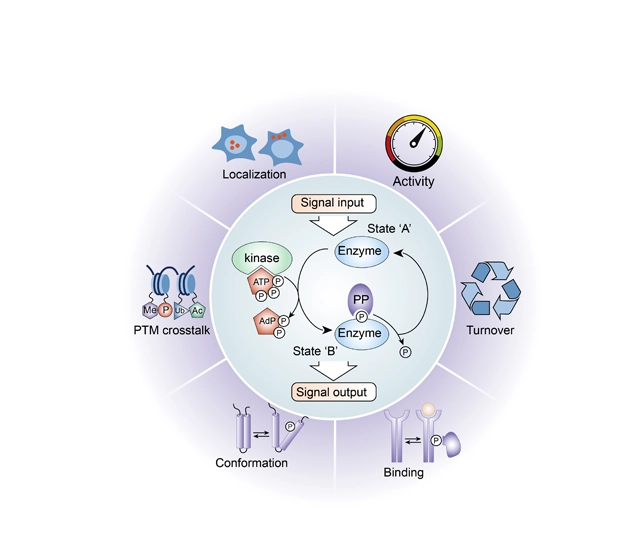
Vị trí điển hình của các nhóm phosphoryl
Phosphoral hóa có thể xảy ra trên Serine (S, trở thành), Threonine (T, thứ ba) và Tyrosine (Y, Tyr) chuỗi bên bằng cách hình thành liên kết phosphoester. CPC Scientific có thể tổng hợp phosphopeptide và kết hợp một hoặc nhiều tổ hợp phosphoserine (pS), photphothreonin (pT), hoặc phosphotyrosine (pY).
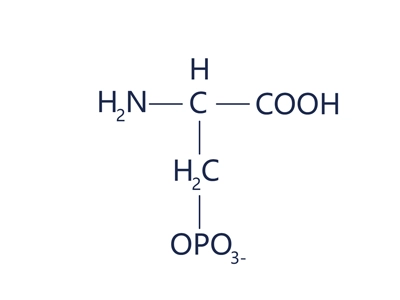
Phosphoserin
Phosphoserine là một chuỗi peptide hoặc peptide ngắn chứa serine được phosphoryl hóa (pSer), tức là, đoạn peptit trong đó nhóm hydroxyl (-Ồ) gốc serine bị biến đổi bởi nhóm photphat (-PO₄²-).
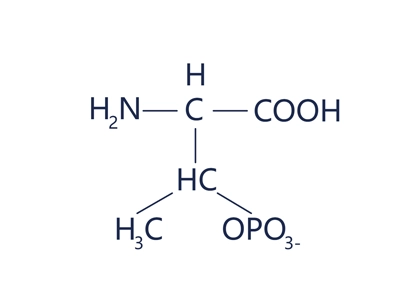
Phosphothreonin
Phosphothreonine là một chuỗi peptide hoặc polypeptide ngắn có chứa phosphothreonine (pThr), tức là. peptit trong đó nhóm hydroxyl (-Ồ) gốc threonine bị biến tính bởi nhóm photphat (-PO₄²-).
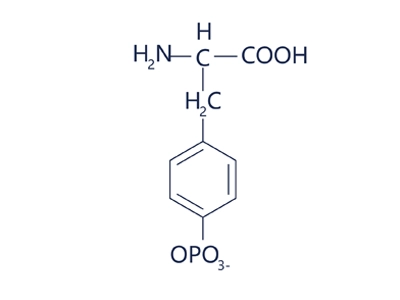
Phosphotyrosine
Phosphotyrosine là một chuỗi peptide hoặc polypeptide ngắn có chứa phosphotyrosine (pTyr), tức là. một peptit trong đó nhóm hydroxyl phenolic (-Ồ) của một tyrosine (Tyr) dư lượng được biến đổi bởi một nhóm phốt phát (-PO₄²-).
Trích dẫn nổi bật
Quá trình Phosphoryl hóa đầu C PRMT5 Điều chỉnh Công tắc tương tác 14-3-3/PDZ*
PRMT5 là enzyme chính chịu trách nhiệm lắng đọng dimethylarginine đối xứng trong tế bào động vật có vú. Trong nỗ lực tìm hiểu cách PRMT5 được điều chỉnh, chúng tôi đã xác định được vị trí phosphoryl hóa threonine trong mô típ đuôi C, được nhắm mục tiêu bởi Akt/huyết thanh- và kinase cảm ứng glucocorticoid. Trong khi nghiên cứu chức năng của sửa đổi hậu dịch mã này, chúng tôi tình cờ phát hiện ra rằng đuôi C miễn phí của nó liên kết các miền PDZ (khi không được phosphoryl hóa) Và 14-3-3 chất đạm (khi được phosphoryl hóa). Về bản chất, một sự kiện phosphoryl hóa trong một số phần cuối cùng của đuôi C tạo ra một “công tắc” tương tác PDZ/14-3-3 phụ thuộc vào sửa đổi hậu dịch mã. Cần có mô-đun đầu C của PRMT5 để liên kết màng plasma, và việc mất đi khả năng chuyển mạch này là không phù hợp với cuộc sống. Hiện tượng báo hiệu này gần đây đã được báo cáo đối với oncoprotein HPV E6 nhưng vẫn chưa được quan sát thấy đối với protein của động vật có vú.. Để nghiên cứu mức độ phổ biến của chuyển mạch PDZ/14-3-3 trong quá trình truyền tín hiệu, chúng tôi đã xây dựng một microarray miền protein chứa các miền PDZ và 14-3-3 chất đạm. Chúng tôi đã sử dụng microarray này để thẩm vấn đuôi C của một nhóm nhỏ protein ứng cử viên và xác định ERBB4, PGHS2, và IRK1 (cũng như E6 và PRMT5) phù hợp với chế độ báo hiệu này, gợi ý rằng việc chuyển đổi PDZ/14-3-3 có thể là một mô hình sinh học rộng lớn.
Dịch vụ biến đổi peptide liên quan
glycosyl hóa peptit
glycosyl hóa peptit
Quá trình glycosyl hóa peptide là một biến đổi cộng hóa trị có khả năng cải thiện các tính chất hóa lý của peptide
Đọc thêmPhosphoryl hóa peptit
Phosphoryl hóa peptit
Phosphoral hóa có thể xảy ra trên Serine (S, trở thành), Threonine (T, thứ ba) và Tyrosine (Y, Tyr) chuỗi bên bằng cách hình thành liên kết phosphoester
Đọc thêmPeptide cố định
Peptide cố định
Giới thiệu hai axit amin không tự nhiên có chứa α-methyl, Nhóm α-alkenyl trong quá trình tổng hợp pha rắn chuỗi peptide.
Đọc thêmPeptide tuần hoàn
Peptide tuần hoàn
Chu trình peptide tăng cường sự ổn định về hình dạng của peptide (so với các chất tương tự tuyến tính của chúng) và là một chiến lược phổ biến trong phát triển peptide.
Đọc thêmbiến đổi peptit
Có nhiều kinh nghiệm trong việc sửa đổi peptide, cung cấp nhiều con đường khả thi cho nghiên cứu peptide.
