Tiêu chí đánh giá peptide và kháng thể miền đơn
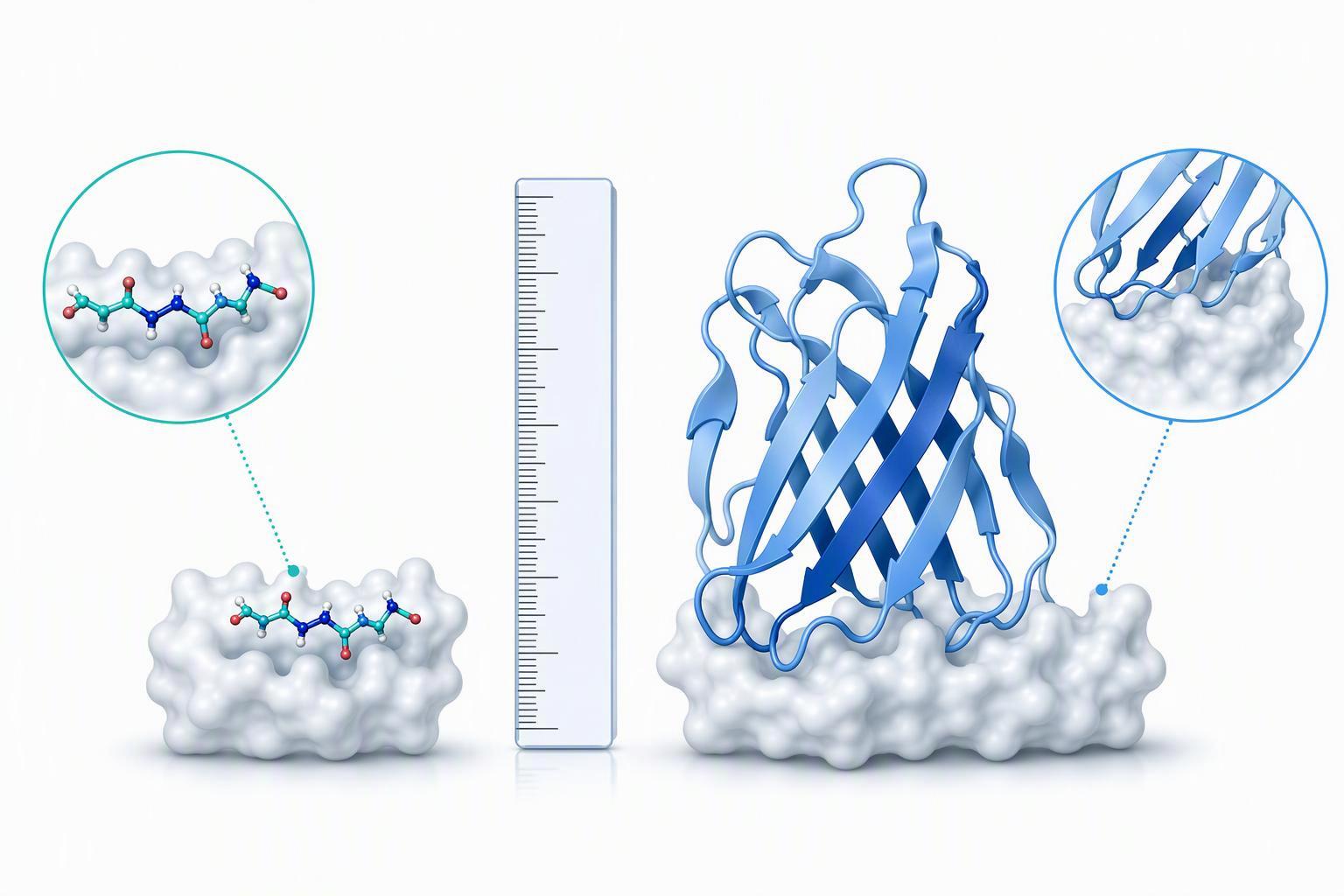
Bốn tiêu chí quyết định hầu hết các lựa chọn định dạng thuốc thử: kích thước phân tử và sự phù hợp với giao diện liên kết, tính linh hoạt hóa học và phạm vi sửa đổi, kiểm soát ghi nhãn và liên hợp, và tốc độ lặp lại thiết kế bao gồm cả độ tinh khiết khi mở rộng quy mô. Bảng dưới đây cho điểm cả hai định dạng đối với từng định dạng.
|
Tiêu chí |
Peptide tổng hợp |
Kháng thể miền đơn (VHH) |
|---|---|---|
|
Kích cỡ |
0.5–5 kDa |
12–15 kDa |
|
Phạm vi sửa đổi |
Rộng, pha tổng hợp |
Giới hạn ở các tay cầm chia động từ |
|
Dán nhãn tuyến đường |
Các vị trí được xác định thông qua hóa học trên nhựa |
Mặc định NHS/lysine ngẫu nhiên |
|
Chu kỳ lặp |
Ngày đến tuần |
5–16 tuần |
|
Liên hệ với chúng tôi Tài liệu về độ tinh khiết |
HPLC + MS mỗi lô |
Xét nghiệm ràng buộc trên mỗi lô |
|
Ứng dụng phù hợp nhất |
Bản đồ văn bia, thuốc thử xét nghiệm |
Các văn bia hình dạng, còn sống |
Chìa khóa mang đi: Chọn peptide khi bạn cần hóa học xác định và lặp lại nhanh; chọn các định dạng kháng thể miền đơn khi bạn cần một lượng lớn, giao diện ràng buộc hình dạng.

Kích thước phân tử và sự phù hợp với giao diện liên kết
Định dạng peptide chiến thắng khi giao diện liên kết nông hoặc đông đúc, và định dạng sdAb chiến thắng ở những nơi sâu, văn bia hình dạng cần một paratope gấp. Kích thước là biến quyết định, không ràng buộc sức mạnh trong trừu tượng.
Lớp chất kết dính miền đơn 12–15 kDa nằm dưới mức IgG thông thường, tuy nhiên nó vẫn lớn hơn một bậc độ lớn so với một peptide epitope tuyến tính điển hình (Hamers-Casterman và cộng sự., Thiên nhiên, 1993). Khoảng cách đó quan trọng ở ranh giới lọc: ngưỡng lọc cầu thận ~ 8nm loại trừ các miền gấp lớn hơn trong khi cho phép các peptide nhỏ hơn loại bỏ nhanh chóng, đó là lý do tại sao dữ liệu PK tiền lâm sàng hiển thị 4% liều trong tai/g tại 3 h đối với các đầu dò sdAb tinh khiết là không có gì đáng ngạc nhiên (Kháng thể miền đơn và hứa hẹn nhắm mục tiêu theo mô-đun, 2018). Đánh giá tương tự lưu ý rằng phản ứng tổng hợp miền liên kết với albumin tạo ra thời gian bán hủy tăng ~ 39 lần, vì vậy hình phạt kích thước có thể giải quyết được thay vì cố định.

Sắc thái chạy theo cả hai cách. Một peptide không thể tái tạo lại một epitope không liên tục phụ thuộc vào một giàn giáo gấp, và lập bản đồ epitope với peptide sẽ bỏ lỡ nó. Ngược lại, một chất kết dính lớn hơn có thể chặn một cách chắc chắn sự tiếp cận vào một rãnh nông mà một peptide ngắn tiếp cận mà không bị cản trở. Định dạng tuân theo hình học giao diện, không phải là quy tắc chung về chất lượng chất kết dính.
Phạm vi sửa đổi và linh hoạt hóa học
Peptide giành chiến thắng nhờ vào bề rộng của hóa học có thể áp dụng được. Bởi vì dây chuyền được tạo thành cặn bám trên nhựa, sự lipid hóa, chu kỳ, dập ghim, N-methyl hóa, sự phosphoryl hóa, glycosyl hóa, isoprenyl hóa, và các chất phi tự nhiên hoặc D đều có thể được đưa vào trong quá trình tổng hợp thay vì được gắn chặt sau đó, như bản tóm tắt của Bachem về các hóa chất biến đổi trên nhựa được trình bày. Đối với chương trình cần bộ xử lý hóa học xác định ở vị trí xác định, đó là toàn bộ mục đích của việc chọn peptit: tổng hợp peptide tùy chỉnh để phát triển xét nghiệm có thể cung cấp trực tiếp cấu trúc đã sửa đổi, và bộ công cụ tương tự hỗ trợ quá trình N-acetyl hóa, C-amid hóa, sửa đổi xương sống, Axit D-amino, nghịch đảo ngược, và các chiến lược tạo chu kỳ mà việc xem xét tính kháng protease bao gồm các nhóm chiến lược nghịch đảo ngược và tuần hoàn cùng nhau như là các lộ trình tiêu chuẩn đến một chất tương tự ổn định hơn.
Tổng hợp Polypeptide Kháng thể miền đơn giành chiến thắng khi sự biến đổi phải mang tính di truyền. VHH được thể hiện từ một cấu trúc, vì vậy bất kỳ thay đổi nào cũng là thay đổi về trình tự và hệ thống biểu thức, không phải thuốc thử được thêm vào ở băng ghế. Đó là một menu hẹp hơn, nhưng nó đúng khi sự biến đổi phải tồn tại bên trong hệ thống sống hoặc được kế thừa bởi mọi phân tử mà vật chủ tạo ra.
⚠️ Cảnh báo: Chiều rộng hóa học có ranh giới chiều dài. Tổng hợp pha rắn trở nên không thực tế trong quá khứ 30 ĐẾN 40 axit amin, mức tối đa thực tế về axit amin ~30–40 để tổng hợp pha rắn, Polypeptide tổng hợp ngoài ra cần tổng hợp và nối đoạn. Trình tự dài hoặc kỵ nước cũng thất bại thường xuyên hơn, do đó, menu sửa đổi của nhà cung cấp ít quan trọng hơn việc liệu trình tự đó có thể được thực hiện hay không.
Kiểm soát ghi nhãn và liên hợp

Kiểm soát việc ghi nhãn và liên hợp peptide phụ thuộc vào nơi bạn có thể đặt tải trọng. Tay cầm cysteine và maleimide được thiết kế, thẻ sắp xếp và transglutaminase, và dư lượng không tự nhiên mang azide, Nhóm alkyne hoặc tetrazine cho phép bạn gắn thuốc nhuộm, biotin hoặc chất tạo chelat ở dư lượng đã chọn thay vì ở bất kỳ lysine nào phản ứng đầu tiên (Sổ tay thăm dò phân tử Thermo Fisher). Ghi nhãn kháng thể mặc định dựa vào hóa học NHS-ester ngẫu nhiên chống lại lysine bề mặt, vì vậy số lượng và vị trí của nhãn khác nhau giữa các lô, có thể thực hiện được khi đọc số lượng lớn và khó xử khi xét nghiệm phụ thuộc vào vị trí nhãn xác định.
|
Hoá học |
Bộ đồ |
|
|---|---|---|
|
Amin ngẫu nhiên |
NHS-ester, pH 7,2–8,5, 0.5–4 giờ |
Ghi nhãn kháng thể số lượng lớn |
|
Sulfhydryl |
Maleimide trên thiol miễn phí |
Peptide được thiết kế bằng Cysteine |
|
Thẻ enzyme |
Sắp xếp, transglutaminase |
Được gắn thẻ peptide và protein |
|
Bấm vào tay cầm |
Azua, ankin, tetrazin |
Vị trí biotin hoặc HRP được xác định |
MOL Changes hỗ trợ điều này thông qua danh mục sửa đổi hơn 300 tùy chọn, bao gồm nhãn huỳnh quang, quá trình biotin hóa, PEG2–PEG48 và dư lượng phi tự nhiên, với CoA trên mỗi peptit tùy chỉnh mang sắc ký HPLC và phổ MS.
Để biết tiền boa: Chỉ định vị trí nhãn và trình liên kết theo thứ tự, không phải sau khi tổng hợp. Di chuyển dư lượng thuốc nhuộm muộn hơn thường có nghĩa là một mẻ mới. Chất lượng
Tốc độ lặp lại thiết kế và độ tinh khiết khi mở rộng quy mô
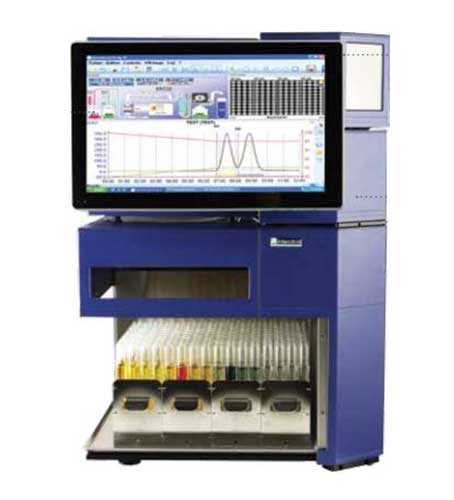
Peptide giành chiến thắng ở tốc độ lặp lại: thiết kế lại trình tự là một chu trình tổng hợp, không phải là một chu kỳ biểu hiện lại. Thuốc thử peptide tùy chỉnh thường được phân phối trong 3 ĐẾN 14 tuần, trong khi các mốc thời gian khám phá sdAb được quảng cáo bởi quá trình chạy CDMO khám phá 5 ĐẾN 6 vài tuần từ một thư viện ngây thơ, Về 9 tuần trên tuyến đường Beacon, Và 12 ĐẾN 16 vài tuần từ một thư viện được tiêm chủng. Khoảng cách là về mặt cấu trúc. Thư viện alpaca ngây thơ 2×10¹¹ được xây dựng từ 300 các nhà tài trợ vẫn phải được chỉ trích, sàng lọc và bày tỏ trước khi một ứng cử viên tồn tại, trong khi quét alanine hoặc quét vị trí của peptide được yêu cầu và kiểm tra lại trực tiếp.
Lợi thế đó thu hẹp ở quy mô. Tài khoản mở rộng quy mô của CDMO peptide về nơi hóa học miligam bắt đầu phá vỡ các lưu ý rằng việc giữ độ tinh khiết ≥95% ở thang đo kilogam phụ thuộc vào HPLC chuẩn bị nhiều bước và quá trình đông khô có kiểm soát, không chỉ ở bước tổng hợp. Giới hạn thực tế về axit amin ~30–40 để tổng hợp pha rắn là một hạn chế khác: chuỗi dài, các đoạn kỵ nước mạnh và nhiều disulfua phục hồi kém dưới dạng nguyên liệu thô, và thiết kế lại gian hàng ở đó.
Trong thực tế, thiết kế → tổng hợp → mô tả đặc điểm → vòng lặp kiểm tra lại bị chi phối bởi những gì bạn so sánh giữa các vòng: Dấu vết HPLC thô so với tinh khiết, khối lượng quan sát được so với lý thuyết, và dấu vết từ lô này đến lô khác của cùng một trình tự. Độ tinh khiết trôi qua quá trình chuyển đổi miligam sang kilôgam xuất hiện trong các dấu vết đó trước khi nó xuất hiện trong xét nghiệm.
Chìa khóa mang đi: Peptide nén thiết kế lại trong nhiều tuần, nhưng lợi thế về tốc độ là lợi thế ở quy mô nhỏ. Xác nhận độ tinh khiết ≥95% ở thang đo mục tiêu của bạn trước khi cho rằng trình tự tương tự sẽ hoạt động theo cách tương tự.
Ai nên chọn định dạng nào
Chọn định dạng peptide khi ứng dụng của bạn cần vị trí nhãn xác định, lặp lại trình tự nhanh chóng, hoặc một bản ghi epitope tuyến tính. Điều đó bao gồm việc lập bản đồ epitope với peptide, Xác thực PTM, xét nghiệm cạnh tranh, và bất kỳ chương trình nào mà quá trình tổng hợp peptide tùy chỉnh để phát triển xét nghiệm đều phải thực hiện trong một chu trình thiết kế. Chọn định dạng kháng thể miền đơn khi epitop đích có hình dạng hoặc bị chôn vùi, khi việc nhắm mục tiêu trong cơ thể sống cần một tấm paratope gấp lại, hoặc khi chương trình đã được cam kết phát hiện dạng kháng thể.
Cả hai định dạng đều không phù hợp khi không xác định được văn bia và xét nghiệm phải chạy trong môi trường khử: một sdAb được ổn định bằng disulfua sẽ mất paratope của nó, và một peptide tuyến tính không thể báo cáo bề mặt hình dạng.
Các kỳ vọng về tài liệu khác nhau tùy theo định dạng và có giá trị được chỉ định trước. Peptide không biến đổi rõ ràng trong vài phút, mà ADME xem xét thuộc tính nhiều hơn 550 protease giả định phân bố khắp cơ thể. Để thử nghiệm phát hành, Tôi quý 2(R2), khuôn khổ thẩm định các thủ tục phân tích, đã trở thành trận chung kết vào tháng 3 2024. Nguy cơ gây miễn dịch theo sau Hướng dẫn về khả năng sinh miễn dịch dựa trên rủi ro của FDA đối với protein điều trị (2014), đánh giá từng trường hợp. Xét nghiệm nội độc tố được điều chỉnh bởi USP <85>, xét nghiệm nội độc tố vi khuẩn bổ sung. Đây là những khuôn khổ về thuốc và con người, không yêu cầu thuốc thử nghiên cứu.
Câu hỏi thường gặp
Tôi có thể sử dụng peptide và kháng thể miền đơn cùng nhau trong một xét nghiệm không?
Đúng, và việc ghép đôi thường có chủ ý hơn là thỏa hiệp. Peptide là thuốc thử bắt giữ thực tế khi bạn có thể xác định một epitop tuyến tính, trong khi kháng thể miền đơn hoạt động như máy dò vì vị trí liên kết của nó nằm trên một miền nhỏ duy nhất. Thiết kế bánh sandwich, nơi một thuốc thử thu giữ và các báo cáo khác, và thiết kế xác nhận trực giao, trong đó hai chất kết dính không liên quan về mặt hóa học phải hòa hợp với nhau trước khi bạn gọi kết quả là dương tính, cả hai đều được hưởng lợi từ sự chia rẽ đó. Các định dạng bổ sung trong các bố cục này, không cạnh tranh.
Tôi có thể chuyển chương trình từ định dạng sdAb sang định dạng peptide không?
Chỉ khi epitope là tuyến tính. Một kháng thể miền đơn có thể nhận ra một epitop hình dạng, một hình dạng chỉ tồn tại trong protein gấp, và một peptide ngắn không thể tái tạo được hình dạng đó. Khi epitop tuyến tính, việc chuyển đổi là khả thi, nhưng ngân sách để xác nhận lại: xác nhận lại mối quan hệ ràng buộc, chạy lại tính đặc hiệu đối với các protein liên quan, và thiết lập lại điểm giới hạn của xét nghiệm. Hãy coi nó như một chất lượng thuốc thử mới, không phải là sự thay thế.
Định dạng nào mang lại tính nhất quán tốt hơn giữa các lô?
Không có định dạng nào chiến thắng hoàn toàn. Đánh giá tính nhất quán dựa trên các trường có thể kiểm tra trên chứng nhận phân tích: độ tinh khiết HPLC, khối lượng quan sát được so với khối lượng lý thuyết, dạng phản ion và dạng muối, và TFA còn lại nếu nó quan trọng đối với xét nghiệm của bạn. Đối với peptide tùy chỉnh, yêu cầu sắc ký đồ HPLC và phổ MS trên mỗi lô và so sánh chúng giữa các lô. Dành cho sdAbs, so sánh các đường cong ràng buộc giữa các lô. Thông số kỹ thuật bạn có thể kiểm tra là yếu tố quyết định tính nhất quán.
Các kháng thể miền đơn có còn giá trị sử dụng không?
Đúng. Định dạng đã xóa đánh giá theo quy định, rõ ràng nhất với 2019 phê duyệt caplacizumab, thuốc Nanobody đầu tiên, được FDA thông qua vào tháng 2 6, 2019 dành cho người lớn bị ban xuất huyết giảm tiểu cầu huyết khối mắc phải (Sanofi, 2019). Sự chấp thuận đó, cộng với một loạt các chương trình đang được phát triển kể từ 2025 đánh giá, giữ định dạng phù hợp cho các mục tiêu có số lượng nhỏ, chất kết dính tên miền đơn là sự lựa chọn thiết thực.
Phần kết luận
Bốn tiêu chí chỉ ra cùng một cách cho hầu hết các quyết định phát triển xét nghiệm. Chọn một peptit khi vị trí liên kết tuyến tính và đã biết, khi bạn cần dán nhãn hóa chất, bạn có thể kiểm soát, và khi bạn mong đợi lặp lại trình tự nhiều lần. Chọn kháng thể miền đơn khi mục tiêu có cấu hình, khi văn bia chưa được biết, hoặc khi xét nghiệm phải nhận ra bề mặt protein gấp nếp. Trường hợp một chương trình cần cả một văn bia xác định và một chất kết dính ngữ cảnh gấp, chạy hai định dạng cạnh nhau là một thiết kế hợp pháp, không phải là một sự thỏa hiệp.
Cả hai định dạng đều nằm trong ranh giới sử dụng nghiên cứu. Ở đây cũng không phải là ứng cử viên trị liệu, và không thay thế cho việc xác thực chức năng trong xét nghiệm mà bạn thực sự định chạy.
Để tiến về phía trước, so sánh các thông số kỹ thuật với điều kiện xét nghiệm của riêng bạn hoặc yêu cầu gói dữ liệu liên hợp và ghi nhãn bao gồm các sửa đổi, tài liệu HPLC và MS, và mức độ tinh khiết bạn cần.
Tiết lộ thương mại: MOL Changes có lợi ích thương mại đối với các tiêu chuẩn chất lượng peptide và cung cấp phương pháp tổng hợp peptide tùy chỉnh, bao gồm các dịch vụ ghi nhãn và chia động từ.