Что за июль 2026 Голосование изменилось и не изменилось
В июле 23-24, 2026, Консультативный комитет по фармацевтическим рецептурам рассмотрел семь неутвержденных пептидов и рекомендовал шесть из них для включения в основной список 503A. (Макдермотт Уилл & Эмери, 2026-07-28). БПК-157, КПВ, и ТБ-500 очищены каждый 8-6 при одном воздержавшемся; ТО-с пройдено 7-5; Семакс прошел 8-5; Эпиталон прошел 7-4; Эмидельтайд (ДСИП) неуспешный 6-7. РАПС записал подсчет Эпиталона как 7-5, так что относитесь к этой единственной фигуре как к неурегулированной.
⚠️ Внимание: Рекомендация носит исключительно рекомендательный характер. Как Минц примечания, совещательное голосование не является действием агентства, и любой листинг по-прежнему требует принятия правил с уведомлением и комментариями.. Юридически пока ничего не изменилось, и в списке появляется вопрос о статусе сложных процентов, не показатель безопасности.
То, что уже применяется, остается неизменным: по разделу 503А, для нерасфасованного лекарственного вещества требуется действующий сертификат анализа, и оно должно происходить из предприятия, зарегистрированного FDA в соответствии с разделом 510 (FDA, 2026-05-14). FDA также описывает список 503A как постоянно обновляемый в соответствии с временной политикой с тремя категориями.. Вот почему приведенный ниже контрольный список документации по пептидам сосредоточен на записях, которые вы контролируете сегодня..
Как использовать этот контрольный список документации по пептидам
Этот контрольный список охватывает шесть областей: личность, чистота, аналитические методы, профили примесей, поиск, и предполагаемое использование. Они разбиты на четыре этапа работы.: предсинтез, в процессе, выпускать, и передача. Каждый пункт сформулирован как бинарное суждение., чтобы вы могли ответить да или нет и двигаться дальше.
|
Зона покрытия |
Предварительный синтез |
В процессе |
Выпускать |
Сдавать |
|---|---|---|---|---|
|
Личность |
Последовательность и цель подтверждены |
Записи строительных блоков |
Подтверждение личности |
Запись последовательности передана |
|
Чистота |
Набор спецификаций |
Записаны текущие проверки |
Заявленный результат чистоты |
Указан метод чистоты |
|
Аналитические методы |
Метод выбран |
Метод работает как написано |
Сводка проверки прилагается |
Файл метода предоставлен |
|
Профили примесей |
Перечислены известные примеси |
Профиль контролируется |
Профиль сообщил |
Данные профиля включены |
|
Поиск |
Поставщик и партия зарегистрированы |
Услуги Цепочка поставок сохранена |
Источник т Магазин гоночный |
Происхождение документировано |
|
Использование по назначению |
Определен вариант использования |
Область применения без изменений |
Используйте совпадения операторов |
Сообщены лимиты использования |
Применяются два ограничения объема. Это руководство по документации, не юридические или нормативные консультации; проконсультируйтесь с квалифицированным консультантом по регулирующим органам, прежде чем принимать решения о соблюдении требований. А статус списка и статус безопасности - это отдельные вопросы: появление в списке или исключение из него само по себе не определяет, безопасен ли пептид.
Пройдите этапы по порядку, затем используйте сводную таблицу в конце, чтобы убедиться, что ничего не пропущено. В следующих разделах определяется, что считается адекватной документацией по индивидуальному синтезу пептидов для каждого элемента..
Фаза 1 - Предварительный синтез и поиск записей

Записи, создание которых дешевле всего, впоследствии труднее всего восстановить.. Запись номера партии в журнал приема при поступлении занимает секунды.; восстановление того же номера лота восемнадцать месяцев спустя, когда партнер спрашивает, какие стандартные блоки вошли в партию, может занять несколько дней и может закончиться ответом, который никто не сможет защитить.
К этому этапу относятся четыре пункта, и каждый представляет собой двоичную проверку:
-
Регистрируются номера партий аминокислот и партий смол., с сертификатом подлинности поставщика в файле для каждого. Прослеживаемость должна сохраняться на уровне партии., не уровень каталога. Квалификационный пакет поставщика должен содержать Сертификат подлинности для конкретной партии, в котором фиксируются результаты испытаний., характеристики и результаты для этой партии, плюс возможность отслеживания партии и SKU до документированного маршрута синтеза (заметки о лиохимической лаборатории, 2026-06-01). Собственный план требований раздела 503A FDA указывает на то же направление., ожидая действующего сертификата подлинности и производства, зарегистрированного в 510 (FDA, 2026-05-14).
-
Эталонный стандартный идентификатор, номер партии и срок годности документированы.
-
Письменное заявление о предполагаемом использовании отличает исследовательское использование от составления рецептуры..
-
Цепочка поставок от получения до хранения документирована..
Дата истечения срока действия эталонного стандарта — это элемент, который группы чаще всего хранят не в том месте.. Он принадлежит к пакетной записи, не в лабораторной тетради, потому что пакетная запись — это то, что на самом деле читает рецензент или партнер.. Если срок действия стандарта истек до запуска, идентификационные данные, сгенерированные против него, содержат оговорку, которая должна быть указана в записи на лицевой стороне, и запись в блокноте через три полки не всплывет.
Фаза 2 — Документы, удостоверяющие личность
Личность – отдельный вопрос от чистоты, и 98% цифра чистоты не отвечает на этот вопрос. Тест на чистоту подтверждает, какая часть материала элюируется в виде основного пика.; это не подтверждает, что основной пик соответствует заказанному вами пептиду. Как Peptra Labs объясняет в своем руководстве по сертификату анализа, Тестирование на чистоту не является подтверждением идентичности, «если для этой партии не существует анализа идентичности» (2026-05-22). В этой условной формулировке и есть вся суть: идентичность должна быть продемонстрирована методом, который сможет отличить вашу последовательность от ближайшего соседа..
Три метода несут эту специфику. Масс-спектрометрия устанавливает молекулярную массу, с допуском на ионизацию электрораспылением ± 1 Да ниже 5,000 Да и ±2 Да над ним, и MALDI-TOF с выдержкой ±0,5 Да на более коротких пептидах. (Лиос Лабс, 2026-04-08). Аминокислотный анализ показывает состав после гидролиза, и пептидное картирование определяет местонахождение самой последовательности. Каждый выпускает свою пластинку: отчет о спектре или составе, ожидаемое и наблюдаемое значение, прибор и параметры сбора данных, и аналитик и дата.
В области проверки, чтение ICH Q2(Р2) что Peptide Staff применяется к пептидным методам заключается в том, что методы идентификации не требуют полной проверки по каждой характеристике., но им нужно продемонстрировать конкретность (2026-09-11). Прочтите это как инструкцию по документации, а не как отдых.: файл все еще должен доказать, что метод различает, что означает обоснование специфики, представительный спектр, и заявленное окно приемки. Именно здесь ожидания валидации пептидного аналитического метода наиболее резко различаются между идентичностью и анализом., и где тонкий файл легче всего обнаружить.
Фаза 3 — Документация о чистоте и что означает это число
Показатель чистоты CoA представляет собой показатель площади в процентах., и он систематически зашкаливает. В протоколе должно быть указано, что было измерено и как., или число наводит на ложное заключение о содержании.
Различие не академическое.. В одном из приведенных примеров метрологии, заявленное производителем содержание 983.72 мг/г насыщения по сравнению с определением массового баланса 896.36 ± 0.68 мг/г, разрыв порядка семидесяти с лишним миллиграммов на грамм (линейный, 2026-05-01). Считайте это иллюстрацией одного восходящего потока., не общее правило.
Вода и противоионы объясняют большую часть разницы. Лиофилизированные пептиды гигроскопичны., и отсутствие поправки на воду может привести к искажению результатов на несколько процентов.; Карл Фишер сообщает, что вода % w/w и обеспечивает расчет нетто-содержания и поправки на соль (ясновидение, 2026-07-15). Противоионы, такие как трифторацетат, ацетат и хлорид вносят вклад в массу шихты, но не обнаруживаются при 214 нм (пептидный след, 2026-05-23).
Таким образом, в записи должны быть указаны правила отчетности.: как есть, безводный, или без соли. The 95%, 98% и 99%+ полосы — это маркетинговые соглашения, а не проверенные спецификации.; а 95% спецификация может содержать до 5% по массе родственных веществ, побочные продукты синтеза, остаточные защитные группы или противоионы (пептидный след, 2026-05-23).
Ключевой вывод: Показатель площади в процентах отвечает на вопрос, какая часть материала, поглощающего УФ-излучение, является основным пиком., а не «сколько пептида во флаконе».
Фаза 4 — Записи аналитических методов
Метод можно реконструировать только в том случае, если файл называет столбец, подвижная фаза, градиент, длина волны обнаружения и правила интегрирования. Все остальное — конспект, который принимающей лаборатории приходится перестраивать с нуля..
Традиционная практика пептидов записывает определенный набор параметров.. По умолчанию химический состав колонки соответствует C18 для пептидов короткой и средней длины., с C8 для сверхсохраненных гидрофобных последовательностей и 300 О, для более длинных цепочек. Размеры обычно 4.6 × 150 мм для работы с УФ-чистотой и 2.1 × 100 мм для ЖХ-МС, с размером пор 100-130 Å и размеры частиц 3.5 или 2.7 мкм, опускаясь до 1.7-1.8 мкм для ЖХ-МС (Параметры метода обращенно-фазовой ВЭЖХ для пептидов, 2026-09-15). Подвижные фазы проходят 0.1% ТФА (грубо 13 мм) в воде и ацетонитриле, переключение на 0.1% муравьиная кислота для ЖХ-МС. Градиенты разведывают 5-65% Б окончен 60 минут в 1.0 мл/мин, или сосредоточился на 0.25-0.5% ч/мин, с 90-95% B промывка не менее 5 минут и восстановление равновесия около 10 объемы колонн. Измеренный объем задержки относится к методу, и обнаружение находится на 214 нм для пептидной связи.
Статус метода — это отдельная запись от содержимого метода.. Валидированный метод официально продемонстрировал пригодность для своей предполагаемой цели по соответствующим эксплуатационным характеристикам., тогда как квалифицированный метод представляет собой ограниченную демонстрацию пригодности для более узкого, определенная цель без полных доказательств проверки (Руководство по валидации аналитического метода пептидов, 2026-09-11). Какие характеристики применяются, зависит от цели метода.. В соответствии с принятым я Q2(Р2) ориентир, эффективный 14 Июнь 2024, к названным характеристикам относится точность, точность, специфика, предел обнаружения, предел количественного определения, линейность и диапазон. В пептидной практике, методы анализа несут в себе полный набор, с диапазоном 80-120% цели, восстановление 98-102%, RSD на уровне или ниже 2% и r² не менее 0.999. Вместо этого методы определения примесей опираются на специфичность и чувствительность.: диапазон от порога отчетности до 120% предела спецификации, предел обнаружения значительно ниже порога сообщения, предел количественного определения равен ему или ниже него, и вынужденная деградация для установления специфики. Относитесь к этим цифрам как к конвенции по пептидам, а не как к требованиям ICH..
|
Статус метода |
Синтез пептидов Что это демонстрирует |
Необходимая документация |
|---|---|---|
|
проверено |
Пригодность по назначению по соответствующим эксплуатационным характеристикам |
Полный протокол проверки, заранее определенные критерии приемки, необработанные данные, и отчет о проверке, охватывающий каждую присвоенную характеристику |
|
Квалифицированный |
Ограниченная пригодность для более узкого, определенная цель |
Заявление о содержании с указанием определенной цели, характеристики фактически проверены, результаты, и явное указание на то, что не было оценено |
Критерии пригодности системы и настройки интеграции являются самостоятельными записями., не настройки, спрятанные в программном обеспечении. Запишите резолюцию, хвостовой фактор, повторяемость времени удерживания и пороговые значения отношения сигнал/шум, которым должен соответствовать прогон, прежде чем его результат будет засчитан., и записать Синтетические пептиды правила интеграции (базовый режим, сглаживание, минимальный порог площади, ручное вмешательство и кто его санкционировал). Показатель чистоты, полученный в соответствии с неустановленными правилами интеграции, не может быть защищен., и метод, который невозможно реконструировать, нельзя перенести в более крупный масштаб.
Фаза 5 — Документация по профилю примесей
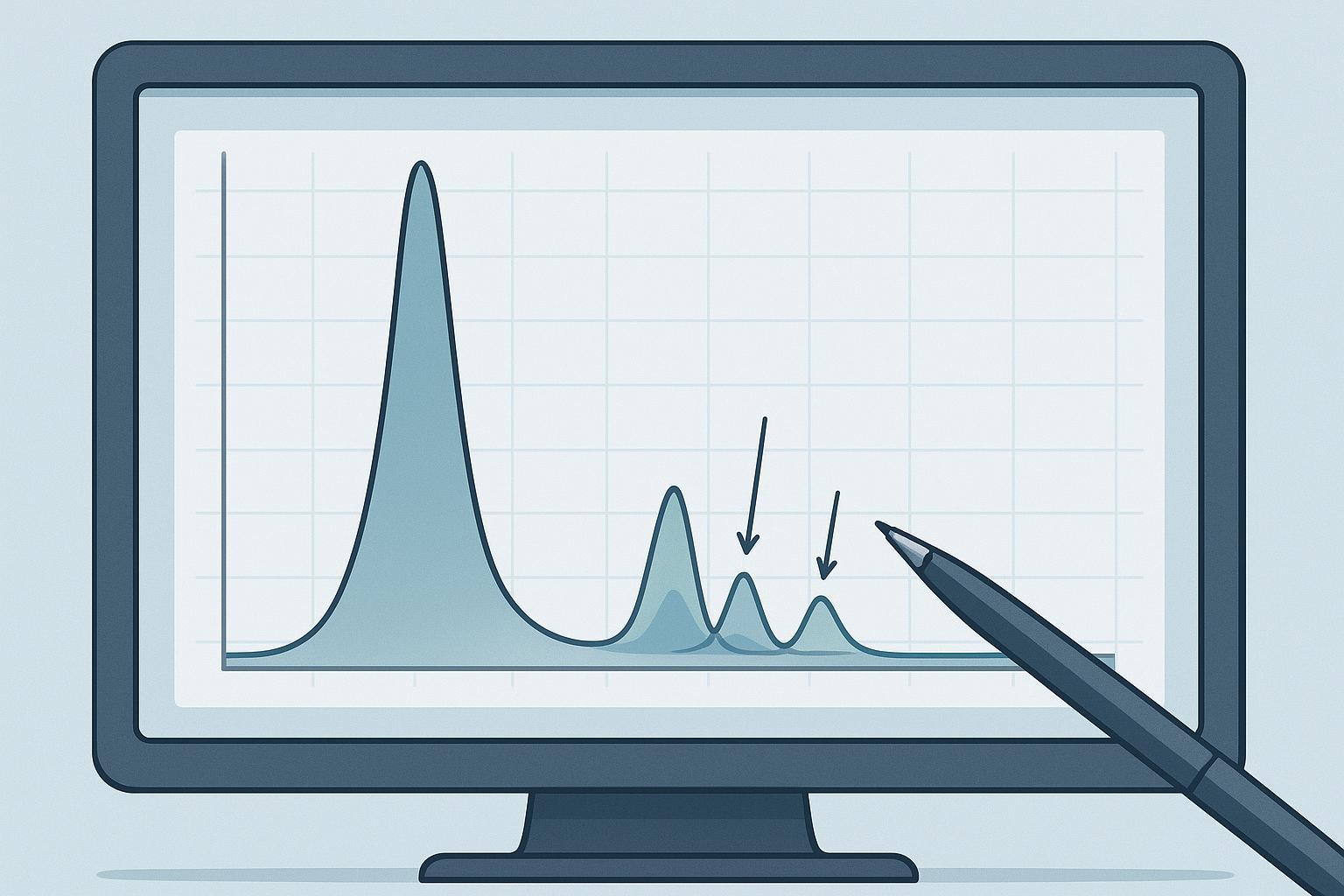
Защищенная запись о примесях содержит список классов, которые вы искали, и метод, который мог бы найти каждый из них.. Последовательности делеции проявляются как дефицит массы отсутствующего остатка.; усеченные цепи имеют меньшую массу; окисленный метионин выглядит как +16 Со спутника; дезамидированные Asn или Gln сдвигаются на +1 Да с измененной ретенцией; рацемизация меняет активность без изменения массы; Аддукты ТЖК проявляются непосредственно на хроматограмме. (лиослабы, 2026-04-08). Потому что эти виды могут быть близки как по массе, так и по удерживанию., одна хроматограмма не разделит их всех, именно поэтому в документации по чистоте и примесям пептидов используются ортогональные методы, а не один анализ..
Пороговые значения для отчетности, идентификационный и квалификационный след по ICH Q3B(Р2), который устанавливает идентификацию обычно на 0.10% или 1.0 мг в день приема, в зависимости от того, что ниже. Эта основа не применима к материалам исследовательского уровня в том же формальном смысле., поэтому укажите, какой пороговый базис использует ваша запись.
Фаза 6 — Отчеты о выпуске и передаче
Соберите передачу в пакет, не как папка с файлами. Пакет — это артефакт, который на самом деле читает партнер., а отсутствующий элемент блокирует программу, даже если основная работа была надежной. Начните с требований к сертификату анализа пептидов.: название продукта должно совпадать с этикеткой флакона, партия или партия должны соответствовать как флакону, так и документам заказа., и в отчете должна быть указана дата испытания, аналитический метод, результат чистоты конкретной партии, испытательная лаборатория, и URL-адрес общедоступного отчета, контролируемый лабораторией, а не только страница, размещенная у поставщика. (Пептра Лабс, 2026-05-22). Производство пептидов
Свяжите каждое сообщаемое значение с исходными данными, стоящими за ним., и сохраняйте версию и журнал утверждений вместе с набором записей.. Записи должны быть атрибутивными, разборчивый, современный, оригинально и точно, и набор должен позволять рецензенту реконструировать партию, не обращаясь в лабораторию..
Для чаевых: Если рецензенту нужно написать вам по электронной почте, чтобы понять номер, пакет неполный. О
Пакеты документации такого рода являются рабочим процессом Изменения МОЛ поддерживает.
Контрольный список сводной документации по пептидам
Этот контрольный список документации по пептидам объединяет шесть областей покрытия на одну страницу для печати.. Каждая строка представляет собой бинарное суждение: либо запись существует в файле лота, либо ее нет. Передайте это команде до начала следующей кампании., и относитесь к любому «нет» как к открытому вопросу, а не как к формальности..
|
Фаза |
Пункт контрольного списка |
Запись, которая удовлетворяет этому |
Да / Нет |
|---|---|---|---|
|
1. Предварительный синтез и источники |
Это смола, каждая аминокислота, и каждая партия реагента идентифицируется поставщиком и номером партии.? |
Журнал поставок с сертификатами поставщика |
|
|
1. Предварительный синтез и источники |
Предполагаемая последовательность, включая любые неприродные или модифицированные остатки, записано до начала синтеза? |
Утвержденный лист целевой последовательности |
|
|
1. Предварительный синтез и источники |
Указана ли заранее форма противоиона и соли?? |
Спецификация |
|
|
2. Личность |
Подтвержден ли пептид масс-спектрометрией по сравнению с теоретической массой?? |
Масс-спектр с расчетной и наблюдаемой массой |
|
|
2. Личность |
Подтверждена ли первичная последовательность независимо только от массы?? |
Данные секвенирования или фрагментации MS/MS |
|
|
2. Личность |
Записаны ли хроматографические маркеры идентичности?? |
Данные об удерживании аналитической ВЭЖХ |
|
|
3. Чистота |
Указан ли показатель чистоты в соответствии с его методом?, столбец, и длина волны обнаружения? |
Хроматограмма ВЭЖХ и справочник методов |
|
|
3. Чистота |
Выражается ли чистота на определенной основе?, с содержанием противоиона и воды, указанным отдельно? |
Лист расчета чистоты |
|
|
3. Чистота |
Задокументирован ли метод интегрирования и правила исключения пиков?? |
Отчет об интеграции |
|
|
4. Записи аналитического метода |
Достаточно ли хорошо описан метод, чтобы его могла воспроизвести другая лаборатория?? |
Файл метода со столбцом, подвижная фаза, градиент, поток, и обнаружение |
|
|
4. Записи аналитического метода |
Сохранены ли данные валидации или верификации метода для использования по назначению?? |
Отчет о валидации или проверке |
|
|
4. Записи аналитического метода |
Определены ли критерии пригодности системы и соблюдены ли они в день анализа?? |
Запись о пригодности системы |
|
|
5. Профиль примесей |
Сообщается ли о родственных веществах индивидуально, а не как одно объединенное число?? |
Таблица примесей с указанием времени удерживания и относительных количеств |
|
|
5. Профиль примесей |
Указаны, неопределенный, и указанные пределы общего содержания примесей? |
Спецификация с пороговыми значениями примесей |
|
|
5. Профиль примесей |
Являются остаточными растворителями, содержание противоиона, и вода адресована? |
Данные об остаточном растворителе и содержании |
|
|
6. Выпуск и передача |
Точно ли сертификат анализа соответствует значениям записи партии?? |
CoA перепроверяется с необработанными данными |
|
|
6. Выпуск и передача |
Подтверждена ли дата стабильности или повторного тестирования данными, а не предполагаемой?? |
Сводные данные о стабильности или обоснование повторных испытаний |
|
|
6. Выпуск и передача |
Можно ли передать полный пакет данных партнеру или регулирующему органу без дальнейших объяснений?? |
Полный указатель файла лота |
Две привычки делают эту страницу полезной. Первый, просмотрите его в момент создания каждой записи, не в релизе, потому что восстановление правила интеграции или результата пригодности системы спустя несколько месяцев — это то место, где появляется большинство пробелов.. Второй, хранить необработанные данные в каждой строке, поскольку сводная таблица без лежащей в основе хроматограммы или спектра не выдерживает проверки.
Ключевой вывод: Пакет документации настолько силен, насколько силен его самый слабый ряд.. Если на какой-либо пункт выше невозможно ответить конкретной записью, это тот элемент, который нужно исправить, прежде чем будет выпущена следующая партия.
Общие вопросы о документации по пептидам
Как долго следует хранить документацию по пептидам?
Храните записи до тех пор, пока материал может использоваться или на него можно ссылаться., затем добавьте определенный запас поверх этого. Потому что многое может быть проведено, повторно протестирован, или отправлены спустя годы после выпуска, период хранения должен быть установлен по самому продолжительному периоду возможного использования., не к дате релиза. Если партия связана с заявлением о стерильности или наличии эндотоксинов, часы хранения соответствуют самому продолжительному применимому требованию, поскольку эти записи, скорее всего, будут запрошены позже.
Что делать, если в сертификате анализа поставщика не указаны подробности метода??
Прежде чем принять партию, запросите у поставщика недостающую информацию в письменном виде., и запишите запрос и ответ. Сертификат, в котором указан показатель чистоты без указания метода., столбец, или длина волны обнаружения не может быть независимо интерпретирована, поэтому пробел является дефектом документации, а не предпочтениями форматирования.. Если поставщик не будет поставлять его, считайте партию непроверенной по этому атрибуту и укажите это в своих собственных записях..
Является ли квалифицированный метод приемлемым для данной цели??
Да, при условии, что квалификация документально подтверждена в отношении предполагаемого использования и указаны пределы. Квалифицированный метод считается приемлемым, если его пригодность для конкретной цели была продемонстрирована и зарегистрирована.; он не приемлем в качестве замены проверенного метода, если цель требует подтвержденной эффективности.. Решающий вопрос заключается в том, какой результат будет использован для поддержки, не то, как метод был помечен.
Что делать, если многое не соответствует требованиям системы?
Не выпускайте лот, и не выполнять повторную интеграцию или повторный запуск до тех пор, пока сбой не будет расследован и не выявлена причина.. Несоответствие системы является сигналом как о методе или приборе, так и об образце., поэтому расследование должно установить, какой результат перед повторной инъекцией считается действительным.. Задокументируйте неудачу, расследование, и резолюция вместе, потому что неудачный запуск является частью записи лота.
Ключевой вывод: Каждый ответ выше стоит отдельно, чтобы вы могли поднять тот, который вам нужен, в запрос поставщика, СОП-записка, или обзорное совещание, не теряя контекста.
Следующие шаги
Результаты регулирования не в вашей власти контролировать; установленный рекорд. Начните завтра с самой слабой фазы в ваших текущих файлах., обычно Фаза 4, и работать вперед. Контрольный список документации по пептидам помогает только в том случае, если кто-то может передать файл рецензенту, которого не было в комнате..
Если вам нужен рабочий пример, MOL Changes поддерживает команды с помощью образца пакета документации, охватывающего файлы методов., таблицы примесей и записи выбросов на уровне партии, который можно использовать для сравнения вашего собственного шаблона перед следующим циклом аудита..
Эта статья представляет собой руководство по документации., не юридические или нормативные консультации. Прежде чем принимать решения о соблюдении требований, проконсультируйтесь с квалифицированным консультантом по регулирующим органам.. Проверено командой технической документации MOL Changes.. MOL Changes предоставляет индивидуальные услуги по синтезу пептидов и аналитические услуги.; эта статья носит образовательный характер и не является рекомендацией по продукту..