传统观点: 建立更多实验室, 更快地获得科学知识
多肽合成 主流立场很简单: 继续增加费城实验室空间和肽R&D 时间线会自行压缩. 所引用的证据是规模不寻常的扩建. 在海军造船厂, 1201 诺曼底, Ensemble Real Estate Investments 和 Mosaic Development Partners 建造的 137,000 平方英尺 LEED 金牌实验室大楼, 2023年中开业, 该合资企业的目标是交付超过 3 该地区拥有百万平方英尺的实验室空间, 根据 选择大费城 2025 项目分类账. 相同的账本轨迹 2300 市场, Breakthrough Properties 的 223,000 平方英尺大学城设施, 仍在建设中, 和 3151 市场, Brandywine Realty Trust 和德雷克塞尔大学共同打造的 472,000 平方英尺的 Schuylkill Yards 塔楼将于 2025. Colliers 的 Ultra 实验室补充道 185,279 专为 BSL-2 设计的平方英尺,最多可容纳三层 cGMP 楼层, 而 Cira 中心的即插即用 B+ 实验室设施也做出了贡献 50,000 靠近 30 街站的平方英尺.
这种信念很受欢迎,因为它易于衡量且易于宣布. 在五月 2023, 商会公布的管道空间统计 放多于 7 大费城地区拟建或正在进行的百万平方英尺新实验室空间, 超过 2 百万平方英尺的新R&D 和 cGMP 空间预期 2025 独自在大学城. 那个取景, 在经济发展通讯和经纪市场报告中重复出现, 将平方英尺视为速度的代表. 被命名的 2025 项目管道真实且大量, 和 J&J Innovation 宣布在费城设立 JLABS 为新兴公司提供进入大型制药公司孵化网络的正式切入点. 这些都没有争议. 密度论证的假设是什么, 没有证明它, 接近更多容量与从序列到验证数据的更短路径是同一回事.
为什么 R 肽的密度争论不成立&D 费城合作
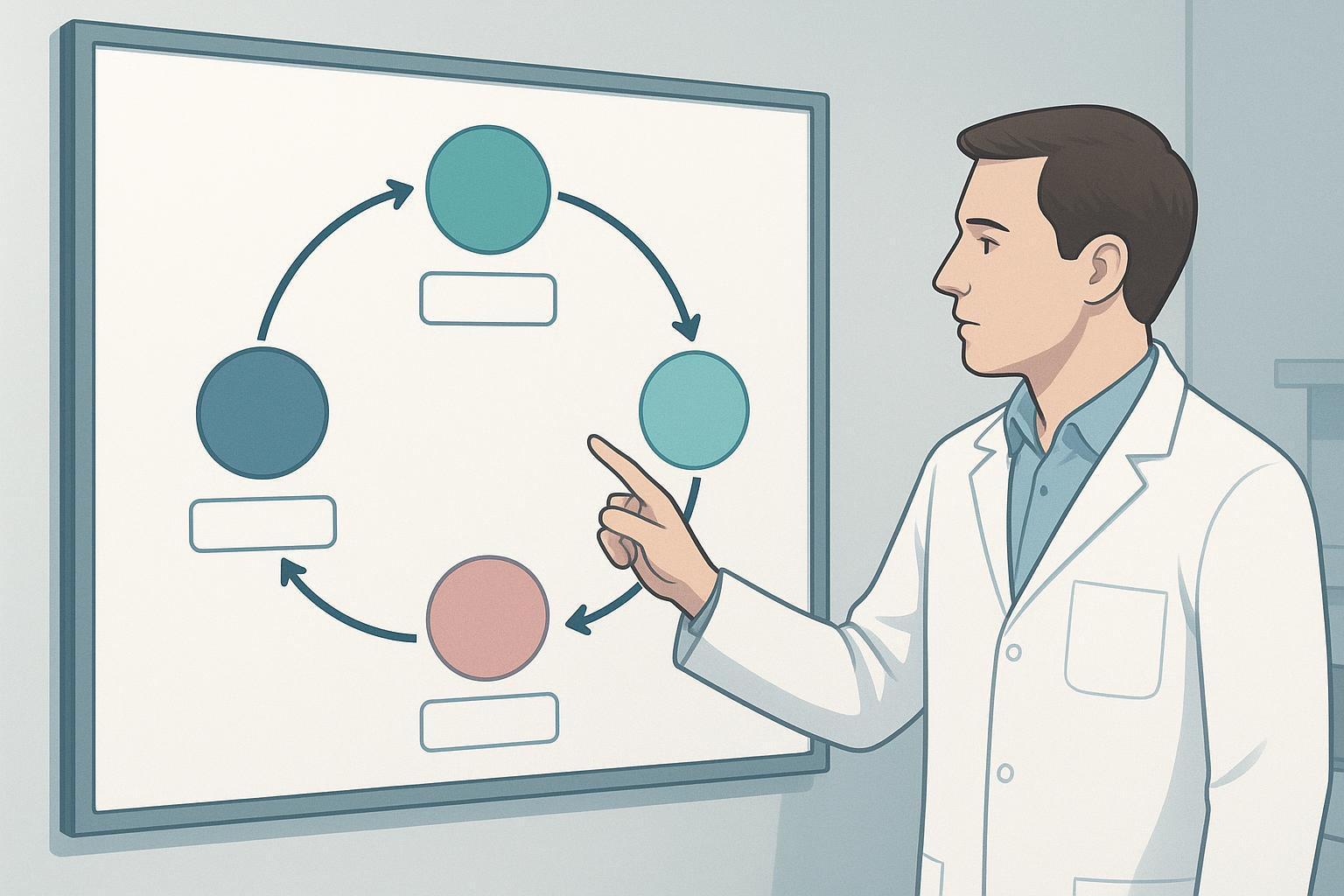
密度缩短了通勤时间, 不循环. 肽R&费城的 D 合作靠交接进行, 并且共置不会删除其中任何一个.

第一个问题是膨胀数字和空缺数字来自不同的上游宇宙. 高力公司 2024 市场阅读, 一月出版 2025, 将费城市生命科学职位空缺置于 33.8%, 大约 150 万平方英尺空置, 反对 8.8% 区域范围内. 该行业录得负吸收 2024 疫情爆发以来首次, 空置率超过新租约 14 万平方英尺, 和 合成肽 进入市场的新建空间从去年的 100 万平方英尺下降至 20 万平方英尺. 世邦魏理仕大学城空置率, 六月报道 2026, 将该子市场放在 39.1%, 并追踪了区域范围内的施工管道,其峰值在第四季度接近 250 万平方英尺 2022 此后一直落后于约 500K SF. 容量和占用率不是同一个衡量标准, 因此,将它们混入“费城生物技术扩张强劲”的说法中是站不住脚的.
第二个问题是资金方向存在争议. PACT 和 PitchBook 2023 费城风险报告 总计 $2.4B 403 优惠, 与部门层面 2023 生物技术和制药领域交易总额达 8.452 亿美元 38 优惠. 第一太平戴维斯对生命科学回调的分析, 《费城问询报》二月份报道 2024, 将 8.094 亿美元的生命科学风险投资投入到 2023, 从 $1.2B 下降 2022 和 $2.1B 在 2021. 两图尺寸接近,但范围不同, 并且报告没有对它们的部门边界进行相同的定义. 诚实的解读是,行进方向取决于你采用哪种定义, 增长并没有解决.
第三个问题是缺乏证据. 本研究包中没有研究量化共置作为缩短肽循环时间的原因. 存在的是供应商营销和外包评论, 这与测量的循环时间不同. 当 30 聚体在树脂上失败并且序列必须返回以重新合成时, 过去的几周来自队列和文书工作, 不是从大学城两座建筑之间的车道出发.
该地区产能建设速度快于接口建设速度,从而将产能转化为周期时间缩短.
数据实际显示了有关循环时间的内容
区域数字描述了容量, 不是速度. 只有三个接口标准化后,容量才能转化为更短的环路, 和 2025-2026 空缺数据是一个平衡因素,表明仅靠扩建并不能拉动需求.
相同 2023-2025 每个区域报告的头条新闻都是有记录的产能扩张. 它没有做的是改变单个序列内的算术. 根据 耦合效率算法 由 PepSpace 出版, 甚至 99.5% 每个周期的耦合效率仅产生 60% 的目标在 100 周期, 和 50-60 残基实际限制将更长的链推入片段连接. 供应商发布的规划时间表 莱凯姆 将常规定制合成放在 3-6 几周和困难或修改的序列 6-12 周, 目录库存上限为 1-5 每次填充克数. 这些间隔都没有因为附近新大楼开业而缩短.
三个说明性场景, 仅作为研究示例而非第一手结果提供, 显示循环实际停止的位置. 疏水性, 易于聚集的 30 聚体在树脂上失败, 并且重新合成周期从序列审查重新开始. 学术实验室和供应商之间的方法转移因 HPLC 梯度不匹配而陷入停滞, 因此得出分析结果,但无法与之前的数据进行比较. 第一批 CoA 审查在批次发布后提出了抗衡离子交换问题, 它将化学问题转化为重新发布周期.
替代框架是三接口模型: 序列切换包, 肽工艺开发与合成并行进行,而不是在合成之后进行, 和第一批之前商定的分析验收标准. 肽的快速分析反馈取决于第三个接口, 不在于距离近. 成本压力使这成为一个预算问题, 不仅仅是一个日程安排: 世邦魏理仕第二季度 2026 费城数字 将生命科学实验室空间置于 $70 到 $80 每平方英尺, 大致 15-20% 高于大流行前的水平, 所以每个额外的循环周都会产生租金.
要点: 区域能力数据衡量一个区域可以承载多少肽工作. 循环时间衡量一个序列从设计到发布批次的移动速度, 并且只有标准化的切换, 过程和分析接口移动了这个数字.
更好的方法: 实际上压缩循环的三个接口
服务 解决办法不是接近. 在第一批之前,它会预先承诺您的实验室和供应商之间的三个接口, 所以合成, 工艺开发, 和分析同时进行,而不是按顺序进行.
界面 1: 与分子一起传输的传递数据包. 标准符号中的序列, 终端化学, 每一次修改, 二硫键配对, 规模, 纯度目标, 和盐形式属于第一条消息, 三周后没有出现在澄清帖子中. Lyochem 的定制综合决策框架将此内容准确地列为供应商实际需要的移交数据包, 并标记最昂贵的遗漏: 除非另有说明,许多供应商默认使用 TFA 盐. 多肽生产
界面 2: 工艺开发与合成同时开始. 当第一批仍在树脂上时,应考虑易于聚集的序列和困难的耦合, 使用反聚合工具包,而不是在失败的批次后发现.
界面 3: 预先商定的验收标准和批次文件. HPLC 和 MS 特性和纯度限制, 在检测需要时通过 LAL 添加内毒素, 在合成开始之前写入顺序. 肽含量, 序列确认, 和溶解度在 CoA 模板中指定一次, 每批次不重新协商. 每方一名指定技术联系人同时携带, 这消除了将两天的问题变成两周的路由延迟.
定义: 统计软件 (固相肽合成) 构建锚定在树脂上的肽链, 一次一个残留物. TFA抗衡离子交换 是将该过程留下的三氟乙酸盐替换为另一种盐形式(例如乙酸盐)的步骤, 这会改变溶解度和测定行为. 辅酶A (分析证书) 是记录测量身份的批次特定文件, 纯度, 和内容. 鲎试剂内毒素检测 使用鲎阿米巴细胞裂解物检测细菌内毒素, USP 中描述的方法 <85>.
每个接口对应三个问题之一. 该数据包消除了导致第一个周期停滞的模糊性. 并行工艺开发消除了合成和放大之间的串行等待. 预先商定的标准和固定的 CoA 模板消除了发布时出现的反离子和纯度争议. 这些都不需要任何人搬迁, 这就是重点: 定制肽合成 和 肽工艺开发 当信息首先移动时进行压缩, 和 肽的快速分析反馈 只有在运行开始之前设置了标准才有帮助.
如何在费城合作中应用这一点
在编写工作说明书之前编写交接包. 这一单一改变只需花费一次时间,并消除了浪费合成周期的最常见原因, 因为你的伙伴收到了序列, 将分析验收标准和 CoA 字段放在一个文档中,而不是在第一批失败后才发现它们.
|
场地 |
为什么这很重要 |
谁拥有它 |
|---|---|---|
|
顺序和修改 |
防止因误读残留物或遗漏标签而重新合成 |
您的发现线索 |
|
纯度和杂质验收标准 |
在材料制作之前定义通过和失败 |
您的分析主管, 与合作伙伴达成一致 |
|
必填 CoA 字段 |
阻止已完成的批次因缺少文档而停滞 |
您的质量检查联系人 |
|
分析方法及仪器 |
使结果在各个站点之间具有可比性 |
两个实验室, 一种方法 |
|
单一技术联系和升级路径 |
消除了每个问题都会增加几天的电子邮件链 |
您的项目经理 |
四个步骤, 按照还款最快的顺序:
-
起草序列切换模板 (快速获胜, 一坐). 使用可防止浪费周期的切换字段,而不是发明自己的.
-
与您的合作伙伴商定分析验收标准和 CoA 字段 (快速获胜, 一通电话). 这是大多数团队都会跳过的步骤, 它决定一批货物到达时是否可用.
-
技术联系人姓名和一种升级路径 (快速获胜). 两个被点名的人击败了共享收件箱.
-
在下一个程序中开始工艺开发和合成 (长期转变). 将定制肽合成和肽工艺开发作为一条轨道运行, 而不是按顺序, 是循环实际缩短的地方. 可以使用同时支持这两种方法的供应商来尽早调整路线与分析方法; MOL Changes 就是这样的合作伙伴之一, 同样的逻辑适用于您已经合作的任何供应商.
测量从序列交接到第一个分析结果的天数, 并计算每个程序的重新合成周期. 供应商周转本身就掩盖了延迟. 预计界面更改会在一到两个程序中显示, 不立即; 正是由于这个原因,供应商发布的计划时间表将常规序列与困难序列区分开来.
注意事项以及这个论点的错误之处
三界面模型是一个机制论证, 不是可测量的效果: 本研究中没有任何研究将协同定位作为原因进行量化 店铺 更短的肽循环时间, 因此,将循环时间声明视为工作流程结构的推理,而不是演示的结果.
背景很重要, 也. 对于短片的早期发现工作, 表现良好的序列, 传统的邻近论证可能成立, 并且常设接口的协调开销不值得付出. 这个案例最薄弱的部分是它的容量前提. 此处引用的区域扩张数据已注明日期 2023 到 2025, 和 2026 职位空缺数据与简单的增长叙述相悖, 所以本文描述的是带有配重的记录构建, 不是当前统计数据. 市场规模评估同样需要谨慎: 保守的 2026 估计集中在美元附近 50 到 54 十亿, 尽管 Grand View 更广泛的市场预测 达到美元 164.0 十亿 2026 在 8.7% 复合年增长率, 差距反映了不同的类别定义和基准年,而不是需求方面的分歧. 这些都没有颠覆核心地位: 接近是起始条件, 接口将其转换为更短的循环. 关于
在做出研究或临床决策之前咨询合格的专业人士.
作者: 博士. 埃琳娜中号. 瓦斯奎兹, 博士. 肽化学, 费城肽研究所工艺开发总监. 商业披露: 作者的组织提供肽合成和工艺开发服务; 本文不包含任何产品性能声明.
但该地区的增长是否已经证明了该模式的有效性?
不. 区域增长证明肽产能需求正在上升, 并不是说协作循环正在变短. 这是两个不同的测量值, 并且只有其中一个出现在资料片的标题中.
空缺数量使区别变得具体. 高力公司 2024 市场解读将费城市实验室空置率定为 33.8%, 反对 8.8% 区域范围内, 由于新供应到达速度快于租户,差距扩大 (比斯诺援引高力公司的话说, 一月 2025). 两年后,子市场的情况并没有得到纠正: 世邦魏理仕大学城空置率达到 39.1% (Bisnow 引用 CBRE, 六月 2026). 费城生物技术扩建增加了平方英尺; 它没有增加实验室之间的协调, 供应商, 以及坐在这些平方英尺内的分析小组.
从任一图中得出结论之前,请仔细阅读地理信息. 费城市区和大学城子市场的范围比整个区域范围更窄 8.8%, 整个地区的平均水平看起来很健康,而密集的创新区则占据了大部分空置的长凳. 容量和周期时间是单独的变量, 该地区仅测量了第一个.
如果我的实验室已经与远方供应商合作怎么办?
你不必重新开始. 三个接口都是便携的, 所以实际的做法是将它们改造到你已经拥有的关系上,而不是取代它.
向您当前的供应商索取下一个计划的交接包: 书面规范, 每个版本背后的分析方法文件, 以及一位可以回答方法问题的指定技术联系人. 然后提前商定验收标准, 因此失败的批次是定义的对话而不是协商. 这两个请求都包含在正常的采购订单中,除了一次会议之外,您无需花费任何费用.
在切换任何内容之前并行运行一个程序. 让您现有的供应商继续进行已经进行中的工作, 为单个序列添加第二个源, 并比较两者的循环时间. 如果并行运行没有更快返回, 你没有失去任何东西,并且了解了真正的延误所在.
您如何回应显示强劲增长的市场报告?
他们测量了错误的东西, 他们的测量结果是正确的. 世邦魏理仕第二季度 2026 费城的数据显示实验室空间为 $70 到 $80 每平方英尺, 15 到 20% 高于大流行前的水平 (世邦魏理仕第二季度 2026 费城数字, 2026-07-16). 这是关于容量的真实信号, 定价, 和吸收. 它没有说明肽项目的交接和第一个分析结果之间经过了多少天.
同样的范围界定问题贯穿于融资头条新闻. 这 2024 费城风险报告记录 $3.3 十亿跨越 444 优惠, 向上 37.5% 年复一年, 但这个数字是所有部门的, 不是生命科学 (这 2024 费城风险报告, 释放 2025-02-27). 经纪和经济发展报告跟踪市场是否正在扩张. 肽程序跟踪其循环是否正在关闭. 两个数字都会上升,而第二个数字则停滞不前.
结论: 停止测量区域并开始测量环路
费城的扩建创造了容量, 只有在订购第一个序列之前预先提交三个接口时,容量才会变成速度. 这就是整个论点, 这就是为什么肽 R&费城的 D 合作对于从事这项工作的人来说仍然感觉很慢.
需要改变的不是另一栋建筑. 实验室, 新兴生物技术, 供应商应发布并采用共享的移交模板和预先商定的验收标准作为区域规范, 协商一次并重复使用, 而不是在每份合同中重新提起诉讼. 政策层面已经在朝这个方向发展: BioBuzz 的七月 2026 区域综述 报道称,州长乔什·夏皮罗 (Josh Shapiro) $125 百万 PA 创新 2.0 倡议旨在缩小突破与市场之间的商业化差距, 资助资本获取, 试验基础设施, 和劳动力发展. 那些桥梁很重要, 但只有当跨越它们的切换标准化时,它们才会缩短环路.
愿景是程序在可预测窗口中从序列移动到第一个分析结果的区域, 无论涉及哪三个组织.
下一步行动承诺较低: 测量你自己在最后三个程序上的循环时间, 然后将其与示例切换包进行比较. 你发现的差距就是值得做的工作.