펩타이드 CDMO 파트너를 선택하는 방법: 자신만의 요구사항 맵으로 시작하세요
대부분의 팀은 공급업체 목록을 작성하는 것부터 시작합니다.. 더 강력한 조치는 먼저 자신의 제약 조건을 적어 두는 것입니다., 기능 페이지에서 훌륭해 보이는 파트너가 여전히 귀하의 시퀀스에 적합하지 않을 수 있기 때문입니다.. 5개의 입력이 작업을 수행합니다.: 시퀀스 클래스 및 길이, 수정 유형, 목표 규모 및 경로, 서류 제출 경로 및 타임라인, 귀하가 제출할 펩타이드 분석 및 문서화 요구 사항.
진로 질문은 해당 목록의 맨 위에 속합니다.. 펩타이드는 작은 분자와 생물학적 제제 사이에 위치합니다., 일반적으로 ICH 소분자 지침에 따라 관리됩니다., 일부 수업에는 생물학적 감독이 필요할 수 있지만, 이것이 바로 초기 규제 조정이 중요한 이유입니다. (노이랜드 연구소, 2025). 다른 사람에게 연락하기 전에 대답해 보세요., 경로에 따라 파트너가 생산할 수 있어야 하는 산출물이 결정되기 때문입니다..
|
요구 사항 |
파트너 선택을 제한하는 이유 |
그것을 증명하는 유물 |
|---|---|---|
|
시퀀스 클래스 및 길이 |
고체상 합성 여부를 결정합니다., 발효, 또는 하이브리드 경로가 실행 가능합니다. |
선행 시퀀스를 사용한 경로 이론적 근거 |
|
수정 유형 |
비표준 잔류물, 접합체, 및 고리화에는 전용 화학 기능이 필요합니다. |
기능 그룹 적용 범위가 포함된 수정 메뉴 |
|
대상 규모 및 경로 |
개발 규모와 상업 규모 사이의 격차로 인해 기술 이전이 불가피함 |
목표 범위에서 문서화된 확장 내역 |
|
펩타이드 합성 서류 제출 경로 및 타임라인 |
ICH 소분자 감독과 생물학적 감독으로 인해 증거 패키지가 변경되었습니다. |
귀하의 경로에 대한 규제 격차 평가 |
|
분석 및 문서화 요구 사항 |
릴리스 테스트 및 안정성 범위는 파일링과 일치해야 합니다. |
샘플 릴리스 패키지 및 방법 요약 |
핵심 내용: 첫 번째 공급업체에 전화하기 전에 이 지도를 작성하세요.. 모호한 검색을 점수가 매겨진 최종 후보 목록으로 변환합니다., 그리고 어떤 주장을 믿어야 할지보다는 어떤 유물을 요청할지 알려줍니다..
기술적 적합성: 합성 플랫폼을 시퀀스 클래스에 일치시키기
그 지도를 손에 쥐고, 첫 번째 필터는 경로 호환성입니다., 반응기 부피가 아님. 발표됨 경로별 용량 수치에서는 제조 경로를 거의 언급하지 않습니다., 용량은 경로 간에 이전되지 않습니다.: 고체상 (SPSS), 액상 (LPPS), 하이브리드 컨버전스, 재조합+합성 플랫폼은 상호 교환이 불가능합니다.. LPPS 라인에 여유 톤을 보유한 공급업체는 SPPS 작업을 흡수할 수 없습니다..
체인 길이에 따라 실행 가능한 경로가 결정됩니다.. Neuland Labs는 체인이 성장함에 따라 SPPS 수율이 감소한다고 지적합니다., 그 이상의 시퀀스로 30 에게 40 SPPS 단독의 실제 한계에 접근하는 아미노산; 하이브리드 고체/액상 조각 응축으로 순도를 유지하면서 비용을 절감합니다.. 결합 효율의 복합 수학은 그 이유를 설명합니다.: ~에 99% 단계별 커플링 종료 30 단계, 오직 74% 전체 길이의 체인이 올바르게 나옵니다., 그리고 확장의 어려움은 그 이상으로 심화됩니다. 30 잔류물, 바로 세마글루타이드가 있는 곳입니다 (31) 그리고 티르제파티드 (39) 앉다 (펩타이드저널, 2026-02-09).
그래서 펩타이드 CDMO 파트너를 선택하는 방법을 묻는다면, 대답은 세 가지 질문으로 시작됩니다: 이 시퀀스에는 어떤 경로를 제안하시나요?, 해당 경로는 어떤 조각 전략을 사용합니까?, 선택 뒤에 숨은 순도 데이터를 볼 수 있나요??
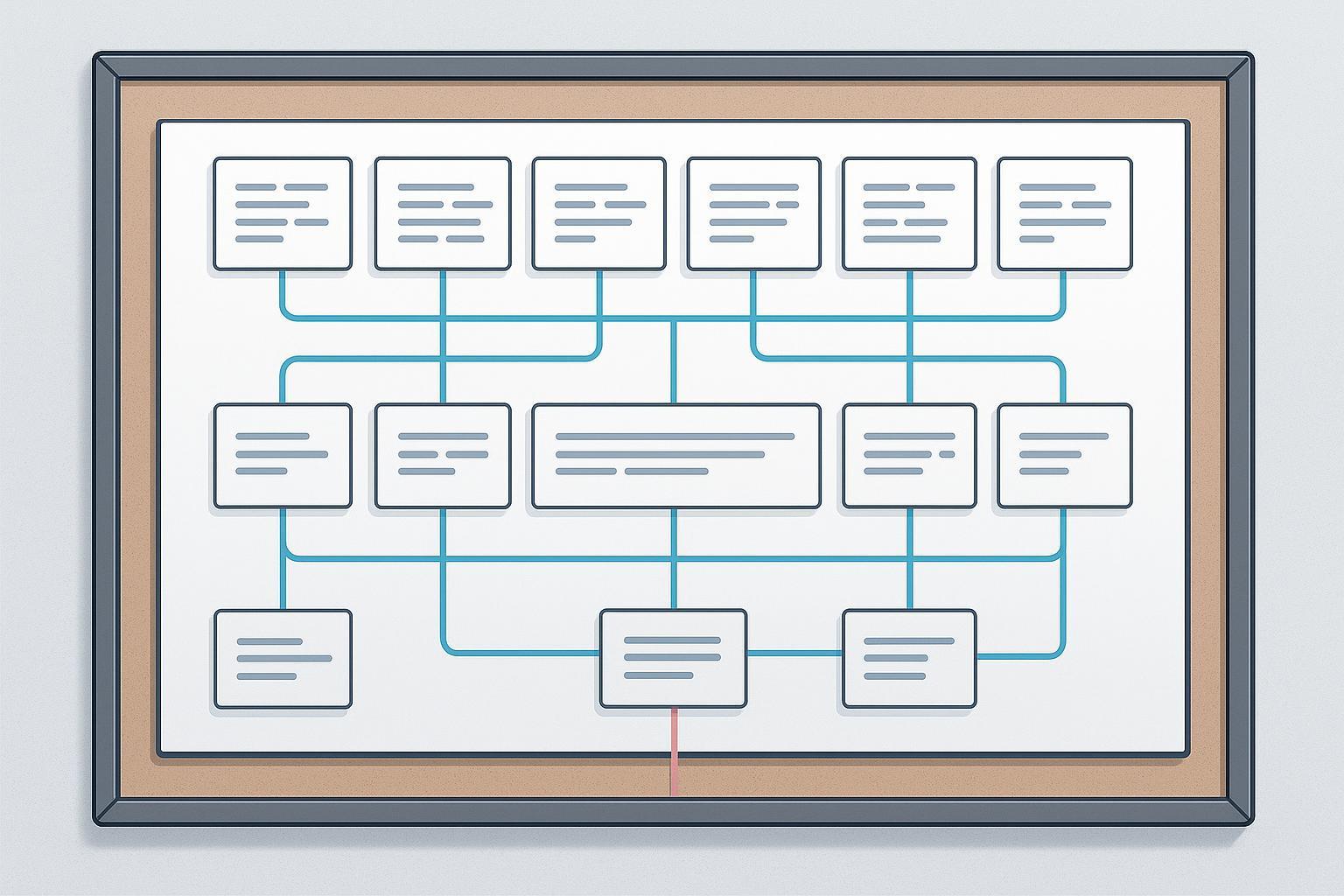
후보 경로 결정 맵에 대한 시퀀스 클래스, 짧은 선형 펩타이드를 보여주는, 길거나 소수성 사슬, 및 SPPS로 분기되는 수정된 시퀀스, 하이브리드 컨버전스, LPPS, 또는 재조합 + 합성 경로.
확장 분야: 경로 확인, 원자로 크기가 아님
경로 호환성 확정, 원자로 규모는 아직 확대 계획이 아니다. 대부분의 펩타이드 프로그램의 결합 제약은 정제입니다., 체인 조립이 아닌: 분취 HPLC는 다음을 설명합니다. 20 에게 35 총 펩타이드 제조 비용의 백분율, 2주간의 합성 캠페인에는 4~6주간의 정화 작업이 필요할 수 있습니다. (펩타이드스태프, 검색됨 2026-06-01). CDMO Hub의 펩타이드 제조 분석도 같은 점을 직설적으로 표현합니다.: 합성능력은 정화능력이 아니다, 복잡하거나 대용량 시퀀스의 경우 분취용 HPLC 트레인과 동결건조 제품군이 실제로 일정을 설정합니다. (문제 4, 검색됨 2026-08-26).
펩타이드 규모가 mg에서 kg으로 확대됨에 따라 그 격차가 넓어집니다., 단일 GMP 규모의 분취 HPLC 실행에는 20 에게 50 리터의 아세토니트릴 및 4 에게 12 기기 시간의 시간 (펩타이드스태프, 검색됨 2026-06-01). 용제물류, 폐기물 처리, 따라서 동결건조 처리량은 반응기 부피와 동일한 조사를 받을 가치가 있습니다..
잘 훈련된 파트너는 이미 정의된 설계 공간에서 고위험 매개변수를 보유하고 있어야 합니다.. PharmaFocus America의 QbD 검토 절단 및 탈보호 pH와 반응 시간을 분류합니다., HPLC 용매 구배 및 유속, 명시적인 제어가 필요한 고위험 매개 변수인 SPPS 커플 링 효율 및 수지 팽창, 임상 개발이 끝날 때까지 설계 및 제어 공간이 확정됨 (품질 중심 설계 실행, 2025-06-16).
팁의 경우: 용량 청구를 수락하기 전에 세 가지 질문을 하십시오.. 정화열차란?, 열 차원 및 그라데이션 기능 포함? 동결건조 스위트 용량은 얼마입니까?, 선반 면적 및 주당 주기? 그리고 계약에서 제조 슬롯은 어떻게 정의됩니까?, 달력 창 또는 확정된 캠페인 시작 기준?
분석 깊이: 요구되는 릴리스 패키지
가격을 물어보기 전에 방법 목록을 물어보세요. A vendor that can name its chiral method, its counterion assay and its endotoxin calculation is describing a release package; one that answers with a purity percentage is describing a brochure.
Every analytical procedure behind that package should be validated under 나는 Q2(R2), adopted in March 2024, which sets the general framework for validation, including spectroscopic methods, and covers post-approval change management.
Endotoxin is where loose language shows up fastest. USP <85> sets no single parenteral limit: it is the K/M endotoxin limit, K = 5 USP-EU/kg for routes other than intrathecal and 0.2 척수강내용 USP-EU/kg, and M as the maximum recommended human dose per kg per hour. A vendor quoting an absolute EU/mg figure without the dose basis has not done the calculation.
Sterility follows the same pattern. 두 가지 USP 멸균법 막여과와 직접접종이 있는데, 둘 다 14일의 배양이 필요함, Fluid Thio글리콜산염 배지 사용 30-35 °C 및 대두-카제인 소화 배지 20-25 ℃. 어떤 방법을 사용하고 어떤 표본 크기를 사용하는지 확인.
불순물 관리는 공정 내 규율과 최종 테스트를 구분하는 기준입니다.. 주요 펩타이드 불순물 등급 삭제 시퀀스입니다, 불완전한 탈보호 제품, 과결합 및 부반응 제품, 산화 생성물, 및 잔류 시약, 용매와 반대이온. 진행 중인 분석, Fmoc 제거를 위한 UV 모니터링, 결합 완전성을 위한 카이저 또는 닌히드린 테스트, 조물질 및 정제물질에 대한 HPLC/MS, 배치가 아직 복구 가능한 동안 이를 포착하세요..
⚠️ 경고: 높은 HPLC 면적 비율은 신원 확인이 아닙니다., 정확한 온전한 질량은 순도 측정이 아닙니다.. ICH Q6A에서는 단일 크로마토그래피 머무름 시간이 충분히 구체적이지 않다고 지적합니다., TFA와 같은 반대이온 함량, 아세테이트 또는 클로라이드는 HPLC-UV 펩타이드 순도 수치에 전혀 나타나지 않습니다..
요구 사항 맵에 작성할 가치가 있는 임계값은 0.10% 그리고 0.5% FDA의 불순물 기준치 2021 안내: 펩타이드 관련 불순물 0.10% 이상을 식별하고 특성화해야 합니다., 사이의 새로운 불순물 0.10% 그리고 0.5% 비교 면역원성 위험 평가를 포함한 특성화 및 타당성이 필요합니다., 그리고 위의 새로운 불순물 0.5% 해당 ANDA 경로에는 약물 성분이 허용되지 않습니다..
아래 표를 RFP와 함께 보내는 체크리스트로 사용하세요.. 각 행에는 테스트 이름이 지정됩니다., 그것이 기반으로 하는 표준, 그리고 청구를 수락하는 대신 확인할 수 있도록 공급업체가 넘겨주어야 하는 아티팩트.
|
시험 |
표준 또는 기준 |
상인이 공급하는 유물 |
|---|---|---|
|
키랄 순도 |
ICH Q2에 따라 검증된 키랄 방법(R2) |
대표적인 크로마토그램과 검증 요약 |
|
반대이온의 정체와 함량 |
TFA 분석방법 및 결과, 아세테이트 또는 염화물 |
|
|
잔류용매 |
I Q3C 한계 |
Headspace GC 방법 및 배치 결과 |
|
내독소 |
USP <85>, K/M 계산 |
M에 사용된 용량 기준을 사용한 LAL 결과 |
|
불임 |
USP <71>, 막 여과 또는 직접 접종 |
방법, 배양 조건, 14-하루 결과 |
|
펩타이드 관련 불순물 |
FDA 2021 불순물 임계값 |
식별 및 특성화 데이터가 포함된 불순물 표 |
|
신원 |
나는 Q6A |
질량 스펙트럼과 두 번째 직교 식별 방법 |
이를 펩타이드 분석 및 문서화 요구 사항으로 처리, 위시리스트가 아닌. 공급업체가 행에 대한 아티팩트를 생산할 수 없는 경우, 해당 행은 확인되지 않았습니다., 검증되지 않은 분석 깊이는 나중에 메워야 하는 가장 큰 비용의 격차입니다., RFP가 아닌 제출 중에 표시되기 때문입니다..
문서화 및 규제 준비: 아티팩트를 체크포인트로 제출

문서화는 펩타이드 CDMO 파트너가 제출 일정을 단축하거나 조용히 연장하는 곳입니다.. 파일링 아티팩트로 평가, 품질 인증서가 아닌.
분석법 문서를 먼저 요청하세요, ICH Q2와 비교하여 확인하세요.(R2) 검증 프레임워크: 특성, 정확성, 정도, 선형성, 범위, 견고성과 견고성은 각각 명시된 결과가 필요합니다., 준수 주장이 아님. 그런 다음 불순물에 대한 근거를 물어보세요.. 불순물의 이론적 근거 기대는 모든 지정 및 불특정 불순물에 대한 문서화된 정당성입니다., 합성 경로 및 강제 분해 데이터와 연결됨. 한계에 대한 근거가 없는 프로필은 귀하가 상속받은 신고 위험입니다.. 펩타이드 생산
MHRA의 GXP 데이터 무결성 지침에 명시된 ALCOA 데이터 무결성 렌즈를 통해 배치 기록을 읽습니다., 그럼 한 가지 질문으로 테스트해 보세요.: 편차는 어떻게 기록되나요?, 조사됨, 그리고 문을 닫았다? 답변을 통해 변경 내역이 통제된 기록인지 회고적 요약인지 알 수 있습니다..
기술협약에 4가지 항목을 넣어라: 배치 기록, 불순물의 이론적 근거, 유효 날짜가 포함된 변경 내역, DMF 또는 ASMF 입장. 공급업체-계층 감사 격차 추가: 후원자는 CDMO를 감사하지만 입력 공급자는 감사하지 않습니다., 최종 조립 장비 리드타임은 다음과 같이 보고됩니다. 18-24 개월 (CDMO 허브, 펩타이드 제조 내부, 문제 4, 2026).
핸드오프 지연 없는 특수 수정
아웃소싱된 모든 수정 단계는 핸드오프입니다., 핸드오프는 타임라인이 손실되는 곳입니다.. 일차 합성 부위를 가장 자주 떠나는 변형 유형은 지질화입니다., 페길화, 활용, 비천연 및 D-아미노산 혼입, 고리화, 및 반대이온 교환.
계획되지 않은 핸드오프 비용은 계획 측면에서 측정 가능합니다.. 새로운 펩타이드 API 공급업체 자격을 얻는 데는 일반적으로 6~12개월이 소요됩니다., 18~24개월에 일반적으로 인용되는 전체 2차 소스 경로 포함 (CDMO 허브, “6가지 펩타이드 CDMO 선택의 함정," 검색됨 2026-08-26). 공급업체에 인접한 무역 출판사의 방향성 계획 범위입니다., 감사되지 않은 수치, 따라서 이를 벤치마크가 아닌 일정 가정으로 취급하십시오..
하도급 단계는 메인 체인과 다른 경로와 다른 용량 풀에 있을 수도 있습니다., 이는 수정 대기열이 다른 사람의 일정에 따라 이동함을 의미합니다.. 그렇기 때문에 수정 가능성에 대한 질문이 기술 평가에 포함됩니다.: 통합 파트너는 사내 주기적을 보유해야 합니다., 페길화된, 스테이플링된, 결합 및 특이한 아미노산 능력 (노이랜드 연구소, 검색됨 2026-07-16).
전문화된 펩타이드 변형 지원이 동일한 시스템 내에 유지되는지 확인하는 실용적인 방법 중 하나는 성능 주장보다는 검증 작업 흐름입니다.. 스폰서 측 기술 책임자에게 수정 단계 하나를 끝까지 추적하도록 요청하세요.: 어떤 변경 제어 기록이 이를 관리하는지, 어떤 분석 릴리스 사양이 적용되는지, 누가 이탈에 서명했는가, 분석 인증서가 메인 체인과 동일한 품질 시스템 하에서 발행되었는지 여부. 답변이 제3자의 품질 부서를 통해 전달되는 경우, 제안서에서 어떻게 설명하든 핸드오프는 실제입니다.. MOL Changes는 책임 있는 단일 워크플로우 하에서 합성과 수정을 유지하는 플랫폼의 한 예입니다..
계약 체크포인트는 해당 추적을 따릅니다.. 품질 계약서에 수정 단계를 명시적으로 명시하세요., 각각에 대해 동일한 변경 제어 및 릴리스 시스템이 필요합니다., 단계가 다른 사이트로 이동하기 전에 알림 의무를 설정합니다..
위험 신호 및 거래 중단자: 대화를 끝내야 하는 것
위험 신호는 누락된 필수 항목과 동일하지 않습니다.. 누락된 필수 항목은 공급업체에 폐쇄를 요청할 수 있는 격차입니다.; 위험 신호는 공급업체가 시퀀스가 아닌 브로셔에서 응답하고 있음을 알려주는 패턴입니다.. 두 목록을 별도로 점수 매기기, 왜냐하면 후보자는 종이에 적힌 모든 필수 사항을 통과했지만 여전히 답변이 생성된 방식에 실패할 수 있기 때문입니다..
두 가지 구조적 위험 신호는 모두 용량 주장과 관련이 있습니다.. 적용 경로의 이름을 지정하지 않고 용량을 주장하는 공급업체는 일반적인 기능을 설명하는 것입니다., 당신의 프로젝트가 아닙니다, 경로별 용량은 합성 경로를 통해 이전되지 않기 때문입니다.. 합성과 정제의 격차에도 동일하게 적용됩니다.: 합성능력은 정화능력이 아니다, 따라서 반응기 수는 정화 트레인이 부하를 처리할 수 있는지 여부에 대해 아무 것도 알려주지 않습니다..
나머지 거래 중단 요인은 문서화 실패입니다.. 외관 및 분석에 그치는 출하 패키지에는 불순물에 대한 근거가 없습니다., 그리고 기준점을 제출할 때 용서할 수 없습니다: 위의 새로운 불순물 0.5% 해당 ANDA 경로에는 약물 성분이 허용되지 않습니다.. 변경 내역 로그 표시 거부, 책임 있는 소유자가 지정되지 않은 하도급 수정 단계, 적용 가능한 한도나 방법 없이 기술된 내독소 또는 무균 시험은 모두 동일한 목록에 속합니다.. HPLC-UV에만 의존하는 순도 주장도 마찬가지입니다., 이것이 바로 정체성과 순수성이 다른 테스트인 이유입니다..
자신의 요구 사항에 따라 후보자 점수 매기기

다른 제안을 읽기 전에 요구 사항 맵을 가중치 매트릭스로 전환하세요.. 시작 지도의 각 기준을 나열하세요., 그것에 합산되는 가중치를 할당하십시오 100 세트 전체에 걸쳐, 그런 다음 모든 후보자에게 점수를 매기십시오. 1 에게 5 그들이 실제로 공급한 유물에 대해. 유물이 없으면 점수가 0이 됩니다., 중립 3이 아니다: 반환되지 않은 크로마토그램에 증거가 없습니다, 반올림 오류가 아닙니다.
두 행에는 자체 가중치 열이 필요합니다.. 첫 번째는 총 참여 비용입니다., 견적 가격은 비용이 아니기 때문에. Neuland는 RFP 가격이 오직 60 에게 70 기술 이전 후 실제 참여 비용의 비율, 분석 개발, 변경 명령 및 안정성 저장소가 추가됩니다., 이는 업계 벤치마크가 아닌 단일 회사의 추정치입니다., 따라서 자신만의 광고 항목을 만들라는 메시지로 처리하세요.. 두 번째는 슬롯 확실성입니다.. PeptideStaff의 2026년 중반 미국 활용률 추정에 따르면 미국 펩타이드 CDMO 용량 활용률은 78 에게 85 퍼센트, 위상 포함 1 근처에 공급 82 퍼센트 및 위상 2 에게 3 가까운 78 등급별 퍼센트 1 CDMO, 상업 용량이 부족하다고 설명됨; 그림 뒤에 있는 분석가는 이름이 없습니다., 따라서 범위에만 의존하기보다는 현재 가용성을 직접 확인하십시오..
|
표준 |
무게 |
후보자 A |
후보자 B |
후보자 C |
|---|---|---|---|---|
|
시퀀스급 핏 |
||||
|
확장 경로 증거 |
||||
|
릴리스 패키지 완성도 |
||||
|
규제 아티팩트 준비 |
||||
|
수정 범위 |
||||
|
총 참여 비용 |
||||
|
슬롯 확실성 |
||||
|
가중 합계 |
100 |
보유하고 있는 문서에 대해서만 각 셀에 점수를 매깁니다., 추측하기보다는 셀을 비워 두세요.. 매트릭스는 비교 도구이다, 판결이 아니다: 두 후보자가 실제로 다른 점과 RFP에 얼마나 잘 답변했는지에 따라 차이점이 어디에 있는지 보여줍니다..
다음 단계: 프레임워크를 기술적인 대화로 전환
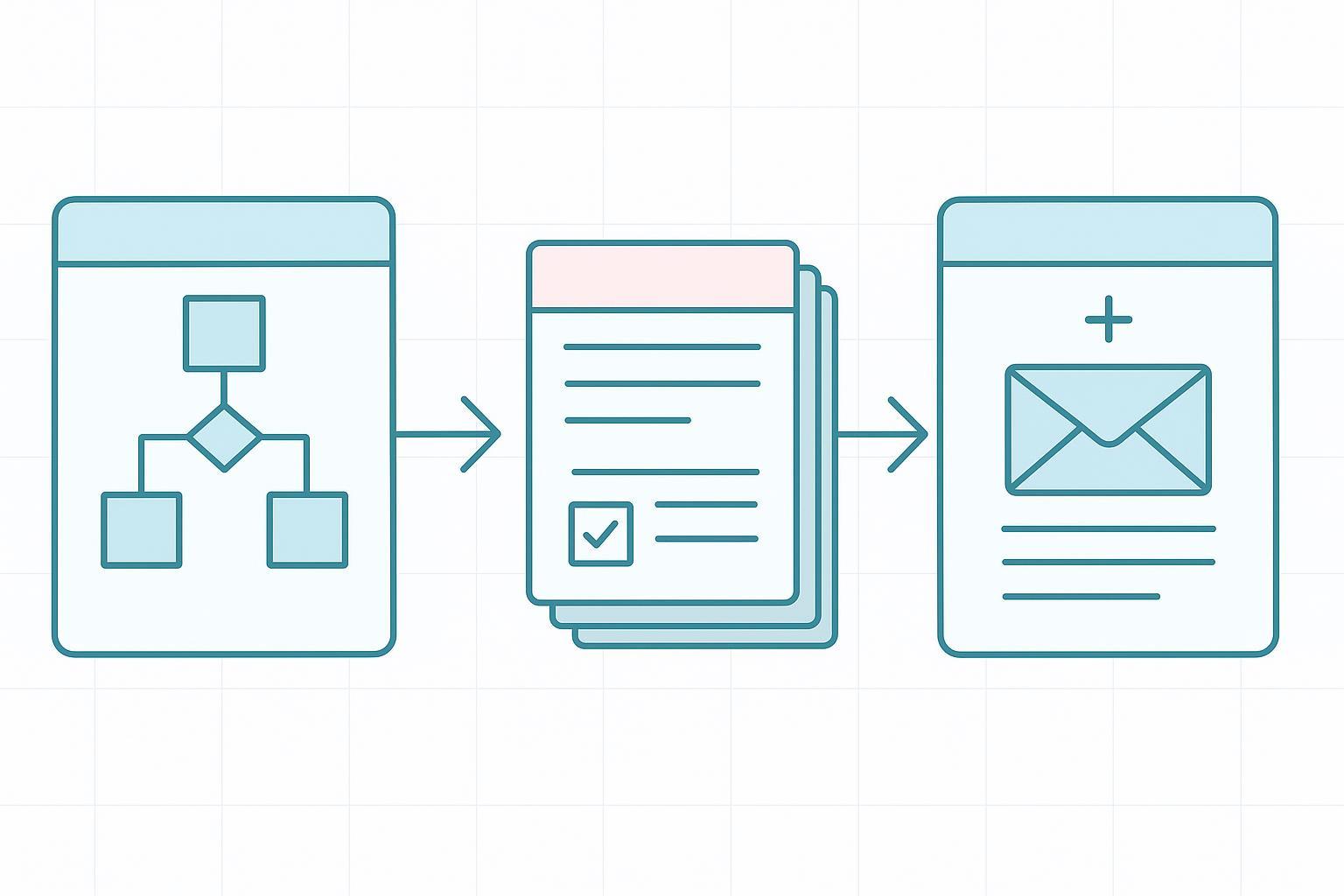
요구사항 맵, 유물 체크리스트, 점수가 매겨진 최종 후보 목록은 하나의 특정 요청이 된 경우에만 유용합니다.. 시퀀스 클래스와 쌍을 이루는 단일 문서를 최종 후보 CDMO에 보냅니다., 규모 목표, 확인해야 할 정확한 아티팩트가 포함된 수정 목록: 메소드 패키지, 분석 문서, 정의된 슬롯 약정. 그 요청에는 응답할 수 있습니다. 일반 역량 덱은 그렇지 않습니다..
가격을 문의하기 전에 분석법 패키지와 분석 문서를 요청하세요.. 방법이 없는 가격은 여러 후보 간에 비교할 수 없습니다., 비교는 위 프레임워크의 전체 요점입니다.. 에 대한
펩타이드 CDMO 파트너를 선택하는 방법에 대한 작업 감각, 마감 움직임은 모든 규모에서 동일합니다.: 프레임워크를 하나의 기술 대화로 변환, 그런 다음 인공물이 결정하게 하세요..
메모: MOL Changes는 펩타이드 CDMO이며 귀하가 평가하는 후보 중 하나일 수 있습니다.. 이 기사는 교육적이며 단일 공급업체를 권장하지 않습니다..
독자는 파일링 또는 소싱 결정을 내리기 전에 자격을 갖춘 규제 및 품질 전문가와 상담해야 합니다..
자주 묻는 질문
펩타이드 CDMO 파트너 자격을 갖추는 데 시간이 얼마나 걸립니까??
무역 출판사 계획 범위는 단계를 설정합니다. 1 새 프로그램 시작 시간 9 에게 15 개월, 부터 6 에게 9 몇 달 안에 2023, 상업적 제조 또는 기술 이전이 시작되는 시점 12 에게 18 개월 및 일반적으로 인용되는 전체 2차 소스 자격 경로 18 에게 24 개월. 이는 무역 출판물에서 보고된 계획 범위입니다., 감사되지 않은 수치, 그러니 그것들을 방향성으로 취급하세요. 실질적인 의미는 12~18개월 약혼 규칙입니다.: GMP 합성이 필요하기 훨씬 전에 검증을 시작하십시오., 임상 일정이 이미 확정된 후에는 안 됩니다..
CDMO의 발표된 용량을 내 시퀀스에 사용할 수 있나요??
기본적으로는 아님. 발표된 용량 수치는 제조 경로를 거의 지정하지 않습니다., 경로별 용량은 경로 간에 이전되지 않습니다., 따라서 헤드라인 번호는 시퀀스에 대해 거의 알려주지 않습니다.. 합성능력도 정화능력은 아니다, 합성과 정제의 격차는 대부분의 가정이 깨지는 지점입니다.. 두 가지 질문으로 해결: 어떤 경로가 발표된 용량인가요?, 그리고 그에 수반되는 정제 및 동결건조 능력은 무엇입니까?.
수정 단계를 하청 계약해야 하는 경우 어떻게 해야 합니까??
하도급 계약을 예외가 아닌 통제된 핸드오프로 처리. 4개의 체크포인트로 관리 가능: 주요 CDMO 측의 지명된 책임 소유자, 양측 모두를 포괄하는 동일한 변경 제어 시스템, 핸드오프 시 정의된 분석 릴리스 지점, 승인 기준이 포함된 문서화된 이전 계획. 핸드오프 지연은 다중 사이트 프로그램에서 인식된 위험입니다., 빈도에 대해 게시된 수치는 단일 소스이므로 실패율로 취급되어서는 안 됩니다..
가장 저렴한 RFP 응답이 가장 낮은 총 비용입니까??
아니요. Neuland는 RFP 가격이 오직 60 에게 70% 기술 이전 후 실제 참여 비용, 분석 개발, 주문 변경, 안정성 저장 장치가 추가되었습니다., 이 수치는 독립적인 벤치마크가 아닌 단일 회사에서 나온 것입니다.. 매트릭스의 총 참여 비용 행에 대한 응답 점수를 매기세요., 인용된 광고 항목이 아님, 각 후보자에게 실제로 소비할 것으로 예상되는 범위의 가격을 물어보세요..
결론
프레임워크는 모든 후보자에게 재사용할 수 있는 4개의 동작으로 축소됩니다.: 전화를 받기 전에 자신만의 요구 사항을 파악하세요, 어설션보다는 아티팩트를 요청하세요., 필수품과 별도로 위험 신호 점수를 매기세요, 헤드라인 인용문을 비교하는 대신 총 참여 비용을 매트릭스에 입력합니다..
시장 상황은 그 규율을 노력할 가치가 있게 만듭니다.. 2026년 중반 미국 활용률 추정치는 다음과 같습니다. 78-85%, 발표된 용량은 예약할 수 있는 용량과 동일하지 않습니다., 리드 타임은 여전히 프로그램이 재시작을 흡수할 수 있는 지점을 훨씬 넘어서고 있습니다.. 합성 루트를 보여줄 수 있는 파트너, 분석 패키지, 그리고 변경 내역은 원자로 수만 보여줄 수 있는 사람보다 더 가치가 있습니다..
다음과 같이 2024-2026 Capex Cycle의 용량은 다음을 통해 온라인 상태가 됩니다. 2027-2030, 차별화 요소는 능력이 있는 사람에서 문서화할 수 있는 사람으로 이동합니다.. 지금 시작하는 대화, 요구 사항 맵을 중심으로 구성, 공급 상황이 느슨해졌을 때에도 여전히 유용할 것입니다..