Come scegliere un partner Peptide CDMO: Inizia con la tua mappa dei requisiti
La maggior parte dei team inizia creando un elenco di fornitori. La mossa più forte è scrivere prima i propri vincoli, perché un partner che appare eccellente in una pagina di capacità può comunque non essere adatto alla tua sequenza. Cinque input fanno il lavoro: classe e lunghezza della sequenza, tipi di modifica, scala di destinazione e percorso, percorso e tempistica di archiviazione, e i requisiti analitici e di documentazione dei peptidi che la tua presentazione porterà.
La domanda sul percorso è in cima a tale elenco. I peptidi si trovano tra piccole molecole e prodotti biologici, tipicamente regolato dalle linee guida ICH per le piccole molecole, sebbene alcune classi possano richiedere una supervisione biologica, ecco perché è importante un tempestivo allineamento normativo (Laboratori Neuland, 2025). Rispondi prima di contattare qualcuno, poiché il percorso determina quali artefatti un partner deve essere in grado di produrre.
|
Requisito |
Perché limita la scelta del partner |
Artefatto che lo dimostra |
|---|---|---|
|
Classe e lunghezza della sequenza |
Determina se la sintesi in fase solida, fermentazione, oppure un percorso ibrido è praticabile |
Logica del percorso con sequenze precedenti |
|
Tipi di modifica |
Residui non standard, coniugati, e la ciclizzazione necessitano di capacità chimiche dedicate |
Menù di modifica con copertura di gruppi funzionali |
|
Scala target e percorso |
Il divario tra sviluppo e scala commerciale impone il trasferimento di tecnologia |
Cronologia documentata dello scale-up al tuo intervallo target |
|
Sintesi peptidica Percorso e tempistica della presentazione |
La supervisione dell'ICH a piccole molecole rispetto a quella biologica cambia il pacchetto di prove |
Valutazione del gap normativo per il tuo percorso |
|
Requisiti analitici e di documentazione |
Il test di rilascio e l'ambito di stabilità devono corrispondere al deposito |
Pacchetto di rilascio del campione e riepiloghi dei metodi |
Chiave da asporto: Compila questa mappa prima della prima chiamata al fornitore. Converte una ricerca vaga in una lista di candidati con punteggio, e ti dice quali artefatti richiedere piuttosto che a quali affermazioni credere.
Vestibilità tecnica: Abbinare la piattaforma di sintesi alla tua classe di sequenza
Con quella mappa in mano, il primo filtro è la compatibilità del percorso, non il volume del reattore. Annunciato capacità specifica per tratta le cifre raramente nominano il percorso di produzione dietro di loro, e la capacità non viene trasferita attraverso le rotte: fase solida (SPSS), fase liquida (LPPS), convergente ibrido, e le piattaforme ricombinanti più sintetiche non sono intercambiabili. Un fornitore con tonnellate di riserva su una linea LPPS non può assorbire il tuo lavoro SPPS.
La lunghezza della catena decide quali percorsi sono percorribili. Neuland Labs osserva che i rendimenti degli SPPS diminuiscono man mano che le catene crescono, con sequenze oltre 30 A 40 amminoacidi che si avvicinano al limite pratico per il solo SPPS; La condensazione ibrida di frammenti in fase solida/liquida riduce i costi mantenendo la purezza. La matematica dell’efficienza di accoppiamento spiega il perché: A 99% accoppiamento per fase terminato 30 passi, soltanto 74% delle catene a tutta lunghezza risultano corrette, e la difficoltà crescente si intensifica oltre 30 residui, che è esattamente dove semaglutide (31) e tirzepatide (39) sedersi (PeptideJournal, 2026-02-09).
Quindi quando chiedi come scegliere un partner CDMO peptidico, la risposta inizia con tre domande: quale percorso proponi per questa sequenza, quale strategia di frammento utilizza quel percorso, e posso vedere i dati di purezza grezza dietro la scelta?
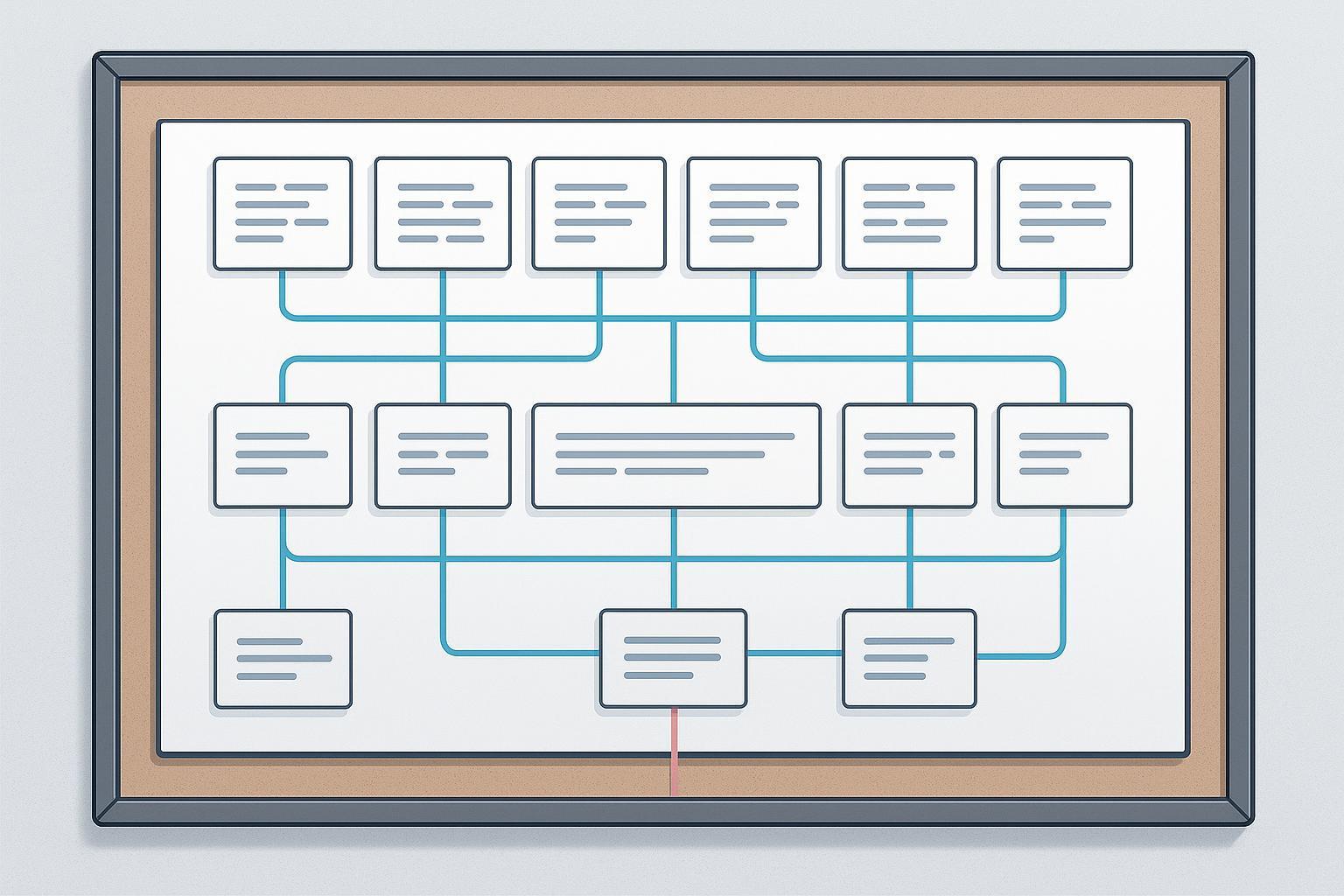
Classe di sequenza per la mappa decisionale del percorso candidato, mostrando peptidi lineari corti, catene lunghe o idrofobiche, e sequenze modificate che si ramificano in SPPS, convergente ibrido, LPPS, o percorsi ricombinanti più sintetici.
Disciplina di espansione: Verificare il percorso, Non la dimensione del reattore
Compatibilità del percorso risolta, la dimensione del reattore non è ancora un piano di espansione. Il vincolo vincolante nella maggior parte dei programmi peptidici è la purificazione, non il montaggio della catena: conti HPLC preparativi per 20 A 35 percentuale del costo totale di produzione del peptide, e una campagna di sintesi di due settimane può richiedere da quattro a sei settimane di lavoro di purificazione (PeptideStaff, recuperato 2026-06-01). L’analisi di CDMO Hub sulla produzione di peptidi pone senza mezzi termini lo stesso punto: la capacità di sintesi non è la capacità di purificazione, e per sequenze complesse o ad alto volume, il treno preparativo HPLC e la suite di liofilizzazione sono ciò che effettivamente stabilisce il programma (Problema 4, recuperato 2026-08-26).
Questo divario si allarga man mano che procede lo scale-up del peptide da mg a kg, perché una singola corsa HPLC preparativa su scala GMP consuma 20 A 50 litri di acetonitrile e 4 A 12 ore di tempo dello strumento (PeptideStaff, recuperato 2026-06-01). Logistica dei solventi, gestione dei rifiuti, e la produttività della liofilizzazione meritano quindi lo stesso esame del volume del reattore.
A disciplined partner should already hold the high-risk parameters in a defined design space. PharmaFocus America’s QbD review classifies cleavage and deprotection pH and reaction time, HPLC solvent gradient and flow rate, and SPPS coupling efficiency and resin swelling as high-risk parameters requiring explicit control, with design and control spaces fixed by the end of clinical development (Quality by Design in Action, 2025-06-16).
Per Suggerimento: Ask three questions before accepting any capacity claim. What is the purification train, including column dimensions and gradient capability? What is the lyophilization suite capacity, in shelf area and cycles per week? And how are manufacturing slots defined in the agreement, by calendar window or by confirmed campaign start?
Profondità analitica: Il pacchetto di rilascio su richiesta
Ask for the method list before you ask for the price. A vendor that can name its chiral method, its counterion assay and its endotoxin calculation is describing a release package; one that answers with a purity percentage is describing a brochure.
Every analytical procedure behind that package should be validated under Io Q2(R2), adopted in March 2024, which sets the general framework for validation, including spectroscopic methods, and covers post-approval change management.
Endotoxin is where loose language shows up fastest. USP <85> sets no single parenteral limit: it is the K/M endotoxin limit, con K = 5 USP-EU/kg for routes other than intrathecal and 0.2 USP-EU/kg for intrathecal, and M as the maximum recommended human dose per kg per hour. A vendor quoting an absolute EU/mg figure without the dose basis has not done the calculation.
Sterility follows the same pattern. The two USP sterility methods are membrane filtration and direct inoculation, both requiring 14-day incubation, with Fluid Thioglycollate Medium at 30-35 °C and Soybean-Casein Digest Medium at 20-25 °C. Confirm which method is used and on what sample size.
Impurity control is the criterion that separates in-process discipline from end-only testing. The main peptide impurity classes are deletion sequences, prodotti di deprotezione incompleta, over-coupled and side-reaction products, prodotti di ossidazione, and residual reagents, solvents and counterions. In-process analytics, UV monitoring for Fmoc removal, Kaiser or ninhydrin testing for coupling completeness, and HPLC/MS on crude and purified material, catch these while the batch is still recoverable.
⚠️ Attenzione: A high HPLC area percent is not identity confirmation, and a correct intact mass is not a purity measurement. ICH Q6A notes that a single chromatographic retention time is not sufficiently specific, and counterion content such as TFA, acetate or chloride does not appear in an HPLC-UV peptide purity figure at all.
The thresholds worth writing into your requirements map come from the 0.10% E 0.5% impurity thresholds in FDA’s 2021 guida: impurità legate ai peptidi 0.10% or greater should be identified and characterised, new impurities between 0.10% E 0.5% need characterisation plus justification including a comparative immunogenicity risk assessment, e nuove impurità sopra 0.5% of drug substance are not acceptable for that ANDA pathway.
Use the table below as the checklist you send with your RFP. Each row names a test, the standard it rests on, and the artifact the vendor should hand over so you can verify the claim rather than accept it.
|
Test |
Standard or basis |
Artifact the vendor supplies |
|---|---|---|
|
Chiral purity |
Validated chiral method under ICH Q2(R2) |
Representative chromatogram plus validation summary |
|
Identità e contenuto della contropressione |
Servizi ICH Q6A specificity Peptidi sintetici aspettative |
Assay method and result for TFA, acetate or chloride |
|
Solventi residui |
ICH Q3C limits |
Headspace GC method and batch results |
|
Endotossina |
USP <85>, K/M calculation |
LAL result with the dose basis used for M |
|
Sterilità |
USP <71>, filtrazione su membrana o inoculazione diretta |
Metodo, condizioni di incubazione, 14-day result |
|
Peptide-related impurities |
FDA 2021 soglie di impurità |
Impurity table with identification and characterisation data |
|
Identità |
Io Q6A |
Mass spectrum plus a second orthogonal identity method |
Treat these as peptide analytical and documentation requirements, not as a wish list. If a vendor cannot produce the artifact for a row, that row is unverified, and unverified analytical depth is the most expensive gap to close later, because it surfaces during filing rather than during the RFP.
Documentazione e preparazione normativa: Archiviazione degli artefatti come checkpoint

Documentation is where a peptide CDMO partner either shortens your filing timeline or quietly extends it. Evaluate it as filing artifacts, not as a quality certificate.
Request the analytical method documentation first, and check it against the ICH Q2(R2) quadro di validazione: specificità, precisione, precisione, linearità, allineare, and robustness each need a stated result, not a claim of compliance. Then ask for the impurity rationale. The impurity-rationale expectation is a documented justification for every specified and unspecified impurity, tied to the route of synthesis and to forced-degradation data. A profile with no rationale behind its limits is a filing risk you inherit. Produzione di peptidi
Read batch records through the ALCOA data-integrity lens set out in MHRA’s GXP data integrity guidance, then test it with one question: how is a deviation recorded, investigated, and closed? The answer reveals whether change history is a controlled record or a retrospective summary.
Put four items in the technical agreement: record di batch, impurity rationale, change history with effective dates, and the DMF or ASMF position. Add the supplier-tier audit gap: sponsors audit the CDMO but not its input suppliers, and final-assembly equipment lead times are reported at 18-24 mesi (Centro CDMO, All'interno della produzione di peptidi, Problema 4, 2026).
Modifiche specializzate senza ritardi di trasferimento
Every outsourced modification step is a handoff, and handoffs are where timelines are lost. The modification types that most often leave the primary synthesis site are lipidation, PEGilazione, coniugazione, non-natural and D-amino acid incorporation, ciclizzazione, and counterion exchange.
The cost of an unplanned handoff is measurable in planning terms. Qualifying a new peptide API supplier is typically quoted at six to twelve months, with the full second-source path commonly cited at eighteen to twenty-four months (Centro CDMO, “Six Peptide CDMO Selection Pitfalls,” retrieved 2026-08-26). These are directional planning ranges from vendor-adjacent trade publishers, cifre non controllate, so treat them as a scheduling assumption rather than a benchmark.
A subcontracted step can also sit on a different route and a different capacity pool than the main chain, which means the modification queue moves on someone else’s schedule. That is why the modification-capability question belongs in the technical evaluation: an integrated partner should hold in-house cyclic, PEGilato, pinzato, conjugated and unusual-amino-acid capability (Laboratori Neuland, recuperato 2026-07-16).
One practical way to confirm specialized peptide modification support stays inside the same system is a verification workflow rather than a capability claim. Ask the sponsor-side technical lead to trace one modification step end to end: which change-control record governs it, which analytical release specification applies, who signs the deviation, and whether the certificate of analysis is issued under the same quality system as the main chain. If the answers route through a third party’s quality department, the handoff is real regardless of how the proposal describes it. MOL Changes is one example of a platform that keeps synthesis and modification under a single accountable workflow.
The contract checkpoint follows from that trace. Name the modification steps explicitly in the quality agreement, require the same change-control and release system for each, and set a notification obligation before any step is moved to another site.
Bandiere rosse e interruzioni degli accordi: Cosa dovrebbe porre fine alla conversazione
Red flags are not the same as missing must-haves. A missing must-have is a gap you can ask a vendor to close; a red flag is a pattern that tells you the vendor is answering from a brochure rather than from your sequence. Score the two lists separately, because a candidate can pass every must-have on paper and still fail on how the answers were produced.
The two structural red flags both concern capacity claims. A vendor that asserts capacity without naming the route it applies to is describing a general capability, not your project, because route-specific capacity does not transfer across synthesis routes. The same applies to the synthesis-versus-purification gap: la capacità di sintesi non è la capacità di purificazione, so a reactor count tells you nothing about whether the purification train can handle your load.
The remaining deal-breakers are documentation failures. A release package that stops at appearance and assay has no impurity rationale, and at filing the threshold is unforgiving: new impurities above 0.5% of drug substance are not acceptable for that ANDA pathway. Refusal to show a change-history log, a subcontracted modification step with no named accountable owner, and endotoxin or sterility testing described without the applicable limit or method all belong on the same list. So does any purity claim that leans on HPLC-UV alone, which is why identity and purity are different tests.
Assegnare un punteggio ai candidati in base ai propri requisiti

Turn the requirements map into a weighted matrix before you read another proposal. List each criterion from your opening map, assign it a weight that sums to 100 across the set, then score every candidate from 1 A 5 on the artifact they actually supplied. An absent artifact scores zero, not a neutral three: an unreturned chromatogram is missing evidence, not a rounding error.
Two rows deserve their own weight columns. The first is total-engagement cost, because a quoted price is not the cost. Neuland estimates that an RFP price may represent only 60 A 70 percent of true engagement cost once tech transfer, sviluppo analitico, change orders and stability storage are added, which is a single-company estimate rather than an industry benchmark, so treat it as a prompt to build your own line items. The second is slot certainty. PeptideStaff’s mid-2026 US utilization estimates put US peptide CDMO capacity utilization at 78 A 85 per cento, con Fase 1 supply near 82 percent and Phase 2 A 3 near 78 percent at Tier 1 CDMO, and commercial capacity described as tight; the analyst behind the figure is unnamed, so confirm current availability directly rather than relying on the range alone.
|
Criterio |
Peso |
Il candidato A |
Il candidato B |
Il candidato C |
|---|---|---|---|---|
|
Sequence-class fit |
||||
|
Scale-up path evidence |
||||
|
Release package completeness |
||||
|
Regulatory artifact readiness |
||||
|
Modification coverage |
||||
|
Total-engagement cost |
||||
|
Slot certainty |
||||
|
Weighted total |
100 |
Score each cell only against documentation you have in hand, and leave a cell blank rather than guessing. The matrix is a comparison tool, non un verdetto: it shows you where two candidates genuinely differ and where the difference is only in how well they answered the RFP.
Passaggi successivi: Trasformare il quadro in una conversazione tecnica
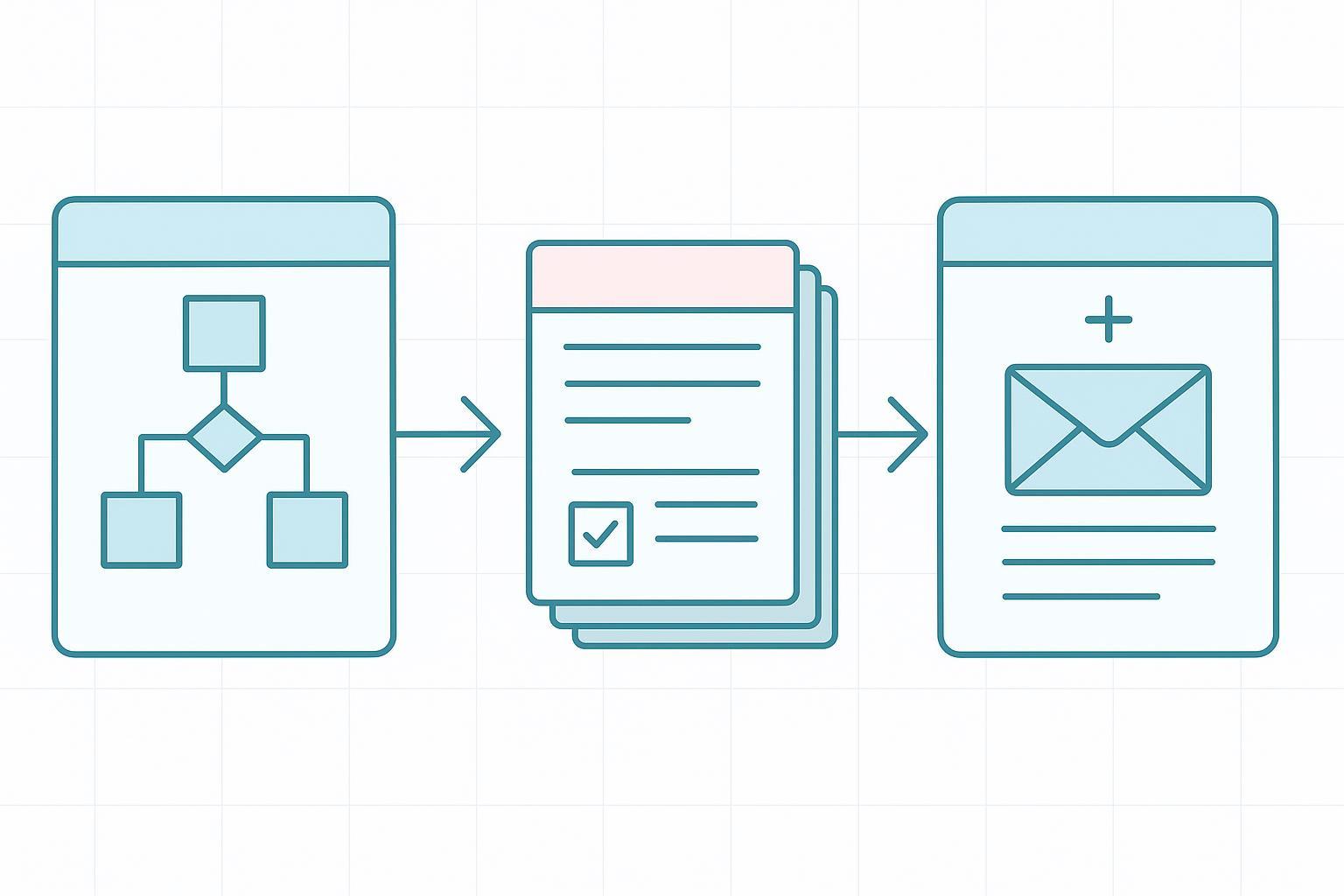
The requirements map, the artifact checklist, and the scored shortlist are only useful once they become one specific request. Send the shortlisted CDMO a single document that pairs your sequence class, scale target, and modification list with the exact artifacts you need to see: method package, analytical documentation, and a defined slot commitment. That request is answerable. A general capabilities deck is not.
Ask for the method package and the analytical documentation before you ask for pricing. Pricing without a method behind it cannot be compared across candidates, and the comparison is the whole point of the framework above. Di
For a worked sense of how to choose a peptide CDMO partner, the closing move is the same at every scale: convert the framework into one technical conversation, then let the artifacts decide.
Nota: MOL Changes is a peptide CDMO and may be one of the candidates you evaluate. This article is educational and does not recommend any single supplier.
Readers should consult qualified regulatory and quality professionals before making filing or sourcing decisions.
Domande frequenti
Quanto tempo ci vuole per qualificarsi come partner CDMO peptidico?
Trade-publisher planning ranges put a Phase 1 new program start at 9 A 15 mesi, su da 6 A 9 months in 2023, with commercial manufacturing or tech-transfer starts at 12 A 18 months and a full second-source qualification path commonly cited at 18 A 24 mesi. These are planning ranges reported by trade publications, cifre non controllate, so treat them as directional. The practical implication is the 12-to-18-month engagement rule: begin qualification well before you need GMP synthesis, not after your clinical timeline is already fixed.
Can a CDMO’s announced capacity be used for my sequence?
Not by default. Announced capacity figures rarely specify the manufacturing route they were built for, and route-specific capacity does not transfer between routes, so a headline number tells you little about your sequence. Synthesis capacity is also not purification capacity, and the synthesis-versus-purification gap is where most assumptions break. Two questions resolve it: which route is the announced capacity built for, and what purification and lyophilization capacity accompanies it.
Cosa devo fare se una fase di modifica deve essere subappaltata?
Treat the subcontract as a controlled handoff rather than an exception. Four checkpoints make it manageable: a named accountable owner on the prime CDMO’s side, the same change-control system covering both parties, a defined analytical release point at the handoff, and a documented transfer plan with acceptance criteria. Handoff delays are a recognized risk in multi-site programs, though published figures on their frequency are single-source and should not be treated as a failure rate.
La risposta RFP più economica corrisponde al costo totale più basso?
NO. Neuland estimates that an RFP price may represent only 60 A 70% of true engagement cost once tech transfer, sviluppo analitico, change orders, and stability storage are added, and that figure comes from a single company rather than an independent benchmark. Score responses on the total-engagement-cost row of your matrix, not the quoted line item, and ask each candidate to price the scope you actually expect to consume.
Conclusione
The framework reduces to four moves you can reuse on any candidate: map your own requirements before you take a call, ask for artifacts rather than assertions, score red flags separately from must-haves, and put total-engagement cost into the matrix instead of comparing headline quotes.
The market context makes that discipline worth the effort. With mid-2026 US utilization estimates at 78-85%, announced capacity is not the same as capacity you can book, and lead times still stretch well past the point where a program can absorb a restart. A partner who can show you the synthesis route, the analytical package, and the change history is worth more than one who can only show you a reactor count.
Come il 2024-2026 capex cycle’s capacity comes online through 2027-2030, the differentiator shifts from who has capacity to who can document it. The conversation you start now, framed around your requirements map, is the one that will still be useful when the supply picture loosens.