肽 CDMO 合作伙伴与交易采购: 5 阶段

肽 CDMO 合作伙伴与交易采购: 5 阶段

当关系是整合而非交易时,“肽 CDMO 合作伙伴”意味着什么?

区别不在于供应商列出了多少服务. 它在各个阶段之间掌握有关分子的知识.

肽 CDMO 合作伙伴与交易采购: 5 阶段

服务 在交易性肽采购中, 供应商执行单个批次并且参与结束, 所以 每个新阶段都会重新启动技术转让. 集成肽开发, 一个技术团队在各个阶段都专注于分子, 这使得连续性成为可能,而不仅仅是承诺.

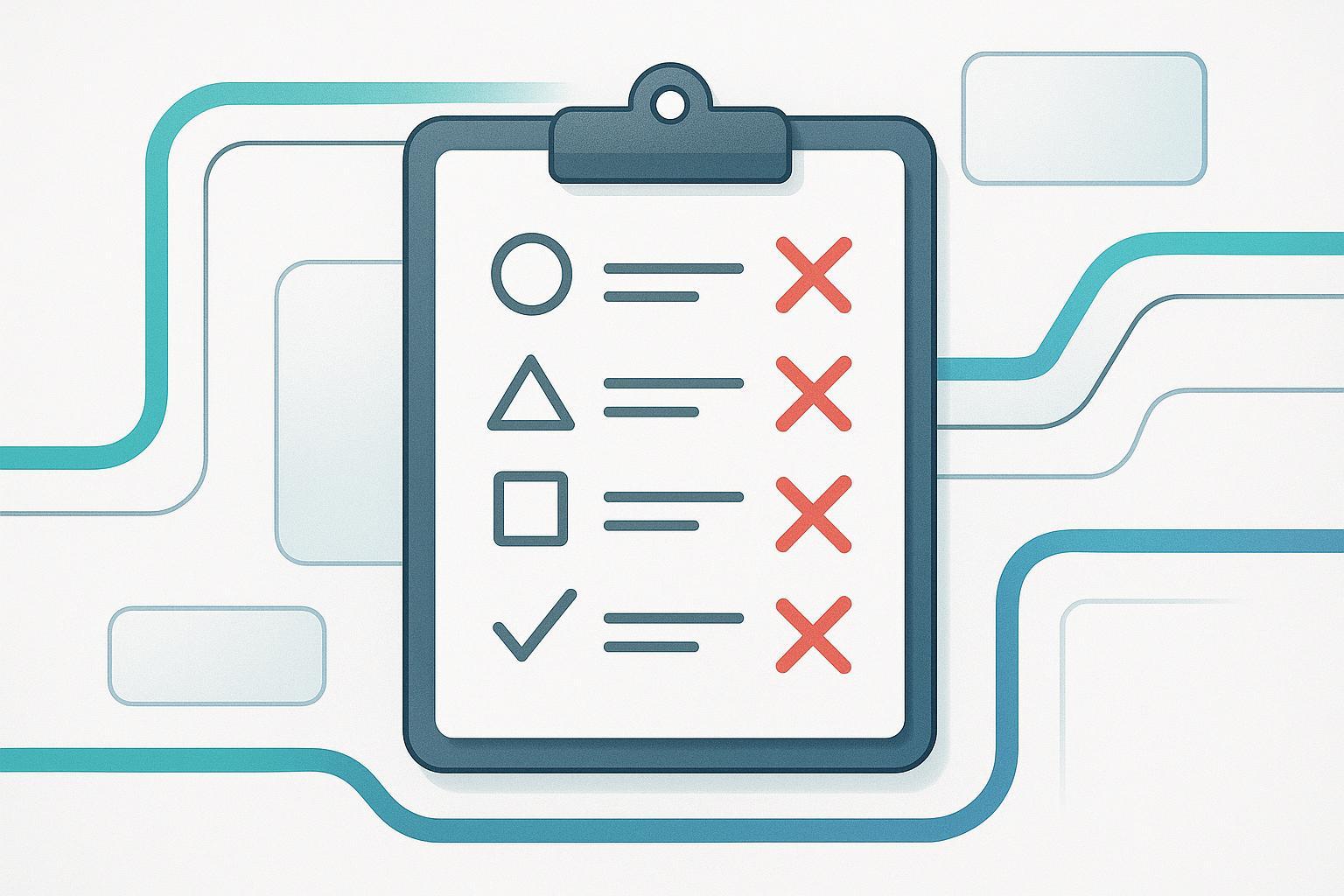
连续性是一组可验证的条件, 不是关系标签. 它需要经过预审的备用电源, 在相同的特性和纯度标准下批次间的分析可比性, 公开的方法细节和原始数据, 从小瓶到合成记录的完整批次可追溯性, 以及书面变更治理,要求在合成站点发生任何重大变更之前发出通知, 质控方法, 原料, 纯化, 包装或标签. 将其中任何一个视为假设而不是经过验证的条件的供应商都没有解决连续性问题, 无论合同如何称呼这种关系. 这五个条件构成 您可以在下次供应商审查时使用的连续性检查表.

要点: 交易采购购买一批并结束合作. 集成的肽 CDMO 合作伙伴在接下来的每个阶段都保持一个团队和一个分子知识链.

肽 CDMO 合作伙伴与交易采购: 5 阶段

快速比较: 交易采购与综合肽 CDMO 合作伙伴

并排比较更容易看出这种区别, 因此,下表对决定采购的类别中的两种模型进行了评分.

类别

交易性肽采购

整合肽CDMO合作伙伴

最适合

定义, 无需开发路线的现成序列, 没有扩大规模, 并且没有附上监管文件

项目正朝着 IND 支持工作迈进, 扩大规模, 或商业备案

合成路线谁拥有

供应商; 您收到分析证书, 不是路线

共享; 路线知识在各个阶段都与计划保持一致

分析方法所有权

供应商内部方法; 您收到结果, 不是原始数据

方法和原始数据通过程序传输

交换机的技术转让负担

完全重新转移: $300,000–$800,000+6–12 个月 首次 cGMP 活动 (肽参谋, 检索到的 2026-09-04)

降低, 因为接收站点已经掌握了路线和方法

变更通知

路线或站点更改可能仅以新证书的形式传达给您

变更控制通过共享质量协议进行

DMF维护

每次搬家时单独更新或修订 DMF

一个 DMF 保持跨阶段的最新状态

规模化路径

每个规模的资源, 经常被重新验证

从毫克到公斤连续

成本概况

小规模每克较低

GLP-1 API cGMP 指示性定价运行 $2,500– 1–10 公斤 5,000 美元/克, 落到 $400– 800 美元/克 100+ 千克 (肽参谋, 检索到的 2026-09-04)

我们的判决

胜利 一次性的, 店铺 未备案数量

胜利 一旦程序必须在切换后存活下来, 扩大规模, 或检查

关于数字的两个注意事项. 转移和双源数据是有方向性的: PeptideStaff 未透露任何方法, 因此,请将它们视为计划范围而不是报价. 几个主要的 CDMO 现在设定了最低商业批次承诺 50–100公斤, 这改变了任何无法达到该数量的计划的经济效益.

阶段 1: 定制合成和修改——谁拥有路线?
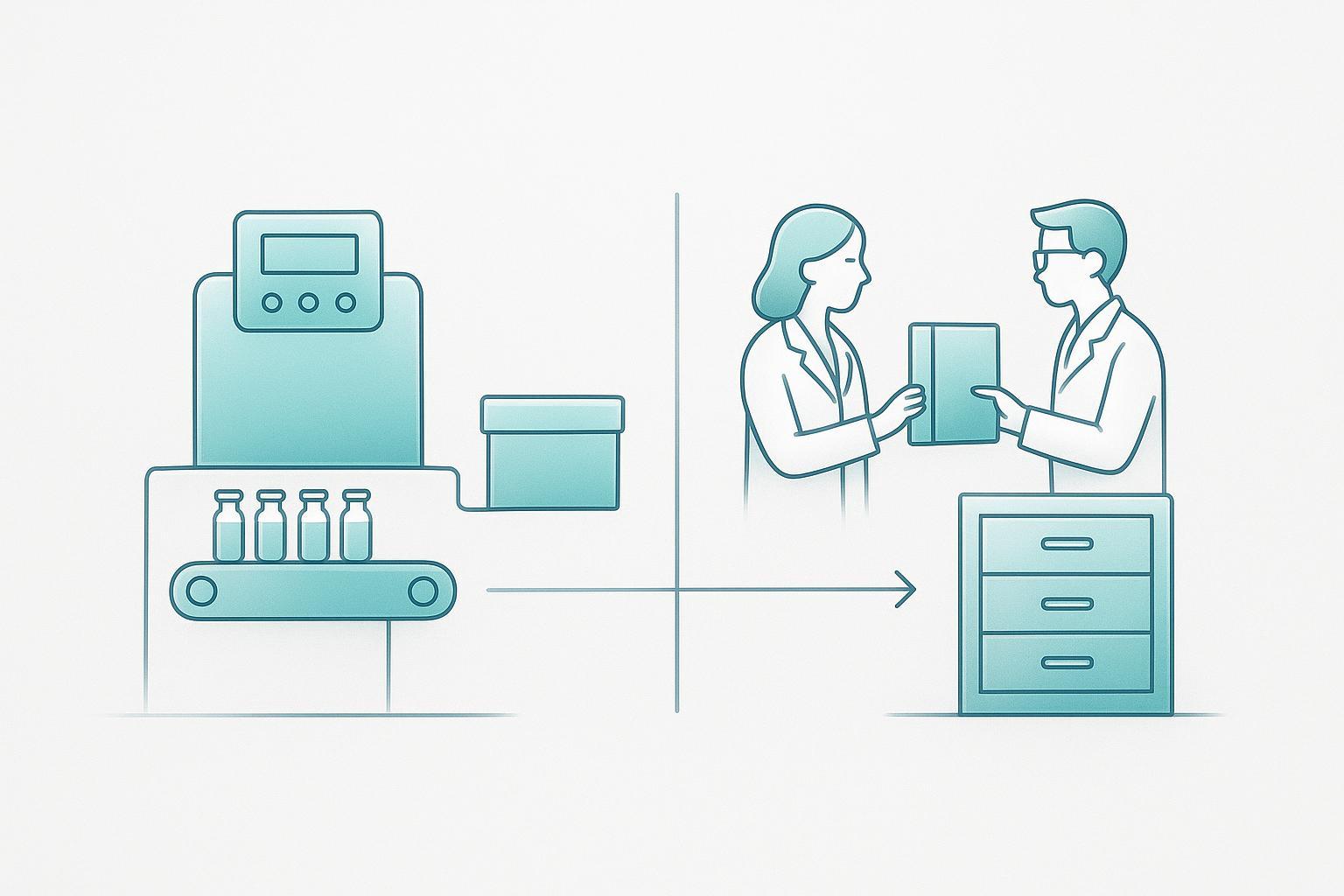
a side-by-side flow showing a transactional order-to-COA path ending at delivery next to an integrated path where route knowledge, methods and batch h

多肽合成 The integrated partner wins this stage, and the reason is not capacity. It is that route knowledge, not the batch, is the asset. A transactional supplier delivers vials and an invoice; an integrated partner delivers the synthesis route, the rationale behind each coupling and deprotection choice, and the record of what was tried and rejected.

Reported SPPS practical limits differ by source, and the disagreement matters more than any single figure. 纽兰实验室 puts the practical ceiling at roughly 30 到 40 氨基酸, while a PharmaSource category guide reports 50 到 70 residues achievable with optimised chemistry. Both are describing solid-phase peptide synthesis under different assumptions about resin, coupling reagents and purification tolerance, which is exactly why a route should be judged against your sequence rather than against a headline number.

The failure mode is concrete. A 40-residue modified chain can synthesise acceptably at small scale and then aggregate during purification, collapsing yield at the point where the material is most expensive. Bachem’s knowledge centre notes that GLP-1 analogues typically run 30 到 40 amino acids or more, and that scale moves from milligrams and grams at discovery through kilograms in clinical development to multi-kilogram commercial campaigns. A route that has not been stress-tested against that progression is a route you will redevelop later, usually under time pressure.

Counterion exchange belongs in the same conversation. Trifluoroacetate is the default counterion left behind by standard reverse-phase purification, and swapping it for acetate or chloride changes the salt form, the residual TFA profile and the impurity picture your later analytical work will report. If the supplier controls that decision without telling you, your Stage 2 results will describe a material you did not intend to specify.

Verdict: the integrated partner wins on custom peptide synthesis and modification, because the route, its counterion strategy and the reasoning behind both transfer with the relationship. A transactional supplier can match the batch and still leave you with nothing to build on.

阶段 2: 分析测试——其方法, 谁的原始数据?

An integrated partner wins this stage because method ownership and raw-data access are what make a later switch survivable. A transactional supplier sends a certificate of analysis; an integrated partner can hand over the disclosed method details and raw data behind that certificate: the actual chromatogram, the column and gradient used, and orthogonal confirmation such as amino acid analysis. That distinction matters most when purity is hard to hold. Peptide API specifications usually cap individual impurities at ≤0.1%, and reaching >95% purity at kilogram scale often requires multi-step preparative HPLC plus controlled lyophilisation, which is why a process that works at 100 mg can fail at 10 千克. For pharmaceutical-grade material, expect ≥95% purity and ask for batch records showing >98% purity plus a full impurity profile. Confirm the technique set covers HPLC or UPLC, 液质联用, 飞行时间飞行时间, 氨基酸分析, LAL endotoxin testing per USP <85>, and sterility per USP <71>, and that methods are validated to ICH Q2(R2) 期望. If the material is research-grade and no filing depends on it, a transactional COA is enough.

阶段 3: 工艺开发和放大——交易模型的突破点

Transactional sourcing stops working here because scale changes the process, not just the batch size. A route that delivers a gram at high purity can fail at kilogram scale once chromatography load, solvent volumes and impurity profiles shift. The mg-to-kilogram progression in peptide manufacturing runs from milligram and gram discovery quantities through kilogram clinical supply to multi-kilogram commercial batches, and each step is a new process to qualify rather than a larger version of the last one.

Capacity planning has a second trap. As DataM Intelligence notes in its peptide CDMO market report, announced reactor volume does not immediately become customer-ready capacity, because new assets must clear construction, equipment commissioning, process qualification and validation first. Limited qualified commercial-scale capacity is a high-impact restraint on the market.

Directional stage-by-stage peptide manufacturing timelines from CDMO Hub put clinical GMP work at 3 到 6 months and commercial scale-up at 12 到 24 months or more, with validation and filing adding 6 到 12 月. Treat these as planning ranges, not commitments: the guide cites no methodology, and actual timelines depend on route complexity, impurity control strategy and the receiving site’s own qualification load.

阶段 4: 变革治理和计划中期转换的​​实际成本

An integrated peptide CDMO partner wins on switching cost, and the gap is wide enough to change a procurement decision. Published estimates put the cost of switching peptide CDMO partners mid-program at $300,000 到 $800,000 or more, 和 合成肽 6 到 12 months to the first cGMP campaign and a further 10 到 20 percent added for dual sourcing. Those figures are directional and the methodology behind them is not disclosed, so treat them as a planning range rather than a quote.

The regulatory layer compounds the money. A transactional model means separate DMF updates or amendments each time a supplier, site or method changes, and analytical methods usually need revalidation on top of that. An integrated relationship keeps one DMF current instead.

Two mechanisms reduce that burden when they are planned in advance. ICH Q12’s change-management protocol, 发表 19 十一月 2019, lets a sponsor agree acceptance criteria prospectively, so an executed protocol carries less regulatory load than a full prior-approval submission. The FDA’s comparability-protocol framework works the same way: 测试, studies and acceptance criteria are written before the change, and the manufacturer validates effects on identity, 力量, 质量, purity and potency before distribution.

Note the trigger point. Switching the drug substance site triggers a regulatory notification whenever the facility differs from the approved application, intermediate sites included. That is why written change governance before any material change belongs in the contract: notification ahead of any shift in synthesis site, 质控方法, 原料, 纯化, 包装或标签. Batch-record traceability across those changes should meet MHRA ALCOA data-integrity expectations, so the audit trail survives the switch even if the partner does not.

阶段 5: 书面转让包应包含哪些内容

a four-block transfer-package checklist covering process, 分析方法, 规格, and materials and batch history, with the common omissio

A written peptide tech-transfer package should contain four blocks: 过程 (synthetic route, conditions, 试剂, critical parameters); 分析方法 (高效液相色谱法, 多发性硬化症, release methods, reference standards); 规格 (纯度, impurity limits, 身份, content criteria); and materials and history (raw-material sources, prior batch records, known risks) (全球生物技术实验室, 检索到的 2026-09-02). Incomplete packages typically miss critical process parameters, undocumented known issues, or unstated specifications.

对于小费: Start with analytical method transfer. Methods must be reproduced and verified before they gate any batch, so sequencing it first removes the most common cause of stalled technical dialogue.

The documented sequence runs kickoff and gap assessment, documentation transfer, 分析方法转移, a non-GMP demonstration batch, then confirmation and scale (全球生物技术实验室, 检索到的 2026-09-02). That source is a CDMO that sells transfer services, so treat its timeline, “a matter of weeks to a few months” for a well-prepared transfer with complete documentation and a dedicated technical lead, as vendor-favourable rather than neutral.

必备标准与危险信号: 如何对任何肽 CDMO 合作伙伴进行评分

A vendor that cannot answer the method question will not survive a switch. Score any peptide CDMO partner on the two lists below, and keep them apart: must-haves are what you require in writing before you sign, red flags are what you walk away from.

Must-haves

  • Disclosed method detail and raw data, 不是摘要

  • A written change-notification clause

  • Batch traceability from vial back to synthesis and QC records

  • A named technical lead, not a shared inbox

  • A stated scale-up path with qualification milestones

Red flags

  • COA-only responses to method questions

  • No documented change-control procedure

  • A transfer package missing critical process parameters

  • Capacity claims built on announced reactor volume, which does not immediately become customer-ready capacity

  • Single-site dependency with no pre-qualified backup

Treat the must-have list as a continuity checklist you can take to your next vendor review.

谁应该选择哪种型号

If your program is research-grade or screening-stage, with no filing dependency and a molecule you may abandon next quarter, transactional peptide sourcing is genuinely the right call. You get a catalog or custom quote, a certificate of analysis, and no relationship overhead. Nothing in an integrated peptide development model earns its premium at that stage.

Once a program heads toward IND-enabling work, the calculus flips. Method transfer and impurity profiling compound: 每个新阶段都会重新启动技术转让, and the analytical history you built in the previous one has to be rebuilt by whoever takes the next stage. A partner who already holds the route, the methods and the raw data removes that restart.

Programs running on an incumbent supplier that is showing failure signals need a third path: an integrated partner plus a pre-qualified backup, with the cost of switching peptide CDMO partners mid-program budgeted before you need it, 不之后.

One edge case deserves honesty. If the molecule is a short unmodified peptide on a mature route, the continuity premium buys less. The route is commoditized, methods are standard, and a transactional supplier can hand over a complete package without much loss.

Where continuity does pay is across stages that share data. A partner that supports route development, analytical method ownership and scale-up under one quality system can be used to carry the same impurity profile from milligram screening into kilogram production, which helps when a regulator asks how a specified impurity was controlled at each stage. That is the mechanism, not a slogan: fewer handoffs, fewer re-validations, one traceable dataset.

常见问题

我可以在项目中期更换肽 CDMO 合作伙伴吗?

是的, but treat it as a project, not a purchase order. A mid-program switch is feasible; the constraint is the cost of switching peptide CDMO partners mid-program, which is directional at roughly $300,000 到 $800,000 and six to twelve months once method revalidation and separate Drug Master File amendments are counted. Sequence matters more than speed: transfer and revalidate the analytical methods first, then qualify the new route, and only then commit a batch. Starting with the batch inverts the order and usually forces a repeat.

我可以同时使用交易供应商和集成合作伙伴吗?

是的, and many programs do. The split that holds up is transactional sourcing for research-grade or non-filing material, with the integrated partner owning the filing-relevant route and methods. Two conditions make it work. 第一的, budget the dual-sourcing premium, since running two supply paths costs more than either alone. 第二, put written change governance before any material change in place, so a supplier swap on the screening side cannot silently alter what the filing depends on.

哪种模型可以提供更好的分析控制?

The integrated model, because raw-data access and method ownership are the levers, not the instrument list. Impurity control is where that shows: releasing a peptide above 95% at kilogram scale typically needs multi-step preparative HPLC, and pharmacopoeial expectations for related substances sit at or below 0.1% for individual impurities (美国药典, 检索到的 2026-09-15). Ask any partner for batch records showing >98% purity plus a full impurity profile, and for the underlying chromatograms rather than the summary table.

公布的肽生产能力是否与可用能力相同?

不. Announced reactor volume does not immediately become customer-ready capacity, because construction, commissioning, process qualification and validation all have to complete first. Read the current expansion announcements as pipeline, not availability: CordenPharma’s €500 million peptide plant near Basel targets commercial operations in H1 2028, Bachem’s Sisslerfeld facility is expected in 2030, and WuXi AppTec’s Taixing expansion has brought total SPPS reactor volume above 100,000 L (DataM Intelligence, 2026). Plan against qualified lines, not headline litres. 多肽生产

交易肽采购仍然值得使用吗?

是的, within a boundary. Transactional peptide sourcing is the right model for research-grade material and early screening, where no filing depends on the route or the methods, and where speed and unit price dominate. It stops being adequate once the program needs IND-enabling work, impurity profiling against a defined threshold, or a validated scale-up path. The signal to watch is not batch size but dependency: the moment a regulatory submission rests on a route or a method, the transactional model no longer covers the risk.

后续步骤

Choose transactional peptide sourcing when you need a defined molecule at a defined specification and nothing downstream depends on the supplier’s knowledge. Choose an integrated peptide CDMO partner when the program moves from screening toward IND-enabling work and continuity of route, methods and data becomes the thing you are actually buying.

If you are re-evaluating a partner mid-program, the fastest way to test the relationship is to ask for the written transfer package described in Stage 5 and see how much of it exists. A partner that can produce it quickly is already operating the way you need. 关于

Talk to our technical team if you want to walk through your program’s stage and the criteria that matter most at it.

披露: MOL Changes has a commercial interest in peptide quality standards and works with sponsors on the criteria described in this article.

irene@molchanges.com 阿凡达

Bingyan Gao

质量和分析技术员 核心专长: 微量杂质的分离与鉴定, HPLC/MS 方法开发, 手性纯度分析, 并符合国际药典.

轮廓: 高丙彦是多肽纯度和质量的“终极守门人”. 熟练使用各种高端分析仪器,擅长开发高度复杂修饰肽的定制色谱分离方法. 他建立了严格的杂质分析体系,不仅保证了产品的纯度 99% 或更高,但也能精确识别和消除可能导致免疫原性的微量杂质. 深入了解FDA和EMA对肽类药物的监管要求, 他确保从工厂释放的每一批产品都附有全面、权威的分析证书 (COA).

事实已核实 & 编辑指南
审阅者: 主题专家
分享这篇文章
搜索 Whatsapp 服务 产品