Tại sao quan điểm đầu tiên về độ tinh khiết thông thường của thiết kế peptide hình thành lỗ chân lông là không đầy đủ
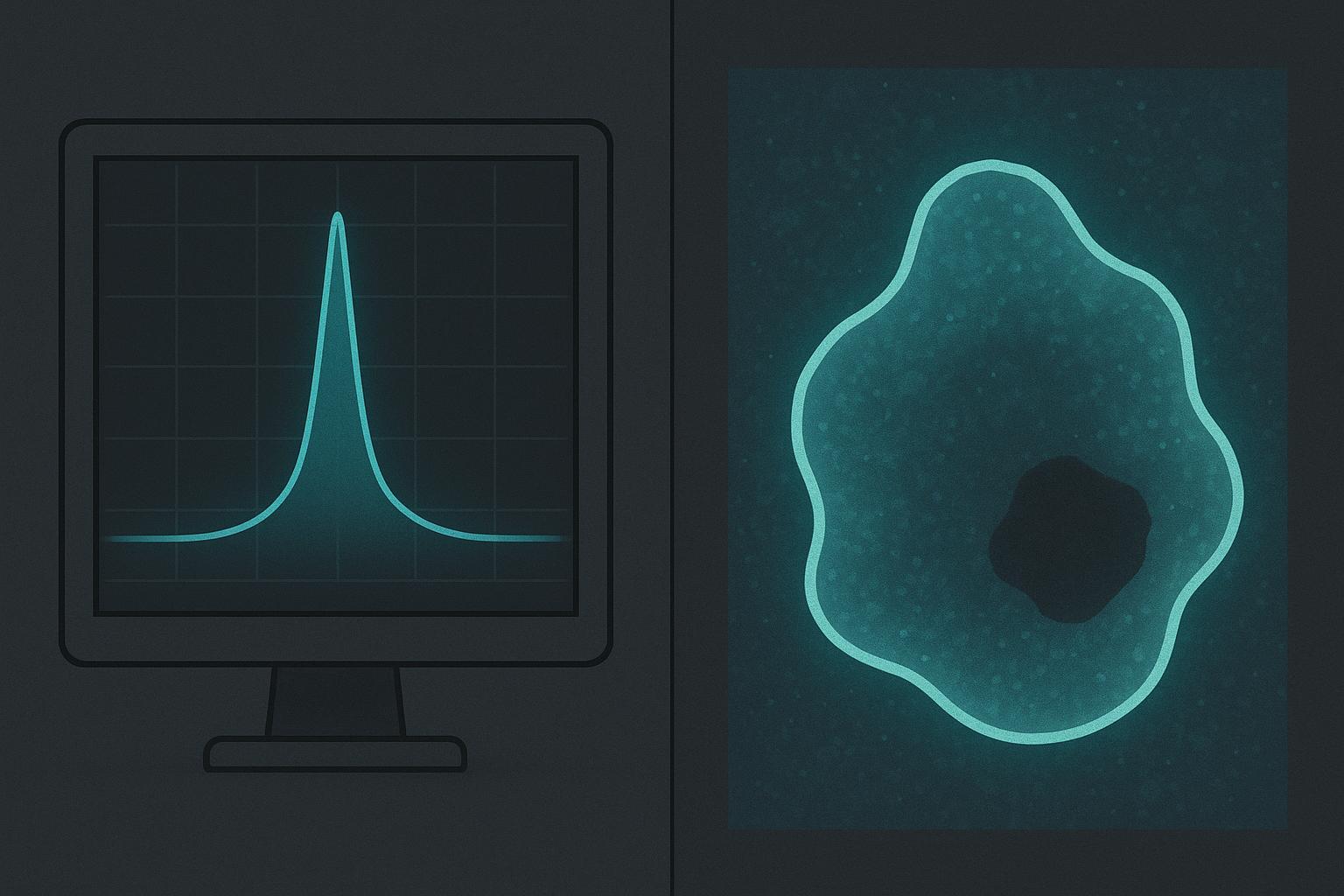
Tiêu chí giải phóng chính cho peptide hoạt động màng là một số duy nhất: độ tinh khiết của khu vực HPLC pha đảo, thường bằng hoặc cao hơn 95%, cộng với phổ khối lượng xác nhận khối lượng nguyên vẹn dự kiến. Tiêu chuẩn đó thực sự hữu ích, và điều đáng nói là chính xác về những gì nó thiết lập. RP-HPLC báo cáo độ tinh khiết sắc ký, nghĩa là tỷ lệ vật liệu hấp thụ tia cực tím nằm ở đỉnh chính, trong khi khối phổ báo cáo khối lượng nguyên vẹn và, với MS/MS, hỗ trợ phân mảnh cấp độ chuỗi (Chương phương pháp PMC). Họ cùng nhau trả lời một câu hỏi thực sự: những gì đã được thực hiện, và nó tinh khiết đến thế nào.
Bản thân các cấp độ là quy ước chứ không phải là yêu cầu. Các nhà cung cấp thường trích dẫn diện tích ≥95% RP-HPLC làm mức sàn cấp nghiên cứu, ≥98% là sàn nghiên cứu và GMP hiện đại, và ≥99% đối với tài liệu cao cấp hoặc lâm sàng (bộ tham chiếu độ tinh khiết peptide, 2025). Đây là những quy ước của nhà cung cấp được báo cáo, không phải là một ủy quyền bổ sung.

View trở nên nổi trội vì nó rẻ, nhanh, trực giao, và đủ cho hầu hết các mục tiêu không có màng. Nguồn gốc của nó là thực hành hóa phân tích, không phải sinh lý học, đó là nơi xuất hiện những hạn chế kiểm tra độ tinh khiết peptide đầu tiên: độ tinh khiết theo phần trăm diện tích không nêu tên các tạp chất mà nó loại trừ.
⚠️ Cảnh báo: độ tinh khiết theo phần trăm diện tích không định lượng được trình tự xóa, sự cắt ngắn, diastereomer đồng rửa giải, phản biện (TFA, axetat, clorua) hoặc hàm lượng nước, vì vậy hàm lượng peptide ròng có thể khác với trọng lượng nhãn (hướng dẫn kiểm tra độ tinh khiết peptide, 2026).
Tổng hợp peptit Do đó, hai mẫu có khối lượng danh nghĩa bằng nhau có thể mang nồng độ hiệu quả khác nhau, và không có chứng chỉ nào cho bạn biết liệu peptide có được chèn vào hay không, oligome hóa, hoặc hình thành lỗ rỗng ổn định trên màng.
Cái gì 2026 Nghiên cứu hình thành lỗ chân lông thực sự cho thấy
Việc tái cấu trúc đó bắt đầu với 2026 Sinh học hóa học tự nhiên nghiên cứu từ Deb và đồng nghiệp, xử lý thiết kế peptide hình thành lỗ chân lông như một đặc tính được mã hóa theo trình tự thay vì kết quả thanh lọc. Đội đã chạy 51 µs của động lực phân tử hạt thô không thiên vị (Martini 2.2 / GROMACS) đại khái 150 lỗ chân lông xuyên màng bát phân được lắp ráp sẵn trong POPC, xác nhận quỹ đạo với 2 µs mô phỏng toàn nguyên tử, sau đó tổng hợp 22 peptide và kiểm tra chúng bằng cách rò rỉ calcein, điện sinh lý hai lớp phẳng, AFM thời gian thực, đĩa CD, và vận chuyển dextran GUV (Hiệp hội peptide Hoa Kỳ, 2026-08-06).
Hai kết quả quan trọng đối với bất kỳ ai chỉnh sửa trình tự. Đầu tiên, độ dẫn đạt đến các bước riêng biệt: giá trị lỗ đơn của 0.116, 0.251, 0.353, Và 0.424 nS (Hiệp hội peptide Hoa Kỳ, 2026-08-06). Một lỗ chân lông thùng, nơi các peptit xếp thành một kênh cố định, và lỗ hình xuyến, nơi lớp lipid kép tự uốn cong vào lớp lót, tạo ra các dấu hiệu độ dẫn khác nhau, vì vậy mô hình từng bước là một bản đọc của kiến trúc, không chỉ là bao nhiêu peptide bị ràng buộc. Thứ hai, AFM thời gian thực bắt được lỗ chân lông 6 rộng nm bên trong 20 phút bổ sung peptide (Hiệp hội peptide Hoa Kỳ, 2026-08-06).
Đường ống cũng chưng cất 52 mẫu trình tự cho phép trong bốn lớp, được xếp hạng theo mật độ tương tác từ quá trình quét MD 150 peptide (Hiệp hội peptide Hoa Kỳ, 2026-08-06). Đọc những con số đó dưới dạng điều kiện khảo nghiệm, không phải hằng số: mỗi giá trị độ dẫn thuộc về một mô hình hai lớp cụ thể, cường độ ion, và điện áp, và không ai trong số chúng chuyển trực tiếp sang hệ thống màng khác.
Cách chỉnh sửa trình tự di chuyển một peptide giữa các kiểu hình lỗ chân lông

Đơn vị làm thay đổi trình tự peptide và hoạt động của màng là sự thay thế, không phải peptit. Các chỉnh sửa đơn lẻ và chỉnh sửa theo nhóm có thể di chuyển một đường trục giữa ba trạng thái: không có hoạt động màng, rò rỉ thoáng qua, và lỗ chân lông ổn định.
Vị trí thơm là đòn bẩy rõ ràng nhất. Trong thiết kế của Deb và cộng sự, vị trí thơm tối ưu được chuyển từ dư lượng 13 Và 19 trong lõi 30 dư để 13, 15, 8 Và 26 khi lõi được rút ngắn thành 22 dư lượng, và độ nghiêng xoắn thay đổi từ 50° đến 30° so với màng bình thường (Hiệp hội peptide Hoa Kỳ, 2026-08-06). Điện tích có thể thay thế cho sự neo đậu đó: bốn cầu muối Arg–Asp trên mỗi giao diện vẫn giữ được tính toàn vẹn của lỗ chân lông ngay cả khi loại bỏ lớp thơm (Hiệp hội peptide Hoa Kỳ, 2026-08-06). Tĩnh điện tạo ra động lực, vì các peptit cation cho thấy gần như 20 kJ mol⁻¹ ái lực lớn hơn với POPE anion:POPG hơn là hai lớp POPC zwitterionic (Hiệp hội peptide Hoa Kỳ, 2026-08-06).
Hóa học lập thể là một trục thứ hai độc lập. Việc hoán đổi mọi dư lượng của DpPorA thành D-enantome của nó đã thay đổi độ dẫn đơn vị từ khoảng 4 nS đến 1.5 ± 0.3 nS tại +100 mV trong 1 M KCl (n = 75), và xuyên qua 100 chèn phần chia dạng D 75%/25% giữa trạng thái ~1,5 nS và ~4 nS với PK⁺/PCl⁻ ≈ 7:1 (Ge và cộng sự., Nat chung, 2022-09-14).
|
Tính năng trình tự |
Hiệu ứng màng dự kiến |
Xét nghiệm phát hiện nó |
|---|---|---|
|
sự tự lực |
Liệu peptit có thể trải dài qua lớp kép dưới dạng chuỗi xoắn liên tục hay không |
Lưỡng sắc tròn trong POPC và POPE:mụn nước POPG |
|
Khoảnh khắc kỵ nước |
Độ sâu và độ ổn định của màng chèn |
Sự dịch chuyển huỳnh quang tryptophan; động học rò rỉ mụn nước |
|
Vị trí sạc |
Tính chọn lọc của nhóm đầu lipid và ổn định cầu muối |
Tiềm năng Zeta; độ dẫn trong lớp kép anion và zwitterionic |
|
Vị trí thơm |
Neo bề mặt và nghiêng xoắn ốc |
Lưỡng sắc tròn định hướng; góc nghiêng NMR trạng thái rắn |
|
Hình học và độ nghiêng |
Những hình thức kiến trúc nào: gậy đóng thùng, hình xuyến hoặc tấm β |
Độ dẫn đơn kênh; đĩa định hướng; FTIR amit I |
Lysine, dư lượng arginine và cồng kềnh hơn đóng vai trò là người gác cổng giải hấp màng, chặn chèn sâu hoặc dịch chuyển hàng loạt (PMC, 2021-12-24).
Tại sao kiểm tra độ tinh khiết không thể dự đoán hành vi của màng
Có lẽ bạn đã thấy điều này rồi: hai lọ, cùng khối lượng danh nghĩa, cùng một chứng chỉ, và một trong số chúng đơn giản là không hoạt động theo cách mà xét nghiệm yêu cầu. Giấy chứng nhận không sai. Đó là trả lời một câu hỏi hẹp hơn câu hỏi bạn đang hỏi.
HPLC pha đảo và phép đo phổ khối thiết lập nhận dạng và độ tinh khiết sắc ký. Không thiết lập cấu trúc nếp gấp hoặc cấu trúc thứ cấp, trạng thái oligomeric, trạng thái tổng hợp trong điều kiện tự nhiên, hoặc hành vi của màng; những yêu cầu xét nghiệm sinh lý hoặc dựa trên tế bào riêng biệt (Đánh giá phân tích PMC). Độ tinh khiết theo phần trăm diện tích cũng gây ra sự xáo trộn về nước và nước dư, vì vậy hai mẫu có khối lượng danh nghĩa bằng nhau có thể mang lại nồng độ hiệu quả khác nhau sau khi hòa tan. Nồng độ hiệu quả khác nhau có nghĩa là hoạt động màng biểu kiến khác nhau, ngay cả khi trình tự giống hệt nhau.
Kết quả chức năng ồn ào vì lý do riêng của họ. Giá trị nồng độ ức chế tối thiểu thường di chuyển theo một đến hai bước pha loãng giữa các phòng thí nghiệm, người dùng và phương pháp, và bỏ qua các điều khiển, sử dụng sai chất cấy (quy định như 5 × 10⁵ CFU/mL) hoặc đi chệch khỏi điều kiện tăng trưởng có thể làm sai lệch kết quả (Đánh giá phương pháp MIC, 2024). Vấn đề về khả năng tái lập mở rộng đến việc dự đoán: trong một 2026 điểm chuẩn của 48 phương pháp dự đoán peptide kháng khuẩn được công bố, ít hơn 25% có thể tái sản xuất (Điểm chuẩn BATTLE-AMP, sinh học, 2026). Đó là chuẩn mực in sẵn của các phương pháp, không phải peptide, nhưng nó đặt ra kỳ vọng về mức độ quyết định thiết kế có thể được giải quyết trên giấy.
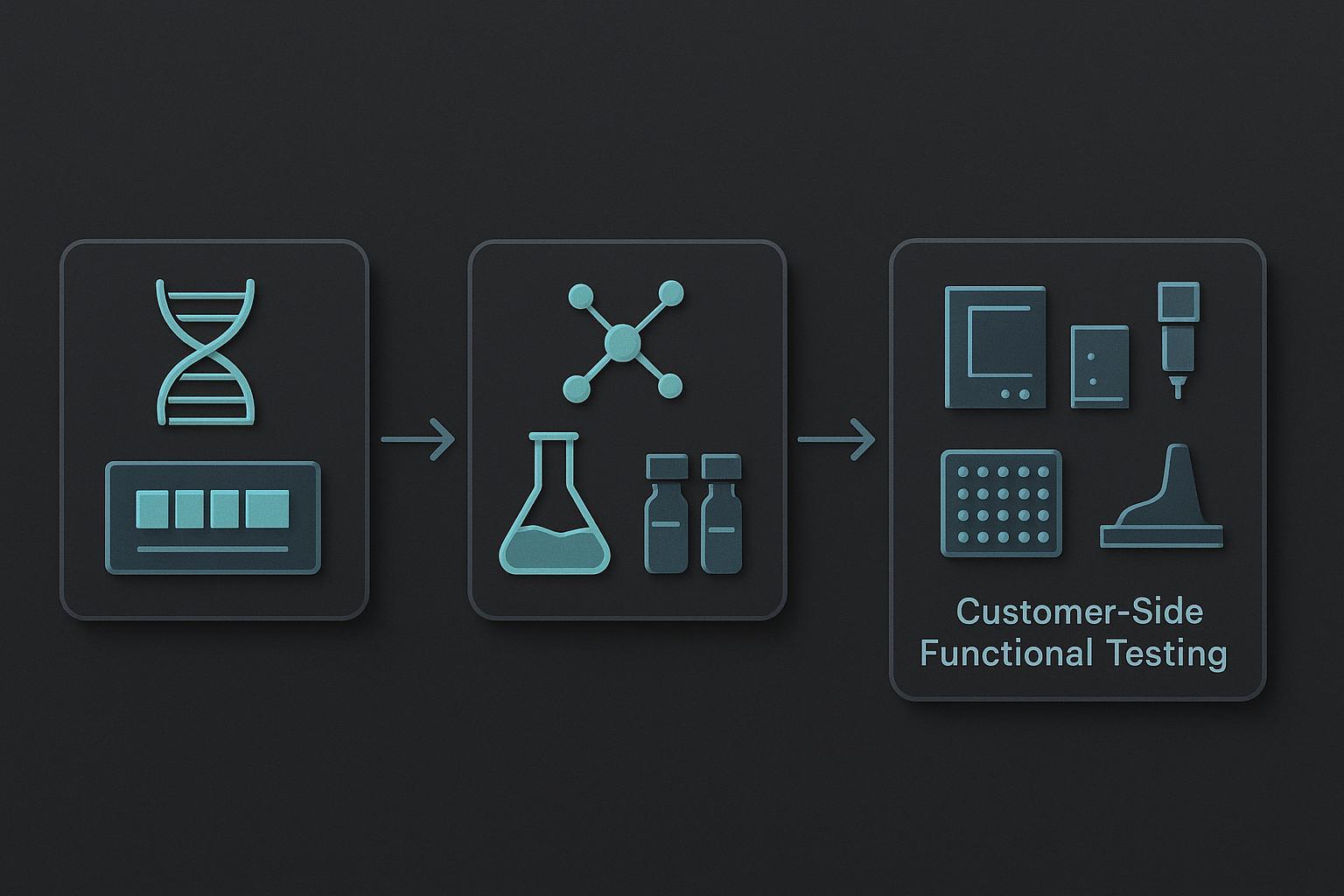
Đây là nơi kết thúc việc mô tả đặc tính peptide tùy chỉnh và công việc của riêng bạn bắt đầu.
Chìa khóa mang đi: thử nghiệm phát hành phân tích là phía nhà cung cấp; Kiểm tra chức năng màng là phía khách hàng.
Một khuôn khổ tốt hơn cho thiết kế peptide hình thành lỗ chân lông
Thiết kế các peptide tạo lỗ chân lông dựa trên kiến trúc lỗ chân lông mục tiêu và xét nghiệm mục tiêu, không chống lại một đặc điểm kỹ thuật tinh khiết. Sự thay đổi duy nhất trong mục tiêu thiết kế sẽ tổ chức lại toàn bộ dự án.
Năm nguyên tắc tuân theo từ 2026 dữ liệu:
-
Chọn kiến trúc đầu tiên. Quyết định xem bạn có muốn một cây gậy đóng thùng hay không, hình xuyến, hoặc lỗ chân lông bị mỏng đi rối loạn trước khi bạn chạm vào chuỗi, bởi vì mỗi kiến trúc bao hàm một tập hợp các ràng buộc trình tự khác nhau.
-
Coi vị trí thơm và cầu muối là lớp ổn định. Chúng chi phối việc tập hợp giữ lại với nhau trong một màng bao lâu, không phải nó liên kết mạnh mẽ như thế nào.
-
Coi vị trí điện tích là lớp chọn lọc. Nơi mà các gốc cation nằm tương đối với các bộ mặt kỵ nước tạo màng cho peptit phân biệt giữa.
-
Coi hóa học lập thể như một biến kiểu hình. Sự thay thế axit D-amino không phải là chú thích cuối trang; nó có thể di chuyển một peptide giữa các kiểu hình lỗ chân lông.
-
Cam kết trước về chức năng đọc trước khi tổng hợp. Quyết định khảo nghiệm, hệ thống lipid, và tỷ lệ peptide-lipid trước, vì vậy lô tổng hợp có thứ gì đó cần được kiểm tra.
Điểm chứng minh là điều này có thể thực hiện được ở quy mô lớn. MỘT 2026 quy trình thiết kế đã chuyển từ quét 150-peptide trong silico sang 22 peptide tổng hợp, với sự rò rỉ calcein và độ ẩm lỗ chân lông được tính toán tương quan trên toàn bộ. Peptit chì, KDFA2i + 9-NH₂, sản xuất đại khái 20% giải phóng calcein với tỷ lệ peptide-lipid là 1:2,000, tăng với tỷ lệ cao hơn (Hiệp hội peptide Hoa Kỳ, 2026). Hãy để ý con số đó là gì: một kết quả chức năng ở một tỷ lệ xác định trong một hệ thống xác định, đó chính xác là loại bằng chứng mà chứng chỉ phân tích không thể cung cấp.
Dành cho các nhóm không có sự tổng hợp nội bộ, MOL Changes hỗ trợ công việc sửa đổi và thiết kế trình tự tùy chỉnh, có thể được sử dụng để biến kiến trúc đã chọn thành một peptit có thể đặt hàng trong khi việc kiểm tra chức năng vẫn nằm trong xét nghiệm của riêng bạn.
Không có điều nào trong số này là xác định. Quy tắc tuần tự đến lỗ chân lông có tính xác suất, và một số peptide được thiết kế tốt vẫn sẽ thất bại trong thử nghiệm đầu tiên. Giá trị của khung này là nó làm cho thất bại mang tính thông tin hơn là mơ hồ.
Chọn các xét nghiệm chức năng bổ sung cho dữ liệu về độ tinh khiết
Bước hành động đầu tiên là chọn xét nghiệm trả lời được câu hỏi mà việc kiểm tra độ tinh khiết không thể thực hiện được: không phải “cái gì trong lọ này,” mà là “peptide này có tác dụng gì với màng.” Vì Peptide tổng hợp xét nghiệm chức năng cho các peptide hoạt động màng, điều đó có nghĩa là khớp kết quả đọc với thuộc tính lỗ rỗng đang được thử nghiệm thay vì mặc định cho bất kỳ đầu đọc đĩa nào miễn phí.
Sự rò rỉ canxiein đo sự giải phóng thuốc nhuộm từ các túi lipid và báo cáo khả năng thẩm thấu số lượng lớn. Quá trình khử cực DiSC₃-5 theo dõi sự mất điện thế màng trên màng vi khuẩn, nên nó báo cáo sự gián đoạn màng tế bào trong bối cảnh sinh lý hơn. Ghi âm kênh đơn hai lớp phẳng đo dòng điện qua từng lỗ chân lông tại một thời điểm, đây là cách duy nhất trong ba cách giải quyết được độ dẫn đơn nhất.
Cả ba ngồi trên thang đo độ nhạy rất khác nhau. Sự rò rỉ canxi thường cần nồng độ peptide trong 1 ĐẾN 25 Phạm vi µM so với khoảng 20 µM lipid với 75 mM canxi nội bào, trong khi các hiệu ứng khử cực DiSC₃-5 tập trung xung quanh 19 µM. Công việc đơn kênh đạt nồng độ dưới micromol đến micromol thấp, với những phát hiện được công bố tại 0.3 µM, 0.8 ĐẾN 4.1 µM, Và 6.2 µM, giải quyết độ dẫn từ khoảng 6 ĐẾN 360 pS lên đến phạm vi nanosiemens. Một peptit trông có vẻ trơ trong xét nghiệm rò rỉ có thể chỉ nằm dưới mức phát hiện của chỉ số đó.
|
xét nghiệm |
Hỏi nó trả lời |
Kiểm soát bắt buộc |
Điểm mù |
|---|---|---|---|
|
rò rỉ canxi |
Liệu peptit có thấm vào lớp lipid kép với số lượng lớn không?? |
Mụn nước không có peptide; chất tẩy rửa cho 100% giải phóng |
Trung bình đi thoáng qua hoặc lỗ chân lông hiếm |
|
Khử cực DiSC₃-5 |
Liệu nó có làm suy giảm tiềm năng màng? |
Kiểm soát proton; màng không chứa peptit |
Không thể tách sự hình thành lỗ chân lông khỏi quá trình hòa tan màng |
|
Kênh đơn hai lớp phẳng |
Độ dẫn đơn nhất và tuổi thọ của một lỗ chân lông là gì? |
Lớp kép không chứa peptide; chạy ngược điện áp |
Thông lượng thấp; một lỗ chân lông có thể không đại diện cho dân số |
Điểm mù ở hàng ghế đầu không phải là giả thuyết. Một D-peptide dựa trên Wza, DcWza, tạo ra độ dẫn đơn nhất của 0.95 ± 0.1 nS tại +200 mV trong 1 M KCl ngang qua 50 sự kiện, tuy nhiên khả năng thẩm thấu của bọng nước sau một giờ là 4.6 ± 2.5% chống lại sự kiểm soát của 4.2 ± 2.1% (Ge và cộng sự., Truyền thông thiên nhiên, 2022). Các lỗ thoáng qua thoát ra thay vì tồn tại hầu như không để lại dấu vết trong kết quả đọc rò rỉ số lượng lớn. Đó là trường hợp chạy công việc một kênh cùng với, không thay vì, xét nghiệm mụn nước.
Thực hiện, theo thứ tự:
-
Xác định mô hình màng và thành phần lipid. Kết hợp hỗn hợp lipid với màng sinh học mà bạn quan tâm. Chiến thắng nhanh chóng: một ngày đọc sách và quyết định.
-
Chọn bài đọc. Rò rỉ số lượng lớn cho lần vượt qua đầu tiên, khử cực cho bối cảnh sinh lý, kênh đơn cho cơ chế. dài hạn: giàn khoan một kênh mất vài tuần để vận hành.
-
Sửa điều khiển. Túi không có peptide, một kẻ gây rối tích cực, và một mẫu trắng chỉ chứa dung môi. Chiến thắng nhanh chóng, nhưng bỏ qua nó sẽ làm mất hiệu lực mọi thứ ở hạ lưu.
-
Đặt phạm vi nồng độ. Trải rộng ít nhất hai bậc độ lớn xung quanh ngưỡng dự kiến của bạn, và ghi nhớ các tầng phát hiện ở trên.
-
Đăng ký trước tiêu chí pass. Viết ra những gì được coi là hoạt động trước khi bạn chạy đĩa. Đây là bước mà nhiều đội bỏ qua và tiếc nuối nhất.
Đo tốc độ rò rỉ, độ dẫn đơn nhất, và tỷ lệ chọn lọc. Dòng thời gian thực tế là từ hai đến bốn tuần đối với xét nghiệm mụn nước đã được xác thực và hai đến ba tháng trước khi dữ liệu một kênh được cấp xuất bản.
Hãy cẩn thận và nơi mà quan điểm thông thường vẫn được giữ vững
Các quy tắc thiết kế có tính xác suất, không xác định, và một số lỗ chân lông được thiết kế thất bại. Đó là hạn chế quan trọng nhất cần nêu rõ, bởi vì đó cũng là lý do chân thật nhất mà tư duy thuần khiết đầu tiên vẫn tồn tại: độ tinh khiết có thể đo lường được, có thể lặp lại, và giá rẻ để chứng nhận, trong khi hành vi của màng không phải là những thứ đó. Sản xuất peptit
Bối cảnh quan trọng hơn lập luận. Đối với các mục tiêu không có màng, hoặc để sàng lọc các thư viện nơi việc đọc bị ràng buộc thay vì tính thấm, Độ tinh khiết của RP-HPLC và MS thực sự là tiêu chí phát hành phù hợp, và các giới hạn kiểm tra độ tinh khiết peptide chỉ trở thành vấn đề khi chứng chỉ đó được yêu cầu trả lời một câu hỏi mà nó không bao giờ được thiết kế để trả lời.
Phần yếu nhất của vụ án chính là cơ sở bằng chứng. Phần lớn 2026 hướng dẫn thiết kế bắt nguồn từ một đường ống MD chi tiết thô duy nhất chạy trong POPC, và việc giải cứu cầu muối đã được chứng minh bằng mô phỏng trước khi có người tổng hợp được peptit. Không có kết quả nào sai; cả hai đều hẹp hơn quy tắc thiết kế ngụ ý.
Hãy coi khung như một công cụ tạo giả thuyết, không phải là một đặc điểm kỹ thuật. Nó cho bạn biết những chỉnh sửa trình tự nào đáng thực hiện và những thử nghiệm nào đáng chạy, và nó vẫn mong đợi một số lỗ chân lông đó sẽ thất bại.
Nhưng không đảm bảo độ tinh khiết cao cho hoạt động tái tạo của màng?
KHÔNG. Độ tinh khiết hạn chế những gì có trong lọ, không phải cách vật liệu đó lắp ráp thành một lớp kép. Thông số kỹ thuật ≥98% không phải là vô nghĩa, mặc dù: nó loại bỏ một lượng lớn các yếu tố gây nhiễu, bao gồm các chuỗi cắt ngắn, xóa tạp chất, và các sản phẩm phụ nhặt rác có thể làm xáo trộn bất kỳ hoạt động đọc nào. Điều nó không thể làm là cho bạn biết liệu peptit có chèn vào, oligome hóa, hoặc hình thành kiến trúc lỗ chân lông mà thiết kế của bạn giả định.
Nếu một dự án đã bị khóa trong quy trình phát hành chỉ thuần túy, bạn không cần phải xây dựng lại chương trình. Thêm một chỉ số chức năng trực giao, chẳng hạn như xét nghiệm rò rỉ túi hoặc phép đo độ dẫn hai lớp phẳng, và sử dụng nó để xác nhận rằng lô hàng được xuất xưởng hoạt động đúng như thiết kế đã định.
Xử lý hoạt tính được báo cáo từ peptide chỉ được đặc trưng bởi HPLC và MS dưới dạng tạm thời. Không có điều kiện và biện pháp kiểm soát xét nghiệm rõ ràng, bạn không thể biết liệu hiệu ứng quan sát được có đến từ peptide hay không, phản ứng dư thừa, hoặc bộ đệm.
Phần kết luận: Từ giấy chứng nhận độ tinh khiết đến bằng chứng chức năng
Độ tinh khiết là cần thiết nhưng chưa đủ để thiết kế peptide tạo lỗ chân lông: sắc ký đồ có thể xác nhận phân tử là gì, không bao giờ những gì nó làm ở màng.
Sự thay đổi thực tế nằm ở tiêu chí phát hành. Đối với peptide hoạt động màng, dữ liệu phân tích phải đi kèm với ít nhất một chức năng đọc, và số lượng hoạt động được công bố phải đi kèm với các điều kiện khảo nghiệm và biện pháp kiểm soát đã tạo ra chúng. Sự ghép đôi đó là yếu tố làm cho kết quả có thể được tái tạo trong tay người khác thay vì chỉ trong phòng thí nghiệm đã tạo ra kết quả đó..
Không có điều nào trong số này yêu cầu bạn xây dựng lại một chương trình hiện có. Bắt đầu bằng cách ánh xạ các tính năng trình tự mà bạn đã kiểm soát vào hoạt động của màng mà bạn thực sự cần, sau đó chọn xét nghiệm phát hiện hành vi đó. Quy trình thiết kế và danh sách kiểm tra đặc tính có thể làm cho việc lập bản đồ đó trở nên rõ ràng trước khi đặt hàng lô tiếp theo.
Hướng di chuyển hướng tới các quy tắc thiết kế mang tính xác suất nhưng có thể sử dụng được: đủ tốt để thu hẹp không gian chuỗi, đủ trung thực để nói khi lỗ chân lông được thiết kế sẽ không hoạt động như dự định.