为什么 $300 百万基准重塑了肽发现和开发中的人工智能

金斯瑞九月 2026 股份配售大致 $300 单一索赔背后的百万美元: 人工智能在肽发现和开发方面的瓶颈位于管道的前端, 不是后面. 公司发行 77,126,000 向至少六名独立投资者发行每股 30.50 港元的新股, 净集资约23.3亿港元 (配售条款, 2026-09-17). 被广泛重复的“3亿美元”是对此次融资的全面描述,而不是文件本身的数字.

钱流到哪里比标题更重要. 资金分配细目将约 16.3 亿港元用于人工智能驱动的药物发现平台能力和基础设施, R 约 4.7 亿港元&D, 数字化工作流程整合和全球扩张, 约2.3亿港元用作一般企业用途 (2026-09-17). 所述自动化目标是“基因到蛋白质”工作流程,从人工智能生成的序列到生物构建再到实验验证, 围绕“4 天人工智能到生物学验证引擎”和一个目标构建 60% 到年底,全球产能将由人工智能自动化驱动 2026. 这 罗望子生物合作 被描述为将人工智能分子设计与快速实验室验证相结合 (2026-08-05).
分析前的一份采购说明: 配售和分配数据可追溯至各金融机构重新报告的单一上游配售公告, 所以它们是同一个来源, 不是四个独立的确认. 本文的其余部分审核了资助预测要么成为分析级材料,要么不成为分析级材料的交接点。.

要点: 资本针对的是实验验证前的细分市场, 这意味着判断的基准不是模型性能,而是综合后的结果, 纯化和身份确认.
传统观点: 人工智能已经压缩了肽的发现时间
主流立场是生成式设计, 多参数优化, 和高性能计算已经缩短了从设计到候选的时间线, 供应商平台现在提供端到端人工智能肽药物发现. 金斯瑞表示,其“基因到蛋白质”工作流程正在为此目的而构建, alongside 规定的自动化目标 大致上 60% 到年底,其全球产能的一半将由人工智能自动化驱动 2026. Tamarind Bio 的合作旨在将人工智能分子设计与快速实验室验证联系起来, Lilly TuneLab 下的联合学习安排让成员生物技术人员贡献实验结果,以改进预测可开发性和 ADMET 特性的模型.

这种观点很受欢迎,因为它方向正确且具有商业可读性. 结构预测和属性建模十年来的真正进展为这一主张奠定了基础, 供应商现在将整个链条作为一种产品进行营销. 厂商自有平台对比 报告大于 95% 合成成功率 75% 行业平均水平, 序列高达 200 氨基酸针对规定的 4 到 50 氨基酸市场平均水平. 这些数字是供应商声明的, 未经独立验证.
传统观点的突破之处: 三个交接点
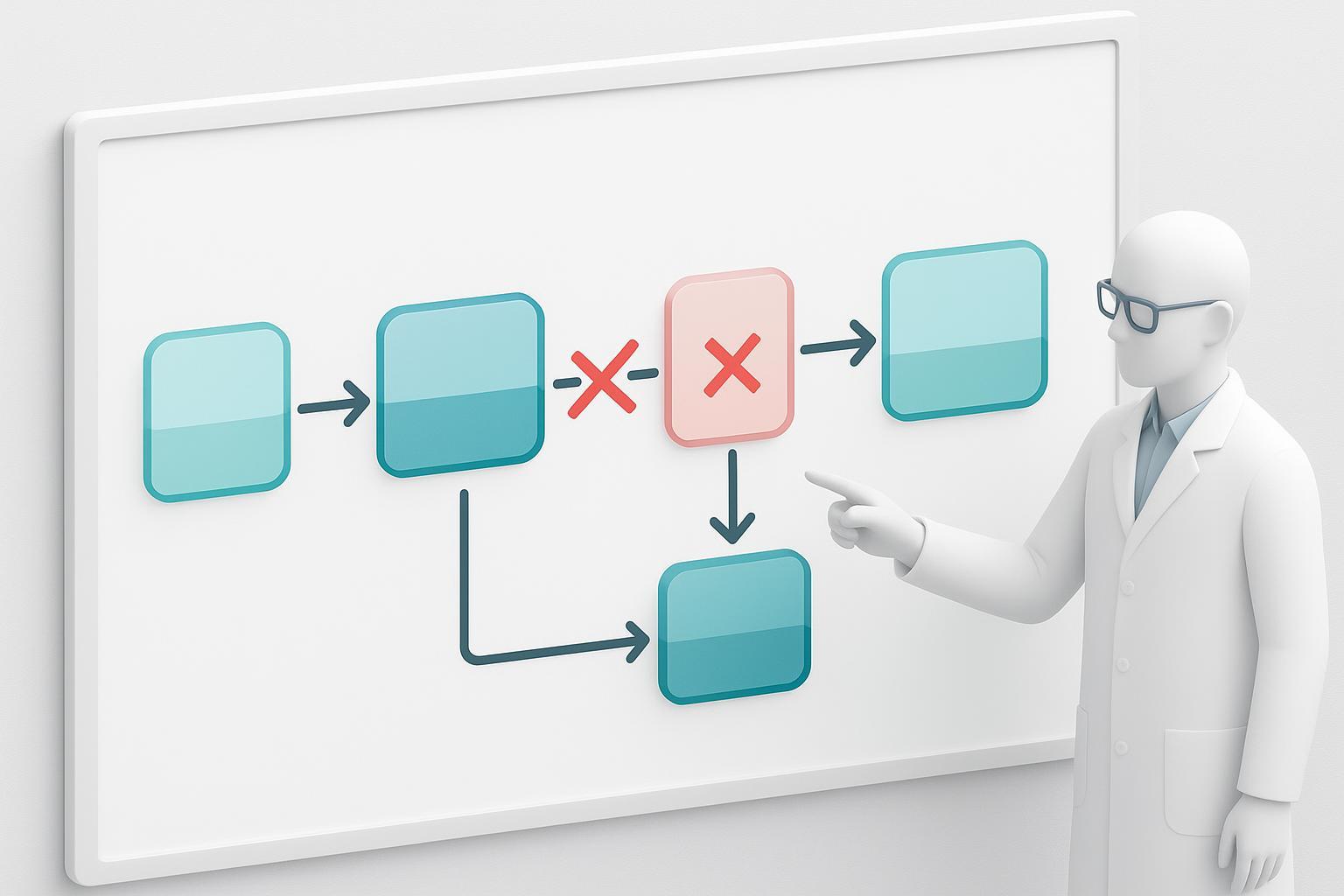
管道不连续, 它的不连续性是候选人死亡的地方. 模型得分, 综合运行, 和测定读数是三个独立的系统,具有三种不同的故障模式, 传统的观点将它们从序列到结果折叠成一条平滑的线.
第一个突破是评估协议通胀. 引用报告的指标时经常没有区分随机分割的测试集和结构不同的测试集, 因此,当标题数字仅反映模型在熟悉的序列空间内插值的情况时,它可以被视为经过验证的性能. The recent review of data-driven peptide design makes this critique directly: 一旦测试集被支架分割而不是随机分割,报告的歧视分数可能会大幅下降, 这是类似于真正新颖的候选人的分裂.
The second break is synthesis feasibility, which is not a model output. When AI-nominated sequences reach the resin, CDMO 切换清单列出了以下故障模式: incomplete Fmoc deprotection, 树脂上聚集的耦合衰减和空间位阻, 来自失败耦合的 N-1 和 N-2 删除序列, 粗品纯度低, 且回收率低. Length compounds the problem. 金斯瑞自己的指南指出,肽的长度超过 100 氨基酸“极难合成”,需要通过断裂和连接逐案处理, 每 the vendor’s own synthesis guidance.
The third break is assay artifact. 亚微米胶体聚集体可以非特异性吸附到板和传感器芯片上, 产生人工纳摩尔信号,该信号在单分散控制下消失.
肽合成质量控制是这些突破口. All three share one root cause: 传统观点将预测视为结果.
⚠️警告: 模型报告的指标只有在反映真实序列新颖性的拆分中幸存下来后才算经过验证的性能.
数据实际上显示了人工智能设计的肽的哪些内容
The same numbers that get quoted as proof of AI-driven design success support a narrower claim: AI is a triage and prioritization layer whose output is a hypothesis, 不是结果. Read the evaluation conditions and the ceiling becomes visible.
The sequence-only developability benchmark reports 91.09% hemolysis, 86.30% non-fouling, 和 75.56% solubility accuracy under similarity-controlled splits (仅序列可开发性基准, 2023-11). PeptideBERT’s reported accuracies land in a compatible range on overlapping endpoints, 大致 86.05% hemolysis, 88.37% non-fouling, 和 70.02% 溶解度, which is partial independent corroboration rather than an echo (PeptideBERT preprint, 2023-09). 溶解度是两者中最弱的端点.
The CamSol-PTM solubility work shows why that matters for peptide developability screening: 平均皮尔逊相关性 0.72 非天然氨基酸肽, 落到 0.58 on GLP-1 variants and 0.60 在泛化集上, with two designs excluded as non-producible (CamSol-PTM, 自然通讯, 2023-11). 模型可以很好地对溶解度进行排名,并且仍然指定无法制作的序列.
三门序列取代单一置信度分数: 计算分类, then a synthesis feasibility screen, 然后分析发布. 候选人仅在每个门的实验证据上取得进展, 这就是人工智能设计的肽验证在实践中的意义.
更好的方法: 审核发布数据, 不是模型指标
评估支持人工智能的肽供应商的分析发布文档, not on the model performance they report. The principle behind that shift is simple: 预测的好坏取决于供应商能够为您提供的材料及其背后的可追溯分析记录. 从上述交接点得出四个要求.
-
询问每项性能声明背后的评估条件. A random split and a structurally dissimilar test set produce very different numbers, and only one of them tells you how the model behaves on chemistry it has not seen.
-
Require orthogonal identity confirmation, 没有一次大规模检查. The proposed orthogonal validation suite pairs RP-HPLC on C18 and C4 with ESI-MS or MALDI-TOF, adds circular dichroism across far-UV 190 到 260 纳米, DLS or SEC-MALS with a polydispersity index below 0.15, and an Ellman’s assay for free thiol under 0.05 mol SH/mol 肽. These are publisher-proposed criteria, not a standards-body mandate, so treat them as a starting specification to negotiate.
-
Require lot-to-lot traceability and a stated convention. The mass-balance convention 目标肽的总和, 肽类杂质, 抗衡离子和水 100% 是使批次之间的纯度数据具有可比性的原因.
-
多肽合成 Require scale-up evidence from mg to kg, not a single-scale demonstration. The published scale ranges describe vendor specifications rather than independent benchmarks, so ask which scale the release data actually came from.
对于小费: Ask for the split protocol before you ask for the performance number. A vendor who can describe the test set can usually describe the assay data too.
Suppliers such as MOL Changes publish analytical release documentation of this kind, which makes the audit a document request rather than a capability guess. This is where peptide synthesis quality control stops being a marketing claim and becomes a set of files you can read.
如何应用这个: A Buyer’s Evaluation Sequence
Request the analytical release package before you sit through the capability deck. 这一逆转将对话从模型可以预测的内容转变为供应商可以证明的内容, 这是对已验证材料的供应商和已验证幻灯片的供应商进行分类的最快方法.
-
询问任何报告的模型指标背后的评估协议. 请求训练/测试分割方法, 保留的集合组合, 以及报告的数字是来自回顾性评分还是前瞻性综合. Same-day ask, 答案告诉你这个数字是基准还是营销资产.
-
提交已知困难的序列作为可行性探测. 疏水性或易聚集的延伸段所揭示的内容比目录肽所揭示的更多. Peptides over 100 氨基酸根据供应商自己的合成指导逐案处理, 因此,选择靠近该边界的探头,而不是在舒适的范围内. Days to weeks.
-
根据正交确认审核分析包, not a single LC-MS trace. 一张质谱图确认质量, not sequence. 询问供应商如何应用建议的正交验证套件,以及哪些方法是常规方法,哪些方法是单独引用的.
-
请求批次数据和用于报告净肽含量的质量平衡惯例. 这就是质量平衡公约的重要性: 合成肽 以肽质量表示的纯度和以总干重表示的纯度是不同的说法, 其中只有一个能够在规模化生产中幸存下来.
-
确认从毫克到公斤的放大证据,纯度保持在规格范围内. 发布的比例范围显示了供应商所宣传的内容; 批次历史记录显示了重复的内容.
步
已请求神器
它建立了什么
典型的努力
1
Evaluation protocol and split methodology
该指标是前瞻性的还是回顾性的
同一天
2
Feasibility probe on a difficult sequence
Whether design claims survive synthesis
Days to weeks
3
Orthogonal confirmation package
Sequence identity beyond a single trace
天
4 多肽生产
Lot-to-lot data and mass-balance convention
Whether purity claims are comparable across lots
周数
5
扩大规模的证据, 毫克 至 千克
Whether specification holds as batch size grows
长期来看
跟踪批次之间的纯度和特性是否一致, not whether the first lot passed. 没有可行性调查或批次历史记录的供应商不会被取消资格, 但未经证实, 你应该将这种不确定性纳入决策之中.
这个论点最薄弱的地方
这里提出的分析发布标准不是监管要求, and a vendor that meets it is not thereby a better scientific partner. 这是买方尽职调查框架, assembled from published practice rather than from any binding guidance. 上一节中描述的正交验证套件是出版商提出的, 并且没有监管机构强迫赞助商在引用设计平台的输出之前运行它.
这种区别在早期探索性工作中最为重要. 如果目标是对研究团队进行分类的假设进行排序, 模型指标可能完全足够, 并且在该阶段要求进行全面的发布审核与工作的目的不相称. 当预测即将成为分析级材料时,审计就会产生成本.
一个诚实的限制: 评估方案的批评部分依赖于本轮研究无法重新验证的基准数据. 如果这些数字在严格的分割下下降得比报告的要少, 批评减弱, 尽管它描述的交接点在已发表的合成和纯化实践中仍然可以观察到.
立场是预测应该经过审计, 没有被解雇. Sequencing evidence is the argument, not rejecting computational methods.
但更快的设计是否仍能创造真正的价值?
是的, and nothing in this argument disputes it. 压缩搜索空间并决定哪些序列值得制作是真正的工作,可以真正节省成本, 这就是人工智能在肽发现和开发中赢得一席之地的地方.
最清晰的已发表的例子是 AlphaFold 筛选的主动学习研究, 报告正在恢复 50% 所有粘合剂使用 15% of the queries that exhaustive sampling would require, a 3.3× improvement over random sampling. That is a substantial gain in query efficiency, and it is worth being precise about what it measures: how many candidates a model must evaluate to surface a shortlist. The result is a preprint and has not been peer reviewed, so treat the magnitude as provisional rather than settled.
The disagreement is narrower than it looks. Query efficiency is a design-stage gain. It tells you which sequences to order. It says nothing about whether the binders you recover can be synthesized at specification, purified to an acceptable impurity profile, or confirmed by an orthogonal method. A shortlist that cannot clear those steps is a faster route to a failed lot.
如果我们已经投资了人工智能设计平台怎么办?
The investment is not wasted, 并且过渡是附加的而不是重新启动. A design platform keeps doing what it does well: 对候选人进行排名, 负债率下降, and narrowing a large sequence space to a shortlist worth making. What changes is that the organization adds a feasibility and release gate downstream, where each shortlisted candidate is judged on synthesizability, 净化行为, 以及在消耗检测能力之前进行正交身份确认. The two layers are complementary, 不竞争.
The practical sequencing is straightforward. 保留模型. 添加探头. Then require the full analytical package on the first three candidates before scaling the relationship to routine work. That last step matters because it converts a vendor relationship into a documented one: 您了解平台的预测如何根据您自己的发布标准进行操作, on your own sequences, rather than against a benchmark set.
Where a transition metric would help, note that figures of this type vary by source, so treat any single number with caution. 联邦学习安排是基本原则的有用说明: 当设计输出和实验结果连接在一个循环中而不是保存在单独的系统中时,它们可以相互改进.
您如何回应供应商引用强大的已发布基准?
参与基准测试的方法而不是争论其数字. A high score under a random train-test split and a lower score under a scaffold or single-linkage split are both correct measurements of different things, 有用的问题是供应商的声明实际描述了哪种衡量标准. That is a question about scope, not about honesty.
最近对数据驱动的肽设计的回顾使这一点具体化: 随机分割让几乎重复的类似物位于分区的两侧, 因此,模型可以通过识别其训练集的近亲而不是推广到新的化学系列来获得良好的分数. 支架和单连杆拆分消除了该捷径并产生更低的, more honest numbers.
CamSol-PTM 溶解度工作在终点水平显示出相同的效果. Its reported performance averages around 0.72 across the benchmark, 但下降到大约 0.58 关于 GLP-1 变体, a narrower and harder scope. Both figures are real. Neither is the whole story.
For AI-designed peptides validation, the practical move is to ask which split, 哪个端点, and which chemical scope produced the number. 发布拆分方法的供应商更容易评估, 不难, 因为索赔到达时附带了其边界.
行业需要的转变
The benchmark GenScript’s $300 百万集筹集应以分析发布能力来衡量, 不是模型指标. That is the argument this piece has built toward, 它直接源于管理层自己的加薪框架: 首都扩大实验验证前的部分, while synthesis execution, 分析严谨性, 无菌生产能力保持不变.
What needs to change is a market norm, not a single vendor’s practice. 人工智能肽供应商应在性能声明的同时公布评估条件, 并与能力平台一起发布正交分析数据, following something like the proposed orthogonal validation suite rather than a headline accuracy figure. 买家在将设计声明视为可交付成果之前应询问两者.
The vision is modest but useful: “人工智能设计”成为关于序列来自何处的声明, and the release package decides whether it is usable. The next step is concrete. Request the analytical documentation and validation package for a candidate you are evaluating, 并根据该包装在肽发现和开发方面实际展示的人工智能内容来判断供应商.
披露: MOL Changes 在此处讨论的肽 CDMO 市场开展业务, so this analysis carries a commercial interest. Nothing in this article is medical or clinical advice; 在做出具有生物学或临床影响的决定之前咨询合格的专业人士.