多肽质量治理: 根据需求进行规模控制

多肽质量治理: 根据需求进行规模控制

为什么肽质量治理现在成为一个评估问题, 不是采购问题

一侧的分析摘要证书与带有色谱图的完整批次记录之间的分屏对比, 质谱和方法参考

肽质量治理已从采购问题转变为评估问题. 肽治疗市场的增长速度约为 11% 一年, 起价 $49.21B 在 2025 至 $54.62B 2026 根据 商业研究公司的全球肽治疗市场报告 2026, 执法力度也随之扩大: 11家肽公司一年内收到FDA警告信, 跨越两个 2026 追踪的群组 Peptifact FDA 警告信追踪器.

关键的问题不再是供应商是否存在. 而是您是否能够捍卫您选择的供应商背后的验收标准. FDA 的三月 2026 致 Gram Peptides 的警告信FDA 八月 2026 致 Peptide Partners LLC 的信 两者都开启 FDA 的预期用途测试, 不在纯度数字上. 这 FDA 警告信索引 可以按日期过滤, 所以记录是可以检查的.

多肽质量治理: 根据需求进行规模控制

要点: 治理问题已从寻找供应商转变为捍卫验收标准.

四个支柱组织了这篇文章的其余部分: 规格, 可追溯的文档, 适合目的测试, 和负责任的沟通.

多肽质量治理: 根据需求进行规模控制

传统观点: 根据纯度百分比和分析证书购买

主流立场很简单: 供应商提供的分析证书显示高反相 HPLC 纯度数据是质量的充分证据, 价格加上规定的纯度是合理的选择标准. 这个规范并非凭空而来. 它来自供应商质量控制报告类型本身, 供应商质量控制报告的典型呈现方式是: 合成纯度值, 集体确认, 和一个短方法线, 打包为单页质量证明.

它之所以占据主导地位是因为三个合理的原因. 很简单, 跨报价具有可比性, 当肽买家主要是内部研究小组根据现有质量协议从已知合成合作伙伴那里购买时,它就发挥了作用. 商业逻辑强化了它. 随着肽治疗市场的增长 11% 一年, 采购团队需要一个筛选场, 纯度百分比是每个报价中已经包含的唯一一个.

合成供应商提倡它,因为他们可以生产它. 围绕它们构建的采购模板对其进行编码. 这个数字本身看起来令人放心: 6,285 份报告提交样本分析 发现中位纯度为 99.80%, 四分位距为 99.50% 到 99.90%. 当几乎所有报告都落在同一个窄带内时, 该领域停止歧视. 这是肽分析证书可追溯性的第一个标志, 不是标题数字, 才是真正的评估工作所在.

纯度百分比捷径失败的三种方式

分组条形图,比较肽列表购买审核中按供应商级别测量的纯度, FDA 注册的 503B 等级接近 98-99%, 这

纯度值衡量一种属性, 在一种方法下, 在一个样本上, 它没有提及身份, 抗衡离子, 残留溶剂, 内毒素, 或不育. 将其视为一般质量信号是大多数评估错误的地方.

第一次失败是有预见性的. 对 6,285 份提交的报告样本进行分析发现,纯度中位数为 99.80%, 但这些样品是卖家自己提交的, 没有盲目购买 (门迪亚斯 & 阿万 / 芬里克分析, 四月 2026). 跨四个供应商级别的十肽采购审核, 在随机购买并由 MZ Biolabs 测试的产品上运行, 找到 FDA 注册的 503B 等级: 98.7%, 99.1%, 和 98.3% 纯度, 直接制造商层级 89.1%, 91.3%, 和 85.4%, 预算等级为 71.3% 和 78.9%, 有一个样本无法解析 (肽列表, 一月 2026). 两个数据集指向相反的方向, 这就是重点: 一个供应商引用的数据无法告诉您对另一供应商批次的任何预测.

第二次失败是绝对的. 相同的提交样本数据集记录了 2.4% 身份失败率, 所命名的肽根本不存在于 156 的 6,487 筛选报告. 在采购审核中, 一种完全测量出错误化合物的产品 2,847 达反对 4,113 索马鲁肽的 Da 预期. 没有纯度百分比可以表达该结果, 因为仪器正确测量了错误的分子.

The third failure is regulatory, and it is the most consequential. An RUO label does not insulate a seller whose own website establishes intended human use, as FDA’s March 2026 warning letter to Gram Peptides makes explicit, because intended use is defined at 21 病死率 201.128 by the seller’s own claims rather than by the label text. A buyer who treats the label as a compliance signal is reading the wrong artifact.

Peptide quality governance fails at the shortcut because the shortcut collapses four independent control questions into one number.

数据实际显示什么: 两种相互竞争的方法论, 一本诚实的阅读

The widely quoted failure percentages, 41.6% against a lenient benchmark and 71.1% against a stricter one, come from a single upstream laboratory’s analysis of 6,285 reports, and that figure has been repeated far more often than it has been independently reproduced (Finnrick-derived audit summary, 2026). It is one dataset, not a consensus.

The two most cited sources pull in opposite directions. A 6,285-report submitted-sample analysis draws from samples vendors chose to send, so its selection bias runs toward good material, and its 2.4% identity-failure rate should be read in that light. A ten-peptide purchase audit across four vendor tiers buys anonymously and therefore skews the other way. Neither is the definitive failure rate.

The one independent purchase-based upstream is the 2024 peer-reviewed market surveillance study, in which products labelled 99% purity measured 7.7% 到 14.37% actual purity and endotoxin appeared in every sample at 2.16 到 8.95 欧盟/毫克 (Ashraf et al., JMIR 2024). That is 2024 data and historical context, not a current rate.

So peptide quality governance should evaluate the control system behind a number rather than the number itself.

药丸 1: 在做出任何测试决定之前明确规格

A specification is the document that decides, 提前, which tests are necessary and which are wasted effort. Write it before a supplier is selected, not after a lot arrives.

Without a numeric acceptance criterion there is no release decision, only an opinion. Define identity; purity with the analytical method and detection wavelength named; 抗衡离子和盐形式; 残留溶剂; 含水量; the endotoxin limit derived from the USP 〈85〉 endotoxin limit formula, where K = 5 USP-EU/kg for routes other than intrathecal and 0.2 EU/kg for intrathecal; and sterility testing per USP 〈71〉 where the material must be sterile. When USP 〈71〉 and USP 〈85〉 actually apply depends on the finished-product route, not on how the material is ordered.

EMA 关于合成肽开发和制造的指南, effective 2026-06-01, covers specifications and analytical control for synthetic peptides, so specification writing is now a regulatory expectation rather than an internal preference.

The failure mode is a lot released against a summary CoA with no chromatogram and no stated method, where nobody can reconstruct why it passed. That is where peptide certificate of analysis traceability breaks down, and it breaks down before testing ever starts.

⚠️警告: Do not attribute the circulating 0.1%/0.5%/1.0% impurity thresholds to the EMA guideline. What the EMA guideline page does and does not state is narrower than the trade coverage suggests: the landing page carries no numeric reporting, 鉴别, or qualification thresholds.

药丸 2: 通过审核的可追踪文档

a linear diagram of a batch record chain from raw data file through method reference and instrument qualification record to the released certificate o

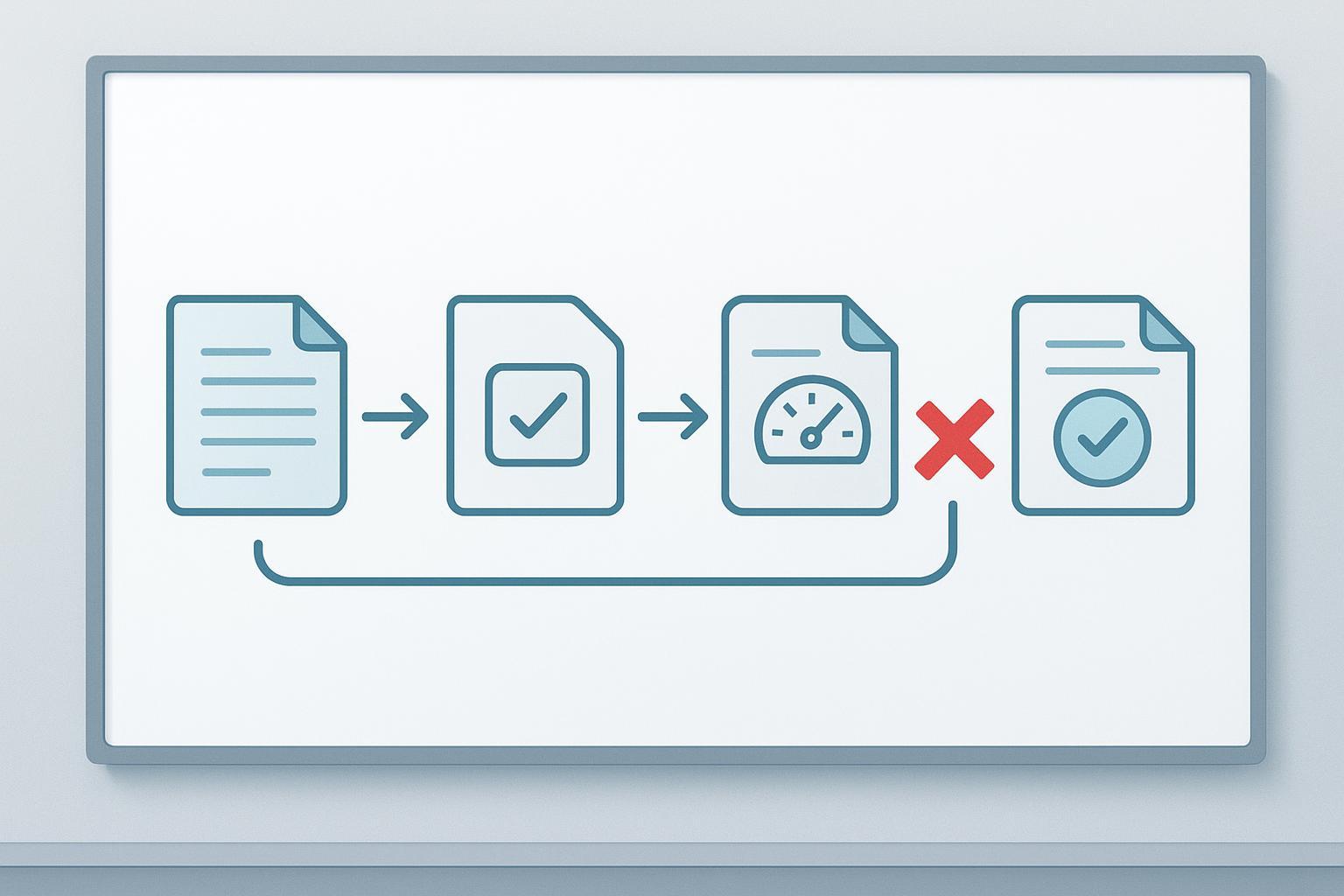
Traceability means an auditor can reconstruct the batch from the raw data forward without asking the supplier a single question. That standard matters more than it used to, because the FDA’s intended-use test is applied to what a seller’s own materials say, which makes documentation a compliance surface rather than a quality record filed away after release (FDA 的三月 2026 致 Gram Peptides 的警告信). 这 MHRA GxP data integrity guidance sets the expectation: records must be attributable, 清晰易读, 同时期的, original and accurate, and additionally complete, 持续的, enduring and available across the full data lifecycle, with any correction preserving the original entry and the reason for change.

For research-use-only peptide documentation, that translates into four concrete asks. Require the original chromatogram and mass spectrum, not a summary table. Require the method reference behind each figure. Require instrument qualification records consistent with the USP 〈1058〉 analytical instrument qualification 4Qs model, last revised in 2017. And require that corrections preserve both the original entry and the reason for change.

对于小费: run the data-chain test on one historical lot before adding any new supplier questionnaire.

The failure mode is quiet. A supplier produces a CoA, the purity figure looks acceptable, and the buyer files it. Months later a reviewer asks how that figure was generated, and the supplier cannot produce the underlying data file. The chain from raw data to released certificate is broken, and the buyer has no way to repair it after the fact.

药丸 3: 经过验证或适合目的的测试, 深思熟虑的选择

The choice between a fully validated method and a fit-for-purpose method is a decision about what the data will be used for, and it has to be made explicitly rather than inherited from whatever routine the supplier happens to run. 我Q2(R2) validation of analytical procedures requires a procedure to be validated as fit for its intended purpose through a risk- and use-based strategy, with a predefined protocol, justified acceptance criteria and a validation report. Typical minimum designs include nine determinations across the range or six at 100% of test concentration.

One clarification matters before you write a specification around it: what ICH Q2(R2) does not say is that there is a formal “fit-for-purpose method” category sitting alongside “fully validated method”. The guideline uses fit for intended purpose as the overarching requirement, which is why early-stage work is supported by phase-appropriate or partial validation with scientific justification for what has not yet been tested.

That leaves the practical question the guideline does not answer for you: which tier does this decision actually need? 一个 practical validated-versus-fit-for-purpose decision rule circulating in consultancy and vendor commentary maps use case to validation expectation, and it is worth adopting with the caveat that it is commentary, not a primary standard.

Use case

Validation expectation

多肽合成 Typical technique

发现, 筛选, internal ranking

Fit-for-purpose or qualified

RP-HPLC with stated conditions; ESI-TOF or Orbitrap HRMS for identity; MALDI-TOF as an orthogonal check

IND-enabling data in a regulatory package

Qualified or partially 合成肽 已验证

The above, plus method documentation and justification for untested parameters

Pivotal, submission-critical or lot-release decisions

Fully validated

Validated RP-HPLC or HRMS; endotoxin by the USP 〈85〉 LAL technique classes, gel-clot, turbidimetric or chromogenic, with limits set by the USP 〈85〉 endotoxin limit formula

The failure mode runs in both directions. A lot-release decision resting on a screening-grade method produces a number nobody can defend, and a discovery-stage decision blocked by a validation burden the use case never required burns weeks for no regulatory gain. Fit-for-purpose analytical testing peptides is a deliberate match between method and decision, not a default.

药丸 4: 负责任的沟通作为治理控制

How a supplier describes its products is an auditable control, not a marketing afterthought. The FDA reads intended use from the seller’s own words, and FDA’s intended-use test treats research-use-only labeling as insufficient when the website itself evidences intended human use. That is exactly what FDA’s March 2026 warning letter to Gram Peptides found: intended-use evidence drawn from the seller’s own product pages, including appetite suppression, weight reduction, glucose handling, and lipid metabolism claims.

The pattern repeats. FDA 八月 2026 letter to Peptide Partners LLC charged named peptides plus BAC reconstitution solution as unapproved new drugs, citing human-disease and human-tissue claims. Across two 2026 cohorts, 11家肽公司一年内收到FDA警告信, which makes unsupported therapeutic claims peptides a documentation risk rather than a copywriting preference.

⚠️警告: A technically excellent supplier whose product pages describe appetite suppression or glucose handling converts a documentation strength into an enforcement exposure for everyone downstream.

Treat claim language as a reviewed artifact with its own approval gate. Keep a research-use-only framing with a research-scope disclaimer, and require that any efficacy-adjacent statement trace to a peer-reviewed source or be removed. The language discipline this implies is narrow: “may help,” “has been associated with,” never “cure” or “guaranteed.” 多肽生产

如何在不重建供应商基础的情况下应用这一点

a four-column implementation tracker mapping each pillar to its first action, its owner, its effort estimate and its completion signal

Start with the specification, because it is the one pillar that requires no cooperation from the supplier to begin. Everything else follows from it.

  1. Write or revise the specification. Set numeric acceptance criteria and name the method for each one. This is a quick win measured in days, and it is time-sensitive: the EMA guideline on the development and manufacture of synthetic peptides applies from 2026-06-01, so specifications drafted against older assumptions will need revisiting anyway.

  2. Request the underlying data package for one current lot. Then test whether the chain is reconstructible: raw data, instrument qualification records, and the review trail behind the release decision. The MHRA GxP data integrity guidance and its ALCOA+ expectations are the practical test. Budget one to two weeks.

  3. Classify each existing use case against a practical validated-versus-fit-for-purpose decision rule, and flag any lot-release decision that currently rests on a screening method. This takes one to two months because it touches historical decisions.

  4. Add a claim-review gate to any outward-facing product description, and keep it running.

Measure two things: the share of lots where the full data chain was produced on request without escalation, and the count of release decisions traceable to a fully validated method. The first two steps change supplier conversations within a quarter; the classification work takes longer.

If you want to see what a complete package looks like before you ask a supplier for one, MOL Changes can send a documentation package covering specification, 方法, and release records, or connect you with a technical expert to walk through the classification step.

注意事项: 传统观点仍然成立

The strongest limitation of this framework is that it assumes you have leverage over your supplier, and early-stage academic groups buying single vials often do not. A ten-peptide purchase audit across four vendor tiers is a small sample, and it supports an argument about matching control intensity to consequence, not a claim about the wider market. Where a failed lot costs a week of screening rather than a batch, a summary CoA and a fit-for-purpose method are proportionate, and demanding a full validated package would be waste. The pillar ordering is also an editorial judgment: if your binding constraint is sterility or endotoxin, inverting it is reasonable. The point is calibration, not maximum rigor everywhere.

But Doesn’t a High Purity Number Still Tell Me Something?

是的, and it is worth being precise about what. A purity figure describes the sample that was tested, under the method the supplier chose, on the day it was run. It says nothing about the next lot, the next synthesis batch, or the same product six months later.

That is how two apparently contradictory results coexist. A 6,285-report submitted-sample analysis reported a median purity of 99.80% (Finnrick, retrieved 2026-05-19), while a ten-peptide purchase audit across four vendor tiers found budget-tier lots releasing at 71.3% 和 78.9% (Peptide List, retrieved 2026-05-19). Both can be true: one measures what suppliers chose to send, the other measures what buyers actually received.

So the useful question is not “what is your purity?” but “what is your release specification, which method defines it, and what does a lot record show for a batch you did not select?” Ask for the chromatogram, not the number.

如果我们已经有符合旧标准的合格供应商怎么办?

Requalification is additive, not a restart. You do not need to reopen every supplier file or issue a new questionnaire. Run the data-chain test on one historical lot per supplier: pull the certificate of analysis, the underlying chromatogram, the mass spectrometry data, and the instrument qualification records for the run, then ask whether the numbers on the summary sheet can be traced back to raw data that a reviewer could reconstruct. Suppliers whose documentation survives that test keep their qualified status and move to a lighter periodic check. Suppliers whose documentation does not survive it move to a full review, and the test result, not a questionnaire score, decides which is which. The same expectation applies to your own records: the MHRA GxP data integrity guidance sets out the attributable, 清晰易读, 同时期的, 原来的, and accurate standard that both sides of the chain are measured against, and USP 〈1058〉 analytical instrument qualification covers the instrument records that make a reported result reconstructable.

您如何回应这种程度的控制不切实际的论点?

The control intensity is meant to be proportional, not uniform, and the framework says so explicitly. A practical validated-versus-fit-for-purpose decision rule permits fit-for-purpose methods at early stages, where the question is whether a material is worth pursuing at all, and reserves validated methods for the stages where a result will carry regulatory or contractual weight. That is also what ICH Q2(R2) supports: phase-appropriate validation with scientific justification, not maximum validation everywhere. What ICH Q2(R2) does not say is that any method is acceptable because the work is early.

The cost asymmetry is what settles the objection. Requesting the documentation package costs a supplier conversation and some review time. Discovering at scale-up that the release data cannot be reconstructed costs the batch, the timeline, and the audit finding.

必须发生的转变

Governance capacity has to scale with demand, and it scales through specifications, 可追溯性, deliberate method selection and disciplined claims, not through a stricter purity threshold. The industry norm of treating a certificate of analysis as the terminal quality artifact has to give way to treating the data chain behind it as the artifact, and buyers should ask for that chain before enforcement asks on their behalf. Eleven peptide firms received FDA warning letters in a single year, so the shift is already underway (我们. 食品药品监督管理局, retrieved 2026-06-11). A market where a documentation package is a standard part of a quote, rather than a special request, is the realistic near-term outcome. Take the four pillars into your next supplier conversation and note where the chain breaks. That is where peptide quality governance earns its keep.


Disclosure: MOL Changes supplies research-use-only peptides and documentation packages, so we have a commercial interest in buyers demanding more complete records. The framework above is drawn from public regulatory and pharmacopoeial sources and applies to any supplier, including us.

Reviewed for research-use scope and documentation accuracy by the MOL Changes technical team. This article discusses research-use-only materials and analytical documentation practices; it is not medical advice, and nothing here should be read as guidance on human use. Consult a qualified professional before making decisions about any research material.

管理员头像

Zejun Peng

首席技术官; 多肽合成专家 核心专长: 复合肽合成, 非天然氨基酸修饰, 以及环肽和钉合肽的构建.

传:彭泽君在有机化学和多肽合成方面拥有丰富的经验. 精通固相多肽合成的组合应用 (统计软件) 和液相肽合成 (LPPS), 尤其擅长克服“极难合成的序列” (比如超长链肽, 高疏水性序列, 和多个二硫键折叠). 在他的带领下, 团队在多项专项改造中成功攻克技术瓶颈 (例如N-甲基化, 聚乙二醇化, 和荧光标记), 保持合成成功率超过 98%.

事实已核实 & 编辑指南
审阅者: 主题专家
分享这篇文章
搜索 Whatsapp 服务 产品