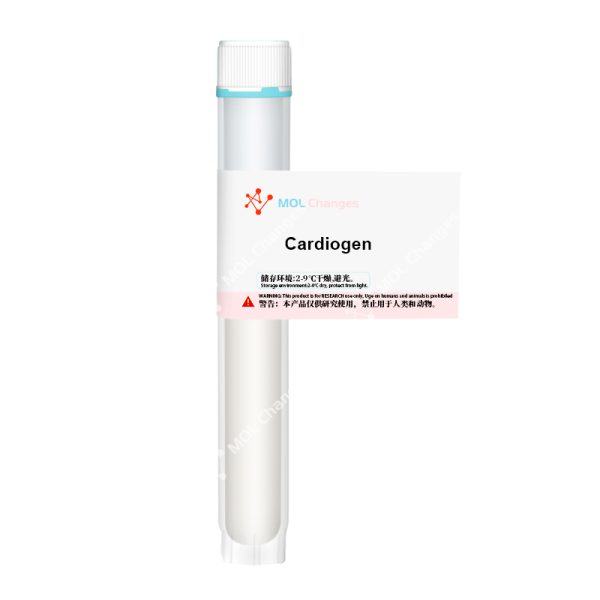
Cardiogen

心源性的

心源性的

Cardiogen is a synthetic bioactive peptide with demonstrated cardiovascular protective effects and restorative potential.


SKU: 198823 分类:
分享您的喜爱

Cardiogen is a synthetic bioactive peptide with demonstrated cardiovascular protective effects and restorative potential. Derived from continuous human research into the pathogenesis of cardiovascular diseases, it is a fully synthetic peptide drug.

Cardiovascular protection, or more broadly cardioprotection in living organisms, involves the transmission of specific signaling pathways; hormones and neurotransmitters are the primary mediators.

Cardiogen was designed from the outset to either mimic these pathways or directly activate key downstream signaling protein(s) to achieve said protection.

Not being a naturally extracted drug, all the inherent limitations associated with natural peptides (快速降解, short half-life, low bioavailability) are overcome to a significant degree.

Preclinical studies have demonstrated significant reductions in myocardial infarct size, improved left ventricular function, prevention of adverse ventricular remodeling, and protection against both apoptosis and necrosis of cardiomyocytes.

A potent antioxidant capacity is also exhibited, mitigating all forms of oxidative damage specific to either cardiomyocytes or the accompanying vascular endothelial cells.

Recent studies point towards enhancing myocardial energy metabolismoptimization of mitochondrial function and energy production being of particular interest.

Anti-fibrotic effects are currently being investigated.

多维, synergistic cardioprotective and therapeutic potential is what Cardiogen represents.

顺序

丙氨酸-谷氨酸-天冬氨酸-精氨酸

CAS 号

/

分子式

C18H31N7O9

分子量

489.486

Research Of Cardiogen Peptide

1.Treating cardiovascular diseases and subsequent reperfusion injury

Reperfusion injury itself is the end point many currently seek to treat.

Blockages within the cardiovascular system lead to ischemia/hypoxia of the myocardium; direct restoration of blood flow (surgical or otherwise) causes this severe damage.

心源性的, through activation of the previously mentioned intracellular pathways (PI3K-Akt being prime among them), mimics the body’s own endogenous protective responses.

Opening of the mitochondrial permeability transition pore(mPTP) being one of the last, irreversibly damaging steps in cardiomyocyte death, is successfully inhibited.

Rescuing the patient from full or near full infarction is the ideal end resultsmaller, more ‘normalsized myocardium and all that follows, is the true goal of cardiogenic therapy.

2.Inhibiting apoptosis

In models of chronic cardiac stress and reperfusion injury, cardiogen have been demonstrated to significantly suppress apoptosis.

They directly activate key kinases such as Akt, inhibit pro-apoptotic protein activity via 磷酸化, and in some cases enhance anti-apoptotic protein activity.

A form of direct hormonal-level suppression of apoptosis is achieved through these mechanisms.

This research indicates significant potential for cardiogenrescuing critically ill cardiac patients being one application, regulating various aspects of chronic heart disease, slowing (if not stopping) the loss of myocardial cells, and by extension delaying all forms of progressive heart failure.

3.Improving cardiac energy metabolism

Cardiogens enhance energy metabolism within cardiac cells; front-end inhibition of mPTP opening is a primary method used for this purpose.

Reducing oxidative damage to the mitochondrial electron transport chain allows the mitochondria to maintain both membrane potential and to a large degree structural integrity.

Efficient 三磷酸腺苷 (ATP) production is then possible, a constant sustainable form of energy being supplied to the failing heart.

Stable cardiac contractility and all related forms of short/long term cardiac function depend upon this stable energy supply.

4.抗氧化和抗炎作用

Indirect antioxidant effects are also exhibited by cardiogen.

Direct activation of certain signaling pathways (Akt being the prime example) leads to upregulation of the body’s endogenous antioxidant systems.

Glutathione peroxidase and other similar enzymes see increased expression, creating a more ‘favorableenvironment for cardiovascular cells.

Inhibition of Myocardial Fibrosis and Ventricular Remodeling: Cardiac fibrosis itself is a primary cause of acute heart disease or eventual organ failure.

Prolonged stress induced fibrosis and subsequent ventricular remodeling are at least partially responsible for the end stage of heart disease.

Cardiogen action on the above mentioned factors (anti-apoptotic being the main one) and direct inhibition of pro-fibrotic signals, is a very important and well documented area of research.

Cardiogen’s ability to delay or prevent myocardial fibrosis is a part of its overall therapeutic promise.

COA

高效液相色谱法

多发性硬化症

顺序:

丙氨酸-谷氨酸-天冬氨酸-精氨酸

中科院:

/

分子量:

489.486 克/摩尔

搜索 Whatsapp 服务 产品