Confronto veloce: Scala dei fornitori di peptidi e specializzazione in breve
|
Sintesi peptidica Categoria |
Grande piattaforma |
Specialista |
|---|---|---|
|
Ideale per |
Programmi in fase avanzata che richiedono da centinaia di chilogrammi a circa una tonnellata all'anno da un unico sito qualificato |
Sequenze complesse, modifiche difficili, e il lavoro di coniugazione dove la chimica, non la stazza, è il vincolo |
|
Intervallo di sequenze personalizzate |
Ampio catalogo più personalizzazione, ma la capacità di sintesi peptidica personalizzata viene allocata rispetto a slot impegnati di grandi volumi |
Portata più ristretta, chimica più ampia: residui non standard, modifiche peptidiche difficili, e brevi percorsi esplorativi |
|
Modifiche difficili |
Accettato quando il percorso è già dimostrato su larga scala |
Vince su nominato, chimica non standard, dove lo specialista può descrivere il percorso prima di quotare |
|
Etichettatura e coniugazione |
Disponibile, tipicamente come una linea di servizio definita |
Vince sul mantenimento del coniugato nell'ambito attraverso la caratterizzazione e il controllo |
|
Supporto analitico e documentazione |
Strutturato, pacchetti pronti per l'audit legati al rilascio GMP |
Vince sullo sviluppo di metodi per le impurità non standard, allineato alla barra della documentazione che le linee guida EMA impostano per il processo, caratterizzazione, specifiche e controllo analitico |
|
Comunicazione tecnica |
Livelli di gestione dell'account e del progetto; più lento per raggiungere la panchina |
Vince sull’accesso diretto agli scienziati che eseguono la sintesi |
|
Continuità del progetto e trasferimento tecnologico |
Vince quando è necessario un secondo sito o un percorso convalidato su larga scala |
Forte presto, ma consegna il progetto quando il volume supera la panchina |
|
Scala minima praticabile |
Centinaia di chilogrammi all'anno per sito, per ciò che la scala di acquisto effettivamente garantisce |
Milligrammi in chilogrammi bassi, compresi i singoli lotti esplorativi |
|
Il nostro verdetto |
Vince per il volume in fase avanzata e la continuità a livello normativo |
Vince per la chimica in fase iniziale e non standard |
Nota: Questa tabella confronta i fornitori tipi, non due venditori nominati. La pagina sulla capacità di Bachem descrive che Vista punta fino a quasi una tonnellata all’anno, e la suddivisione tra specialisti e grandi volumi all’interno della rete di un fornitore dimostra che entrambi i modelli possono coesistere sotto lo stesso tetto. Nessun singolo fornitore è uniformemente migliore; la colonna di destra dipende da dove si trova la tua molecola oggi.

Sequenze personalizzate: quanto si estende effettivamente ciascun modello?
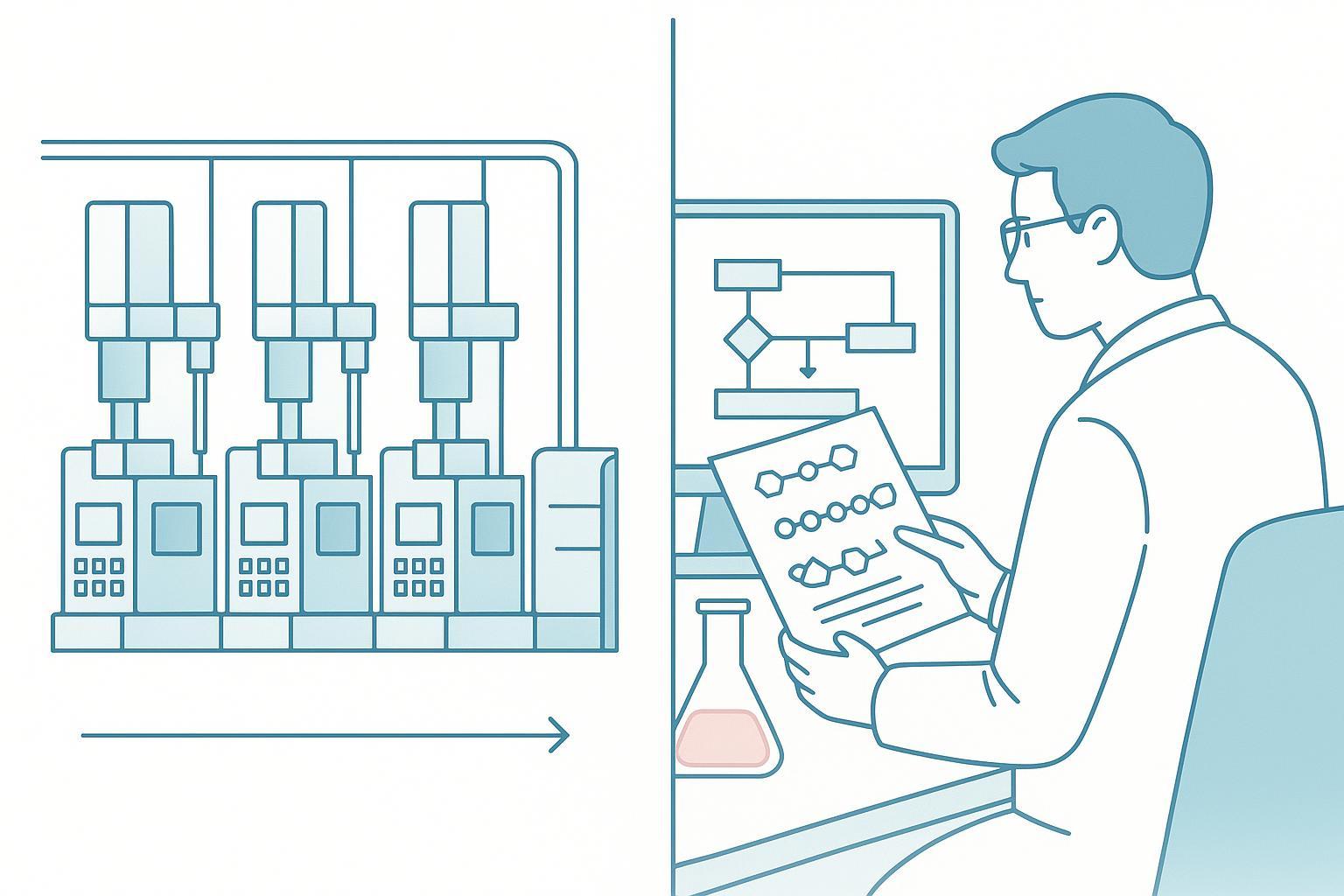
Una grande piattaforma vince sulla capacità di sintesi peptidica personalizzata per le sequenze che ha già ridimensionato; uno specialista vince su sequenze che non rientrano nell’ambito operativo standard di una piattaforma. Il vincolo è chimico, non commerciale. Secondo la letteratura tecnica sulla sintesi in fase solida, l'aggregazione in SPPS non è probabile prima del quinto o sesto residuo o dopo il ventunesimo, e l'aggregazione peptide-resina provoca una deprotezione e un accoppiamento lenti o incompleti. Le sequenze lunghe o idrofobiche sono quindi quelle in cui un percorso standardizzato incontra il suo limite, e dove la disponibilità di uno specialista a cambiare solvente, il carico di resina o la temperatura sono importanti. Uno specialista come MOL Changes supporta la progettazione di sequenze personalizzate in un intervallo da mg a kg, ed è così che la fase aggiuntiva di revisione della sequenza e selezione del percorso può essere utilizzata per gestire un caso difficile. La sfumatura: per una sequenza già presente nel catalogo validato di una piattaforma, che la flessibilità non compra nulla.
Modifiche difficili: chi può nominare la chimica, non solo accettare l'ordine?
Ciò che differenzia le modifiche peptidiche difficili non è la volontà di accettare l'ordine, ma la capacità di nominare tattiche specifiche su richiesta. Uno specialista dovrebbe essere in grado di produrre, non richiesto, il catalogo delle tattiche nella letteratura tecnica: DBU per deprotezione Fmoc incompleta, NMP o DMSO come solvente, sali caotropici, detergenti non ionici o carbonato di etilene, sonicazione, temperatura elevata, microonde, resina a bassa sostituzione, e TentaGel o resina SURE (peptide.com, 2019-10-14).
Per sequenze lunghe o soggette ad aggregazione, lo stesso test si applica alle strategie di protezione della dorsale per lunghe sequenze: pseudoproline, depsipeptidi tramite esterificazione su Ser o Thr, e protezione Hmb/Dmb (peptide.com, 2019-10-14). La spaziatura di 6-7 residui dell'Hmb è importante perché interrompe l'aggregazione e previene anche la formazione di aspartimide, e il controllo della racemizzazione per His e Cys dipende da HOBt, 6-Cl-HOBt o HOAt (peptide.com, 2019-10-14).

Usalo come test per l'acquirente: chiedi quale di questi il fornitore propone per la tua sequenza, e perché. Una grande piattaforma può contenere tutte queste funzionalità internamente, ma instradare la tua richiesta attraverso un apporto standardizzato che non le fa mai emergere.
Etichettatura e coniugazione: quale modello mantiene il coniugato nell'ambito?
Il fornitore che mantiene il linker e il carico utile nell'ambito del lavoro porta con sé l'onere della caratterizzazione; il fornitore che tratta il peptide come prodotto finito te lo restituisce. Quel confine, non la dimensione del catalogo, decide quanto lavoro analitico finisce sulla tua scrivania.
Le linee guida EMA sullo sviluppo e la produzione di peptidi sintetici definiscono il quadro. Copre il processo, caratterizzazione, specifiche e controllo analitico per peptidi sintetici, coniugazione inclusa, e nomina stereoisomero e delezione, sequenze troncate o di inserimento come classi di impurità definite. Quelle classi non scompaiono perché il peptide ora è attaccato a qualcosa.
Servizi Quindi fai una domanda diretta prima di ordinare: se il coniugato è il prodotto, le specifiche del vostro fornitore coprono le specie coniugate, o solo l'intermedio peptidico? Una piattaforma di grandi dimensioni potrebbe rifiutare la chimica del linker in quanto al di fuori del suo ambito convalidato. Uno specialista può accettarlo ma subappaltare il lavoro del carico utile. Entrambe le risposte sono realizzabili, a condizione che tu lo impari prima del batch, non dopo l'arrivo del certificato di analisi.
Supporto analitico e documentazione: come dovrebbe essere una buona risposta??

La profondità analitica è verificabile, quindi chiedi il metodo piuttosto che l'aggettivo. Un fornitore che richiede supporto analitico e documentazione sui peptidi dovrebbe essere in grado di indicare quanto segue L'ICH fa riferimento alle linee guida EMA: Io Q3A(R2) per le impurità nelle nuove sostanze farmaceutiche, ICH Q6A per le specifiche, e ICH M7 per le impurità mutagene.
Un vero scambio per la risoluzione dei problemi relativi alle impurità si presenta così. Si invia il cromatogramma e la specifica non conforme. Il fornitore propone un cambio di metodo, restituisce i dati di supporto, e modifica il CoA per adattarlo. Aspettatevi dati HPLC e MS, una fase di scambio di controioni TFA dichiarata, un risultato del test LAL per l'endotossina, e dati sulla coerenza tra lotti. Una mancata risposta è una percentuale di purezza senza alcun metodo dietro.
La sfumatura: la documentazione di una grande piattaforma è spesso più standardizzata, il che rende più semplice l’audit anche quando lo sviluppo del metodo di uno specialista è più profondo.
Comunicazione tecnica: chi risponde, e quanto velocemente?
La differenza osservabile tra i due modelli è chi si trova dall’altra parte della domanda. Una piattaforma di grandi dimensioni in genere instrada la comunicazione tecnica attraverso un account o un livello di gestione del progetto, con escalation a uno scienziato quando la query supera una soglia definita. Un fornitore specializzato spesso risponde con la persona che ha eseguito la sintesi, perché potrebbe non esserci alcuno strato intermedio.
Questa differenza è verificabile prima di impegnarsi. Fai tre domande e osserva come arrivano le risposte:
-
Cosa è cambiato tra gli ultimi due lotti?
-
Qual è stata la modalità di errore nel primo tentativo di sintesi?
-
Quale mitigazione viene proposta, e cosa lo farebbe scattare?
Una risposta sostanziale alla seconda domanda è il segnale più forte di una reale esperienza in panchina. Un fornitore che non è in grado di descrivere una modalità di guasto al primo tentativo non ne ha mai avuto uno degno di nota o non ha mai visto la documentazione.
Continuità del progetto e trasferimento tecnologico: cosa succede quando il tuo progetto diventa troppo grande per il banco?
Il rischio di continuità è massimo esattamente nel punto in cui i due modelli si scambiano. Una grande piattaforma può assorbire internamente uno scale-up, e la rete di Bachem è l’esempio più chiaro: IL distribuzione in sei siti della capacità annunciata copre Bubendorf (Edificio K), Sisslerfeld, Vionnaz, Vista, Torrance e St. Elena, con Torrance posizionato sulla giusta scala di apparecchiature per volumi più piccoli mentre Vista richiede capacità di grandi volumi.
Il tempismo conta più del numero del titolo. Ad aprile è stato inaugurato l'edificio K 2026 e produce già prodotti commerciali GMP, ma si prevede che la Fase II contribuirà alle vendite solo nel 2027, e la produzione commerciale di Sisslerfeld solo da 2030. Questa è la tempistica annunciata per la capacità utilizzabile, ed è alla base dell’investimento della prima fase di Sisslerfeld di oltre 500 milioni di franchi, parte di un programma che potrebbe superare 1,2 miliardi di franchi con i partner.
⚠️ Attenzione: Le spese in conto capitale annunciate non rappresentano la capacità utilizzabile. Se il tuo lancio dipende da 2027 O 2028 volumi, pianifica il trasferimento prima di averne bisogno, non dopo che lo slot del tuo attuale fornitore è già stato impegnato.
Veterani del settore citati sulla capacità del CDMO stima del professionista sugli sconfinamenti di costruzione A 12 A 18 mesi oltre le proiezioni iniziali. Consideralo come una stima basata su preventivi piuttosto che come dati misurati, ma indica la stessa direzione delle date pubblicate: crea un rallentamento nella tua sequenza temporale.
Il che riporta la continuità del progetto peptidico e il trasferimento della tecnologia alla proprietà. Quando ti muovi, chi detiene la conoscenza del processo: i metodi analitici, il percorso di purificazione, la cronologia delle deviazioni? Uno specialista che ha eseguito la sequenza per tre anni detiene una conoscenza tacita che non viaggia in un pacchetto di trasferimento tecnologico. Una grande piattaforma contiene la capacità ma non la tua storia. Qualunque sia la direzione in cui ti muovi, la parte che può documentare il processo è la parte che può trasmetterlo, quindi chiedi quella documentazione prima di firmare, non quando te ne vai.
Prezzi e condizioni commerciali: quanto ti costa effettivamente ciascun modello?
Nessuno dei due modelli pubblica un listino prezzi, quindi il confronto onesto è la struttura dei costi piuttosto che i prezzi quotati. La tesi commerciale di una grande piattaforma si basa sul costo per grammo in termini di volume: l'impostazione fissa è distribuita su campagne di grandi dimensioni, e più grammi ti impegni, tanto più basso scende il prezzo unitario. Il caso di uno specialista si basa sul costo del progetto, compreso il primo tentativo fallito non paghi due volte.
I punti di flesso si trovano dove le due strutture divergono. Lo scale-up è il primo: sotto qualche grammo, la configurazione della piattaforma e l’assegnazione degli slot dominano la fattura, mentre uno specialista assorbe quel lavoro in un unico progetto. Le attrezzature dedicate e i lotti di qualificazione sono i secondi: uno slot di piattaforma è una prenotazione di capacità Peptidi sintetici con le proprie condizioni commerciali, quindi stai acquistando un posto in coda tanto quanto una sintesi. I costi nascosti risiedono su entrambi i lati. Spostare un percorso validato significa riqualificare e riqualificare il metodo, e una volta convalidato un percorso sull'attrezzatura di un fornitore, il passaggio comporta un costo reale che raramente appare nel preventivo.
Per piccole quantità di ricerca, lo specialista è spesso più economico una volta conteggiate le rilavorazioni.
Contesto di mercato: perché la capacità è limitata 2026
La domanda di capacità di produzione di peptidi sta arrivando più velocemente di quanto l’industria possa costruirla. Modello di mercato CDMO peptidico e oligonucleotidico di Grand View Research prevede che il mercato crescerà da 3,1 miliardi di dollari 2025 a 3,5 miliardi di dollari 2026, poi a 8,1 miliardi di dollari 2033, UN 12.9% CAGR, con holding del Nord America 36.3% Di 2025 reddito.
Il driver dal lato della domanda è la pipeline di lancio a cui puntano gli operatori CDMO: si prevede che diversi peptidi GLP-1 e obesità in fase tardiva raggiungeranno il lancio commerciale nel 2027-2028. Gli indicatori di capacità del settore stimano l’utilizzo della sintesi GMP a circa il 78-85% rispetto alla capacità totale di peptidi sintetici GMP di circa 50.000-70.000 kg all’anno, in giro 20% Da 2022, con progetti annunciati che aggiungono 12.000-18.000 kg 2028. Tratta la cifra relativa alla capacità come una stima del settore, dati non controllati, e nota che proviene da un'unica fonte.
Da allora, le spese in conto capitale annunciate per CDMO per la produzione di peptidi hanno superato 1,2 miliardi di dollari 2024, concentrato in Europa, Asia e Sud-Est degli Stati Uniti. Questo è lo sfondo per la questione della scala dei fornitori di peptidi rispetto alla specializzazione: viene aggiunta capacità, ma non ancora al ritmo in cui la domanda si sta aggravando.
Chi dovrebbe scegliere quale
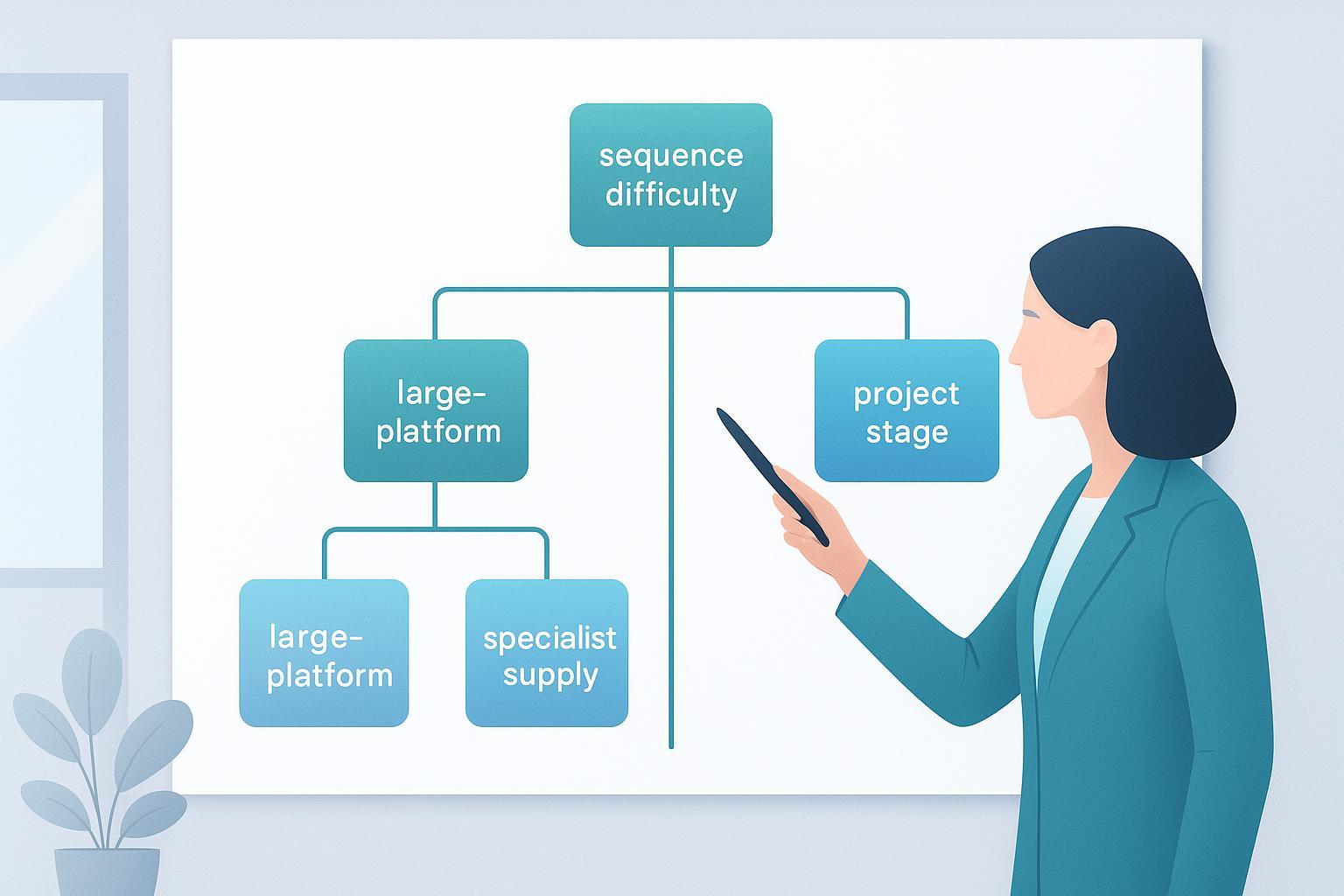
Se la sequenza è convalidata e il vincolo è la capacità, scegli una piattaforma grande. Se la tua sequenza ti sta ancora combattendo, scegli uno specialista. Tutto il resto deriva dalla difficoltà della sequenza, fase di progetto, e chi possiede la conoscenza del processo.
Scale-up in fase tardiva su una sequenza validata: Una grande piattaforma, in questo modo è possibile prenotare in anticipo la capacità e fornire ai revisori la documentazione che già soddisfa il formato previsto.
Lungo, idrofobo, o sequenze fortemente modificate: Uno specialista, perché la flessibilità del percorso conta più della produttività quando il rischio è la sintesi stessa.
Coniugazione o etichettatura, dove il peptide è un componente di un costrutto più grande: Qualunque fornitore manterrà il coniugato nell'ambito. Verificarlo per iscritto anziché dedurlo da una pagina di catalogo.
Nessuno dei due si adatta perfettamente: Sono comuni i programmi che necessitano del lavoro iniziale di uno specialista e della capacità successiva di una piattaforma. Pianifica il trasferimento tecnologico prima che ne abbia bisogno, non dopo il fallimento del primo batch di scale-up.
“Dipende” è la risposta onesta, e ciò da cui dipende è la difficoltà della sequenza, fase di progetto, e chi possiede la conoscenza del processo.
Domande frequenti
Un grande fornitore di peptidi è sempre meglio di uno specialista?
NO. Una piattaforma di grandi dimensioni vince sulla coerenza dei batch ripetuti, documentazione pronta per l'audit e costo per grammo a volume; uno specialista vince sulle sequenze che non rientrano nell'ambito operativo standard e sull'accesso diretto alla persona che ha eseguito la sintesi. La domanda utile non è quale modello sia migliore in astratto, ma quale si adatta alla sequenza, la fase e la sequenza temporale su cui stai lavorando. Questa è l'intera questione della scala dei fornitori di peptidi rispetto alla decisione sulla specializzazione.
Posso spostare un progetto da uno specialista a una piattaforma di grandi dimensioni in un secondo momento?
È tecnicamente fattibile e comune, ma lo sforzo dipende dal pacchetto di trasferimento: percorso sintetico, metodi analitici, profilo e specifiche delle impurità. Chiedi a chi appartiene la documentazione prima dell'inizio del progetto, non quando decidi di partire. Un fornitore che non può consegnarti un pacchetto completo di metodi ti ha effettivamente bloccato.
Posso utilizzare entrambi i fornitori sullo stesso programma?
SÌ, ed è spesso la scelta razionale: uno specialista per lo sviluppo iniziale del percorso e analoghi difficili, una piattaforma per la fase tardiva e il volume commerciale. Il rischio risiede nel passaggio di consegne, dove la conoscenza cade silenziosamente attraverso il divario. Definisci contrattualmente il pacchetto di trasferimento nel momento in cui dividi il lavoro, non dopo.
Quale modello offre un migliore supporto analitico?
Giudicare la documentazione, non la dimensione aziendale. Chiedere a entrambi i fornitori di mappare i test di rilascio e il controllo delle impurità sui riferimenti ICH a cui fa riferimento la linea guida EMA sui peptidi sintetici, vale a dire I Q3A(R2), Q6A e M7. Il fornitore che può farlo senza preparazione è quello con una reale profondità analitica.
Vale ancora la pena utilizzare uno specialista 2026?
SÌ. La capacità è limitata e la nuova capacità su larga scala tarda ad arrivare: le tempistiche annunciate mettono in vendita l'Edificio K Fase II solo nel 2027 e Sisslerfeld solo da 2030 (Produzione farmaceutica, recuperato 2026-06-11). Uno specialista può iniziare prima il lavoro difficile mentre uno spazio sulla piattaforma è riservato per l'espansione.
Verdetto: abbinando il modello del fornitore al tuo progetto
|
Criterio |
Modello vincente |
|---|---|
|
Sequenze standard o da catalogo |
Fornitore su larga scala |
|
Sequenze difficili o non standard |
Specialista |
|
Modifiche complesse Negozio e coniugati |
Specialista |
|
Supporto analitico e documentazione |
Dipende dal singolo fornitore, non la sua dimensione Di |
|
Velocità di comunicazione tecnica |
Specialista, per domande sulla chimica con nome |
|
Continuità del progetto e trasferimento tecnologico Produzione di peptidi |
Fornitore su larga scala, una volta fissato il percorso |
|
Prezzo sul volume di routine |
Fornitore su larga scala |
|
Complessivamente |
Abbinato alla difficoltà della sequenza, fase del progetto e chi possiede la conoscenza del processo |
La dimensione del fornitore non decide questo. Difficoltà della sequenza, lo stadio del progetto e il luogo in cui si trova la conoscenza del processo lo decidono, e un programma può legittimamente passare da un modello all'altro man mano che questi cambiano.
Per la trasparenza: MOL Changes è un fornitore di peptidi, quindi valuta la nostra rubrica specialistica come un insieme di richieste da verificare piuttosto che come una scorecard neutra.
Se vuoi testare tali richieste rispetto a un fornitore, richiedere una matrice di capacità o documentazione analitica, o parlare con un responsabile tecnico.