Tại sao quản lý chất lượng peptide hiện là một vấn đề đánh giá, Không phải là vấn đề tìm nguồn cung ứng

Quản trị chất lượng peptide đã chuyển từ câu hỏi tìm nguồn cung ứng sang câu hỏi đánh giá. Thị trường trị liệu bằng peptide đang phát triển ở mức khoảng 11% một năm, từ 49,21 tỷ USD vào 2025 tới 54,62 tỷ USD trong 2026 theo Báo cáo Thị trường Trị liệu Peptide Toàn cầu của Công ty Nghiên cứu Kinh doanh 2026, và việc thực thi đã mở rộng theo nó: 11 công ty peptide đã nhận được thư cảnh báo của FDA chỉ trong một năm, qua hai 2026 đoàn hệ được theo dõi bởi Trình theo dõi thư cảnh báo của Peptifact FDA.
Câu hỏi quan trọng không còn là liệu nhà cung cấp có tồn tại hay không. Đó là liệu bạn có thể bảo vệ các tiêu chí chấp nhận đằng sau sự lựa chọn nhà cung cấp của mình hay không. Tháng ba của FDA 2026 thư cảnh báo tới Gram Peptide Và Tháng 8 của FDA 2026 thư gửi Công ty TNHH Peptide Partners cả hai đều bật thử nghiệm mục đích sử dụng của FDA, không phải trên một hình ảnh thuần khiết. các Chỉ số thư cảnh báo của FDA có thể lọc ngày, vì vậy hồ sơ có thể kiểm tra được.

Chìa khóa mang đi: Câu hỏi quản trị đã chuyển từ việc tìm kiếm nhà cung cấp sang việc bảo vệ tiêu chí chấp nhận.
Bốn trụ cột tổ chức phần còn lại của tác phẩm này: thông số kỹ thuật, tài liệu có thể theo dõi, thử nghiệm phù hợp với mục đích, và giao tiếp có trách nhiệm.

Quan điểm thông thường: Mua theo tỷ lệ phần trăm tinh khiết và chứng chỉ phân tích
Vị trí chủ đạo là đơn giản: giấy chứng nhận phân tích do nhà cung cấp cung cấp cho thấy chỉ số độ tinh khiết HPLC pha đảo cao là bằng chứng đầy đủ về chất lượng, và giá cả cộng với độ tinh khiết đã nêu là tiêu chí lựa chọn hợp lý. Chuẩn mực đó không đến từ đâu cả. Nó xuất phát từ chính thể loại báo cáo QC của nhà cung cấp, và cách trình bày báo cáo QC của nhà cung cấp thường là nguyên mẫu: số độ tinh khiết tổng hợp, xác nhận hàng loạt, và một dòng phương thức ngắn, được đóng gói dưới dạng bằng chứng chất lượng trong một trang.
Nó trở nên chiếm ưu thế vì ba lý do có thể phòng thủ được. Nó rất đơn giản, nó có thể so sánh được qua các trích dẫn, và nó có hiệu quả khi người mua peptide chủ yếu là các nhóm nghiên cứu nội bộ mua từ một đối tác tổng hợp đã biết theo thỏa thuận chất lượng hiện có. Logic thương mại đã củng cố nó. Với thị trường trị liệu bằng peptide đang phát triển vào khoảng 11% một năm, đội mua sắm cần một lĩnh vực sàng lọc, và tỷ lệ phần trăm độ tinh khiết là tỷ lệ duy nhất mà mọi báo giá đều có.
Các nhà cung cấp tổng hợp ủng hộ nó vì họ có thể sản xuất nó. Các mẫu mua sắm được xây dựng xung quanh chúng mã hóa nó. Và bản thân con số trông có vẻ yên tâm: phân tích mẫu gửi 6.285 báo cáo tìm thấy độ tinh khiết trung bình của 99.80%, với một khoảng tứ phân vị của 99.50% ĐẾN 99.90%. Khi hầu hết mọi báo cáo đều nằm trong cùng một phạm vi hẹp, lĩnh vực này ngừng phân biệt đối xử. Đó là dấu hiệu đầu tiên cho thấy chứng chỉ truy xuất nguồn gốc phân tích peptide, không phải là con số tiêu đề, là nơi công việc đánh giá thực sự diễn ra.
Ba cách mà lối tắt phần trăm độ tinh khiết không thành công

Một số độ tinh khiết đo một thuộc tính, theo một phương pháp, trên một mẫu, và nó không nói gì về danh tính, sự phản đối, dung môi dư, nội độc tố, hoặc vô sinh. Coi nó như một tín hiệu chất lượng chung là nơi mà hầu hết các đánh giá đều sai.
Thất bại đầu tiên được dự đoán trước. Một phân tích mẫu được gửi tới 6.285 báo cáo cho thấy độ tinh khiết trung bình là 99.80%, nhưng những mẫu đó là do người bán tự gửi, không được mua mù (Mendias & Awan / Phân tích Finnrick, Tháng tư 2026). Kiểm tra mua hàng mười peptide trên bốn cấp độ nhà cung cấp, chạy trên sản phẩm được mua ngẫu nhiên và được thử nghiệm bởi MZ Biolabs, đã tìm thấy cấp 503B đã được FDA đăng ký tại 98.7%, 99.1%, Và 98.3% sự tinh khiết, cấp nhà sản xuất trực tiếp tại 89.1%, 91.3%, Và 85.4%, và cấp ngân sách tại 71.3% Và 78.9%, với một mẫu không thể giải quyết được (Danh sách peptide, Tháng Một 2026). Hai tập dữ liệu trỏ theo hướng ngược nhau, đó là điểm: con số được trích dẫn từ một nhà cung cấp không cho bạn biết điều gì mang tính dự đoán về lô hàng của nhà cung cấp khác.
Thất bại thứ hai là rõ ràng. Tập dữ liệu mẫu tương tự đã gửi đã ghi lại một 2.4% tỷ lệ thất bại trong nhận dạng, với peptide được đặt tên đơn giản là không có trong 156 của 6,487 báo cáo được sàng lọc. Trong kiểm toán mua hàng, một sản phẩm đo sai hợp chất hoàn toàn 2,847 Đà chống lại 4,113 Đà mong đợi cho semaglutide. Không có phần trăm độ tinh khiết nào có thể diễn tả được kết quả đó, bởi vì thiết bị đã đo sai phân tử một cách chính xác.
The third failure is regulatory, and it is the most consequential. An RUO label does not insulate a seller whose own website establishes intended human use, as FDA’s March 2026 warning letter to Gram Peptides makes explicit, because intended use is defined at 21 CFR 201.128 by the seller’s own claims rather than by the label text. A buyer who treats the label as a compliance signal is reading the wrong artifact.
Peptide quality governance fails at the shortcut because the shortcut collapses four independent control questions into one number.
Dữ liệu thực sự hiển thị những gì: Hai phương pháp cạnh tranh, Một bài đọc trung thực
The widely quoted failure percentages, 41.6% against a lenient benchmark and 71.1% against a stricter one, come from a single upstream laboratory’s analysis of 6,285 reports, and that figure has been repeated far more often than it has been independently reproduced (Finnrick-derived audit summary, 2026). It is one dataset, not a consensus.
The two most cited sources pull in opposite directions. A 6,285-report submitted-sample analysis draws from samples vendors chose to send, so its selection bias runs toward good material, và nó 2.4% identity-failure rate should be read in that light. A ten-peptide purchase audit across four vendor tiers buys anonymously and therefore skews the other way. Neither is the definitive failure rate.
The one independent purchase-based upstream is the 2024 peer-reviewed market surveillance study, in which products labelled 99% purity measured 7.7% ĐẾN 14.37% actual purity and endotoxin appeared in every sample at 2.16 ĐẾN 8.95 EU/mg (Ashraf et al., JMIR 2024). That is 2024 data and historical context, not a current rate.
So peptide quality governance should evaluate the control system behind a number rather than the number itself.
thuốc 1: Thông số kỹ thuật rõ ràng trước khi đưa ra bất kỳ quyết định thử nghiệm nào
A specification is the document that decides, trước, which tests are necessary and which are wasted effort. Write it before a supplier is selected, not after a lot arrives.
Without a numeric acceptance criterion there is no release decision, only an opinion. Define identity; purity with the analytical method and detection wavelength named; dạng phản ion và dạng muối; dung môi dư; hàm lượng nước; the endotoxin limit derived from the USP 〈85〉 endotoxin limit formula, where K = 5 USP-EU/kg đối với các tuyến đường không phải trong vỏ não và 0.2 EU/kg for intrathecal; and sterility testing per USP 〈71〉 where the material must be sterile. When USP 〈71〉 and USP 〈85〉 actually apply depends on the finished-product route, not on how the material is ordered.
các Hướng dẫn của EMA về phát triển và sản xuất peptide tổng hợp, hiệu quả 2026-06-01, covers specifications and analytical control for synthetic peptides, so specification writing is now a regulatory expectation rather than an internal preference.
The failure mode is a lot released against a summary CoA with no chromatogram and no stated method, where nobody can reconstruct why it passed. That is where peptide certificate of analysis traceability breaks down, and it breaks down before testing ever starts.
⚠️ Cảnh báo: Do not attribute the circulating 0.1%/0.5%/1.0% impurity thresholds to the EMA guideline. What the EMA guideline page does and does not state is narrower than the trade coverage suggests: the landing page carries no numeric reporting, nhận dạng, or qualification thresholds.
thuốc 2: Tài liệu có thể theo dõi tồn tại sau cuộc kiểm toán
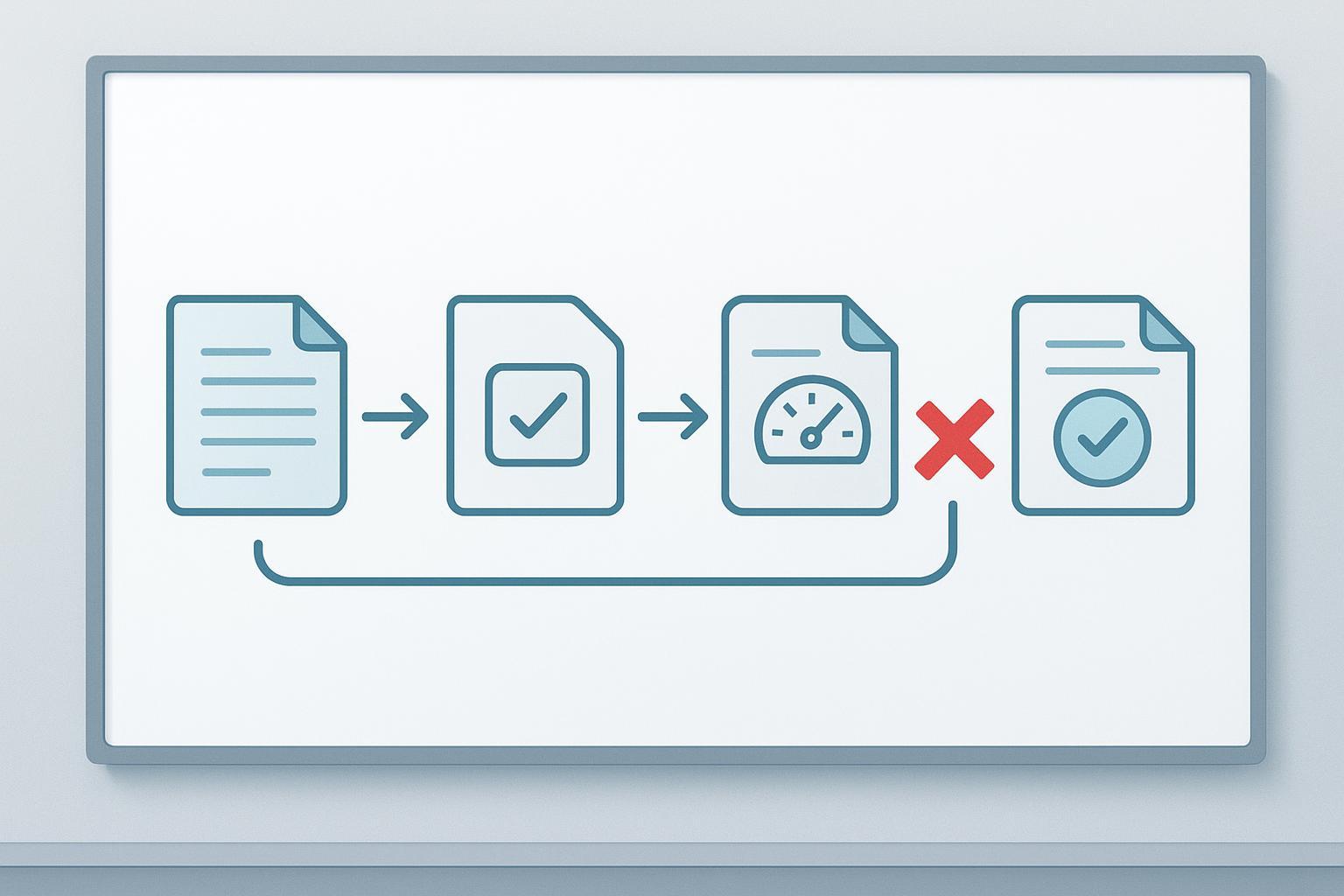
Traceability means an auditor can reconstruct the batch from the raw data forward without asking the supplier a single question. That standard matters more than it used to, because the FDA’s intended-use test is applied to what a seller’s own materials say, which makes documentation a compliance surface rather than a quality record filed away after release (Tháng ba của FDA 2026 thư cảnh báo tới Gram Peptide). các MHRA GxP data integrity guidance sets the expectation: hồ sơ phải được quy cho, dễ đọc, đương thời, nguyên bản và chính xác, and additionally complete, nhất quán, enduring and available across the full data lifecycle, with any correction preserving the original entry and the reason for change.
For research-use-only peptide documentation, that translates into four concrete asks. Require the original chromatogram and mass spectrum, không phải là bảng tóm tắt. Require the method reference behind each figure. Require instrument qualification records consistent with the USP 〈1058〉 analytical instrument qualification 4Qs model, last revised in 2017. And require that corrections preserve both the original entry and the reason for change.
Để biết tiền boa: run the data-chain test on one historical lot before adding any new supplier questionnaire.
Chế độ thất bại yên tĩnh. A supplier produces a CoA, the purity figure looks acceptable, and the buyer files it. Months later a reviewer asks how that figure was generated, and the supplier cannot produce the underlying data file. The chain from raw data to released certificate is broken, and the buyer has no way to repair it after the fact.
thuốc 3: Kiểm tra đã được xác thực hoặc phù hợp với mục đích, Được lựa chọn có chủ ý
The choice between a fully validated method and a fit-for-purpose method is a decision about what the data will be used for, and it has to be made explicitly rather than inherited from whatever routine the supplier happens to run. Tôi quý 2(R2) validation of analytical procedures requires a procedure to be validated as fit for its intended purpose through a risk- and use-based strategy, with a predefined protocol, justified acceptance criteria and a validation report. Typical minimum designs include nine determinations across the range or six at 100% nồng độ thử nghiệm.
One clarification matters before you write a specification around it: what ICH Q2(R2) does not say is that there is a formal “fit-for-purpose method” category sitting alongside “fully validated method”. The guideline uses fit for intended purpose as the overarching requirement, which is why early-stage work is supported by phase-appropriate or partial validation with scientific justification for what has not yet been tested.
That leaves the practical question the guideline does not answer for you: which tier does this decision actually need? MỘT practical validated-versus-fit-for-purpose decision rule circulating in consultancy and vendor commentary maps use case to validation expectation, and it is worth adopting with the caveat that it is commentary, not a primary standard.
|
Use case |
Validation expectation |
Tổng hợp peptit Typical technique |
|---|---|---|
|
Khám phá, sàng lọc, internal ranking |
Fit-for-purpose or qualified |
RP-HPLC with stated conditions; ESI-TOF or Orbitrap HRMS for identity; MALDI-TOF as an orthogonal check |
|
IND-enabling data in a regulatory package |
Qualified or partially Peptide tổng hợp xác thực |
The above, plus method documentation and justification for untested parameters |
|
Pivotal, submission-critical or lot-release decisions |
Fully validated |
Validated RP-HPLC or HRMS; endotoxin by the USP 〈85〉 LAL technique classes, gel-clot, turbidimetric or chromogenic, with limits set by the USP 〈85〉 endotoxin limit formula |
The failure mode runs in both directions. A lot-release decision resting on a screening-grade method produces a number nobody can defend, and a discovery-stage decision blocked by a validation burden the use case never required burns weeks for no regulatory gain. Fit-for-purpose analytical testing peptides is a deliberate match between method and decision, not a default.
thuốc 4: Truyền thông có trách nhiệm như một biện pháp kiểm soát quản trị
How a supplier describes its products is an auditable control, not a marketing afterthought. The FDA reads intended use from the seller’s own words, and FDA’s intended-use test treats research-use-only labeling as insufficient when the website itself evidences intended human use. That is exactly what FDA’s March 2026 warning letter to Gram Peptides found: intended-use evidence drawn from the seller’s own product pages, including appetite suppression, weight reduction, glucose handling, and lipid metabolism claims.
The pattern repeats. Tháng 8 của FDA 2026 letter to Peptide Partners LLC charged named peptides plus BAC reconstitution solution as unapproved new drugs, citing human-disease and human-tissue claims. Across two 2026 cohorts, 11 công ty peptide đã nhận được thư cảnh báo của FDA chỉ trong một năm, which makes unsupported therapeutic claims peptides a documentation risk rather than a copywriting preference.
⚠️ Cảnh báo: A technically excellent supplier whose product pages describe appetite suppression or glucose handling converts a documentation strength into an enforcement exposure for everyone downstream.
Treat claim language as a reviewed artifact with its own approval gate. Keep a research-use-only framing with a research-scope disclaimer, and require that any efficacy-adjacent statement trace to a peer-reviewed source or be removed. The language discipline this implies is narrow: “may help,” “has been associated with,” never “cure” or “guaranteed.” Sản xuất peptit
Làm thế nào để áp dụng điều này mà không cần xây dựng lại cơ sở nhà cung cấp của bạn

Start with the specification, because it is the one pillar that requires no cooperation from the supplier to begin. Everything else follows from it.
-
Write or revise the specification. Set numeric acceptance criteria and name the method for each one. This is a quick win measured in days, and it is time-sensitive: the EMA guideline on the development and manufacture of synthetic peptides applies from 2026-06-01, so specifications drafted against older assumptions will need revisiting anyway.
-
Request the underlying data package for one current lot. Then test whether the chain is reconstructible: dữ liệu thô, instrument qualification records, and the review trail behind the release decision. The MHRA GxP data integrity guidance and its ALCOA+ expectations are the practical test. Budget one to two weeks.
-
Classify each existing use case against a practical validated-versus-fit-for-purpose decision rule, and flag any lot-release decision that currently rests on a screening method. This takes one to two months because it touches historical decisions.
-
Add a claim-review gate to any outward-facing product description, and keep it running.
Đo lường hai điều: the share of lots where the full data chain was produced on request without escalation, and the count of release decisions traceable to a fully validated method. The first two steps change supplier conversations within a quarter; the classification work takes longer.
If you want to see what a complete package looks like before you ask a supplier for one, MOL Changes can send a documentation package covering specification, phương pháp, and release records, or connect you with a technical expert to walk through the classification step.
Hãy cẩn thận: Nơi quan điểm thông thường vẫn được giữ
The strongest limitation of this framework is that it assumes you have leverage over your supplier, and early-stage academic groups buying single vials often do not. A ten-peptide purchase audit across four vendor tiers is a small sample, and it supports an argument about matching control intensity to consequence, not a claim about the wider market. Where a failed lot costs a week of screening rather than a batch, a summary CoA and a fit-for-purpose method are proportionate, and demanding a full validated package would be waste. The pillar ordering is also an editorial judgment: if your binding constraint is sterility or endotoxin, inverting it is reasonable. The point is calibration, not maximum rigor everywhere.
Nhưng con số có độ tinh khiết cao vẫn không cho tôi biết điều gì?
Đúng, and it is worth being precise about what. A purity figure describes the sample that was tested, under the method the supplier chose, on the day it was run. It says nothing about the next lot, the next synthesis batch, or the same product six months later.
That is how two apparently contradictory results coexist. A 6,285-report submitted-sample analysis reported a median purity of 99.80% (Finnick, đã lấy lại 2026-05-19), while a ten-peptide purchase audit across four vendor tiers found budget-tier lots releasing at 71.3% Và 78.9% (Peptide List, đã lấy lại 2026-05-19). Both can be true: one measures what suppliers chose to send, the other measures what buyers actually received.
So the useful question is not “what is your purity?” but “what is your release specification, which method defines it, and what does a lot record show for a batch you did not select?” Ask for the chromatogram, không phải số.
Điều gì sẽ xảy ra nếu chúng ta đã đánh giá được các nhà cung cấp đủ tiêu chuẩn theo Tiêu chí Cũ??
Requalification is additive, not a restart. You do not need to reopen every supplier file or issue a new questionnaire. Run the data-chain test on one historical lot per supplier: pull the certificate of analysis, the underlying chromatogram, the mass spectrometry data, and the instrument qualification records for the run, then ask whether the numbers on the summary sheet can be traced back to raw data that a reviewer could reconstruct. Suppliers whose documentation survives that test keep their qualified status and move to a lighter periodic check. Suppliers whose documentation does not survive it move to a full review, and the test result, not a questionnaire score, decides which is which. The same expectation applies to your own records: the MHRA GxP data integrity guidance sets out the attributable, dễ đọc, đương thời, nguyên bản, and accurate standard that both sides of the chain are measured against, and USP 〈1058〉 analytical instrument qualification covers the instrument records that make a reported result reconstructable.
Bạn phản ứng thế nào trước lập luận rằng mức độ kiểm soát này là không thực tế?
The control intensity is meant to be proportional, not uniform, and the framework says so explicitly. A practical validated-versus-fit-for-purpose decision rule permits fit-for-purpose methods at early stages, where the question is whether a material is worth pursuing at all, and reserves validated methods for the stages where a result will carry regulatory or contractual weight. That is also what ICH Q2(R2) hỗ trợ: phase-appropriate validation with scientific justification, not maximum validation everywhere. What ICH Q2(R2) does not say is that any method is acceptable because the work is early.
The cost asymmetry is what settles the objection. Requesting the documentation package costs a supplier conversation and some review time. Discovering at scale-up that the release data cannot be reconstructed costs the batch, the timeline, and the audit finding.
Sự thay đổi phải xảy ra
Governance capacity has to scale with demand, and it scales through specifications, truy xuất nguồn gốc, deliberate method selection and disciplined claims, not through a stricter purity threshold. The industry norm of treating a certificate of analysis as the terminal quality artifact has to give way to treating the data chain behind it as the artifact, and buyers should ask for that chain before enforcement asks on their behalf. Eleven peptide firms received FDA warning letters in a single year, so the shift is already underway (CHÚNG TA. Cục Quản lý Thực phẩm và Dược phẩm, đã lấy lại 2026-06-11). A market where a documentation package is a standard part of a quote, rather than a special request, is the realistic near-term outcome. Take the four pillars into your next supplier conversation and note where the chain breaks. That is where peptide quality governance earns its keep.
Tiết lộ: MOL Changes supplies research-use-only peptides and documentation packages, so we have a commercial interest in buyers demanding more complete records. The framework above is drawn from public regulatory and pharmacopoeial sources and applies to any supplier, including us.
Reviewed for research-use scope and documentation accuracy by the MOL Changes technical team. This article discusses research-use-only materials and analytical documentation practices; it is not medical advice, and nothing here should be read as guidance on human use. Consult a qualified professional before making decisions about any research material.